
Raising Kids Between Two Cultures in Point Cook
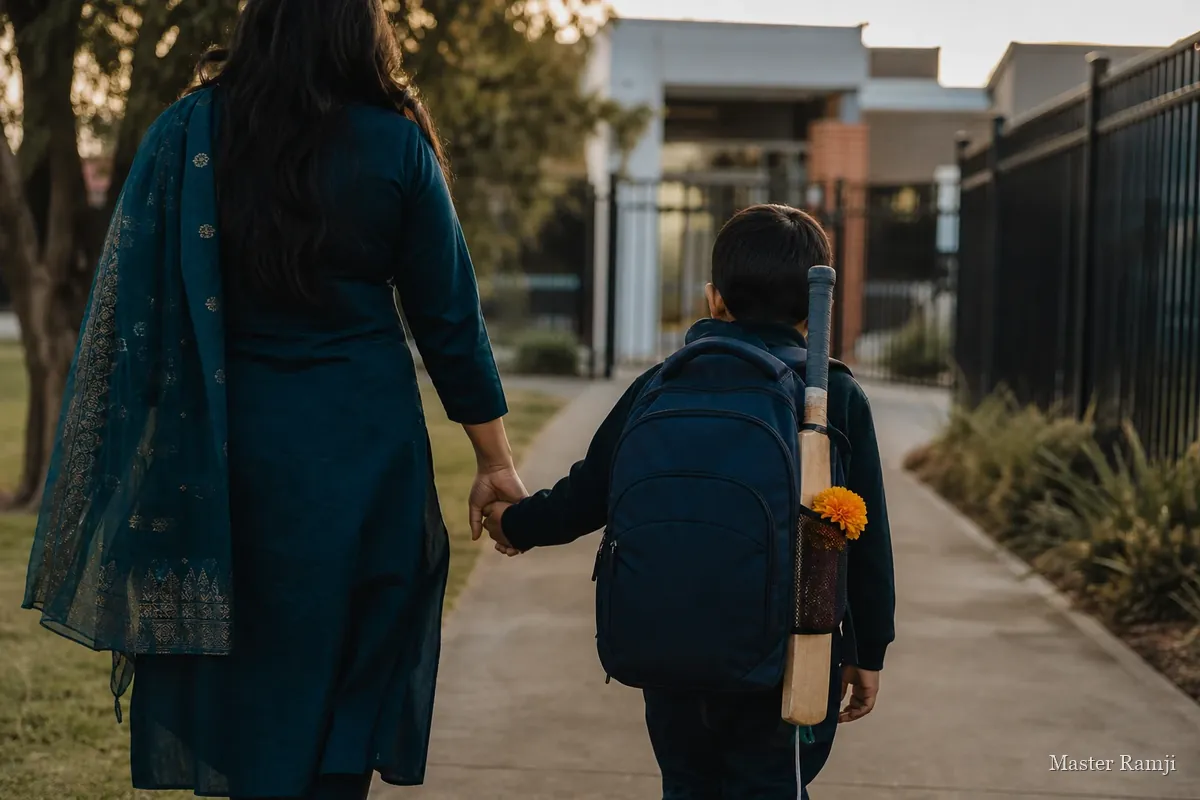
Raising Indian kids in Point Cook means fitting school friends, sport and family traditions into the same week. Choose the few traditions that matter most, keep them regular, and be flexible about the rest. Listen before you correct. It helps when children don't feel they must choose one world over the other.
Point Cook was mostly rural land until the mid-1990s, according to Victorian Places. Today it has its own schools, such as Carranballac, Lumen and Stella Maris, and many of the families at the gate came from somewhere else. ABS QuickStats from the 2021 census show 9,940 Point Cook residents born in India, and around one resident in five had a mother born there.
So your child is hardly alone here, and that helps. Still, being one of many Indian kids in Melbourne's west doesn't settle the daily questions. Can they go to the party during puja? Can they skip language class for the cricket final? This guide works through one ordinary week.
Key takeaways
- Pick a few traditions to keep without fail, and hold the rest loosely.
- Children often act differently at school and at home. That is usually a skill, not a betrayal.
- Language classes work better when the Saturday plan suits the whole family.
- Explain the reasons behind a tradition, and let your child ask hard questions about it.
Monday to Friday: what is your child dealing with at school?
From the school gate to the bus home, your child is learning how to belong. That can mean changing how they say their name, asking for a sandwich in place of the lunch you packed, or not mentioning a family fast. Parents can feel hurt by this. Most of the time, your child is simply working out how to fit in with friends, while still being yours.
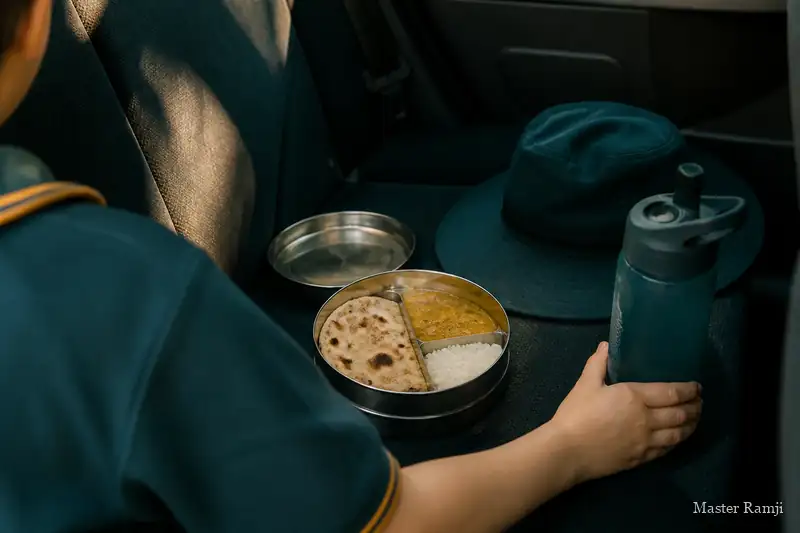
Try asking open questions at a calm time, such as in the car or over dinner. "Who did you sit with?" gets you further than "Why don't you want your dabba?" If they have been teased about food, skin colour, accent or religion, take it seriously. Thank them for telling you, then speak with the teacher together. Don't tell them to ignore it, and don't turn it into a lesson on how much better things are at home.
Plenty of Point Cook parents also commute, and Victorian Places mentions a notorious peak-hour bottleneck on Point Cook Road. If you get home late and tired, a full conversation may not be possible on a weeknight. Ten minutes of attention at bedtime can do more than an hour of interrogation on Sunday.
Midweek: how much tradition fits on a school night?
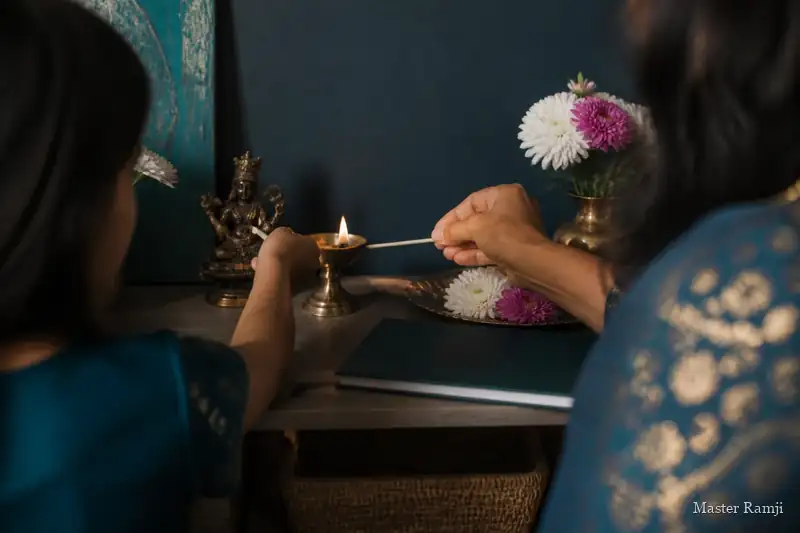
Not much, and that is fine. A family routine lasts when it is small enough to survive training, homework and shift work. You might try:
- Lighting a lamp together on one chosen evening, even for two minutes
- Using your home language at dinner, with no pressure to be perfect
- Cooking one family dish with your child, and telling them whose recipe it was
- Having a small shelf or corner they can help look after, as in this guide to setting up a small home mandir
The same goes for Sikh, Muslim, Christian and Jain families. Choose whatever carries your own tradition, and do it often enough that it feels normal to your child.
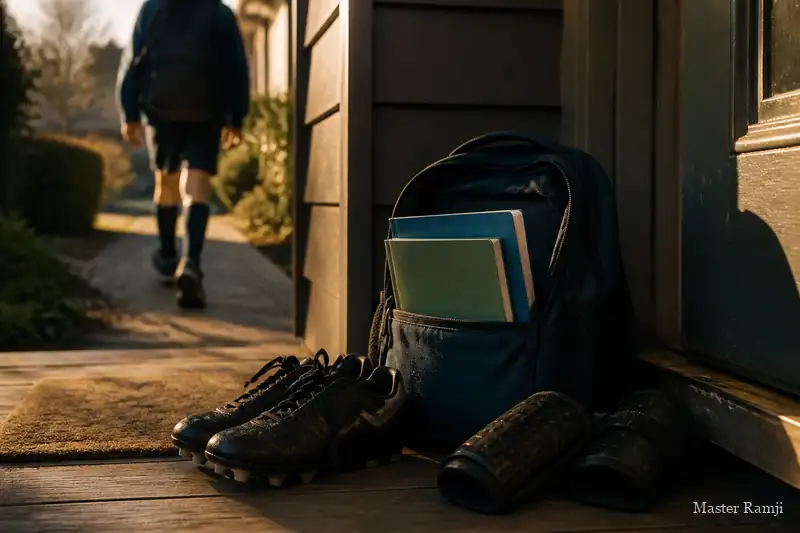
Saturday: language class or sport?
For many families, this is the real clash. The Victorian School of Languages says its centre classes run mostly on Saturday mornings. Its current list for Point Cook includes Tamil, Kannada and Mandarin, among others. Hindi is listed at nearby centres such as Werribee and Truganina, and Punjabi at Truganina. Lists change from year to year, so check with the school before you plan around them. Community and temple language classes are another option, and you can ask other parents what is running.
When classes clash with sport, try these questions:
- Why do you want the language? If your main goal is for your child to talk to grandparents, weekly video calls and more talk at home may do as much as a formal class.
- Can they have both for a season? A term off language class before the finals, with a firm agreement to come back, may work better than a year of arguments.
- Who is actually getting tired? A child who has no free time will begin to resent both. Point Cook Coastal Park, with its old homestead, is a good reason for a free Saturday with no agenda.
Sunday: parties, sleepovers and the temple
Birthday invitations can land on the same day as a family event, and sleepovers can worry parents who didn't grow up with them. Rules work better when you can give a reason. You might say, "We go to the temple together on this festival, but you can go to the party next month." Or you could meet the other parents, then decide. Bicultural parenting in Australia is often just this kind of small negotiation.
It helps to sort your family's expectations into three groups, and to share them with your child:
- Fixed. Things that matter deeply, such as one or two main festivals and respect for elders.
- Discussed. Things you can talk through, such as sleepovers, clothes and how often they come to the temple.
- Theirs. Things they get to decide, such as friends, music and which sports they love.
As children grow, more should move into the last group. Teenagers need a different conversation, and raising teenagers between two cultures covers it in more depth.
How do you share festivals with school friends?
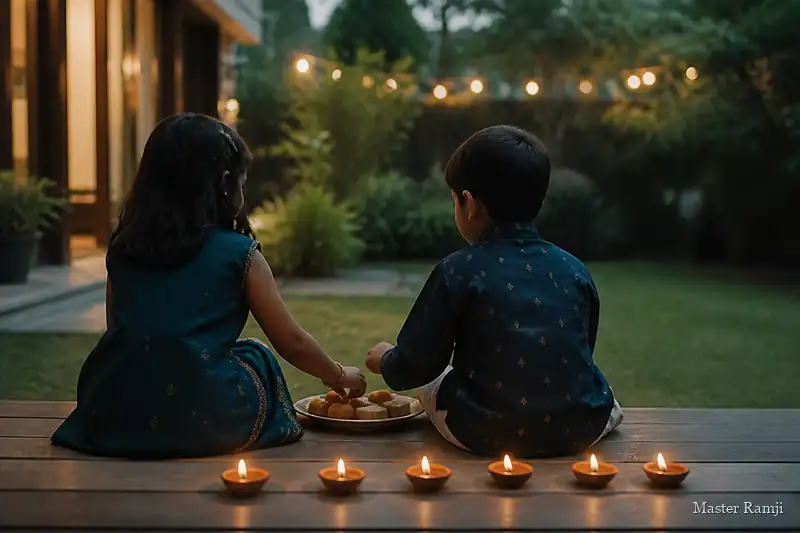
If your child is happy to, invite a friend to Diwali or Holi at home, or send sweets for the class if the school allows it. Ask the school early how it would like a festival absence to be handled. Don't make your child the spokesperson for all of India. They are allowed to say, "I don't know, ask my mum."
Point Cook families can also find common ground locally. Wyndham City runs the Point Cook library on Cheetham Street and lists programs for children on its website. Shared activities like these let your child make friends from many backgrounds, not only their own.
When should you worry?
Some pushback is healthy. But if your child seems ashamed of who they are, avoids school, stops seeing friends, or their sleep and mood change for more than a little while, talk to their teacher or school wellbeing staff and see a GP. If grades are part of the pressure, read about school pressure and what parents can do. Young people can call Kids Helpline at any hour on 1800 55 1800 (ages 5 to 25, free).
Where does a chart fit?
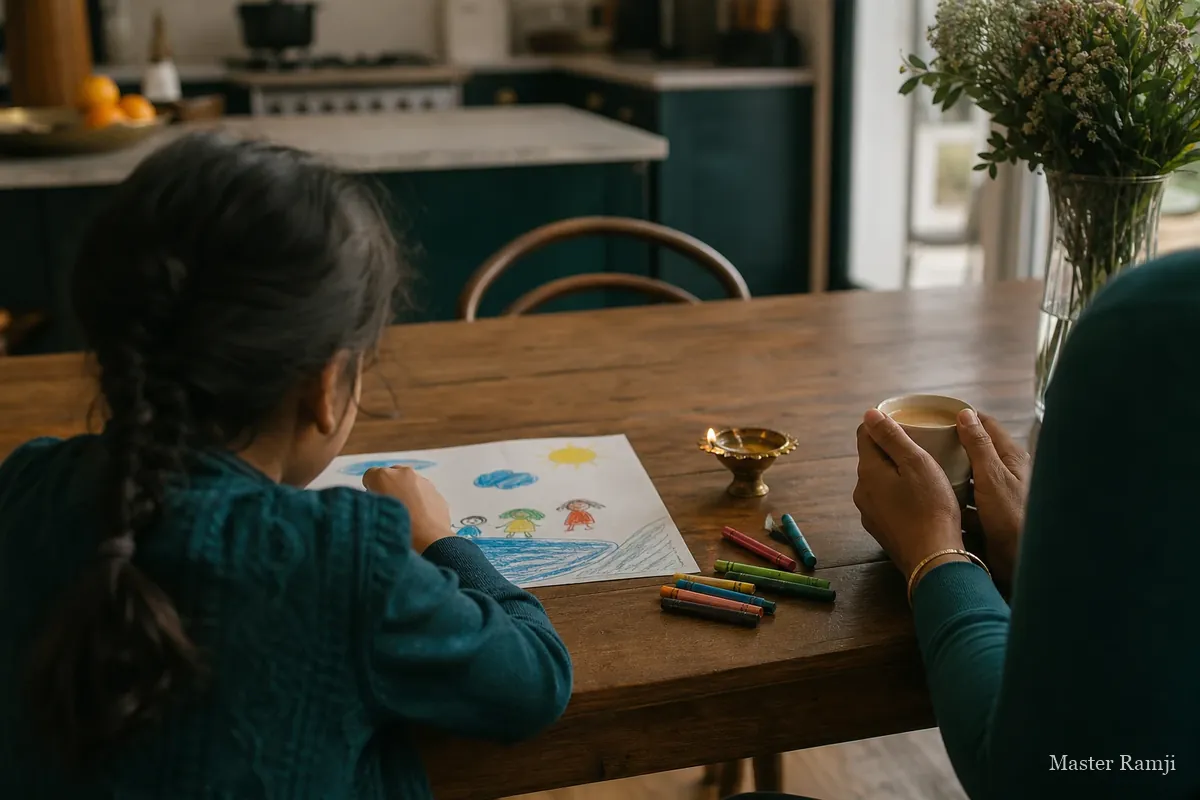
For some families, a child's chart is part of the culture they want to pass on. In the Vedic tradition, a parent and child chart reading is a way to reflect on temperament and on how you relate to each other. It is a tradition, not a science, and it can't diagnose your child, predict their marks or decide their future. Please read reading a child's chart without labelling them first.
The conversation is really about you as a parent: what you carry from your own childhood, and what you want to pass on. Sessions can be held by phone, WhatsApp or video, which helps around school runs and sport. You can read more about our work in Melbourne's west or get in touch.
Related service
Keep reading
Griha Pravesh in a New Wollert Home
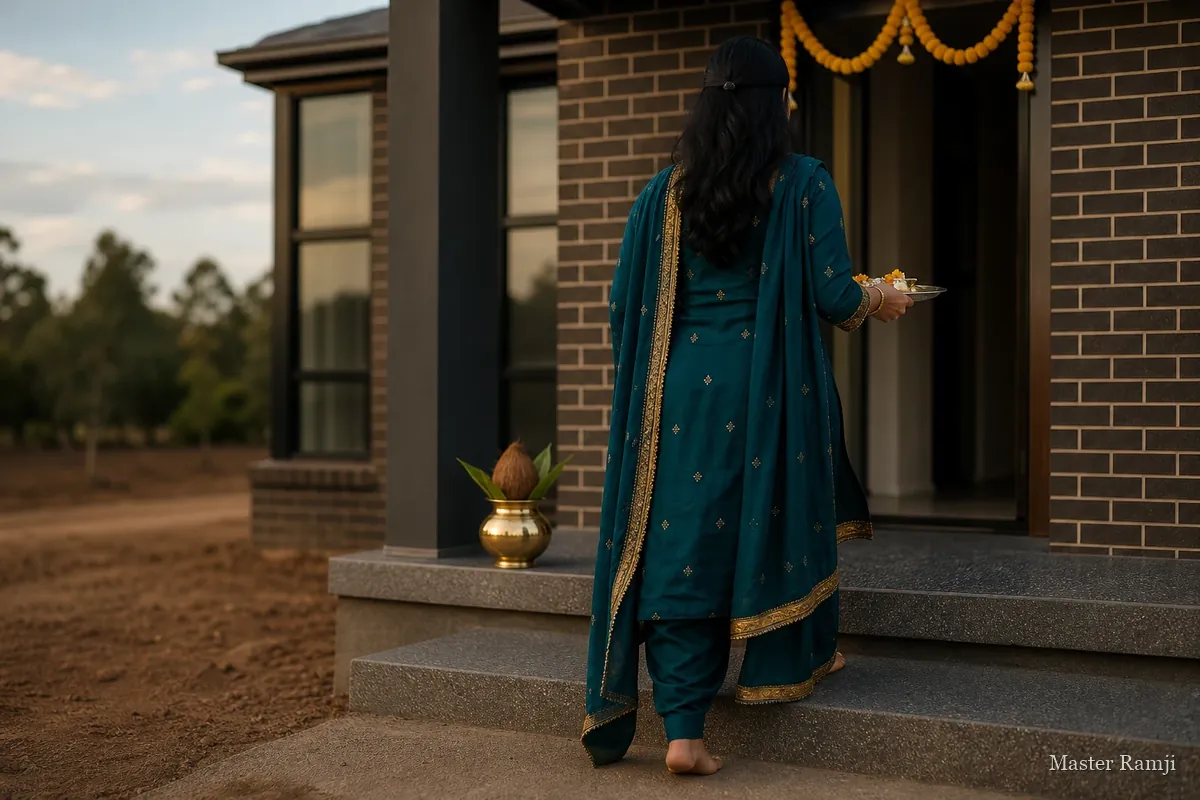
Planning griha pravesh in Wollert with no fence, lawn or driveway yet? How to handle the threshold, open boundaries, building sites nearby and fire safety.
Read article →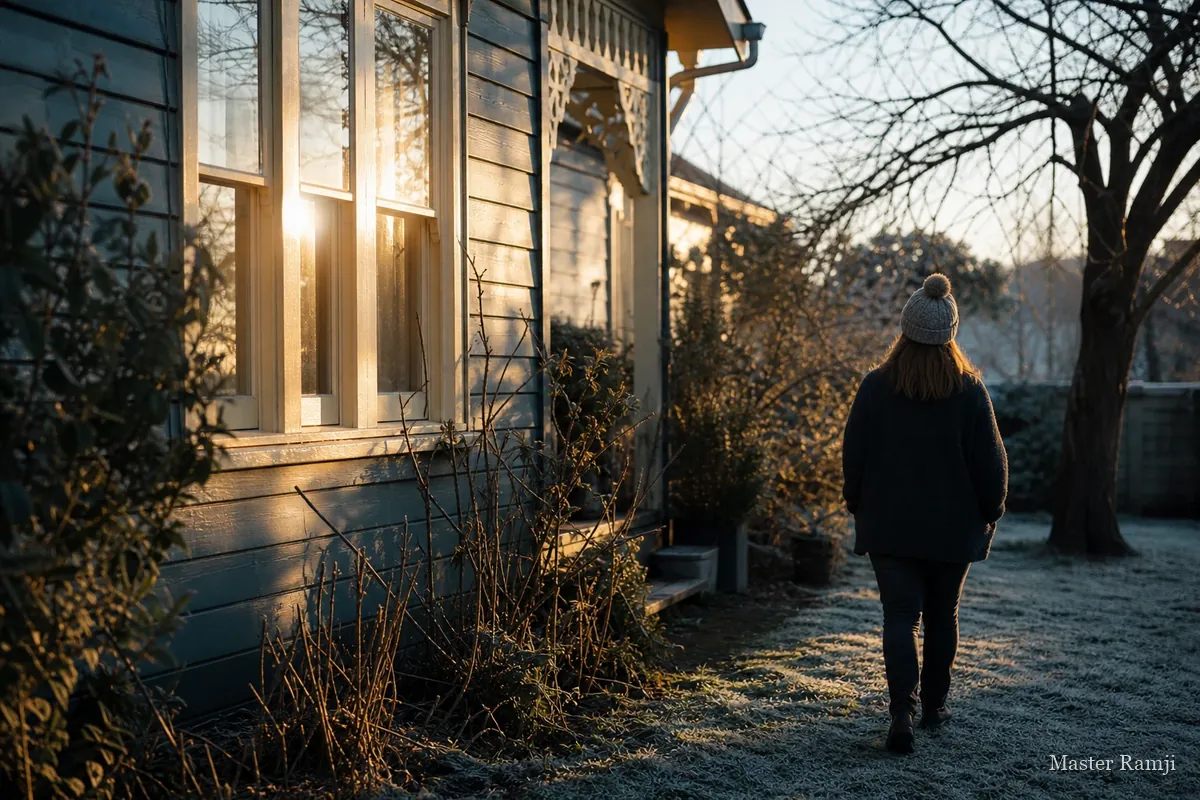
Vastu and Cold Winters in Ballarat
Ballarat winters are cold and cloudy. Why vastu advice written for India needs adjusting here, and how to balance tradition with sun, warmth and safe heating.
Read article →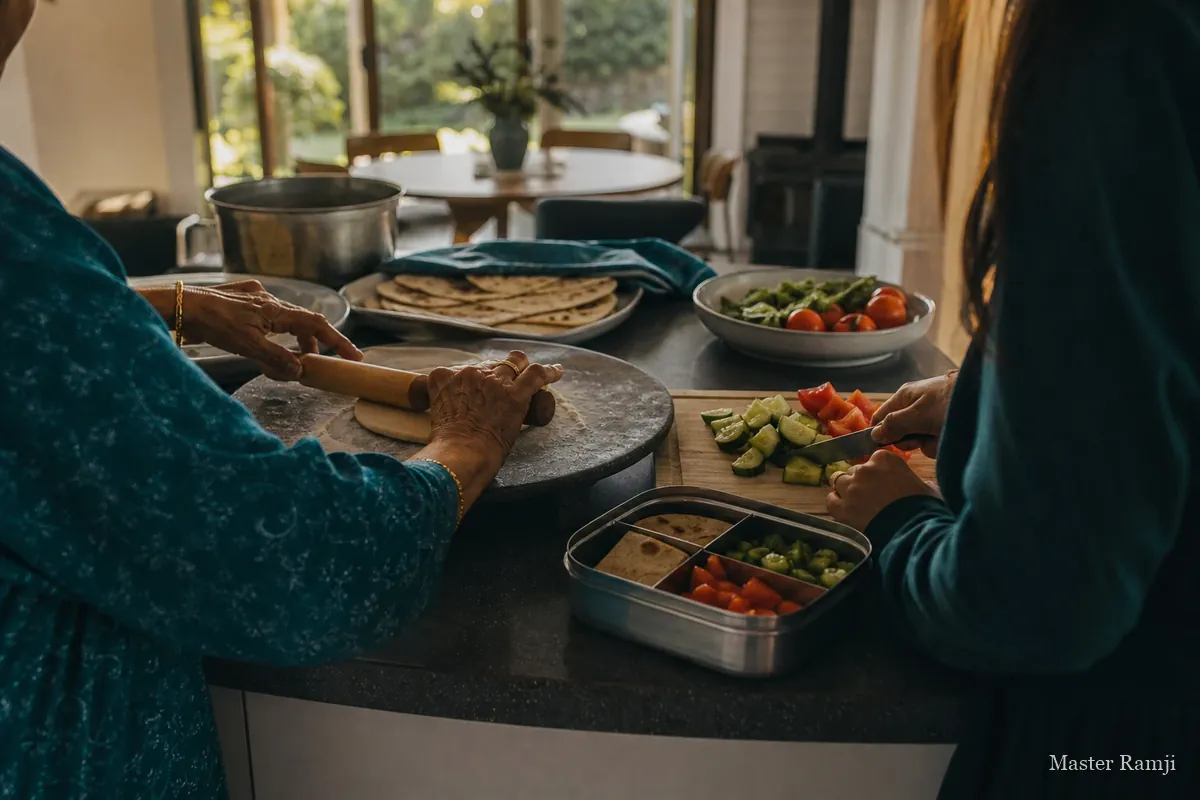
Sharing a Small Home in Noble Park
Family tension in a small house often comes down to space and privacy. Practical ideas for multigenerational living in Noble Park, and when to seek outside help.
Read article →More from Melbourne's Western Suburbs
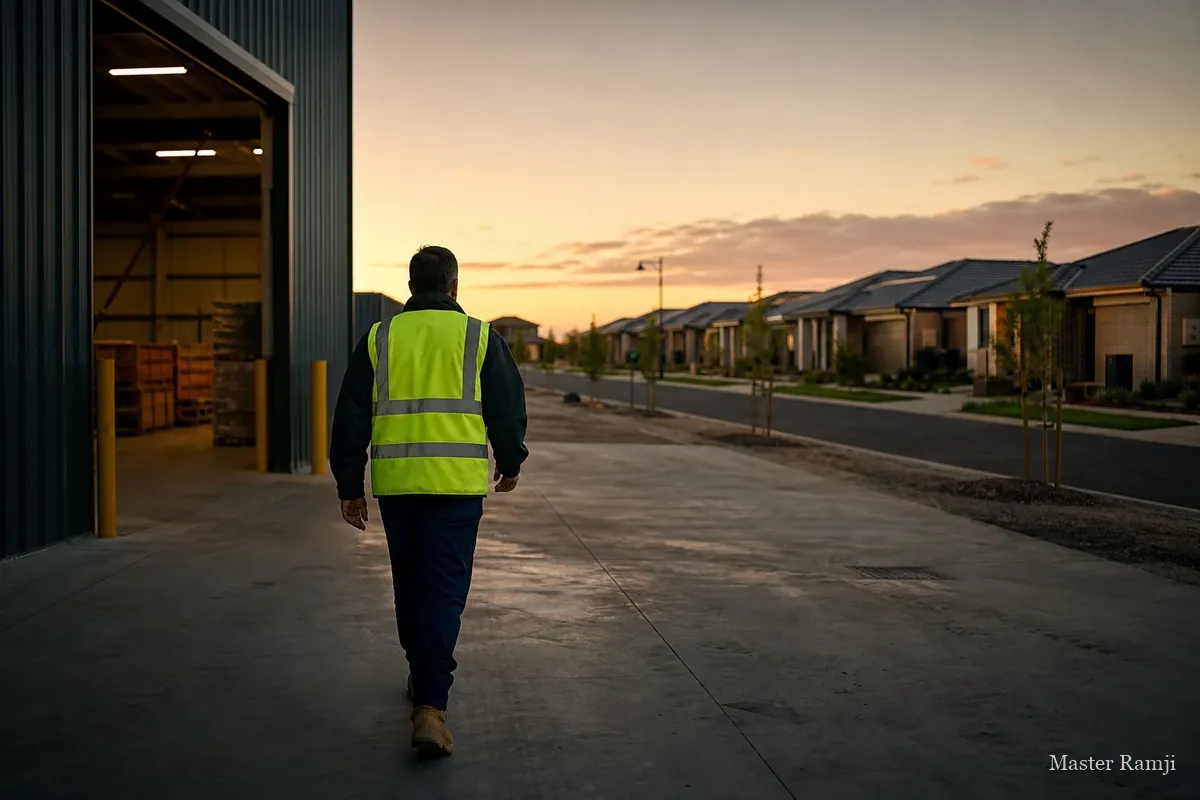
Warehouse Shift Work in Truganina: Is It Time for a Change?
Thinking of leaving a warehouse job in Truganina? Weigh pay, sleep, notice and retraining first, then see where a reflective chart reading might fit in.
Read article →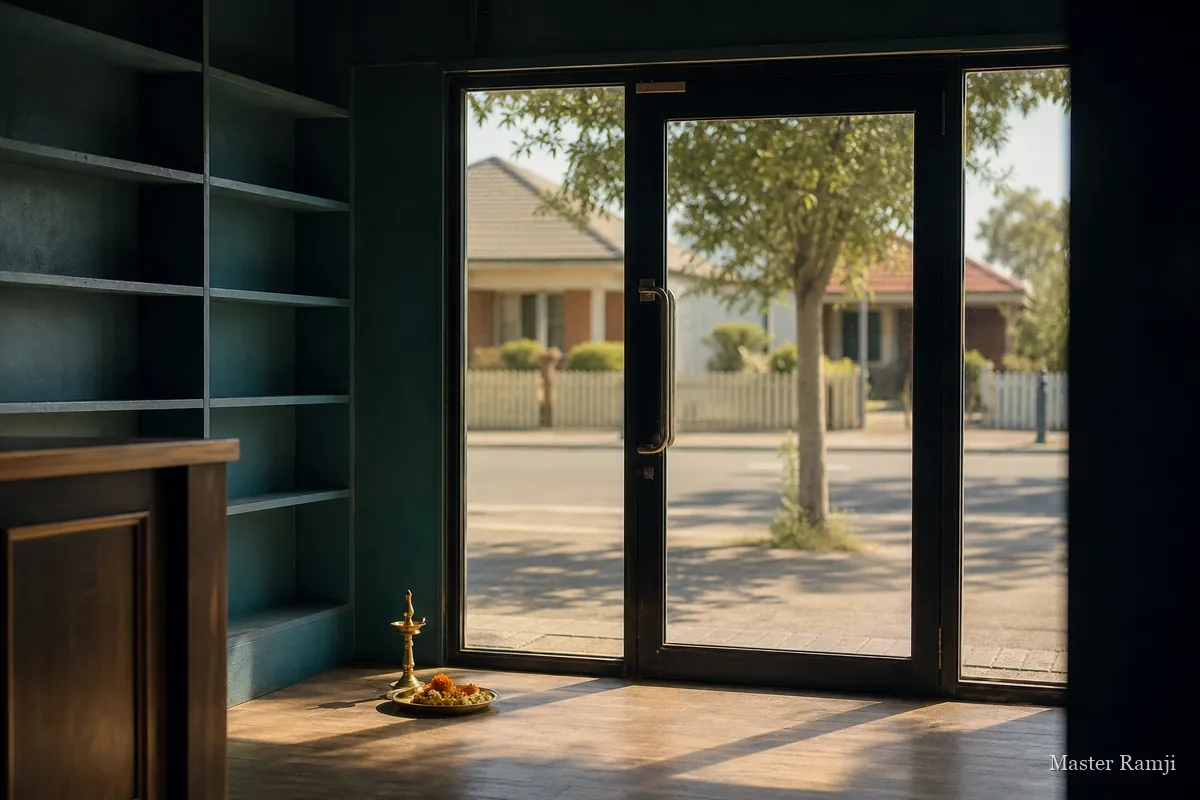
Opening a Shop in Footscray: Choosing Your Date
Choosing a shop opening date in Footscray? Check Maribyrnong council permits and your lease first, then find a muhurat that fits the dates you can't move.
Read article →
Dating Across Cultures in Melbourne's West
Dating someone from another culture in Footscray or Melbourne's west? How to read family expectations, when to tell parents, and what a chart can and can't add.
Read article →Local pages
Astrologer for Footscray
Live in Footscray? Vijay Ramji is based in Ascot Vale, with sessions by phone, WhatsApp or video. Questions that fit apartments, study, shops and mixed families.
View area →
Astrologer for Sunshine
In Sunshine, Victoria? Vijay Ramji is based in Ascot Vale, with sessions by phone, WhatsApp or video. Questions about older homes, changing work and family.
View area →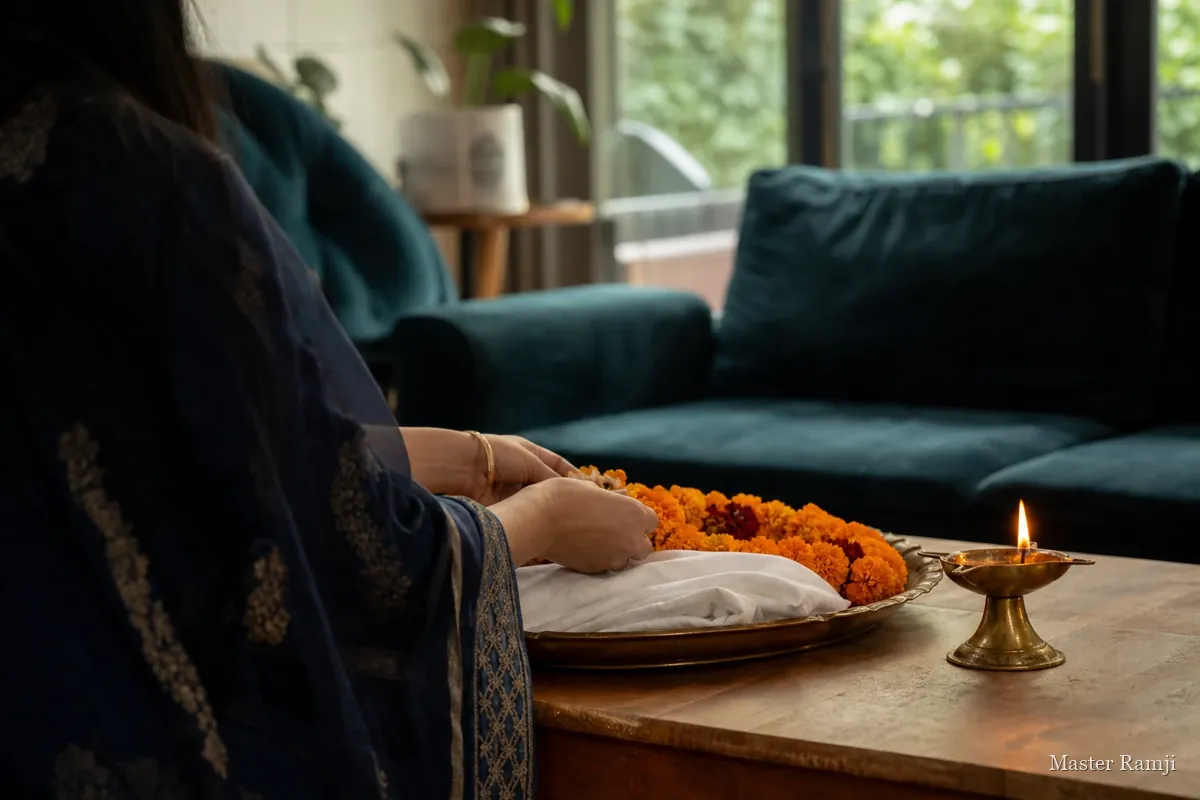
Astrologer for Werribee
Live in Werribee? Vijay Ramji is based in Ascot Vale, with kundli readings by phone, WhatsApp or video. Questions for long-settled families and new arrivals.
View area →Quick answers
Should parents get a child's chart read?
A child's chart can be read with care, as a way to reflect on temperament. Here is when it may help, what to avoid, and who to see about real concerns.
Read answer →What is vastu shastra?
Vastu shastra is a traditional Hindu system of home and building design based on direction and layout. Here is what it covers and what it can't claim.
Read answer →Talk to Vijay Ramji
Tell us what you are facing. If a reading is unlikely to help, you will be told that plainly.