
Should parents get a child's chart read?
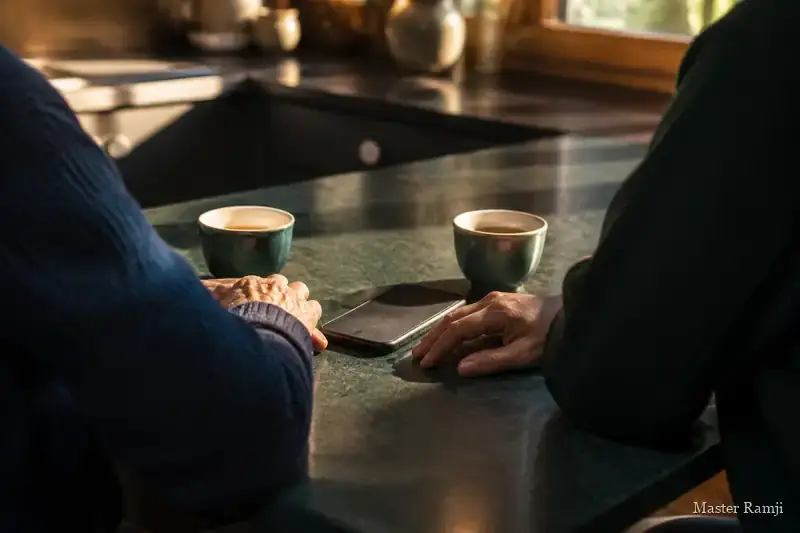
Parents can get a child's chart read, as long as it is treated as a prompt for reflecting on temperament and how you relate. It should never become a label. A chart can't predict a child's marks, health or future, so avoid any reading that tells you what your child will become.
Children tend to take in what they hear about themselves, especially from adults they trust. A remark like "the chart says she's stubborn" can stay with a child long after the reading is forgotten. Keep the details to yourself where you can, and describe your child by what you actually see.
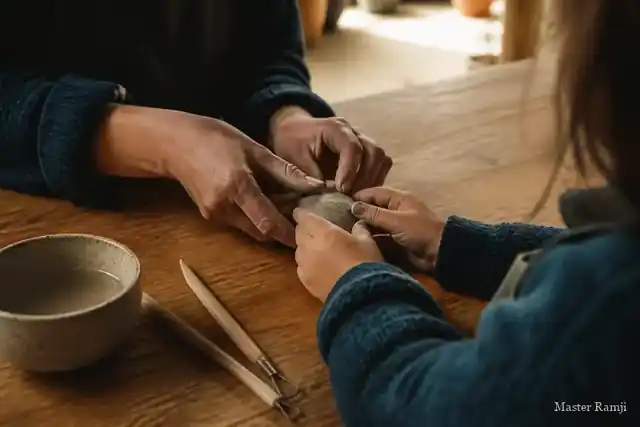
Before you book, decide what you want from it. A useful question sounds like "how might I listen better?" Step away if a reader:
- predicts illness, poor marks, a bad marriage or an early death
- says your child is unlucky or harmful to the family
- pressures you into a costly remedy on your child's behalf
- tells you to change schooling or treatment because of the chart
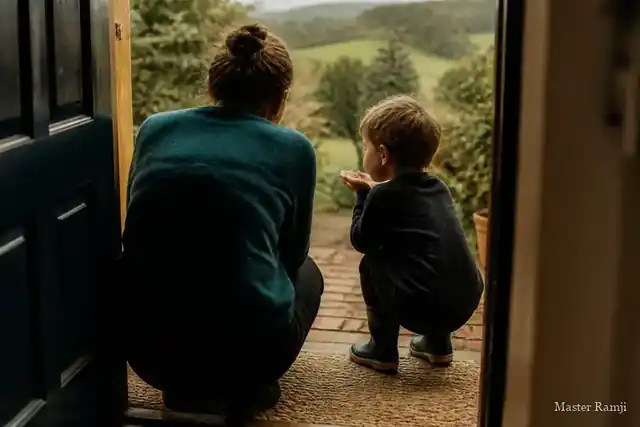
A chart doesn't replace the people who can help. If you're worried about your child's development, mood, learning or safety, talk to your GP or school, or call healthdirect on 1800 022 222. Young people can also call Kids Helpline on 1800 55 1800.
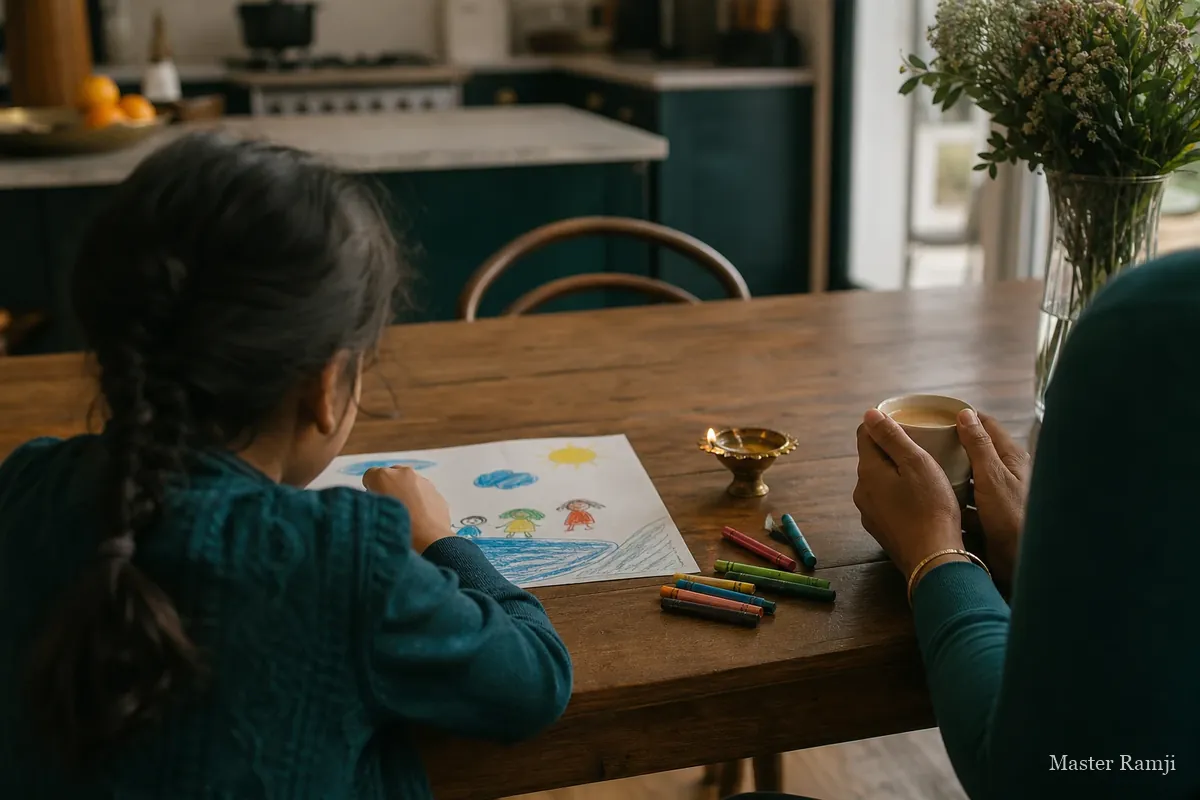
Our article on reading a child's chart without labelling them goes further. A parent and child reading stays with temperament and how you relate, and makes no predictions about your child's future.
Related service
Read more
More quick answers
Is a south-facing home bad in vastu?
A south-facing home isn't automatically bad in vastu. Here is where the fear comes from, why Australia's sun changes the picture, and what to check instead.
Read answer →What is vastu shastra?
Vastu shastra is a traditional Hindu system of home and building design based on direction and layout. Here is what it covers and what it can't claim.
Read answer →Talk to Vijay Ramji
Tell us what you are facing. If a reading is unlikely to help, you will be told that plainly.