
Sharing a Small Home in Noble Park
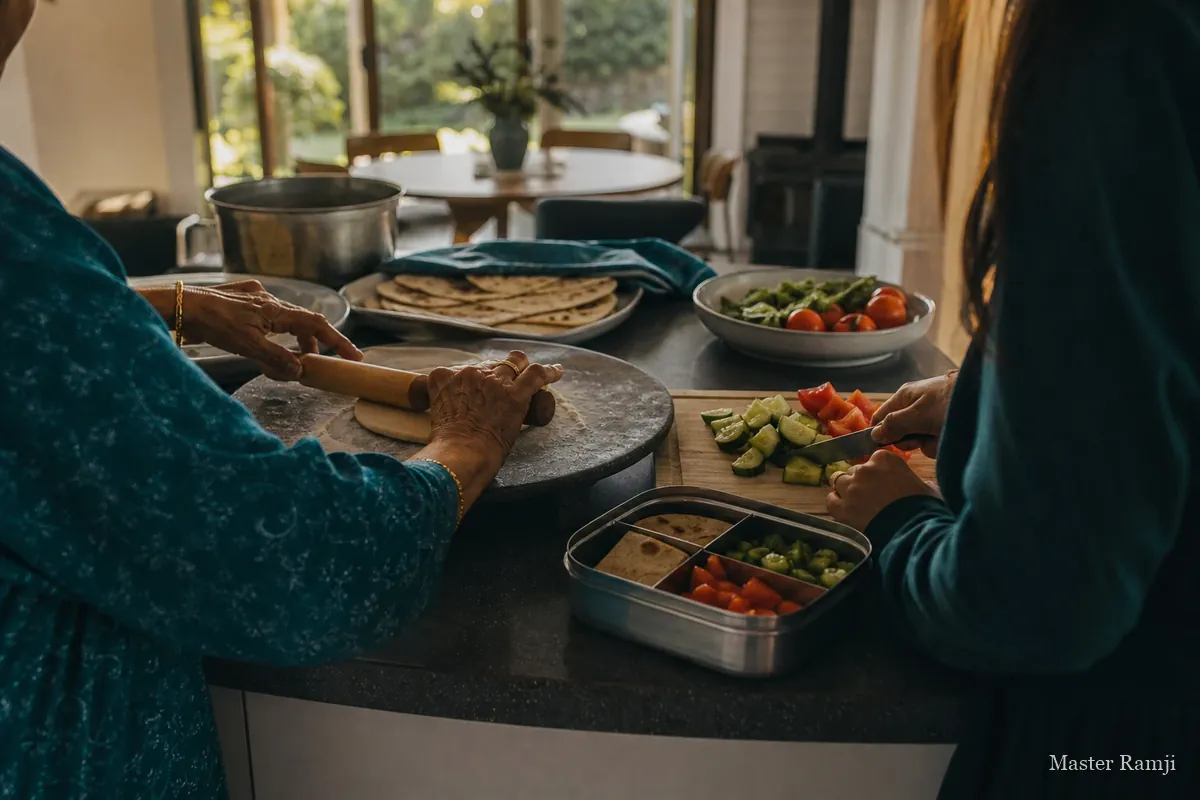
In a small Noble Park home, family tension often comes from a shortage of space and privacy, not from a shortage of love. Map who needs what and when, agree a few clear rules, and use nearby community spaces. If anyone feels unsafe or controlled, seek proper support straight away.
Noble Park is a mainly residential suburb about 25 km south-east of central Melbourne, and much of its housing grew quickly in the late 1950s and 1960s. Many of those homes were not planned with grandparents, adult children and a home office in mind. The 2021 Census recorded an average of 2.7 people per household here. That is only an average. It says nothing about how it feels when six people share one bathroom before school.
Sharing a home across generations can bring real gifts, including help with the kids, company for elders and lower costs. It can also leave everyone feeling they are never alone and never quite heard. This article looks at the most practical part of that problem: space and privacy.
Key takeaways
- Many family fights in small homes are really about noise, timing and privacy.
- A few written agreements can do more than one big family talk.
- Places close to home can act as your "extra rooms".
- Tension is normal. Fear, control and violence are not, and they call for outside help.
Why does a small house make family tension worse?
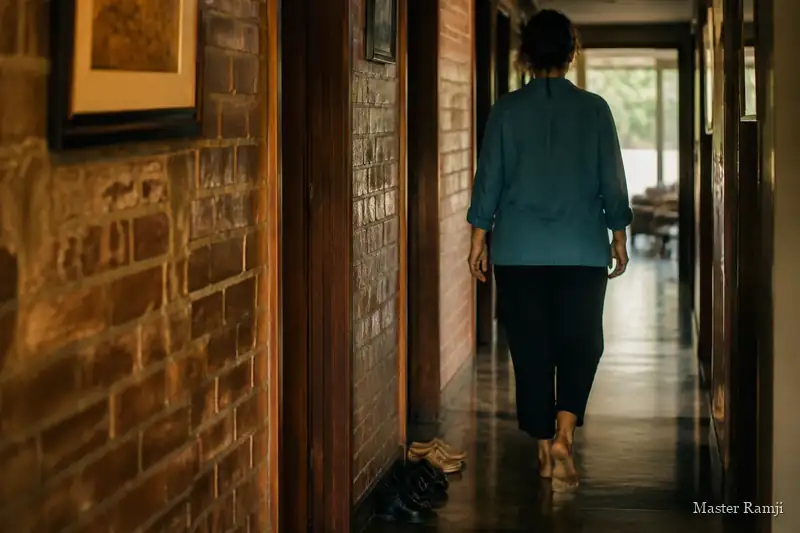
Close quarters take away the small breaks that let people cool down. You can't go to another room if there isn't one. A disagreement over dinner carries on over the dishes, then through the wall at night. People also lose small things they took for granted: a private phone call, a closed door, a moment to be upset without someone asking why.
When parents or in-laws have moved from overseas, there is more going on. They may have run their own home for decades and now find themselves a guest in yours. Your partner may feel watched. Your teenager may have no space that is really theirs. None of this means your family is failing. It often means the house is doing a job it wasn't built for.
How do you work out what each person actually needs?
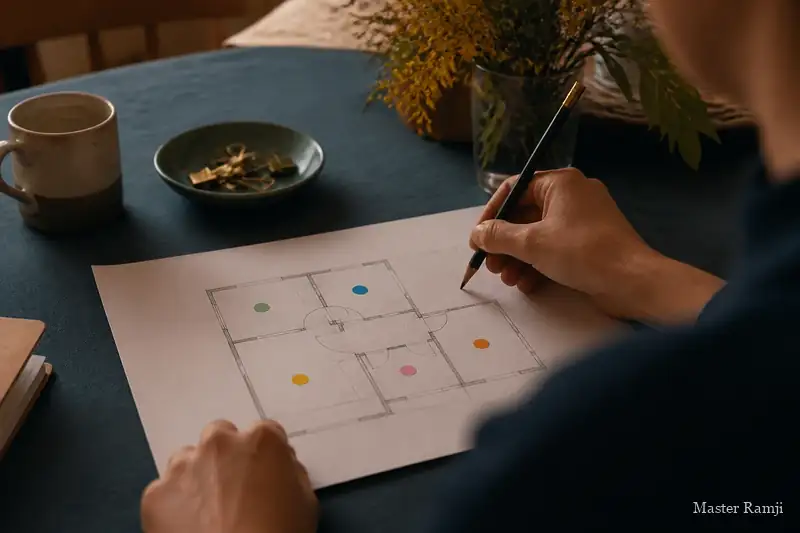
Try this before you hold any family meeting. Draw your floor plan on paper, then list the week beside it. Note who is home and when, who works nights, who has exams and who needs to sleep. In most homes, a few hot spots will show up:
- The bathroom in the morning rush
- The kitchen at dinner, particularly if two generations cook differently
- The living room, where one person's TV is another person's study time
- The shared wall between a couple's room and a parent's or child's room
Then ask each person one simple question: "What is one thing that would make your day easier here?" Hear the answers without arguing. Elders may ask for a quiet morning, while teenagers may ask people to knock. These are small requests, and they tell you where to start.
What small changes help the most?
- A roster for hot spots. Write down bathroom and kitchen times on the fridge. It takes the personal edge out of it.
- A knock rule. A closed door means knock and wait, for everyone, including elders and children.
- A kitchen agreement. Decide who cooks on which days, and agree that the cook gets the final say that day.
- A quiet time. Set an hour each evening for study or rest. Phone calls to relatives overseas can move to the bedroom or outside, as time zones allow.
- A private time for each couple. Grandparents and parents both need it. A regular walk counts.
- One money conversation. Agree who pays for what, and write it down. Unspoken money worries can feed many other fights.
Try one or two changes for a fortnight, then review them. If you try to rework the whole household at once, it probably won't stick.
Where can you find extra room in Noble Park?
When the house is full, the suburb can help. The City of Greater Dandenong's Noble Park revitalisation page lists community places such as the Paddy O'Donoghue Community Centre, Noble Park Aquatic Centre and the Frank Street Open Space. The council describes the Paddy O'Donoghue Centre, on the site of the old public hall, as having child care, a kindergarten, maternal health services and multipurpose recreational spaces.
Nearby Ross Reserve on Memorial Drive has a playground, picnic areas and fitness equipment. A daily walk there, or along the shops on Douglas Street by the station, can give an older parent some independence and give everyone else an hour of quiet. Check directly with the council or the venue for current programs and times.

Could you add space on your block?
Some families look at a second small home in the backyard. Greater Dandenong's small second dwelling page says a planning permit often isn't needed, but exceptions apply, such as blocks under 300 square metres and land with certain overlays or title restrictions. A building permit is always required. The council page gives a floor limit of 60 square metres, while the state planning department says Amendment VC282 raised the limit to 80 square metres in September 2025, so confirm the current rule with the council before you spend anything.
Talk through the family side as well as the building side. Who would live there as they age? What happens to it if the family's plans change? Get independent legal and financial advice if parents are putting money into your property. If you rent, none of this may apply, so focus on the agreements above.
Can vastu or a reading help a crowded house?
Some families find meaning in simple touches, such as a clean shared entrance, a small prayer corner that everyone respects, or a tidy centre of the home. These may help people feel more settled, but they are traditions and they can't settle an argument. Don't renovate or move anyone out of a room because of a directional rule. Vastu for homes covers this in more detail if it matters to your family.
Family harmony guidance is a confidential conversation about the pressures in your house, using the chart as one way to reflect. It can't change anyone else's behaviour, and nobody should promise to. For hands-on help, Relationships Australia Victoria is a good place to ask about family counselling. You may also like a plan for extended family arguments and looking after elderly parents at home.
When is it more than tension?
Everyone snaps sometimes in a crowded house. But please seek help if someone is being threatened, hit, shamed or kept from money, documents, phones or friends. That includes older relatives, and it includes pressure over visas. It is not your culture's fault, and it is not something a ritual can fix.
1800RESPECT is available on 1800 737 732. Young people can call Kids Helpline on 1800 55 1800. Lifeline is on 13 11 14, and healthdirect on 1800 022 222 can direct you to care. Call Triple Zero (000) if anyone is in immediate danger.
How can you talk this through?
Vijay Ramji is based in Ascot Vale and works with families across Melbourne's south-east. Appointments are arranged in advance, and sessions can be held by phone, WhatsApp or video, so you can pick a time when the house is quiet. What you share is confidential. If you would like to talk, get in touch.
Related service

Keep reading
Vastu in Cranbourne Estates: What to Prioritise
Living in a Cranbourne estate? How to choose the two or three vastu changes worth making, what can wait, and what to check before you alter the house or block.
Read article →
Planning a Namkaran in Caroline Springs
Planning a namkaran in Caroline Springs? Home or hired hall, what City of Melton rooms allow, keeping your baby safe, and registering the legal name.
Read article →
Your Child's Temperament: A Guide for Berwick Parents
A gentle guide for Berwick parents: what a child's birth star can't tell you about temperament, why labels hurt, and why teachers' observations count for more.
Read article →More from Melbourne's South-East
Vastu in Cranbourne Estates: What to Prioritise
Living in a Cranbourne estate? How to choose the two or three vastu changes worth making, what can wait, and what to check before you alter the house or block.
Read article →
Family Worries About Mangal Dosha in Cranbourne
A Mangal dosha result has upset your family in Cranbourne? How to check it properly, keep the talk calm, and decide together without fear or a rushed ritual.
Read article →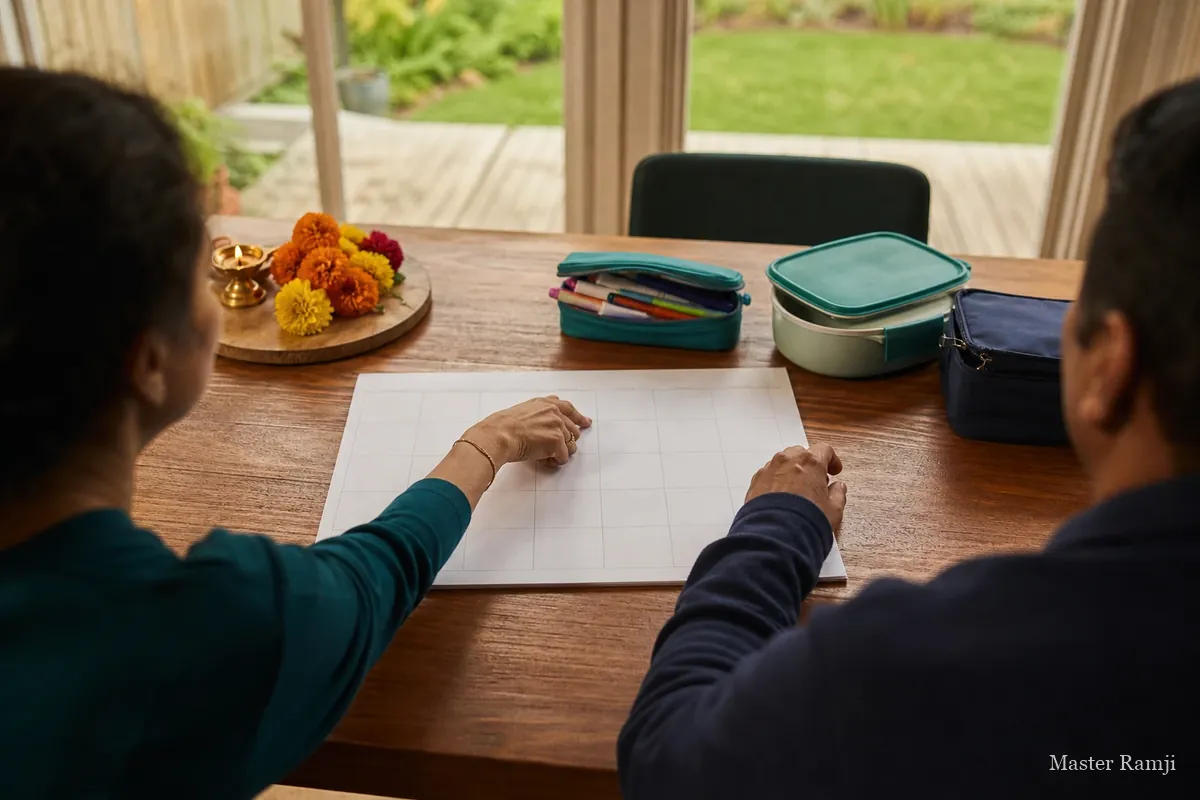
Planning Your Year With a Varshphal: A Berwick Family Guide
A Berwick family guide to using a varshphal yearly forecast beside school terms and work rosters, with consent, sensible limits and a simple planning method.
Read article →Local pages
Astrologer for Dandenong
For Dandenong traders and new arrivals: shop timing, vastu for premises, and how to check any spiritual adviser. Sessions by phone, WhatsApp or video.
View area →
Astrologer for Clayton
For Clayton students and graduates dealing with family pressure, relationships and first jobs. Vedic astrology by phone, WhatsApp or video, from Ascot Vale.
View area →Quick answers
What is vastu shastra?
Vastu shastra is a traditional Hindu system of home and building design based on direction and layout. Here is what it covers and what it can't claim.
Read answer →Can vastu be applied in a rental?
Yes, vastu can be applied in a rental if you stick to reversible changes. Here is what to try first and what Victorian renters should check.
Read answer →Talk to Vijay Ramji
Tell us what you are facing. If a reading is unlikely to help, you will be told that plainly.