
Griha Pravesh in a New Wollert Home
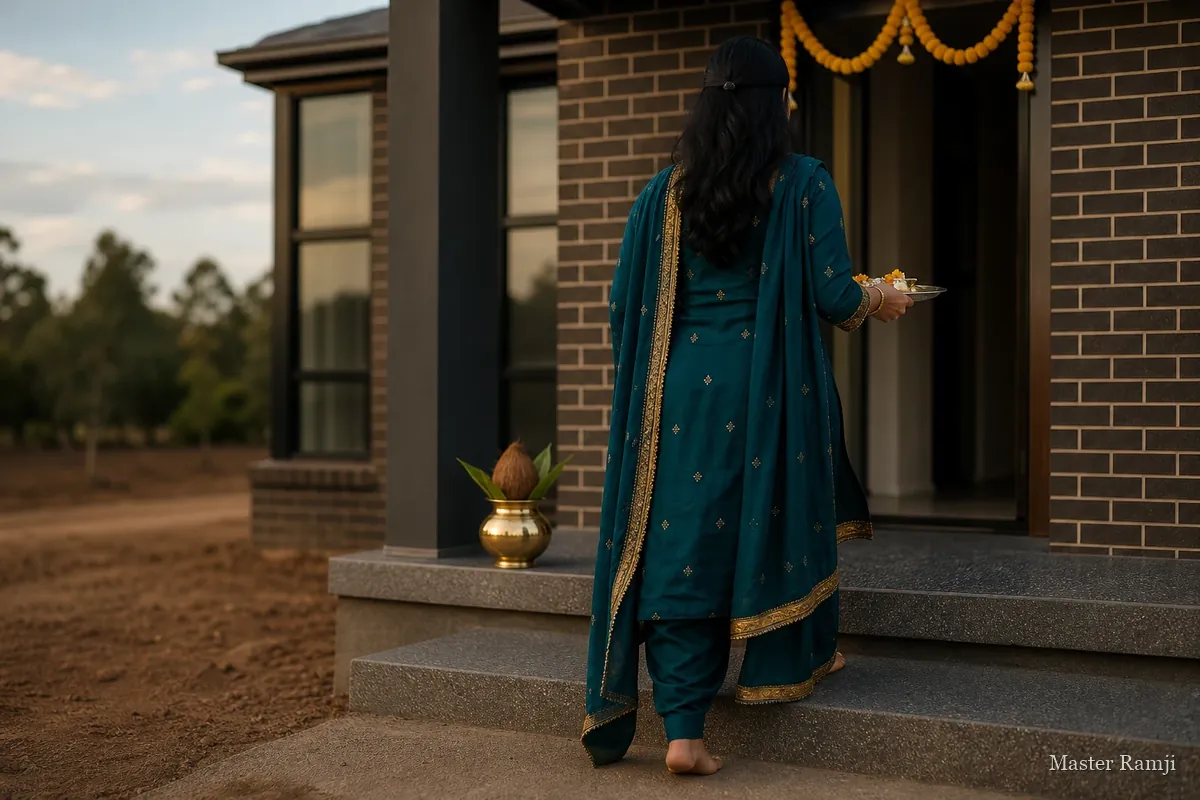
A griha pravesh in Wollert doesn't usually have to wait for fences or a finished garden. Many families go ahead once the home can lawfully be occupied and has a safe, usable entry. Traditions differ, so check with your priest and elders, and keep any flame small and well away from dry grass.
For generations, Wollert was farming country. Victorian Places records dairy farming until the 1960s and a small village strung along Epping Road, about 25 km from central Melbourne. Now residential estates are replacing the paddocks, as the city creeps north from Epping.
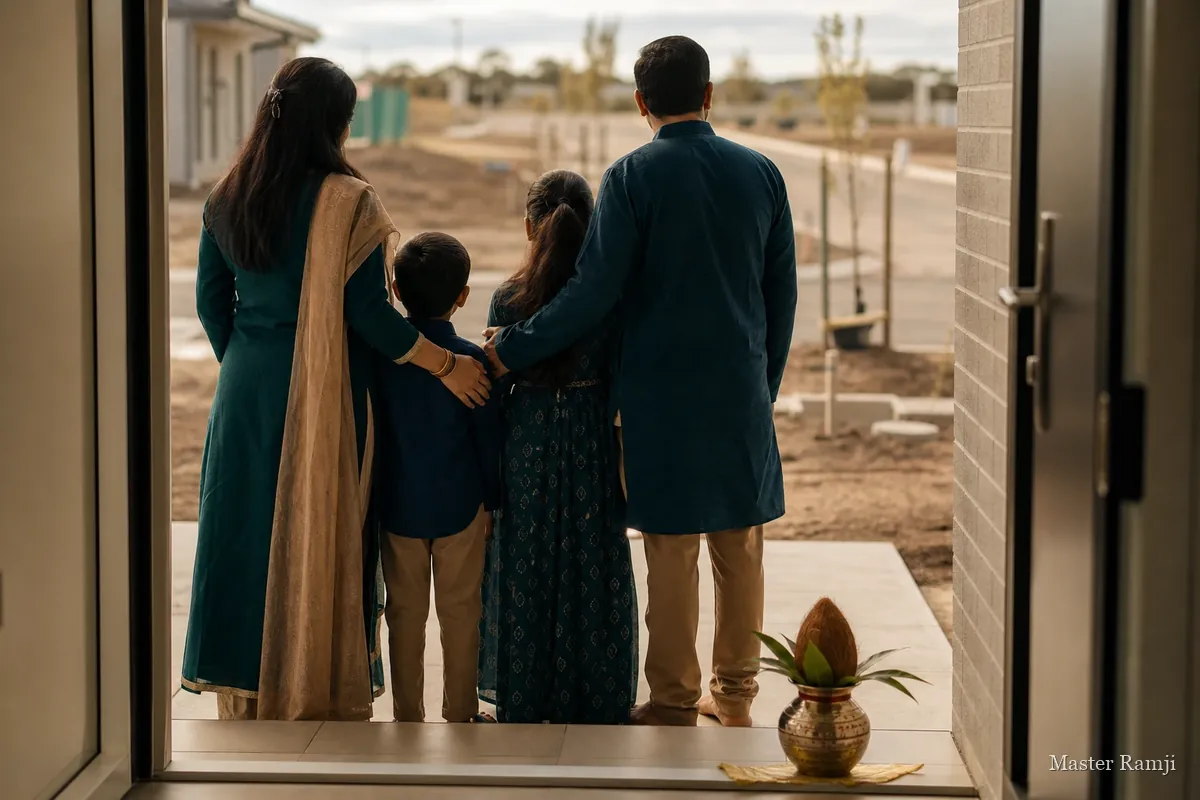
That leaves many families with a very particular picture. The house is new and the keys are in your hand, yet the yard is bare clay, the driveway is unpoured and there's no fence on one side. If you're planning griha pravesh in Wollert in those conditions, this guide covers what to do first, what can wait and how to keep the day safe.
Key takeaways
- Fences and lawns rarely decide the date. Permission to occupy and your family's tradition matter more.
- Plan around what's really on your block: mud, no path, open boundaries and building sites next door.
- You can mark the fence or first garden later with a small family prayer.
- Any flame near dry grass needs extra care, so check the fire danger first.
Can you hold the rite before the yard is finished?
In many families, yes. Priests commonly ask whether the roof and doors are on and whether the home is ready to live in. Few would treat a missing lawn as a problem. Still, customs vary. Some families prefer to wait until everything is complete, and that's a fine choice as well. Ask your elders what your side of the family has always done.
Some vastu readers value a clear boundary around a home, and vastu guidance for your home can cover that separately. It's a preference within a belief system. An unfinished fence isn't a bad omen, and nobody should use one to frighten you into paying for extra rituals.
What has to be ready first?
Start with the paperwork, not the panchang. In Victoria, a new home generally needs an occupancy permit or certificate of final inspection before you move in. Your building permit says which one applies. Ask your builder or building surveyor, as we can't give legal advice. Until handover, the site is usually still the builder's, so a ceremony inside it may not be allowed even if the house looks done.
Then check the basics. You'll want power, water, working smoke alarms and a door that locks. A kitchen where you can boil milk helps too, if that's part of your family's rite.
How do you choose a date when handover keeps moving?
Handover dates in growing estates can shift with weather and trades. Instead of asking for one perfect moment, ask for several options across a few weeks. A griha pravesh timing reading can rank them. Many traditions treat first entry into a new house, often called apurva, differently from moving into an older one. Have the times worked out for Melbourne using local sunrise. Our practical griha pravesh guide covers the wider tradition.
What do you do about a threshold with no path?
The entry is where an unfinished block shows most. A few simple steps help:
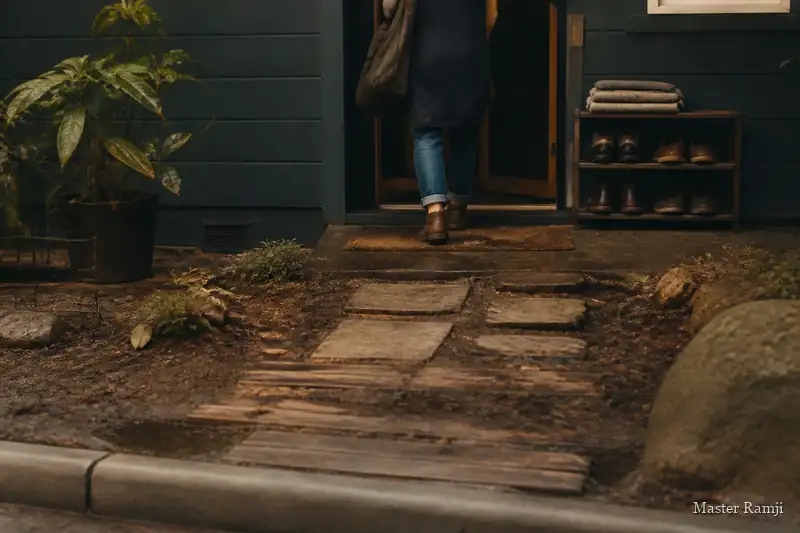
- Make a dry way in. Lay pavers or boards from the kerb to the door a day or two ahead, so that elders and anyone carrying the kalash aren't crossing mud.
- Plan for rain. Clay gets slippery fast. Keep a mat and old towels at the door, and have a place for shoes that isn't in the mud.
- Help older guests. A new step with no rail can be awkward, so have someone walk beside them.
- Protect new surfaces. If you make a rangoli or kolam, test a small patch of the porch first or use a removable mat. Hang a toran from removable hooks instead of drilling a new door frame.
What about a missing fence?
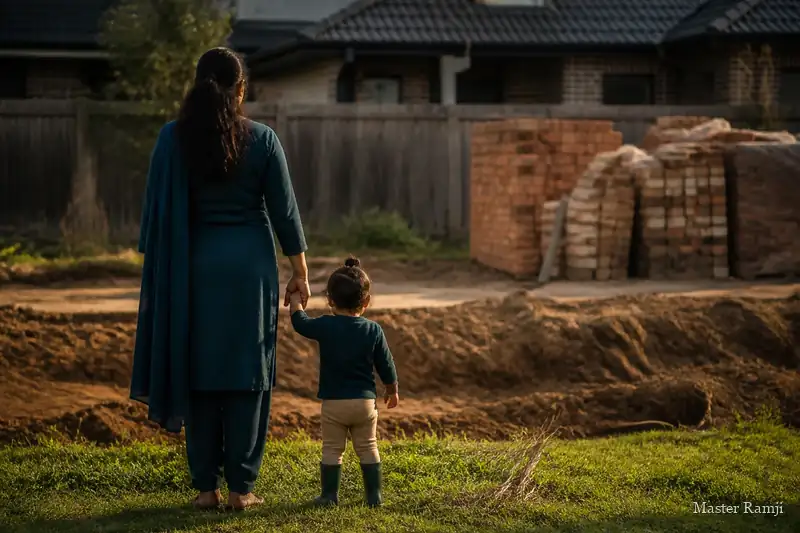
An open boundary is mostly a question of safety and manners. Introduce yourself to the people next door if they've moved in, and tell them when guests will be around. Watch young children and pets, as there may be a trench, a stack of bricks or a road right beside the yard.
Don't try to solve the fence as part of the ceremony. The Victorian Government's fencing guide says costs for a dividing fence are generally shared and suggests talking first, which you may want to do over tea on a calmer day. Your estate may also have design guidelines covering fences and front gardens, sometimes with deadlines, so read yours. In the City of Whittlesea, a fence or gate on council land needs a separate permit.
How do building sites and new streets affect the day?
- Trucks and trades. A quiet morning muhurat may coincide with a concrete pour next door. Ask the site supervisor nearby about their plans, and be polite if work goes ahead.
- Getting there. New streets may not yet show on every map. Send guests a map pin, and put a clear sign at your turn-off.
- Parking. Unfinished verges and shared kerbs can be tricky, so ask guests to carpool from Epping station or another meeting point.
- A bigger gathering. A bare block may not suit a crowd. The City of Whittlesea lists a Wollert Community Centre and is building a new one in West Wollert, so you could ask about hiring a room for a meal afterwards.
If you still need a priest or a place to pray, our guide on where to pray in Melbourne's north is a good place to begin.
Is a flame safe on a new block?
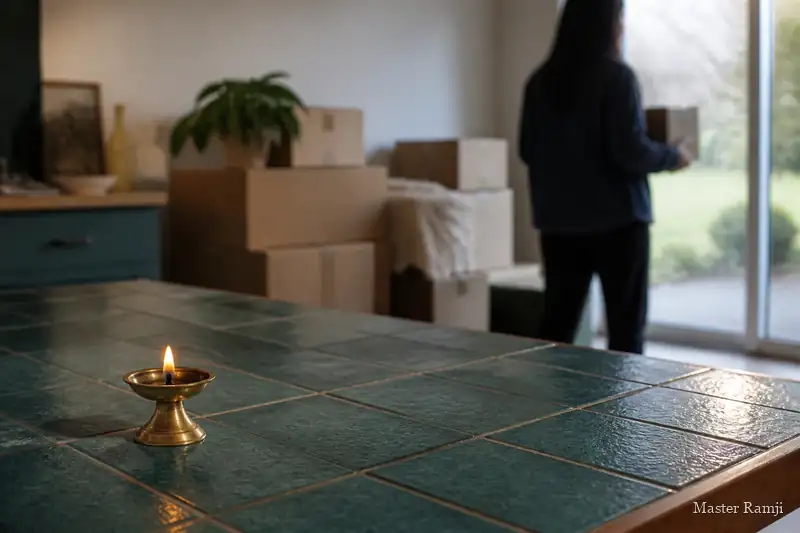
New homes come with new risks. The CFA advises putting candles, incense and oil burners on a stable surface at least a metre from anything that can catch fire, and never leaving them burning with nobody around. In a new home, that includes packing boxes, plastic wrap and fresh curtains. Smoke from a lamp or havan can also set off the alarms, so open windows and keep it small. Don't disable an alarm. Read about holding a havan at home before you decide.
Outside, a Wollert block needs more care. Dry grass on the vacant lots and paddocks nearby can carry a fire. Before any outdoor flame, check the fire danger rating and whether a total fire ban applies. Ask the council about any local rules as well. If there's any doubt, move the rite indoors or leave out the fire.
Can you mark the later stages too?
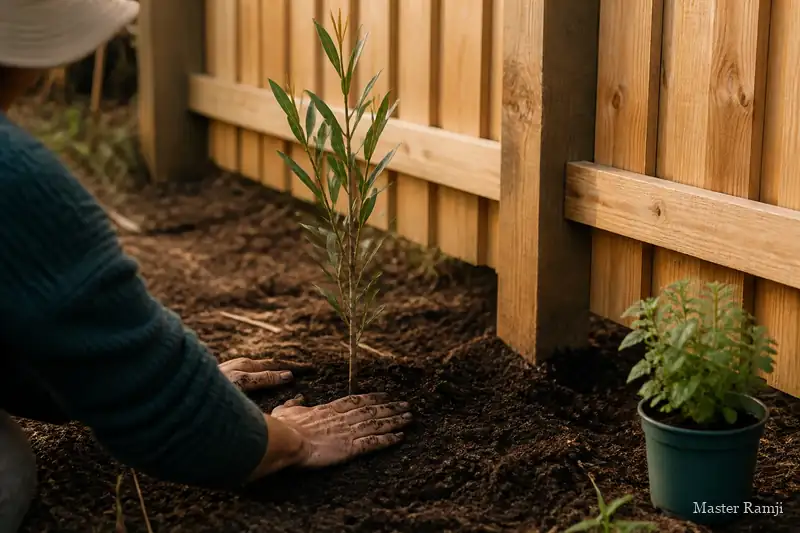
You can, and it's a nice way to enjoy a home that arrives in stages. There's no rule requiring it. Keep a tulsi or other plant in a pot until the beds are ready. Say a short family prayer when the fence goes up or when you plant the first tree. Light a lamp on the first evening the yard is usable. These are small and free, and children tend to remember them.
What can the rite do, and what can't it?
A griha pravesh can give your family a shared moment of thanks and a sense of beginning. It's a belief and a custom. It can't fix a building defect, settle a boundary or speed up a builder. Raise those with your builder or Consumer Affairs Victoria, and keep your inspections and insurance on track.
Sessions can be held by phone, WhatsApp or video, and fees are stated before any paid work. You can read more about our work in Melbourne's northern suburbs. If you have a likely handover date and want some times to work with, please get in touch.
Related service
Keep reading
Vastu and Cold Winters in Ballarat
Ballarat winters are cold and cloudy. Why vastu advice written for India needs adjusting here, and how to balance tradition with sun, warmth and safe heating.
Read article →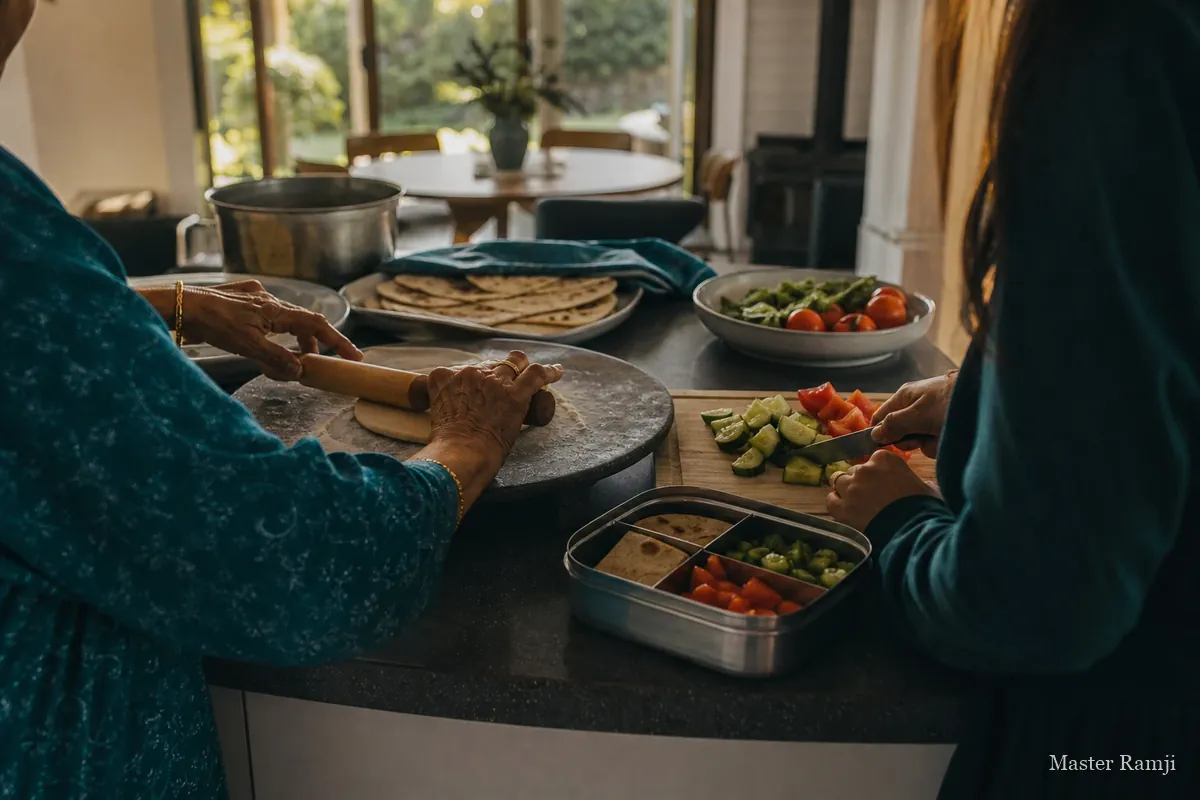
Sharing a Small Home in Noble Park
Family tension in a small house often comes down to space and privacy. Practical ideas for multigenerational living in Noble Park, and when to seek outside help.
Read article →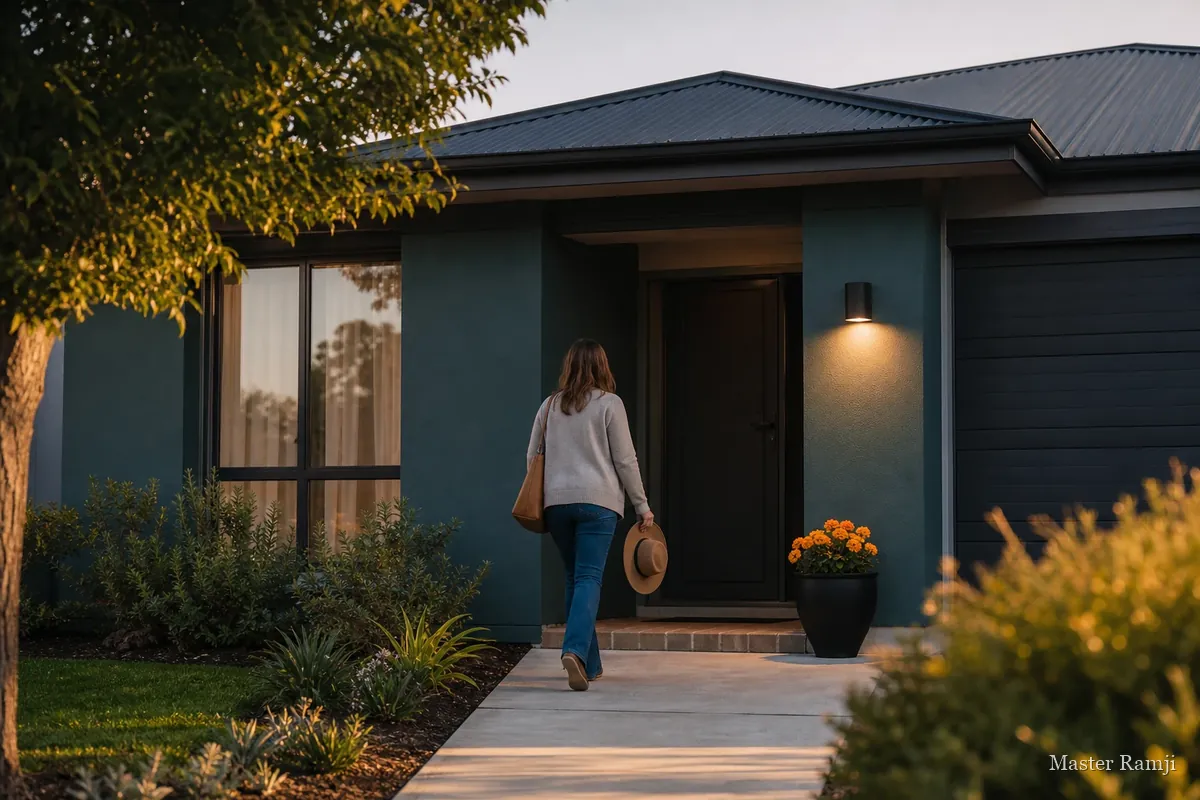
Vastu in Cranbourne Estates: What to Prioritise
Living in a Cranbourne estate? How to choose the two or three vastu changes worth making, what can wait, and what to check before you alter the house or block.
Read article →More from Melbourne's Northern Suburbs
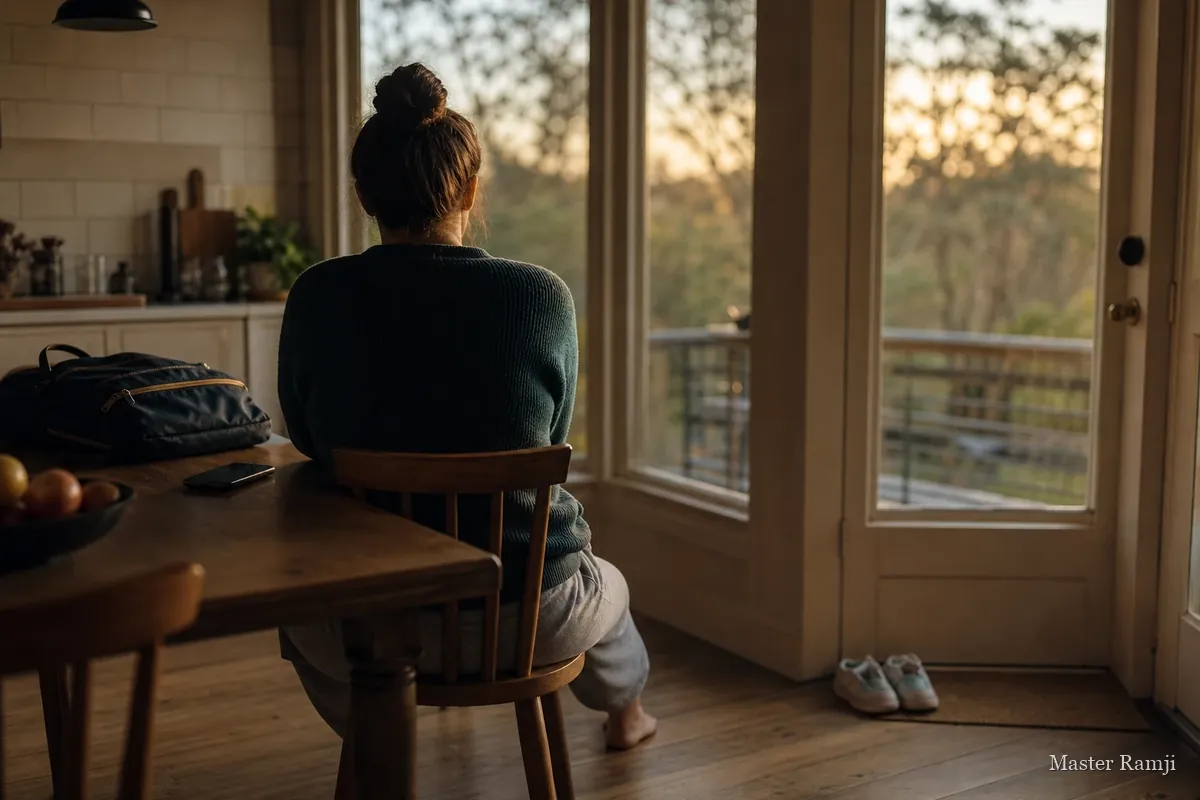
Five Quiet Minutes for Busy Parents in Mernda
A five-minute morning meditation for busy parents in Mernda, with an optional mantra, realistic places to fit it in, and where to turn when it isn't enough.
Read article →
Nazar Concerns With a New Baby in Preston
Worried about nazar and your new baby in Preston? See a doctor or maternal and child health nurse first, then choose gentle customs that keep your baby safe.
Read article →
Interfaith Couples in Coburg: Telling Both Families
An interfaith couple in Coburg? How to plan who tells which family, what to say first, how to handle questions about faith and children, and where to find support.
Read article →Local pages
Quick answers
What is griha pravesh?
Griha pravesh is a Hindu housewarming ceremony held when moving into a home. Here is what usually happens and how families fit it around a move in Australia.
Read answer →Is griha pravesh needed for a rented home?
A griha pravesh isn't strictly needed for a rented home, though many families choose a simple version. Here is what a short ceremony can look like.
Read answer →Talk to Vijay Ramji
Tell us what you are facing. If a reading is unlikely to help, you will be told that plainly.