
Vastu and Cold Winters in Ballarat
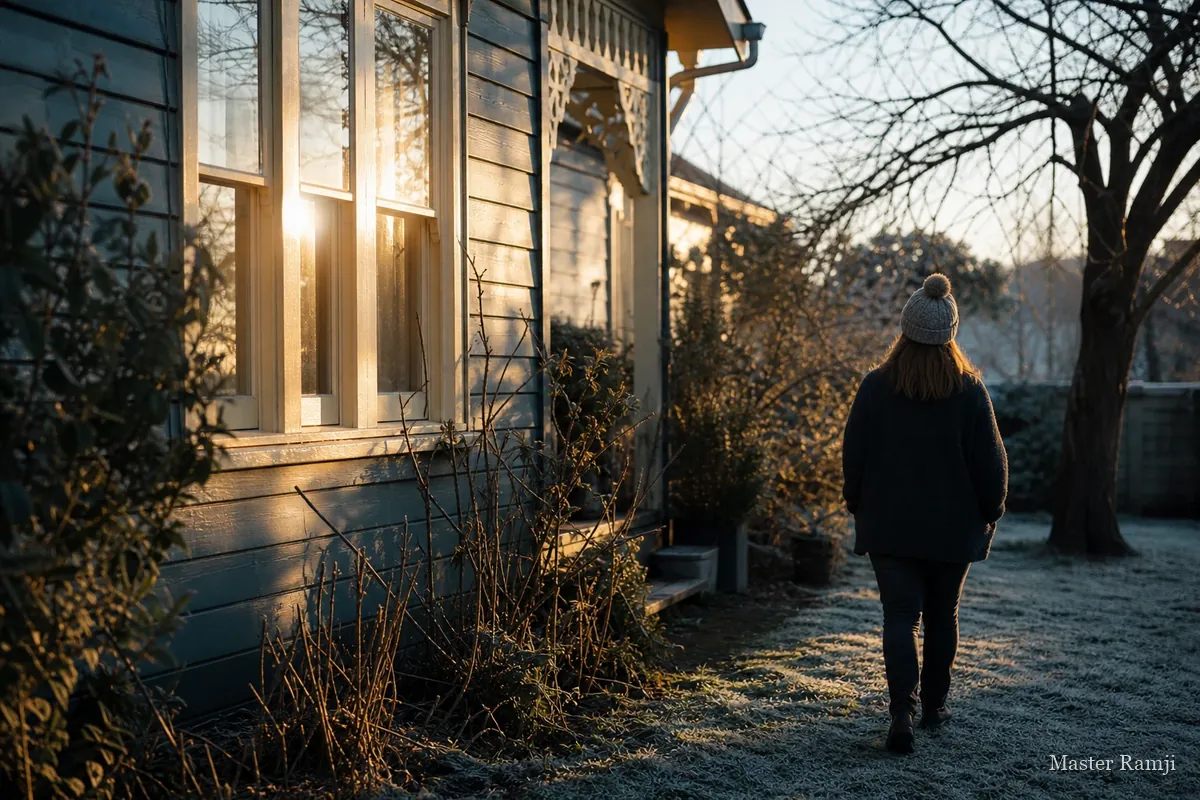
Vastu in Ballarat needs adjusting because the tradition grew up in a hotter place. Here the midday sun sits in the north, and July averages a 3.2 degree overnight low. Many readers still honour the traditional directions, but warmth, winter sun and safe heating should come first in a Ballarat home.
Plenty of vastu advice was shaped by a hot climate, where the main job of a home was to keep out harsh sun. Ballarat asks a different question. Sitting about 100 km north-west of Melbourne (nearer 115 km by road), the city is often a place where you want every bit of winter sun you can get.
That doesn't make vastu useless here. It does mean some rules need a second look before you move a bedroom or rethink a kitchen. Here is how to weigh the tradition against a real Ballarat winter.
Key takeaways
- Ballarat winters are cold and mostly cloudy, so a sunny room is valuable when you get one.
- Vastu is a tradition, not building science. Where the two pull apart on warmth, put comfort and safety first.
- Some vastu ideas fit Ballarat well, such as an open, light-filled north-east corner.
- Don't seal up a home for energy reasons without checking your gas heater's ventilation.
How cold does Ballarat actually get?
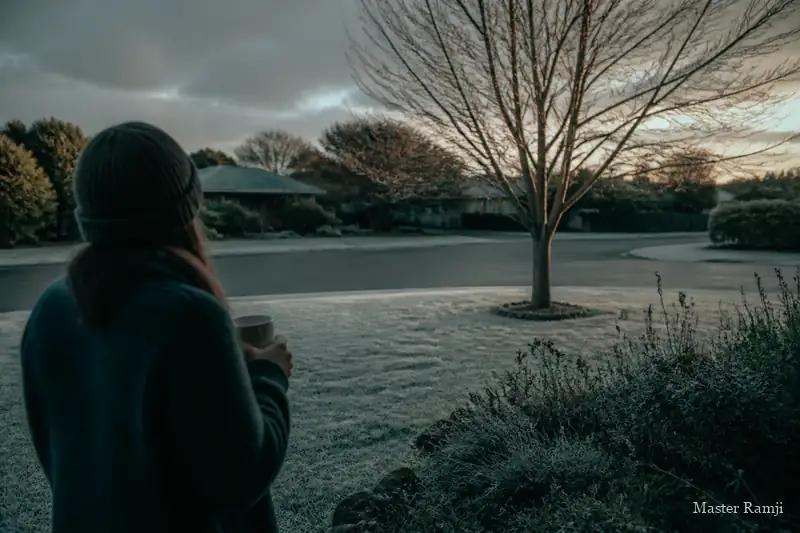
The Bureau of Meteorology's long-term figures for Ballarat Aerodrome, a site 435 metres above sea level, show a mean July maximum of 10.1 degrees and a mean July minimum of 3.2 degrees. The same table, using records from 1957 to 2010, shows an average of 2.6 clear days in July against 19.2 cloudy days.
Years vary. The Courier reported that winter 2026 was the warmest on record at the city's official weather station, yet it still had 10 mornings below zero. In June 2025, the aerodrome reached minus 4.4 degrees. A mild year or two shouldn't change how you plan a home that will have to get through many winters.
Why does sun change the vastu advice?
Many modern writers link traditional vastu rules to Indian sun and heat. In much of India, the midday sun usually sits to the south, so heavy walls to the south and south-west make practical sense. In Ballarat the midday sun is in the north. Australian Government design guidance in YourHome favours north-facing living areas, because that is where a home gets the most winter sun.
Practitioners split on what follows. Some keep the directions as written, because they see them as sacred and not tied to climate. Others swap north and south, and some blend the two. No classical text or scientific study settles it. Does vastu change in the southern hemisphere? explains those three approaches.
Which vastu ideas suit a cold Ballarat home?
Quite a few line up well, which is a nice surprise:
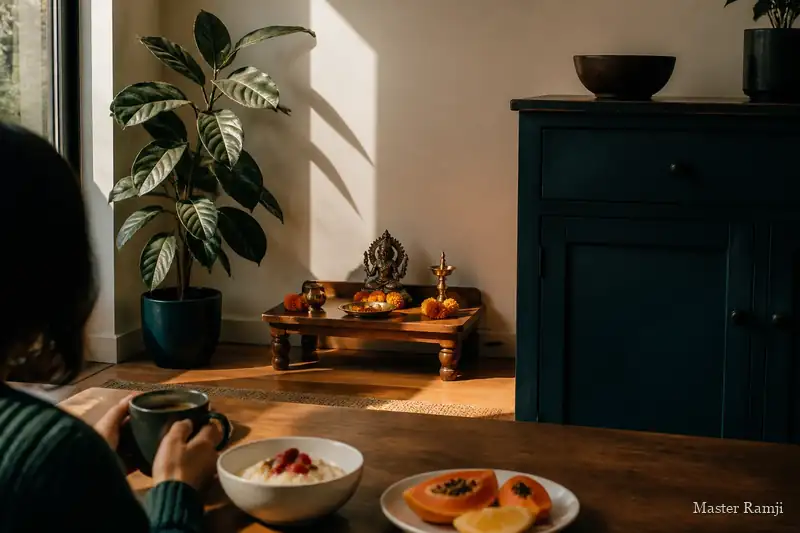
- An open north-east. Tradition keeps this corner light and uncluttered. In Ballarat it also gets morning sun on the side of the house that warms up best. It is a fine spot for a prayer corner or a breakfast table.
- Few openings in the south. Many traditional readers prefer heavier walls and storage on the south and south-west. A south wall gets little direct sun here, so a laundry, garage or storeroom there can make sense.
- A clear centre. Keeping the middle of the home uncluttered suits the tradition, and it can make a closed-up winter house feel less cramped.
- Clean, tidy entrances. A sealed, well-fitted front door also stops a cold draught.
Where does the tradition clash with the weather?
This is where you may need to make a call:
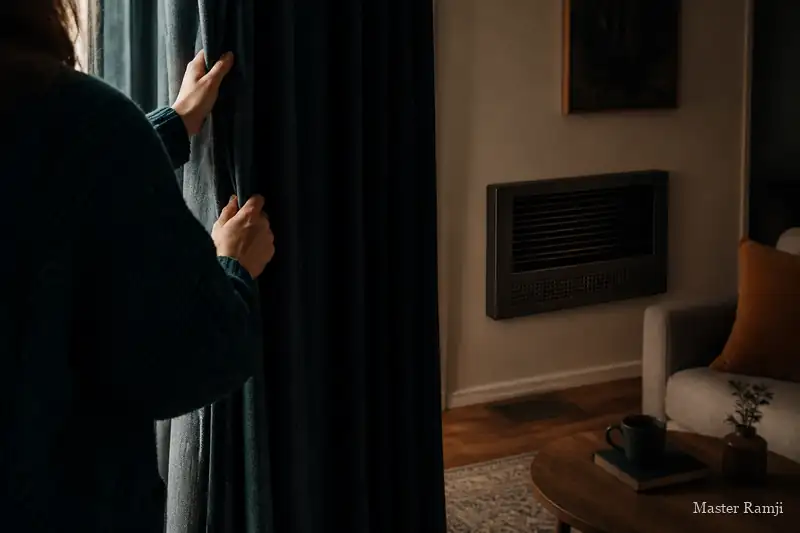
- The south-west main bedroom. Many vastu readers favour it. In a Ballarat house it can be one of the colder rooms, with little winter sun. If you keep it, focus on heavy curtains, a warm floor covering and safe heating. If an older person or a baby sleeps there, warmth comes before direction.
- The south-east kitchen. This is the traditional choice for Agni, but here it may be a dim, cold room in winter. An east-side kitchen with morning light can be more pleasant, even if it's not textbook.
- Living rooms away from the north. A reader who follows the older directions may not put much weight on north glass. YourHome says living areas do best facing solar north, with up to about 15 degrees west or 25 degrees east still giving good sun. For a new build in Alfredton or Delacombe, this is usually the decision you will live with longest.
- Rules about a "bad" facing. A south-facing front door often means the living rooms can sit at the sunny rear of the house. See whether a south-facing home is bad in vastu for a calmer view.
What should come before any vastu change?
Keep the house warm and safe first. These local and state tips are simple:
- The City of Ballarat suggests setting heating to 18 to 20 degrees and keeping doors and curtains closed. It also says you can borrow an Energy Saver Kit from Ballarat Libraries to check your home and find drafts.
- Energy Safe Victoria advises having a gas heater serviced at least once every two years by a qualified gasfitter. It warns that carbon monoxide can't be seen or smelled, and that weather-sealing or renovating can change the ventilation an open-flued heater needs.
- If you notice dizziness, headaches or nausea when a heater is on, take it seriously. Get fresh air and seek medical help.
Don't block vents, close off a flue or seal a room to suit a directional rule. And if you light a lamp or incense in a prayer corner, stay nearby and keep it well away from curtains.
What about older Ballarat homes?
Ballarat has a lot of history to protect. Victorian Places notes that much of its older building stock survived because growth stalled after the mines closed, and that Sturt and Lydiard Streets anchor the central conservation area. If you own an older home, check for a heritage overlay before changing walls, windows or doors. The council employs Heritage Advisors, and you can ask for written advice through its planning team.
Older weatherboard and brick homes can be draughty, so a chosen spot for your prayer corner may be less important than sealing the gaps safely. In a fixed plan, look at small changes, such as a rug, a lamp or a shift in where you sit. If you rent, stick to small, movable changes like these, and vastu fixes that work in a rental has more ideas.
How should you choose a vastu consultant in Ballarat?
Whoever you speak with, ask these questions first:
- Do you keep traditional directions in Australia, or adjust them, and why?
- Have you thought about how sun and cold affect your advice for my house?
- What is the fee, and is it stated before any paid work?
- Will you tell me if the change you suggest needs a builder, a permit or a gasfitter?
Be wary of anyone who says a costly renovation is the only fix, or who says a home will bring you harm if you ignore a rule. No vastu change can promise health, money or family peace. If you are planning a new build or a change that affects structure, talk to a qualified builder or designer as well.
A vastu reading for your home can help you sort what is worth doing from what you can leave alone. Vijay Ramji is based in Ascot Vale and works with people across regional Victoria. Sessions can be held by phone, WhatsApp or video, and it helps to have your floor plan, your block's orientation and a note of your coldest rooms to hand. If you would like to talk it through, get in touch.
Related service
Keep reading
Sharing a Small Home in Noble Park
Family tension in a small house often comes down to space and privacy. Practical ideas for multigenerational living in Noble Park, and when to seek outside help.
Read article →
Vastu in Cranbourne Estates: What to Prioritise
Living in a Cranbourne estate? How to choose the two or three vastu changes worth making, what can wait, and what to check before you alter the house or block.
Read article →
Planning a Namkaran in Caroline Springs
Planning a namkaran in Caroline Springs? Home or hired hall, what City of Melton rooms allow, keeping your baby safe, and registering the legal name.
Read article →More from Regional Victoria
Diwali in Ballarat
Diwali in Ballarat: who has hosted the community celebration, how to confirm this year's plans, and how to keep a home Lakshmi puja warm and safe in spring.
Read article →
Vedic Astrology From Bendigo: How Remote Sessions Work
Getting a Vedic astrology reading from Bendigo? What to send, how to photograph an old chart or palm, what to keep private, and the limits of a remote session.
Read article →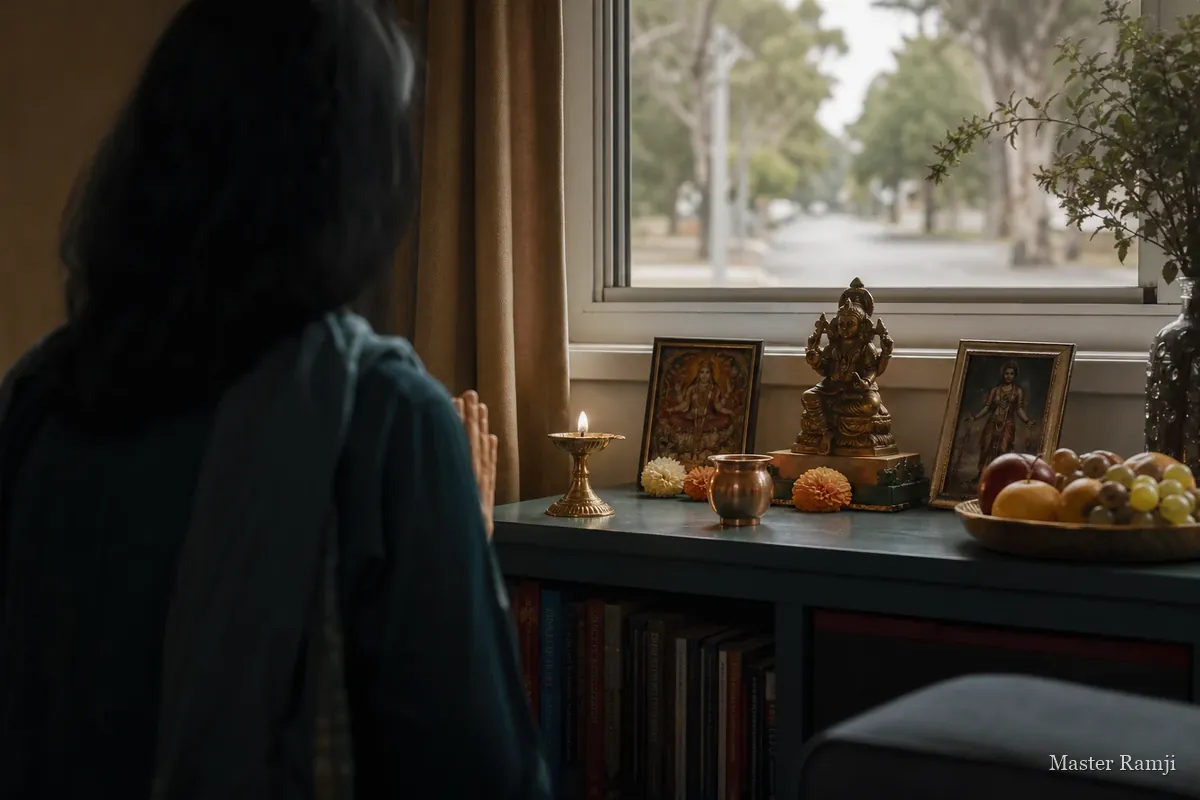
Keeping Your Practice Alive in Bendigo
Living far from Melbourne's big temples? Practical ideas for Hindu worship in Bendigo: a home altar, a simple mantra routine and ways to find others.
Read article →Local pages
Astrologer for Geelong
For Geelong residents asking about vastu in Armstrong Creek, life after Deakin or worship in a smaller community. Sessions by phone, WhatsApp or video.
View area →
Astrologer for Ballarat
For Hindu families settling in Ballarat: older homes, cold winters and keeping traditions going. Vedic astrology by phone, WhatsApp or video, from Ascot Vale.
View area →Astrologer for Bendigo
For people in Bendigo far from Melbourne's big temples: finding a match, goldfields homes and home worship. Vedic astrology by phone, WhatsApp or video.
View area →Quick answers
What is vastu shastra?
Vastu shastra is a traditional Hindu system of home and building design based on direction and layout. Here is what it covers and what it can't claim.
Read answer →Can vastu be applied in a rental?
Yes, vastu can be applied in a rental if you stick to reversible changes. Here is what to try first and what Victorian renters should check.
Read answer →Talk to Vijay Ramji
Tell us what you are facing. If a reading is unlikely to help, you will be told that plainly.