
What is vastu shastra?
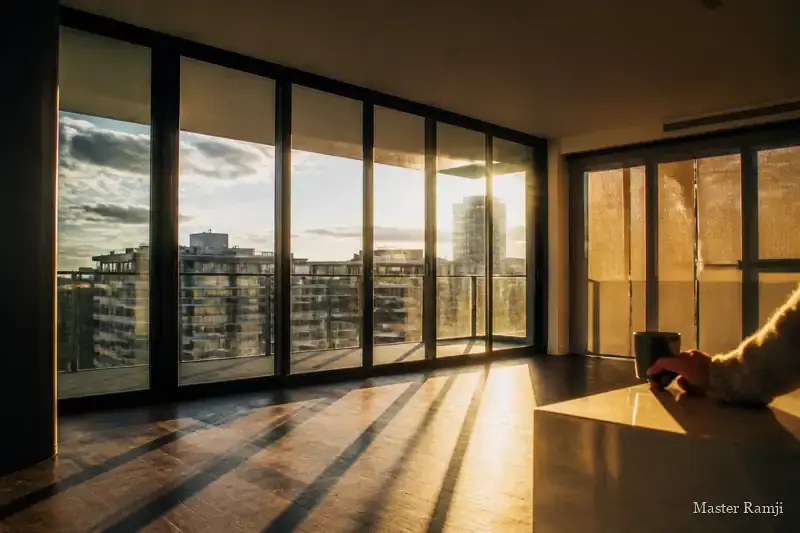
Vastu shastra is a traditional Hindu system of architecture and home design. It links directions, room placement, light and the layout of a building with wellbeing and harmony. Its name roughly means the teaching of dwellings. Vastu is a living tradition and a belief system, not an established science.
Classical works such as the Mayamata and Manasara lay a building plan over a grid called a mandala, with deities and qualities linked to each direction. In vastu shastra, that grid shapes questions such as:
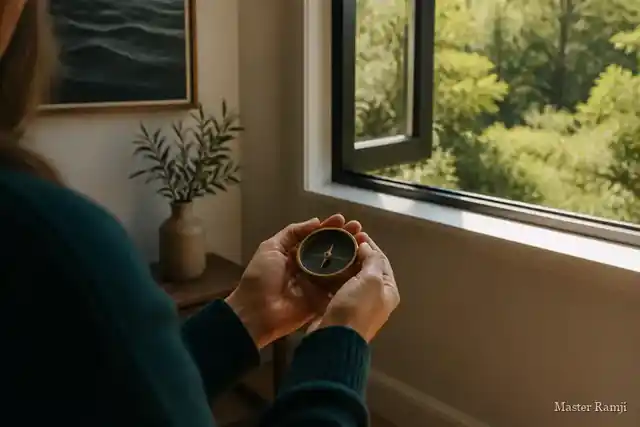
- Where should the main entrance sit?
- Which corner suits the kitchen, and which suits a prayer space?
- Is the centre of the home kept open and uncluttered?
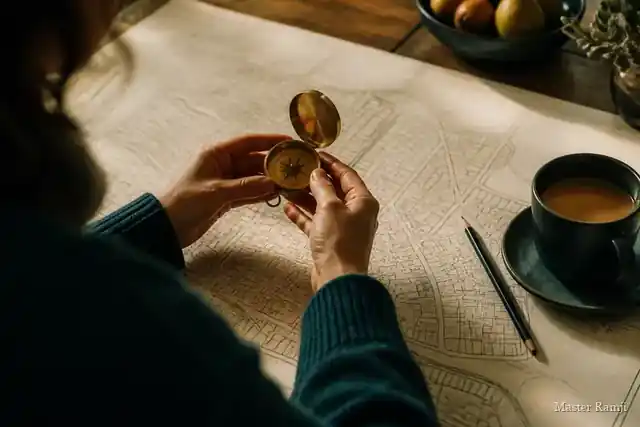
Many families value it as a way of bringing care and meaning into a home. It has limits, though. No reliable study shows that a layout changes your health, money or relationships, and critics regard those claims as unscientific.
The texts were also written for India, where the sun sits differently, so consultants in Australia don't all read the directions the same way. To see how the ideas apply to one room, read about vastu for the kitchen. For your own home, a vastu consultation for homes can suggest adjustments that involve no building work. Structural, plumbing and safety decisions belong with licensed professionals.
Related service

Read more

More quick answers
Can vastu be applied in a rental?
Yes, vastu can be applied in a rental if you stick to reversible changes. Here is what to try first and what Victorian renters should check.
Read answer →Do I need to renovate my home for vastu?
Usually not. Most vastu suggestions can be tried without demolition or building work. Here is what to ask, and what to check before any renovation.
Read answer →Talk to Vijay Ramji
Tell us what you are facing. If a reading is unlikely to help, you will be told that plainly.