
Pitru Paksha for Families in Springvale and Nearby
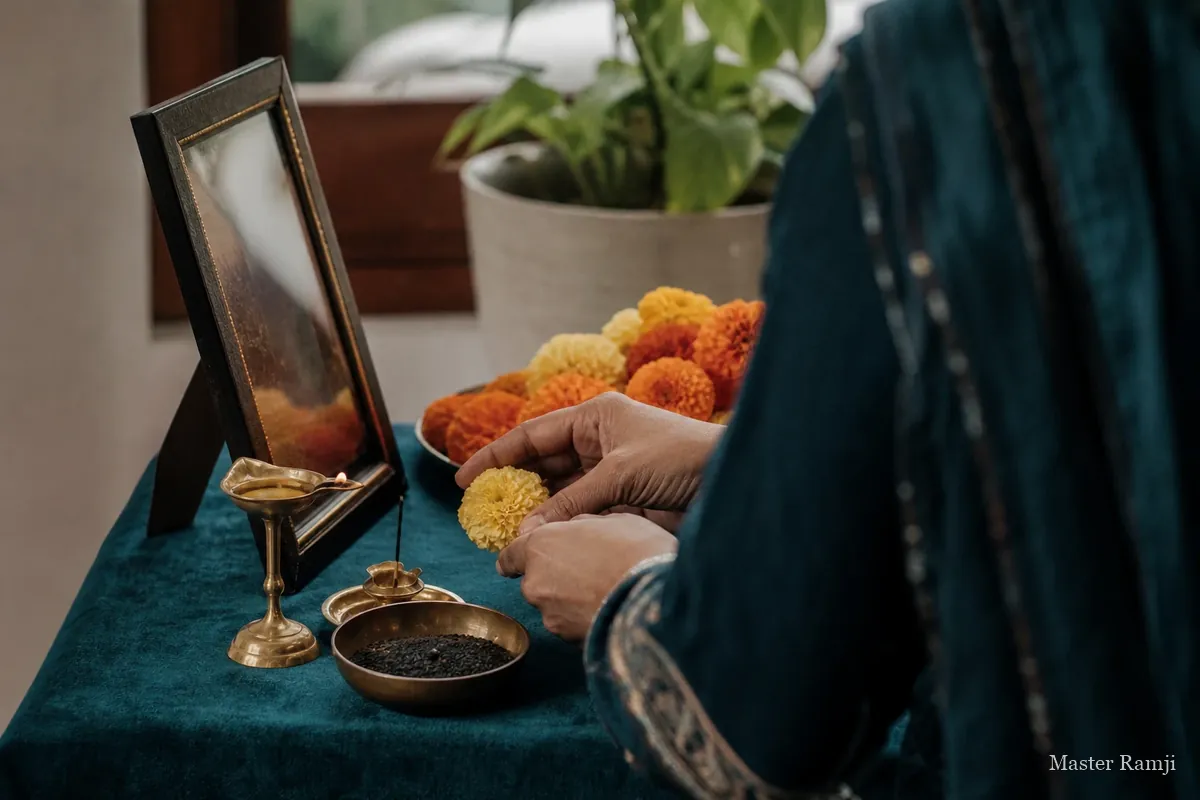
Pitru Paksha is the waning-moon fortnight when Hindu families remember their ancestors with tarpan, food offerings and charity. For families in Springvale and across Melbourne, days and customs vary by calendar and tradition, so check a panchang calculated for Melbourne or ask your temple or family priest. Keep it simple, sincere and free of fear.
Springvale is a suburb where remembering the dead is woven into many households. Victorian Places notes the large Vietnamese-born community here and a sizeable number of residents born in India. It also points to the Springvale Botanical Cemetery, north of the Princes Highway, once known as the crematorium and Necropolis. In a suburb like this, honouring those who came before is something many neighbours understand.
For Hindu families in Springvale, Noble Park, Keysborough and nearby, Pitru Paksha is a fortnight set aside for ancestors. This page looks at how to keep it in a busy Melbourne home, how to find the right days here, and how remembrance can be something you share with neighbours rather than something you do alone.
Key takeaways
- Pitru Paksha honours ancestors through offerings, prayer and feeding others. Customs differ widely by region and family.
- Work out the days from a panchang calculated for Melbourne, or ask your temple or family priest.
- A simple home observance is sincere and complete in itself.
- The fortnight is a time of gratitude, not fear. No one should pressure you into costly rites.
What is Pitru Paksha?
Pitru Paksha, sometimes written Pitri Paksha and also called Shradh or Mahalaya Paksha, is the fortnight of the waning moon dedicated to ancestors. As Wikipedia's overview explains, calendars name its month differently: Bhadrapada in many southern and western traditions, and Ashvin in many northern ones. The fortnight ends on the new moon day, known as Sarvapitri Amavasya or Mahalaya Amavasya, which many families treat as its most important day.
Common practices include:
- Shraddha, the main rite, usually held on the lunar day (tithi) on which a parent or grandparent died.
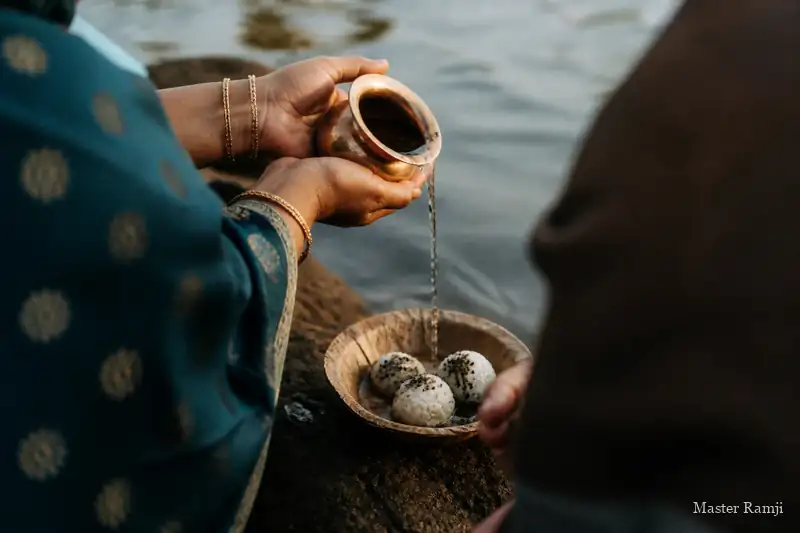
- Tarpan, offering water, often with black sesame seeds, while remembering ancestors by name.
- Pinda daan, offering balls of cooked rice mixed with ghee and sesame.
- Feeding others, traditionally a crow, a cow, a dog and Brahmins, before the family eats.
Who performs the rite, how many generations are named and which foods are prepared all differ between communities. Traditionally it falls to a son or another male relative, but practice varies. Ask an elder or your family priest what your own tradition expects, and don't worry if your family has always done it differently from the neighbours.
How do you find the right days in Melbourne?
The Hindu calendar is lunar, and a tithi begins and ends at different clock times depending on where you are. A calendar printed in India may be a day out for Melbourne. Rather than copying a date from a relative's message, check a panchang calculated for Melbourne, or ask your temple. If you remember the tithi of a parent's passing, your priest can tell you which day it falls on this year. If you don't know it, Sarvapitri Amavasya is traditionally the day to remember all ancestors, including those whose date is unknown.
Our broader page on observing Pitru Paksha in Australia covers more about adapting the observance to life here.
How can you keep it in a Springvale home or unit?
You don't need a river or a large ceremony. A simple observance might look like this:
- Bathe, then sit facing south if your tradition does so, with a photo of the ancestor in front of you.
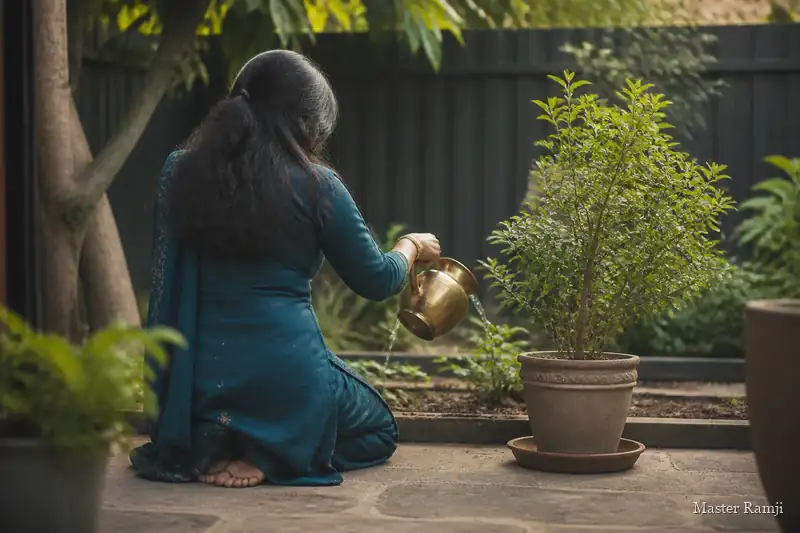
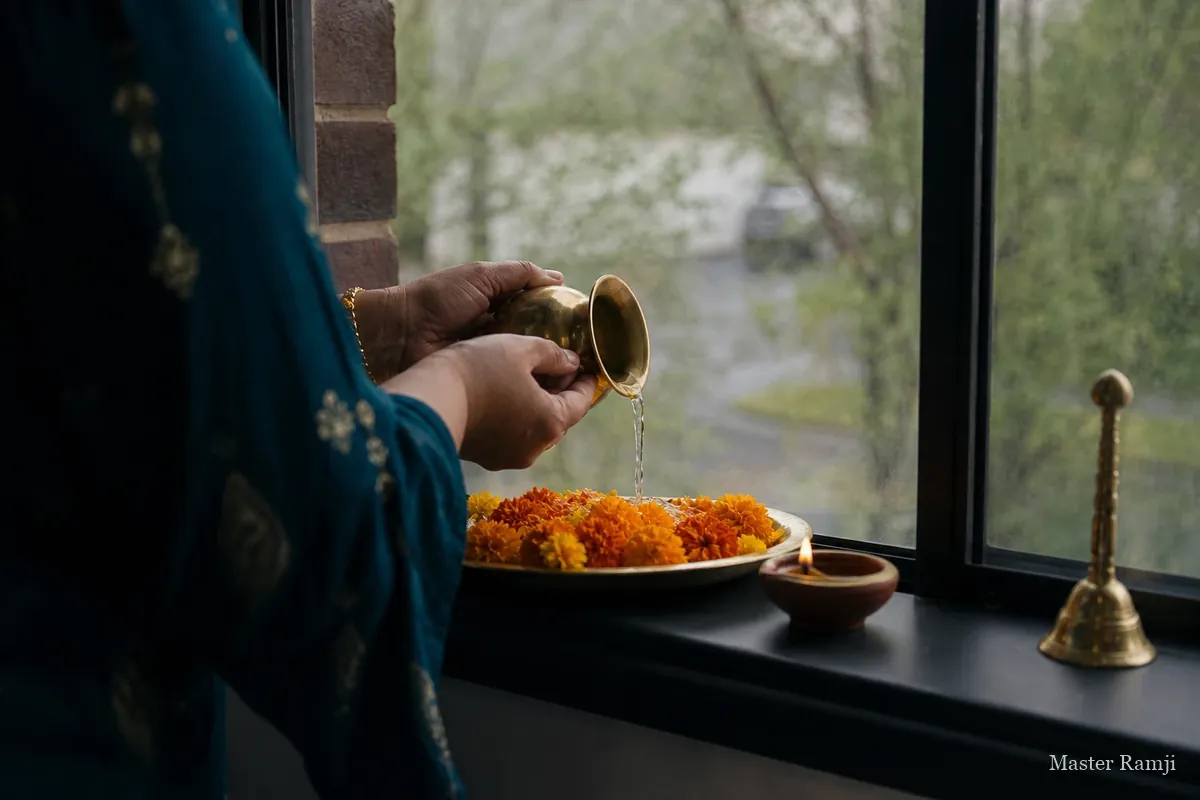
- Offer water with sesame from a small vessel, saying each name you remember. Pour the water into a garden bed or a pot plant afterwards.
- Cook a simple meal your parent or grandparent loved, and set a portion aside as an offering.
- Give food or a donation to someone in need, which many traditions value highly.
Place the offered portion in your garden or compost rather than leaving food in a shared courtyard where it may attract pests. If you light a lamp or incense, keep it away from curtains and never leave it burning unattended. Our page on small rituals that help with grief has more quiet ideas.
How can you share remembrance with your neighbours?
Springvale's mix of communities is a gift here. Many Vietnamese Buddhist families mark Vu Lan, a festival of gratitude to parents and ancestors. Chinese families have their own days for honouring the dead, and Christian neighbours may light candles at a grave. The details differ, but the wish to remember is shared.
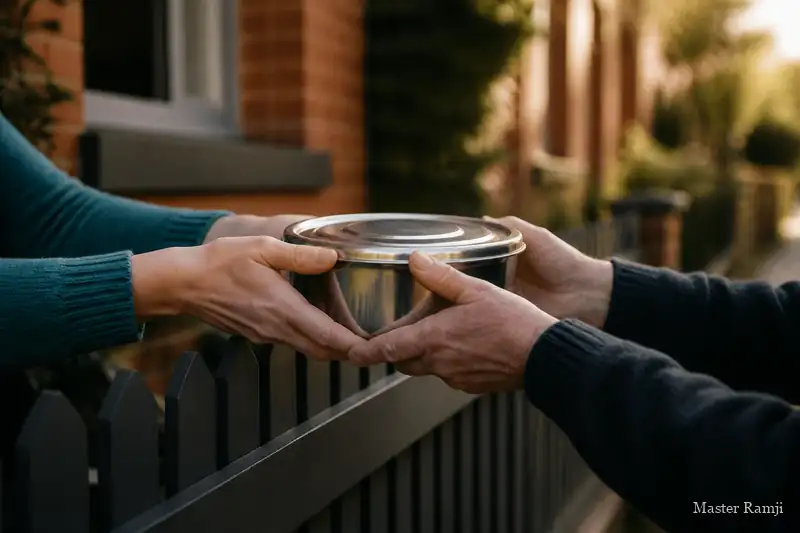
Some families cook extra and share it with neighbours, explaining that it's a time to remember their grandparents. It can open a warm conversation, especially with older neighbours who keep similar customs. Children also learn that their own traditions sit comfortably beside others.
What if you couldn't be there when a parent died?
Many people in Melbourne lost a parent overseas and couldn't travel for the funeral or the final rites. Pitru Paksha can bring that grief back sharply. That's normal. The fortnight can be a chance to do, in your own way, something you couldn't do at the time. Our page on grieving a parent from the other side of the world speaks to this directly.
healthdirect notes that grief can come in waves, and that anniversaries can bring intense feelings. It suggests that small rituals, such as lighting a candle or gathering with family, may help. If grief has stayed very distressing for a long time, or is affecting your sleep, eating or work, see your GP. Lifeline is available at any hour on 13 11 14.
Is Pitru Paksha a time to be afraid?
Some families avoid new purchases or celebrations during the fortnight, and you may hear warnings that unhappy ancestors cause problems. You can respect your family's customs without living in fear. Remembering your ancestors is an act of love, not a payment to keep trouble away.
If someone tells you that your family is under a curse and that only an expensive ritual will lift it, take a step back. Our explainer on pitra dosh without the fear sets out what the tradition says and what it doesn't. A Pitra Dosh puja can be performed on your family's behalf if you'd find that meaningful, with the fee stated before any paid work. No rite can promise a particular result.
Sessions can be held by phone, WhatsApp or video. You can read more about our work across Melbourne's south-east, or get in touch to talk about your family's customs.
Related service
Keep reading
A Hindu Festival Planner for Regional Victoria
Planning festivals from regional Victoria? How Hindu festival dates are set by the lunar calendar, why they can differ from India, and how to plan temple trips.
Read article →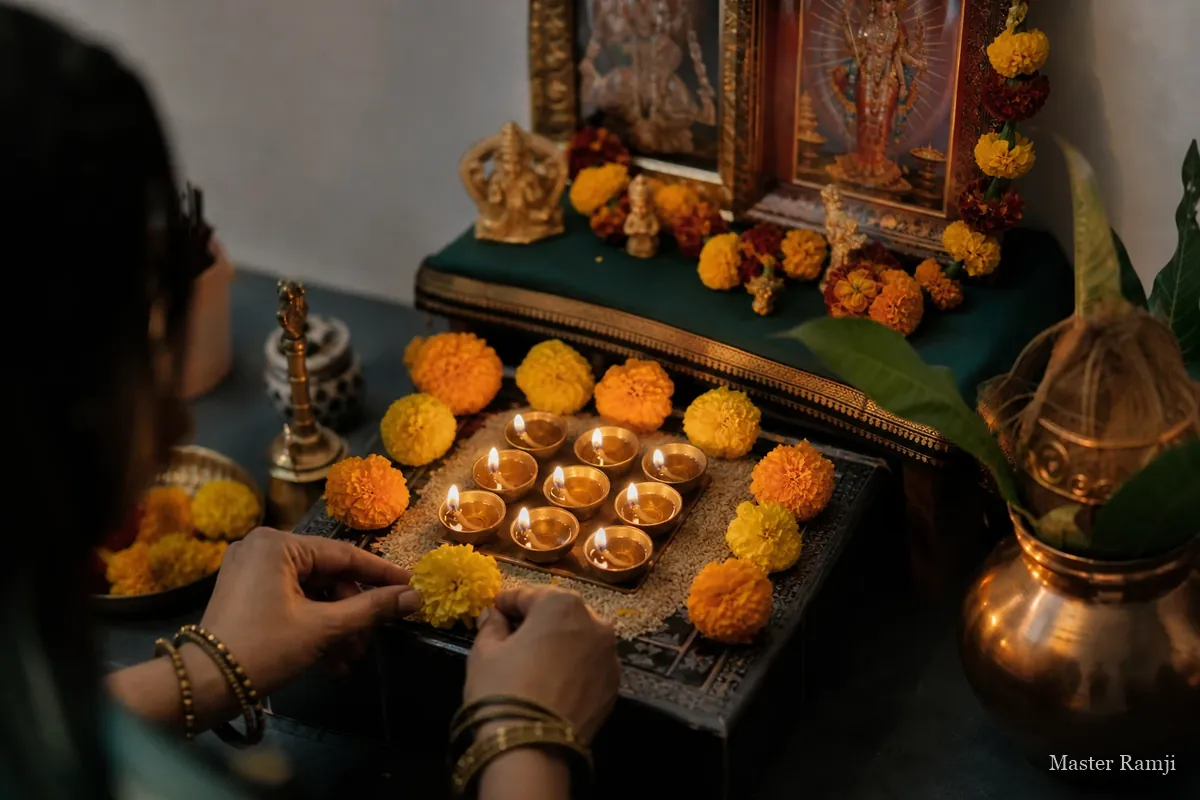
What Is a Graha Shanti Puja Meant to Do?
What a graha shanti puja is meant to do, what usually happens during the rite, what it cannot change, and the questions to ask before you agree to one.
Read article →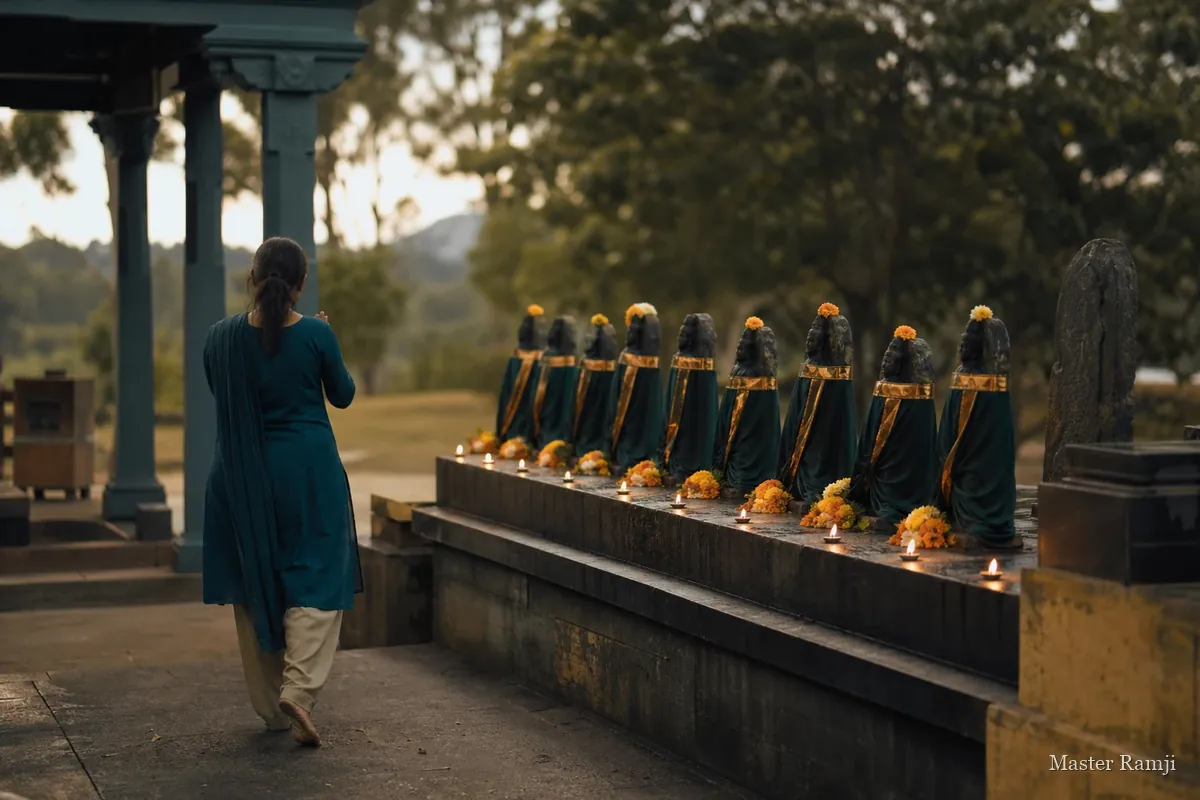
Visiting a Navagraha Shrine: A Beginner's Guide
First time at a Navagraha shrine? How to walk around it, how many rounds to take, what to say, what to offer, and which temple customs differ from place to place.
Read article →More from Melbourne's South-East

Pressure to Marry: Setting Boundaries in Noble Park
Feeling family pressure to marry in Noble Park? Respectful ways to say not yet, where pressure ends and force begins, and free support if you need it.
Read article →
When Relatives Warn You About Sade Sati in Cranbourne
Has family warned you about sade sati? A calm guide for Cranbourne households: what it means, how to check it, what it can't predict and how to reply kindly.
Read article →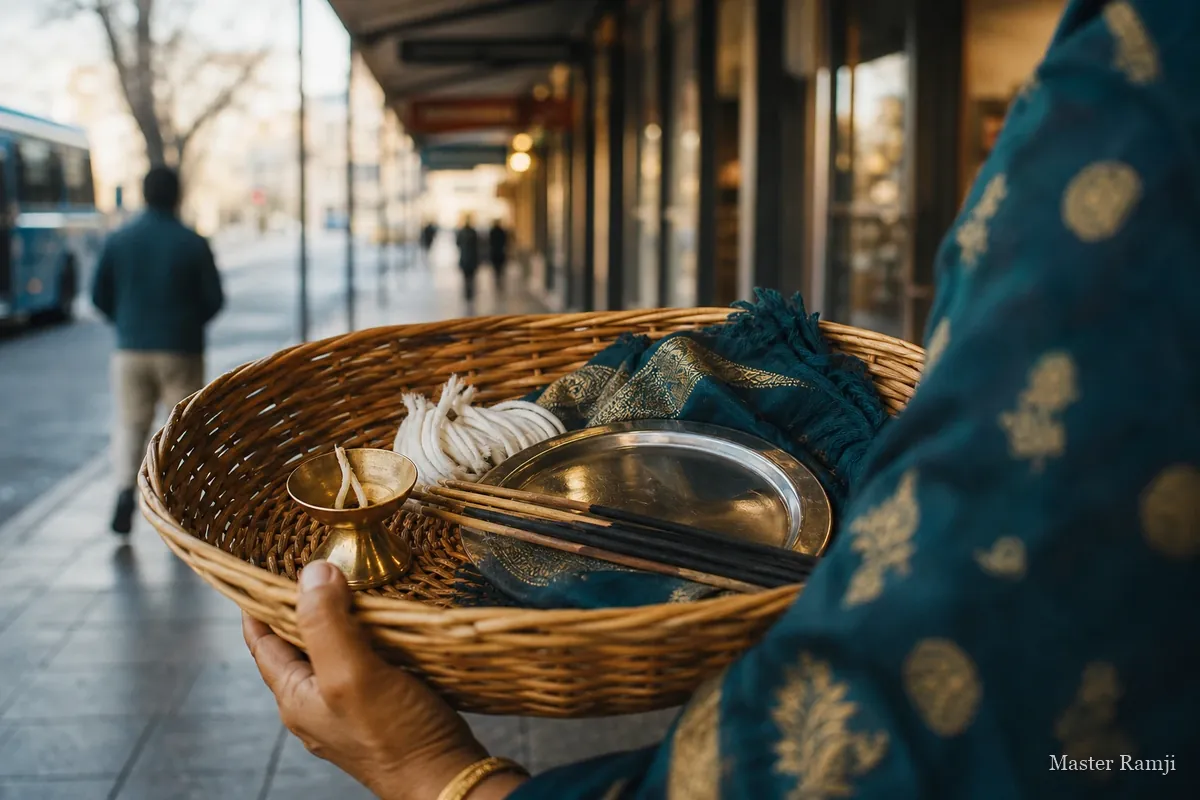
Shopping for Puja Items in Dandenong's Little India
Shopping for puja items in Dandenong's Little India? What a simple home puja needs, how to check labels on kumkum, and what to do when a shop pushes 'energised' goods.
Read article →Local pages
Astrologer for Dandenong
For Dandenong traders and new arrivals: shop timing, vastu for premises, and how to check any spiritual adviser. Sessions by phone, WhatsApp or video.
View area →
Astrologer for Clayton
For Clayton students and graduates dealing with family pressure, relationships and first jobs. Vedic astrology by phone, WhatsApp or video, from Ascot Vale.
View area →Quick answers
What is Pitra dosh?
Pitra dosh is an astrological idea about ancestral karma in a birth chart. Here is what astrologers look for, and why it need not be a cause for fear.
Read answer →What is a puja?
A puja is a Hindu act of devotional worship, at home or in a temple, with offerings such as flowers, light and food. Here is what it usually involves.
Read answer →Talk to Vijay Ramji
Tell us what you are facing. If a reading is unlikely to help, you will be told that plainly.