
Pitra Dosh Explained Without the Fear
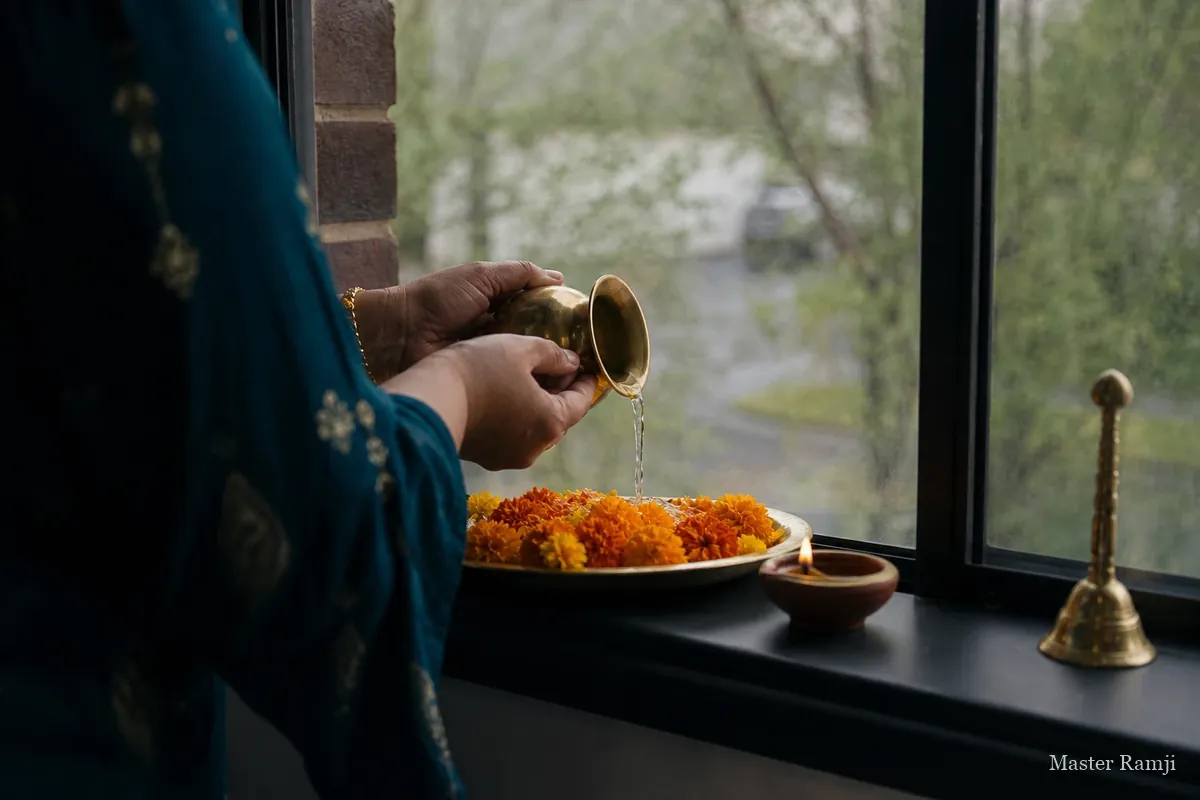
Pitra dosh is an astrological label linking a birth chart with unresolved matters in the family line, usually read from the Sun, Rahu, Saturn or the ninth house. Definitions vary widely between astrologers. It does not mean your ancestors are angry, that your family is cursed, or that you must pay for a rite.
Few phrases in astrology cause as much worry as pitra dosh. People hear it after a death in the family, during a hard year, or from a reader who then names a price. It can leave you feeling that your own grandparents are somehow against you.
That fear isn't needed. This guide explains what the idea means within the tradition, how astrologers say they see it, and, just as importantly, what it does not mean.
Key takeaways
- Pitra means ancestors, and dosh means a flaw or affliction. The label is an astrological interpretation, not a fact about your family.
- Astrologers disagree about how to identify it, and broad definitions catch a great many charts.
- It does not mean ancestors are angry, children are at risk or a curse is at work.
- Honouring ancestors is an old, loving practice that doesn't depend on any dosh.
Where does the idea come from?
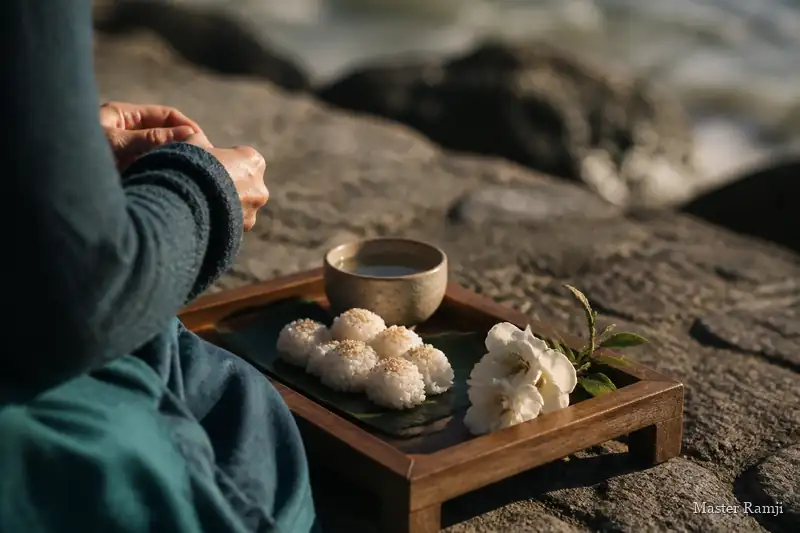
In Hindu tradition, the pitrs are the departed ancestors of a family. They are remembered with offerings of water, food and prayer, especially through shraddha rites, on new moon days and during Pitru Paksha, the fortnight set aside for ancestors.
The idea behind these rites is gratitude and continuity. The living remember those who came before, and the family line is kept in mind. "Pitra dosh" is a later astrological label laid over this older practice. It suggests that something in the family line has been left unfinished and shows up in a person's chart.
How do astrologers say they see it?
There is no single agreed rule. The factors most often mentioned are:
- The Sun, traditionally linked with father and lineage, placed with Rahu or Ketu
- The ninth house, the house of father, ancestors and fortune, under pressure from Saturn, Rahu or Ketu
- The ruler of the ninth house in a weak or difficult position
Some astrologers use narrow conditions. Others apply the label so widely that a large share of charts would qualify. Since the Sun, Rahu, Ketu and Saturn are present in every chart, it isn't hard to find some link between them and the ninth house. That alone is a good reason to treat the label as one reader's opinion. The short answer on what pitra dosh is gives a brief summary.
What does pitra dosh not mean?
This matters more than the definition.
- It doesn't mean your ancestors are angry. Nothing in the remembrance rites requires that belief. Many families see the rites as thanks, not appeasement.
- It doesn't mean your family is cursed. A chart placement is not a curse, and nobody can prove one exists.
- It doesn't explain illness, infertility, debt or a delayed marriage. Those need practical help from a doctor, a counsellor or a financial counsellor.
- It doesn't put your children at risk. No responsible reading can say that, and a reader who does is using fear.
- It doesn't mean you failed your family. Many migrant families couldn't be present for a death or a rite overseas. That is circumstance, not fault.
Why does hardship seem to run in families?
Sometimes it does, for ordinary reasons. Families share habits, money pressures, health conditions, ways of handling conflict and the after-effects of hard events. These can echo across generations without anything mysterious behind them.
Seeing that pattern clearly can be a relief. It means there may be practical steps you can take. Our article on when hardship seems to run in the family looks at this in more depth.
What if a reader has told you that you have it?
Stay calm and ask questions:
- Which placements in my chart led you to this?
- Which definition are you using, and do other astrologers agree with it?
- What do you think it means for me in everyday terms?
- Is any rite optional, and what exactly would it involve and cost?
A careful reader will answer plainly and won't rush you. Be wary if anyone says your ancestors are harming you, insists on payment today, or keeps finding new rites once you have paid.
How can you honour your ancestors simply?
You don't need a dosh, or a large fee, to remember your family. Many people find comfort in small things:
- Saying the names of parents and grandparents aloud on an anniversary
- Offering water and a short prayer at home
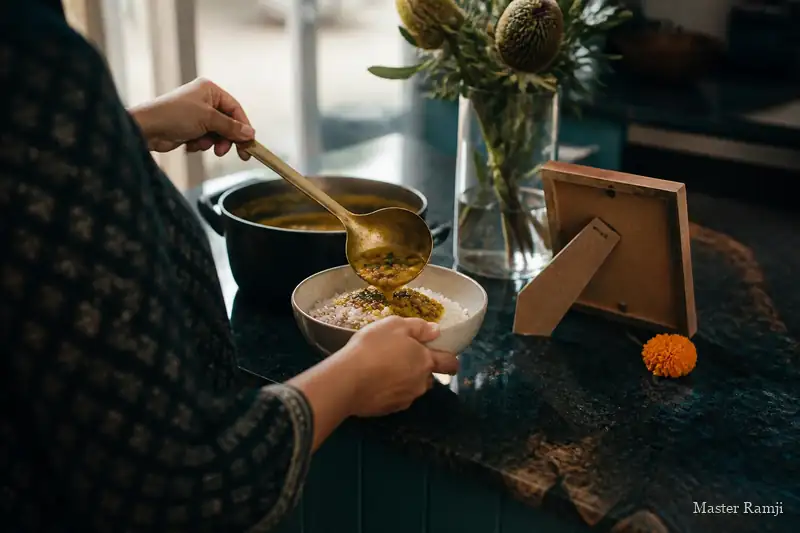
- Cooking a dish someone loved and sharing it
- Giving to a food charity in their memory
- Writing down family names and stories so the next generation knows them
Families who want to keep the traditional dates can read about observing Pitru Paksha in Australia. For the fuller rite, see performing shraddha away from India.
What if this is really about grief?
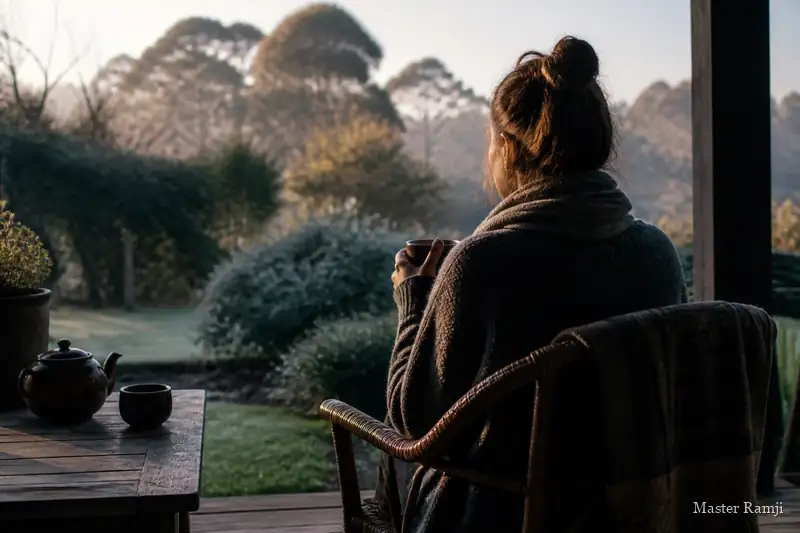
Often the question of pitra dosh arrives soon after a loss. Worry about ancestors can sometimes be grief in another form, especially if you couldn't say goodbye. That deserves care in its own right.
healthdirect's guide to grief and loss explains what to expect and when to seek help. Griefline offers free grief support. A GP can also help you find a counsellor. If you are struggling to cope, call Lifeline on 13 11 14 at any hour.
Is a pitra dosh puja ever worth doing?
It can be, if it has meaning for you. A pitra dosh puja is an act of remembrance through prayer, water offerings and food given in your ancestors' names. It is a matter of faith, not a fix for any problem, and declining it doesn't put anyone at risk.
If you would like to talk it through, sessions can be held by phone, WhatsApp or video. What you share about your family is confidential, and any fee is stated before paid work begins. Whenever you are ready, get in touch.
Related service
Keep reading
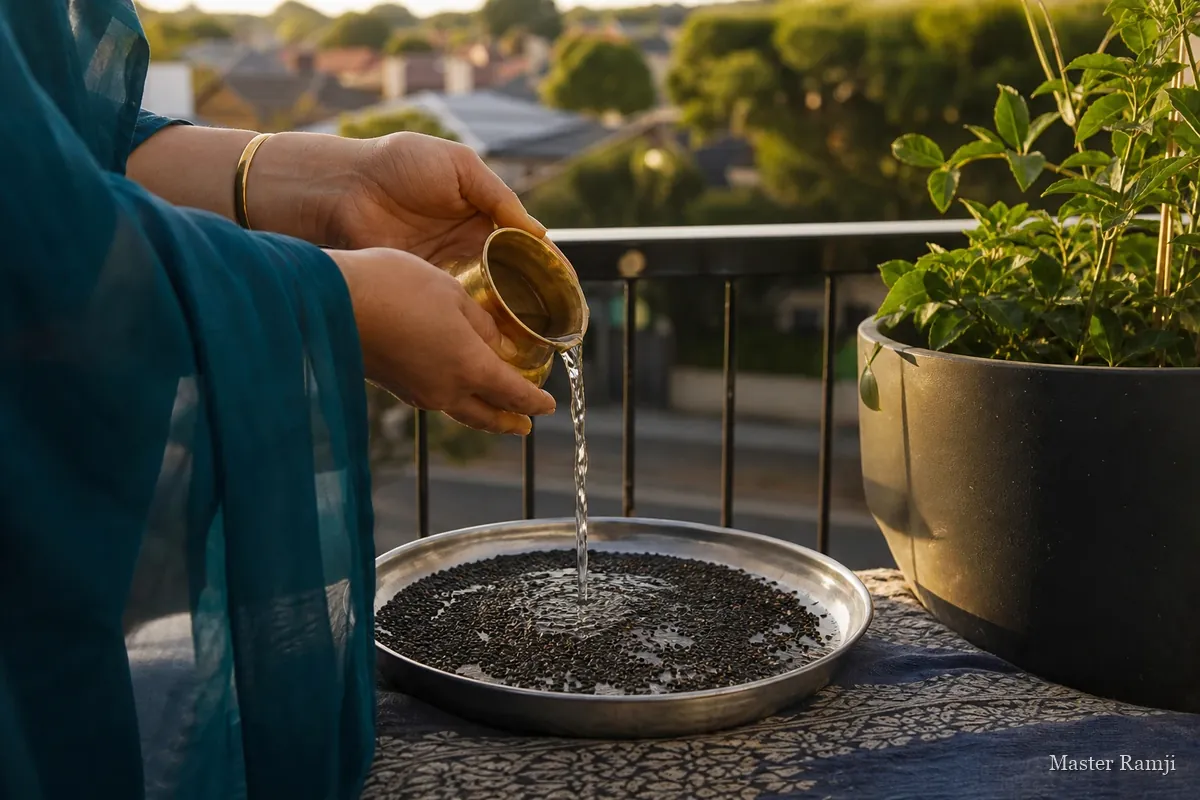
Observing Pitru Paksha in Australia
How families in Australia observe Pitru Paksha away from sacred rivers: tarpan at home, choosing the day, food offerings, safe lamps and remembering with care.
Read article →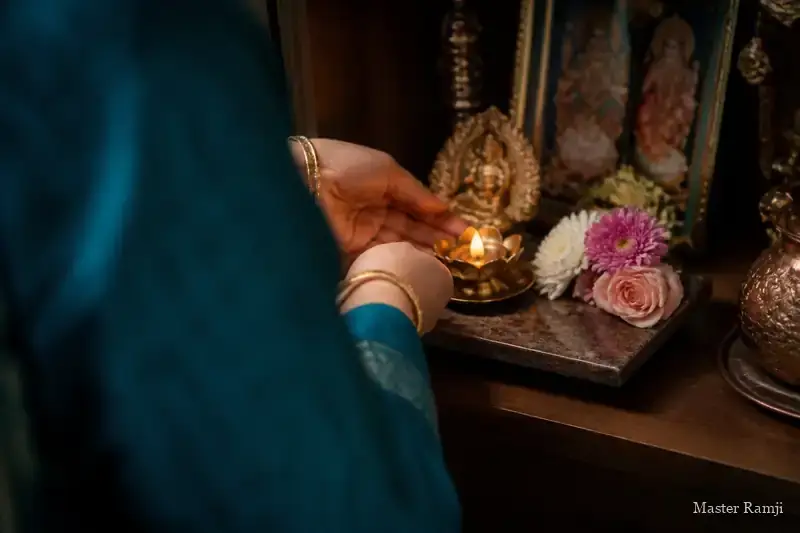
Performing Shraddha Away From India
How families living overseas keep the annual shraddha ceremony: what they keep, what they adapt, sharing the rite with relatives in India, and caring for grief.
Read article →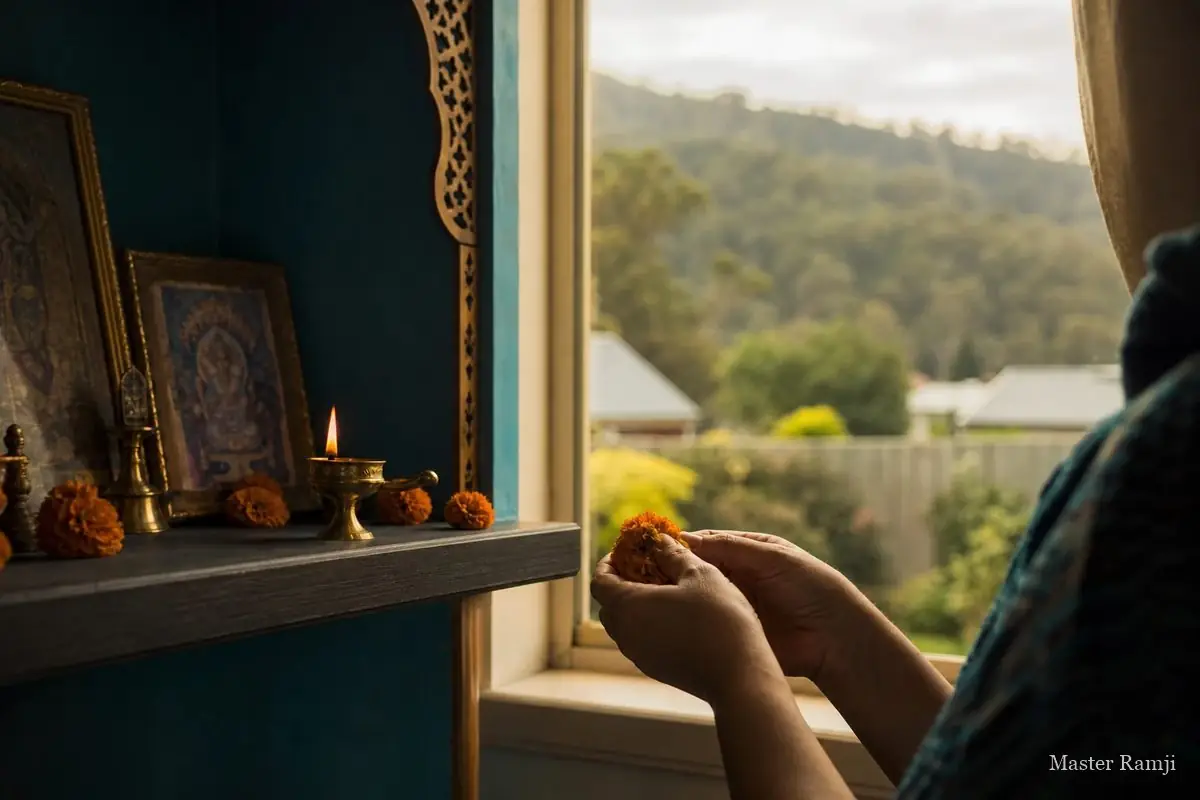
Can You Do a Havan at Home in Melbourne?
Havan at home safety for Melbourne families: setting up the kund, smoke alarms, ghee flare-ups, and the fire restrictions to check before any outdoor havan.
Read article →Quick answers
What is Pitra dosh?
Pitra dosh is an astrological idea about ancestral karma in a birth chart. Here is what astrologers look for, and why it need not be a cause for fear.
Read answer →What is a puja?
A puja is a Hindu act of devotional worship, at home or in a temple, with offerings such as flowers, light and food. Here is what it usually involves.
Read answer →Talk to Vijay Ramji
Tell us what you are facing. If a reading is unlikely to help, you will be told that plainly.