
Shopping for Puja Items in Dandenong's Little India
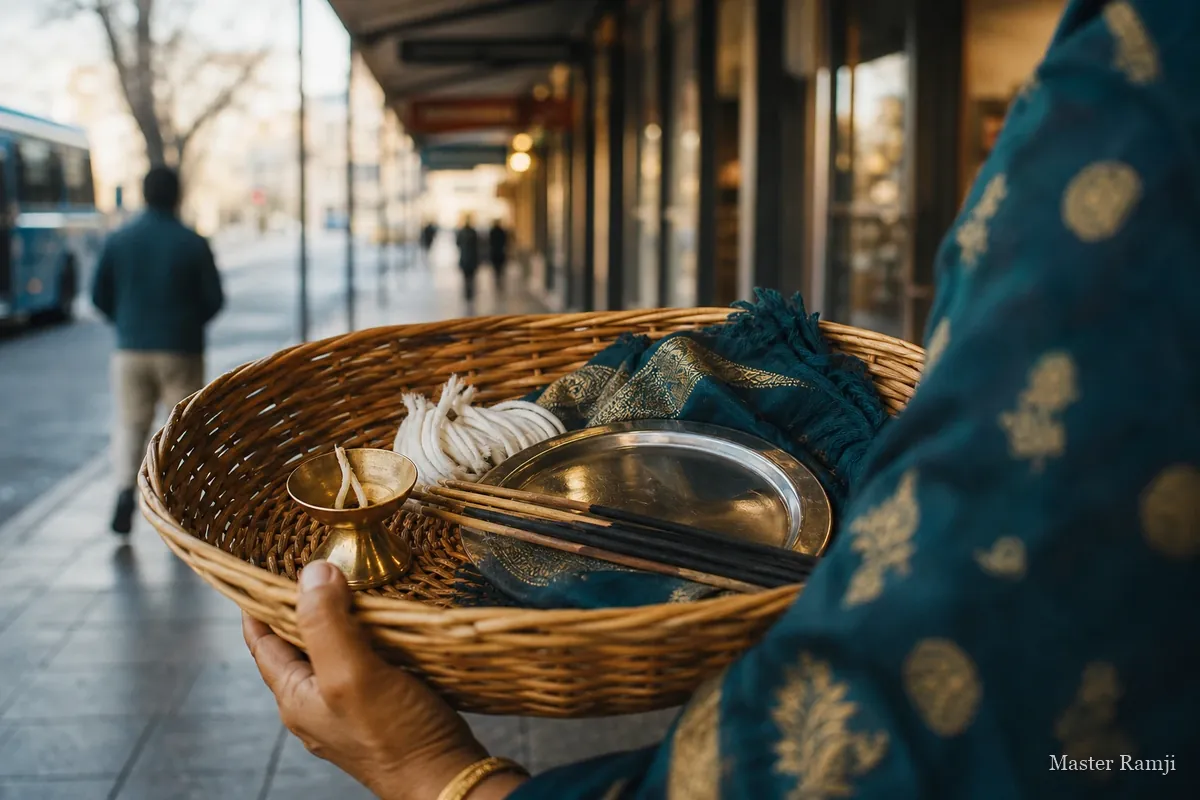
For puja items in Dandenong's Little India, take a short list: a lamp, wicks, ghee or oil, incense, turmeric, kumkum and a tray. Ring ahead, as stock varies. Check that kumkum lists its ingredients, keep powders and camphor away from children, and be cautious about costly 'energised' items.
If you need a lamp, some incense or a packet of kumkum in Melbourne's south-east, Foster Street, Dandenong is an obvious place to try. The City of Greater Dandenong says an Indian retail cluster began to form on Foster Street in about 1990. Today, its Little India Cultural Precinct is centred on Foster and Mason Streets, with more than 30 shops. It's right beside Dandenong Station, so you can leave the car at home.
The council's description covers groceries, sweets, eateries, general retail and a lot of fashion and wedding wear. It doesn't list puja goods as a category, and stock changes often. Local news reports in August 2026 also said demolition had started for a redevelopment beside Foster Street, with some Little India shops moving temporarily. So we won't name shops or promise what you will find. What we can offer is a way to shop well once you get there.
Key takeaways
- A simple home puja needs very little. Write a short list and stick to it.
- Buy kumkum and sindoor only if the ingredients are listed on the pack.
- Victorian poisons advice warns against keeping camphor at home, so think hard about it, especially with young children.
- The price of an item says nothing about its spiritual worth. Be careful with "energised" goods.
How do you plan a trip to Little India?
A few small things make the trip easier:
- Ring ahead for anything specific. Grocers may stock incense, wicks or camphor beside the spices, while brass and images may be in a gift or general store. A short call can save a walk, and it confirms the shop is still at that address.
- Train or car. Dandenong Station is beside the precinct. Council records note that metered parking in the area was extended to two hours some years ago, but read the signs on the day.
- Go early before a festival. Expect busier shops in the weeks before Diwali and Navratri. Seasonal lines may also sell out.
- Make it a family trip. The eateries and sweet shops are a large part of the appeal, and your children may enjoy choosing the flowers or the lamp.

What do you really need for a home puja?
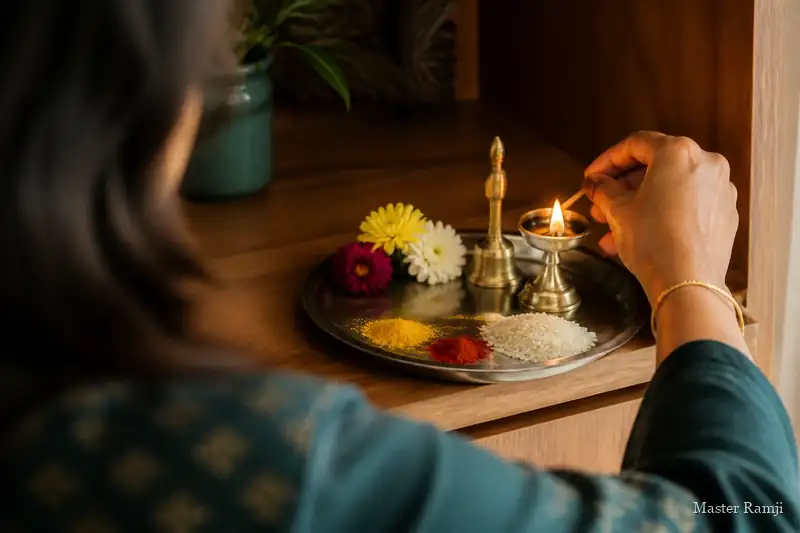
Printed puja samagri lists can run long, but traditions and families differ, so ask an elder or your priest what yours uses. For a simple daily puja, many households start with:
- A small lamp (diya), with cotton wicks and ghee or oil
- Incense sticks (agarbatti) and a stand
- Turmeric, kumkum and sandalwood paste
- A tray (thali) and a small bell
- Uncooked rice, flowers and fruit, which you can buy fresh on the day
- An image or small murti of the deity your family worships
That's it. Our guide to setting up a small home mandir covers where to put things. If you are planning a havan, the list is longer, so ask your priest before you buy.
How do you judge kumkum and sindoor?
This is the one purchase where a label really matters. The Victorian Department of Health warns that very high levels of lead have been found in some sindoor and kumkum powders. Not all brands contain lead, but you can't see it by looking at the powder.
In Australia, these powders are treated as cosmetics, so every ingredient should be on the pack. The department's advice is to buy only products with ingredients clearly listed, and avoid any containing lead. It adds that a label saying "100% pure sindoor" isn't an ingredient list, and doesn't tell you if the product is lead-free.
At home, keep powders out of children's reach, don't let children play with them, and use them only on the skin. If a child may have eaten some, see your doctor or call the Victorian Poisons Information Centre on 13 11 26. If you are pregnant or worried about exposure, ask your GP.
Is camphor safe to keep at home?
Camphor (kapur) is a familiar part of aarti, and many families won't think twice about it. Even so, the Victorian Poisons Information Centre takes a firm line. It warns that swallowing only a small part of a camphor block is potentially fatal for a child, and advises against keeping camphor in the house.
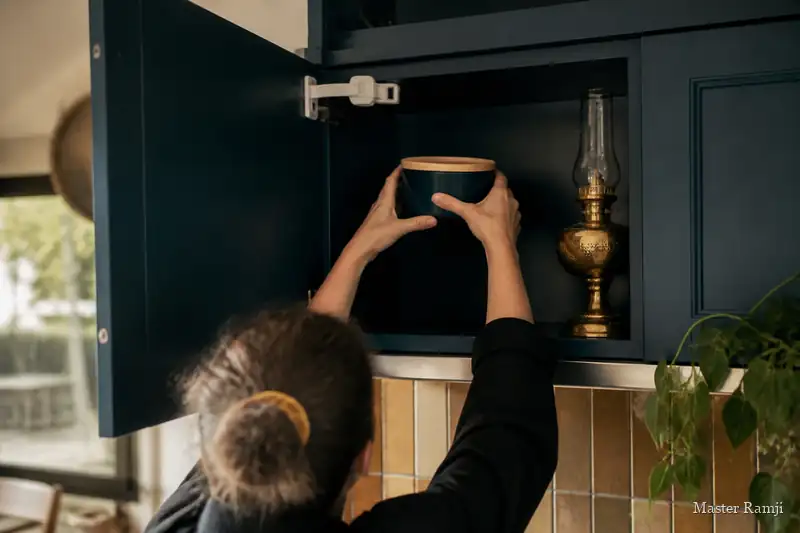
It's your family's decision, but you should make it with that in mind. A ghee or oil lamp can be used for aarti in many households, so ask your elders or priest if it would suit your practice. If you do keep camphor, buy the smallest amount you need, and store it locked away. Any child who has swallowed it needs urgent medical help.
How do you judge lamps, images and other goods?
- Brass and metal. Check the weight and finish, and ask whether it's solid or plated. Plated items can be perfectly fine, but they shouldn't cost the same as solid brass.
- Murtis and images. Many families prefer a small one for home, so check for chips and cracks before you pay. Ask about the material, and compare a couple of shops.
- Incense and dhoop. Try a small pack first. Smoke can be heavy in a small home, can set off alarms and may bother anyone with asthma. Burn it with a window open.
- Ghee and oil. Lamp oil and cooking products are different things, so read the pack and use each as labelled.
Ask for a receipt on anything costly. If something goes wrong, Consumer Affairs Victoria can explain your rights.
What should make you walk away?
Most traders are simply running a shop. Still, some goods attract big claims wherever they are sold, including online. Take care if you hear any of these:
- A yantra, rudraksha or gemstone is "energised" or "siddh", and costs far more because of it
- You are told you have a dosha or curse, then offered a product that fixes it
- You are told an item will bring money, a marriage or good health
- You are rushed, or told the offer ends today
No object can do these things for certain, and you can't check an "energising" claim. See our honest guide to amulets and yantras before spending big, and ask for an independent certificate with any gemstone. Remember that a costly remedy isn't a better one.
Do you need to buy anything for a remedy at all?
Often, no. Traditional practice has plenty of options that are free or close to it: a daily prayer, a mantra, fasting if it's safe for you, or giving to charity. Our remedies that cost nothing guide lists several.
A personal mantra remedy plan is built with that in mind. It's a simple routine you carry out yourself, and it may need nothing more than a mala. Like any remedy, it's a spiritual practice and doesn't promise a result. It won't replace medical, legal or financial advice.
What should you do with used items?
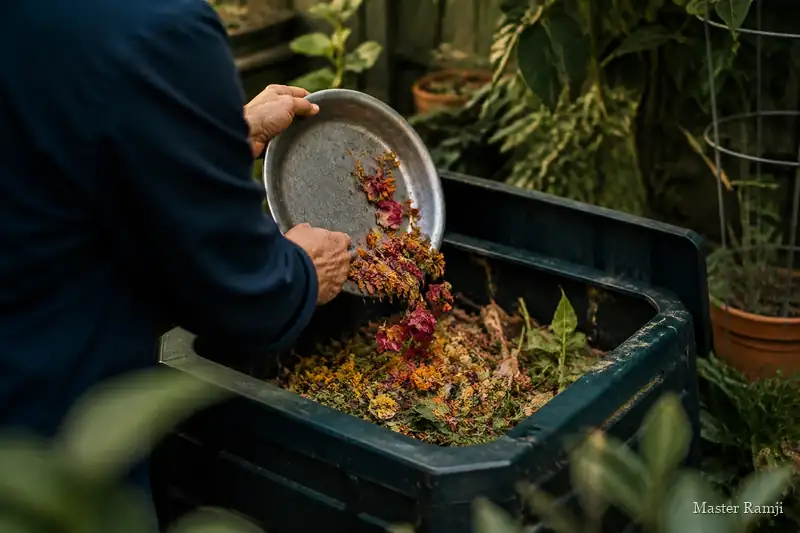
Old flowers and leftover offerings often raise a question, as people may have grown up placing them in a river. Please don't put them in Dandenong Creek or a stormwater drain. Compost flowers at home if you can, and ask your temple what it suggests for anything else.
Live nearby? Visit our page on Melbourne's south-east. If you aren't sure what your family's practice really needs, get in touch.
Related service
Keep reading
Visiting the Ganesh Temple at The Basin
Planning a visit to the Vakratunda temple at The Basin? Its history, granite shrine, canteen, etiquette and practical tips for first-time visitors.
Read article →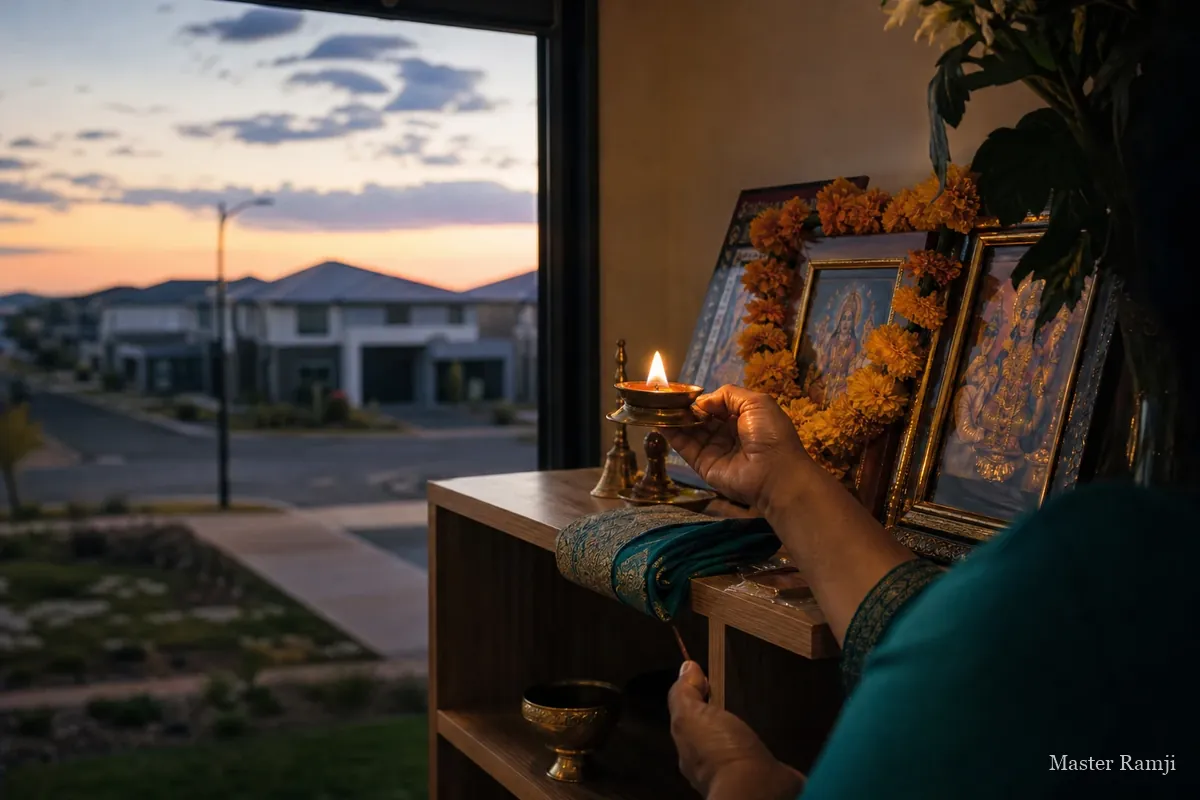
Temples and Home Worship in Melbourne's North
Looking for a Hindu temple near Craigieburn, Epping or Mill Park? Four places to start with, how to choose, and when worship at home makes more sense.
Read article →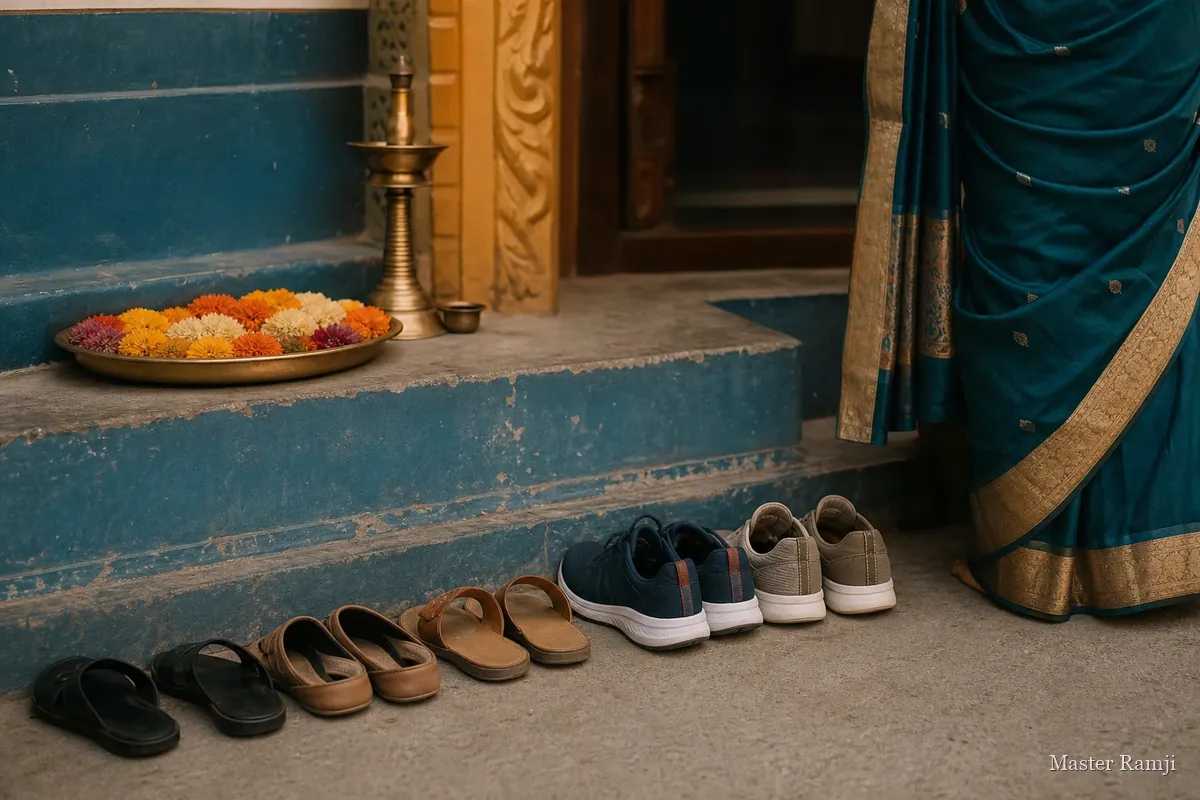
Your First Visit to the Carrum Downs Temple
First time at the Shri Shiva Vishnu Temple in Carrum Downs? What to wear, shoes and food, how to move through the shrines, and how to arrange an archana or puja.
Read article →More from Melbourne's South-East
Starting a Business in Dandenong: Timing and Practical Steps
Planning a shop on or near Foster Street? How to start a business in Dandenong with council and lease checks first, and a muhurat that fits the real dates.
Read article →
Spiritual Scams Aimed at New Migrants in Dandenong
How spiritual scams use language gaps and fear to pressure new migrants in Dandenong, and where to get help in your own language if you have already paid.
Read article →Your First Visit to the Carrum Downs Temple
First time at the Shri Shiva Vishnu Temple in Carrum Downs? What to wear, shoes and food, how to move through the shrines, and how to arrange an archana or puja.
Read article →Local pages
Astrologer for Dandenong
For Dandenong traders and new arrivals: shop timing, vastu for premises, and how to check any spiritual adviser. Sessions by phone, WhatsApp or video.
View area →
Astrologer for Clayton
For Clayton students and graduates dealing with family pressure, relationships and first jobs. Vedic astrology by phone, WhatsApp or video, from Ascot Vale.
View area →Quick answers
Do astrology remedies have to cost money?
Astrology remedies don't have to cost money. Many traditional ones are free, such as mantra and service. Here is when a fee is fair and when to walk away.
Read answer →Why are mantras chanted 108 times?
Mantras are chanted 108 times because 108 is a sacred number in Hindu tradition and the count of beads on a mala. Here are the usual explanations.
Read answer →Talk to Vijay Ramji
Tell us what you are facing. If a reading is unlikely to help, you will be told that plainly.