
Small Rituals That Help With Grief
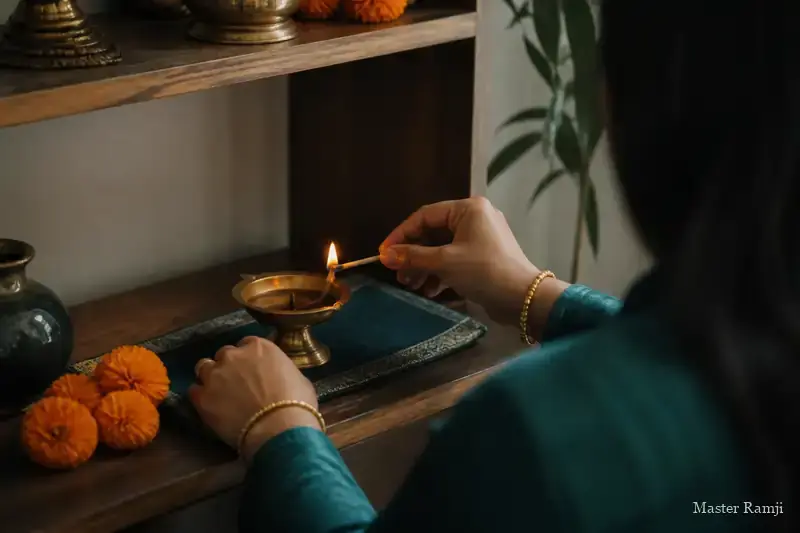
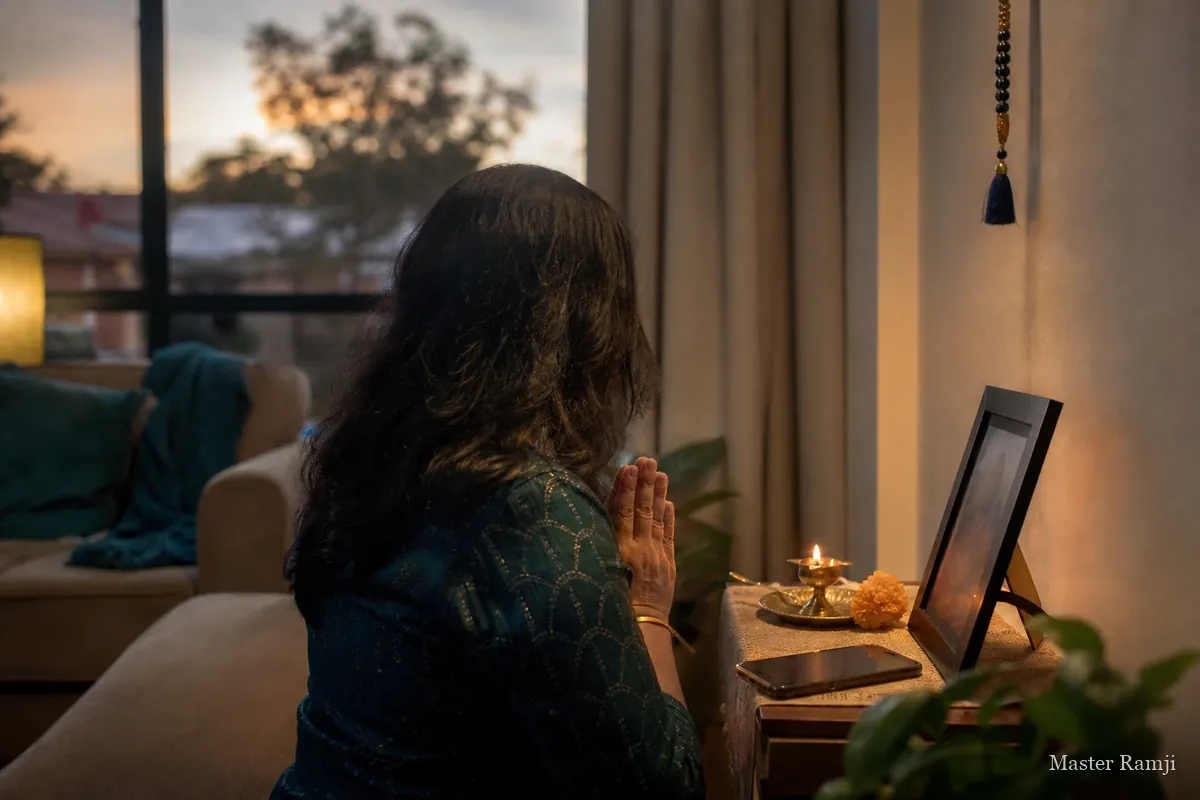
Simple rituals for grief at home include lighting a lamp at the same time each day, saying a short prayer with the person's name, keeping a small remembrance shelf, and marking their birthday and death anniversary. Keep them small enough to repeat. Rituals can bring comfort, but they sit alongside grief support, not instead of it.
After the funeral, the house goes quiet. Relatives fly home, the phone stops ringing, and the formal rites are finished or happening somewhere else. Many people say this is when grief really arrives, and when they most want something to do with their hands.
Small rituals can help with that. They don't need a priest, a chart or any special materials. This article sets out a few you can keep at home, with ideas for the dates that tend to be hardest.
Key takeaways
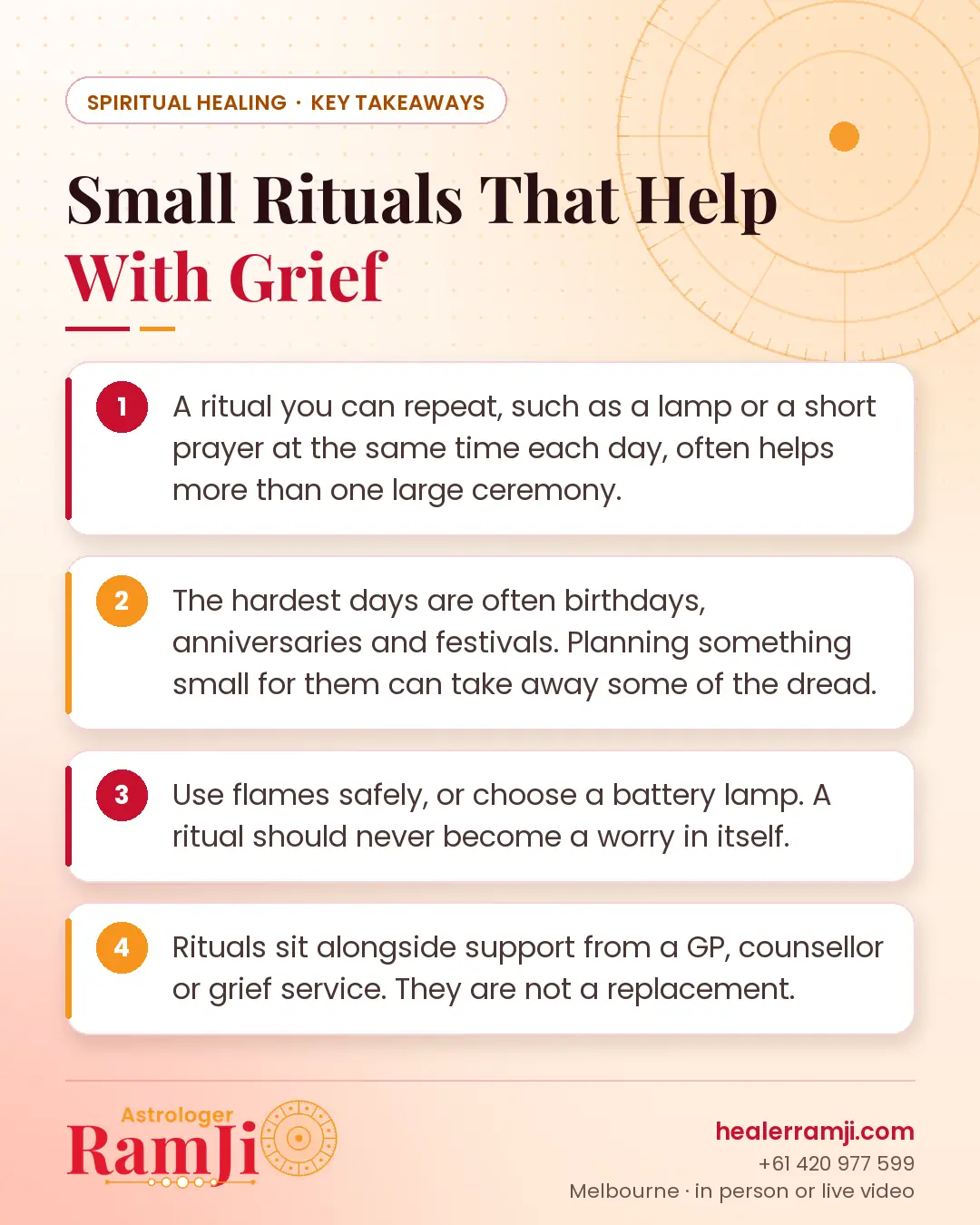
- A ritual you can repeat, such as a lamp or a short prayer at the same time each day, often helps more than one large ceremony.
- The hardest days are often birthdays, anniversaries and festivals. Planning something small for them can take away some of the dread.
- Use flames safely, or choose a battery lamp. A ritual should never become a worry in itself.
- Rituals sit alongside support from a GP, counsellor or grief service. They are not a replacement.
Why do small rituals help some people?
Grief can make time feel shapeless. A ritual gives it a little structure. It also gives love somewhere to go when the person is no longer there to receive it. healthdirect notes that every person grieves differently, and that honouring someone's memory may help you process your emotions. It suggests ideas like collecting photos, writing a letter to the person and sharing stories with loved ones.
Rituals don't fix grief or make it move faster. They can make some days a little easier to get through, and that is enough reason to try one.
How do you keep a daily lamp safely?
Lighting a diya or candle is one of the most common remembrance practices in Hindu homes, and in many other faiths too. You might light it in the morning before work, or at dusk, beside a photo of the person.
The CFA's advice on candles and incense is to put them on a stable, hard surface at least one metre from anything that can catch fire easily, never leave them burning with no one around, and put them out before you go out or go to sleep. In practice, that means a short lamp time while you are in the room, not an all-day flame. If you live in an apartment, work long shifts or have small children, an electric diya or battery candle is a perfectly good choice. The meaning comes from you, not the fuel.
What could a daily prayer look like?
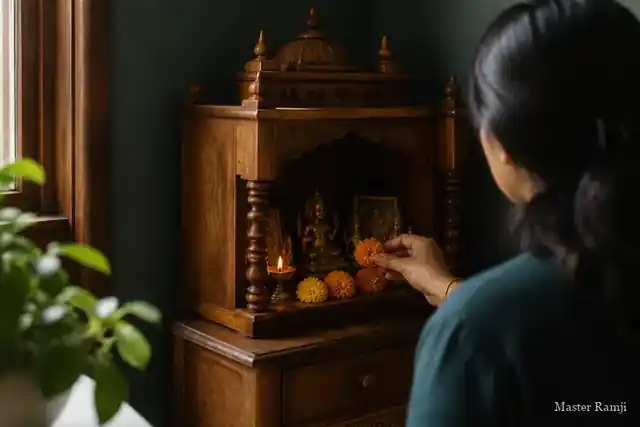
It can be very short. A few ideas:
- Say the person's full name, followed by a line from a prayer your family used.
- Repeat a familiar mantra a small number of times, such as eleven, while thinking of them.
- If you don't pray, say one thing you are grateful to them for, or one thing you wish you could tell them.
Some people like to pair the prayer with the lamp so the two become one habit. Others pray at a different time, like on the walk to the train. Either works.
How do you set up a remembrance shelf?
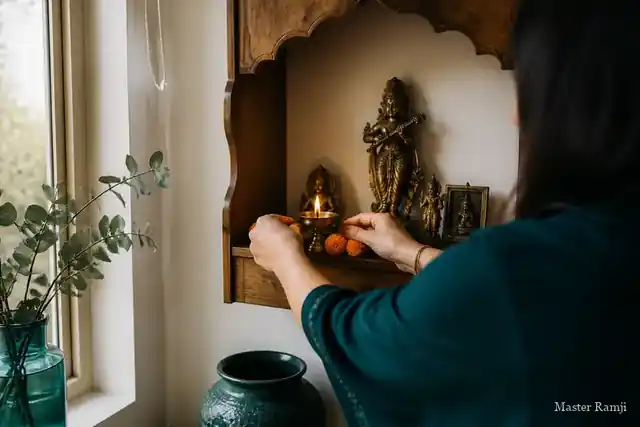
A small space in the home can hold memories without taking over a room. Many families use part of the home mandir. Others choose a shelf in the lounge. You might include:
- a photo you love, not only the formal funeral picture
- something they used, such as glasses, a watch or a shawl
- a fresh flower or a small dish of something they liked to eat
- a notebook where family members can write a line when they think of them
Customs differ about where an image of the departed should sit, and some families keep it apart from deity images. If you aren't sure, ask an elder or your family priest. There is room for your own preference too.
Which remembrance dates can you keep?
Certain days tend to bring grief to the surface. healthdirect lists birthdays, anniversaries and holidays among them, and suggests a simple ceremony such as lighting a candle, playing music or gathering with family. Within Hindu tradition, families may also keep:
- The death anniversary. Many families mark it by the lunar date, or tithi, which falls on a different calendar day each year. Our guide on performing shraddha away from India explains how families work out that date here.
- Monthly remembrance in the first year. Some families offer a small prayer or food once a month until the first anniversary.
- Pitru Paksha. The fortnight set aside for ancestors each year. Our article on observing Pitru Paksha in Australia covers what families keep.
- Their birthday and favourite festival. Cooking their dish at Diwali, or visiting a place they loved, can be its own ritual.
Write the dates in your calendar early. Knowing a hard day is coming, and having a small plan for it, often helps more than hoping it slips by.
Can giving be part of remembrance?
Yes. Giving food or a donation in someone's memory is a long tradition in many faiths. It doesn't need to be large. You might donate to a food relief group on their birthday, or give your time to a cause they cared about. Give what you can afford, and never borrow to do it.
What if the formal rites happened somewhere else?
Many people in Australia couldn't travel for a parent's last rites, or watched them on a phone. That can leave a feeling of something unfinished. A home ritual won't replace being there, but it can be a way to take part. You might keep the lamp on the days the family overseas are holding rites, or say a prayer at the same hour they do. If you need the background on the rites themselves, read about Hindu rites after a death in Melbourne.
What if a ritual starts to feel like a burden?
It's fine to change it. If lighting the lamp every day turns into guilt when you miss one, move to once a week. If the shelf feels too painful, put some items away for a while. Rituals are meant to serve you. Missing one is not a failure, and it doesn't harm the person you lost, whatever anyone says.
When should you look for more support?
healthdirect suggests seeking help if grief has been distressing for 12 months or more, or keeps getting in the way of daily life. You don't have to wait that long if you are struggling now. Your GP is a good first step, and Griefline offers free grief support. If you are thinking about harming yourself, call Lifeline on 13 11 14, or 000 in an emergency.
Would it help to talk it through?
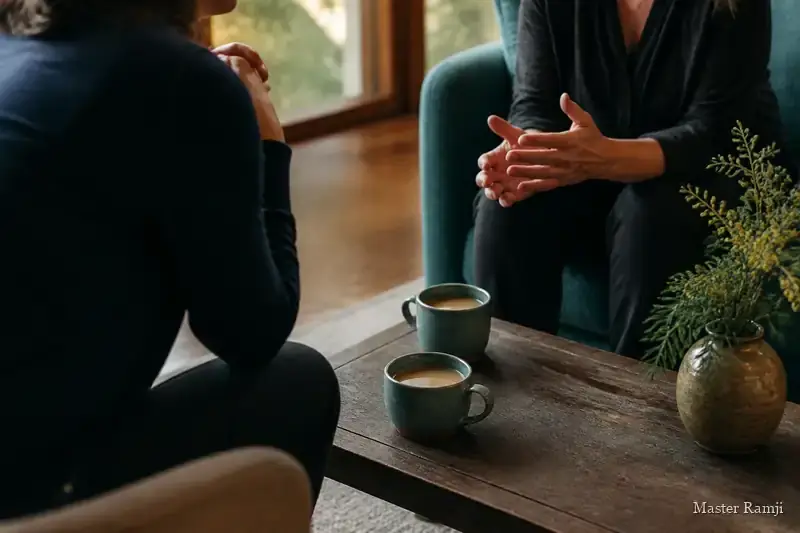
If you'd like to work out which practices suit your family's tradition and your own beliefs, spiritual support through grief offers a calm conversation, prayer and simple remembrance ideas. No chart is needed. What you share is confidential, and sessions can be held by phone, WhatsApp or video. When you're ready, please get in touch.
Related service
Keep reading
Loneliness After Migrating to Australia
Feeling lonely after migrating to Australia is common and nothing to be ashamed of. Ways to rebuild connection through faith, community and small steps.
Read article →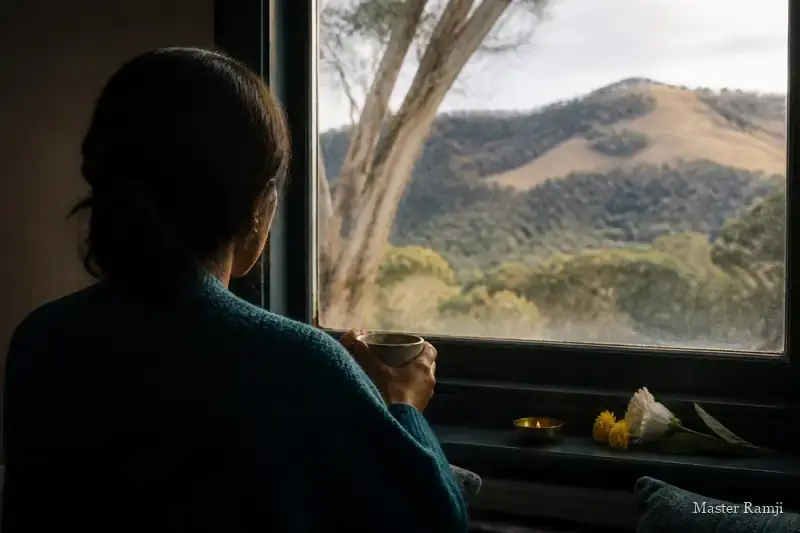
When Your Life Feels Stuck
Life feels stuck? How to tell a hard season from something that needs real help, small steps to try this week, and where prayer or astrology can and can't fit.
Read article →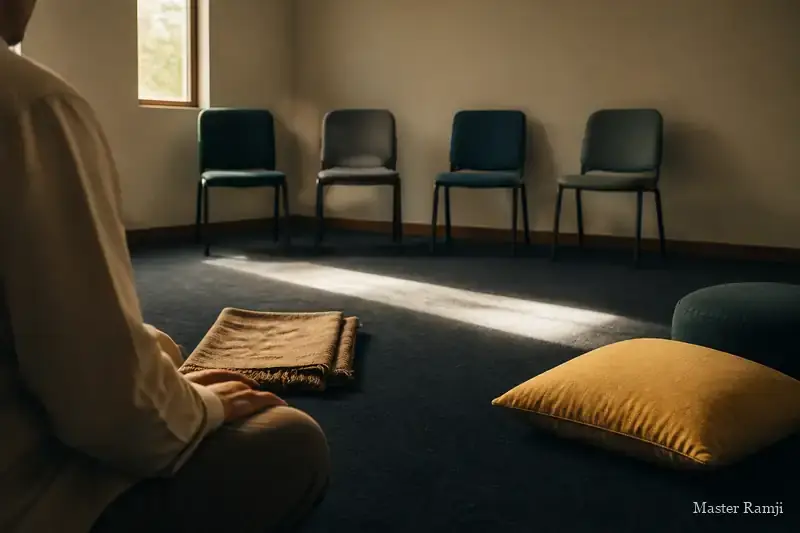
Prayer and Anxiety: What Helps
Looking for a Hindu prayer for anxiety? How prayer and mantra can offer comfort, how to keep it gentle, and why it belongs beside proper care, never instead.
Read article →Quick answers
Can an astrologer help with grief?
An astrologer can offer ritual and a listening ear in grief, but not counselling. Here is what to expect, where the limits sit, and where to find real support.
Read answer →What is energy healing?
Energy healing rests on the belief in a life force that can be guided. Here is what a session involves, and what the evidence does and doesn't show.
Read answer →Talk to Vijay Ramji
Tell us what you are facing. If a reading is unlikely to help, you will be told that plainly.