
A Hindu Festival Planner for Regional Victoria
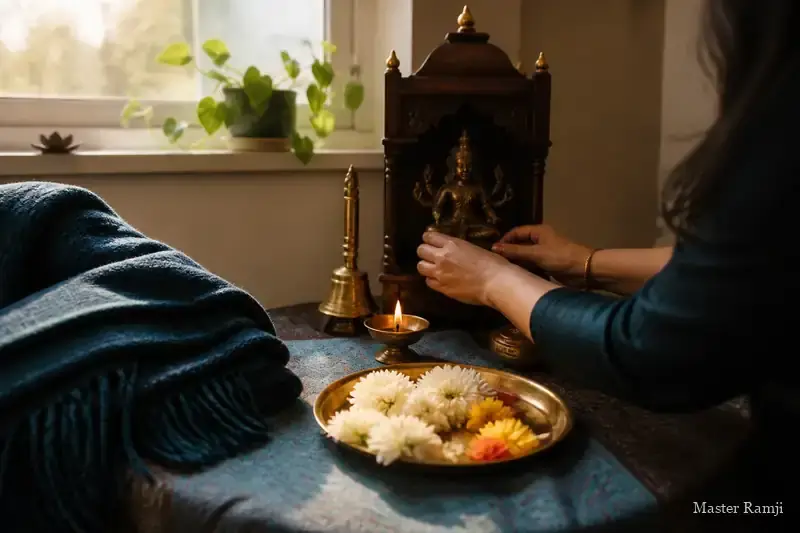
A Hindu festival calendar for Victoria can't be copied from India or from last year. Most dates follow lunar days, and the day is worked out from local sunrise, so dates in regional Victoria can land a day apart from India. Check a Melbourne-based panchang or your temple's calendar, then plan travel and home observance around it.
If you live in Ballarat, Bendigo, Shepparton or further out, a festival often means a choice. Do you make the trip to a large Melbourne temple, join a smaller local gathering, or keep the day at home? Each option needs a little planning, and that starts with knowing which day the festival actually falls on.
This page won't list dates, because they change every year and differ between traditions. Instead it explains how dates are set, why Victoria and India sometimes disagree, and how to plan around both.
Key takeaways
- Most Hindu festivals follow the lunar calendar, so their Gregorian date moves each year.
- The festival day is usually fixed by what is happening at local sunrise. Melbourne and India can differ by a day.
- Your own temple or a panchang set for Melbourne is the most reliable guide.
- Plan travel early, and check for train works before a big festival weekend.
How are Hindu festival dates set?
Most festivals are tied to a tithi, or lunar day. A lunar month has thirty tithis across a bright half and a dark half. As the Hindu calendar explains, a tithi can begin in the middle of one afternoon and end the next afternoon, so it doesn't line up neatly with a calendar day.
Twelve lunar months add up to about 354 days, roughly eleven days short of a solar year. To keep festivals in their seasons, an extra month, called adhika masa, is added about every 32 or 33 months. That's why a festival can move by several weeks between one year and the next.
A few festivals follow the sun instead of the moon. Pongal and other Sankranti festivals are tied to the sun entering a new sign, so they move very little on the Gregorian calendar. Tamil Nadu, Kerala, West Bengal, Odisha and Assam also use their own solar calendars for some purposes.
Traditions also count months differently. In the amanta system a month ends at the new moon, and in the purnimanta system it ends at the full moon. The festival is the same day either way, but the month name in a family calendar may not match the one at your temple.
Why can Victorian dates differ from India's?
The usual rule is that a festival is observed on the day when the right tithi is present at sunrise, or during a set part of the day such as midnight or evening for some observances. Sunrise in Victoria happens hours before sunrise in India. Melbourne is four and a half hours ahead of Indian time in winter, and five and a half during daylight saving.
So a tithi that is in force at sunrise in Delhi may already have ended by sunrise in Bendigo, or may not have started yet. When that happens, the festival in Victoria falls a day earlier or later than in India. Neither is wrong. Each follows the same rule for its own place. Our piece on why festival dates differ in Australia covers more of the astronomy.
Family customs add another layer. Some households keep the date their relatives in India keep, so everyone prays on the same day. Others follow the local temple. Talk this through as a family before the day, so there's no last-minute confusion.
How do you check the right date?
- Start with your temple. Many temples publish a festival calendar or newsletter. Use one that follows your own tradition and region.
- Use a panchang set for Melbourne. Many apps and printed panchangs let you choose a location. Make sure it says Melbourne, not Delhi or Chennai.
- Check the time window, not just the day. Some observances depend on a muhurat or a fasting window that may start late in the evening.
- Confirm again closer to the time. Temple programs can change, and community events are sometimes held on a nearby weekend.
If you need a specific window for a family puja or event, muhurat date selection can work out a time for your location and tradition.
Should you travel to a Melbourne temple or stay local?
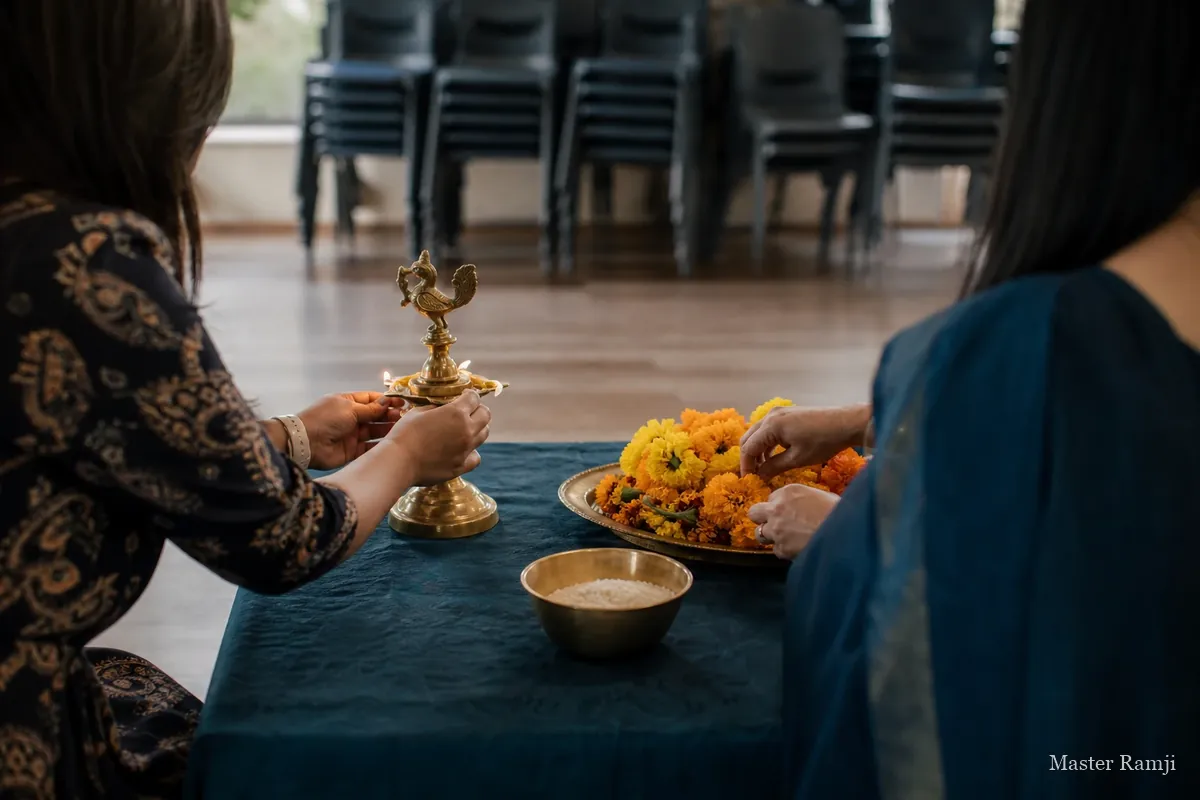
Both are good choices. Large Melbourne temples have long histories of festival worship. The Shri Shiva Vishnu Temple's own history, for example, notes that festivals such as Thai Pongal, Hindu New Year and Diwali have been celebrated at its Carrum Downs site since the mid-1980s. For many regional families it's a long trip, but a memorable one.
Regional cities also have their own community celebrations. If you're in Ballarat, our newcomer's guide to Ballarat's Ganesh festival is one example of what happens closer to home. Ask your local Indian association or cultural group what's planned for your area.

What should you plan for the trip itself?
- Check train works. V/Line's service changes page lists planned works where coaches replace trains. It also notes that pets and hot food or drinks aren't allowed on replacement coaches, which matters if you're carrying cooked offerings.
- Allow for crowds. Major festival days draw large numbers. Parking and queues can take longer than you expect.
- Pack for the weather. Some festivals fall in the hotter months and some in winter. Bring water, and dress for long waits outside.
- Book accommodation early if you're staying overnight, especially on long weekends.
- Ask the temple first about opening times and any rules for offerings. Don't rely on old information online.
How can you keep a festival at home?
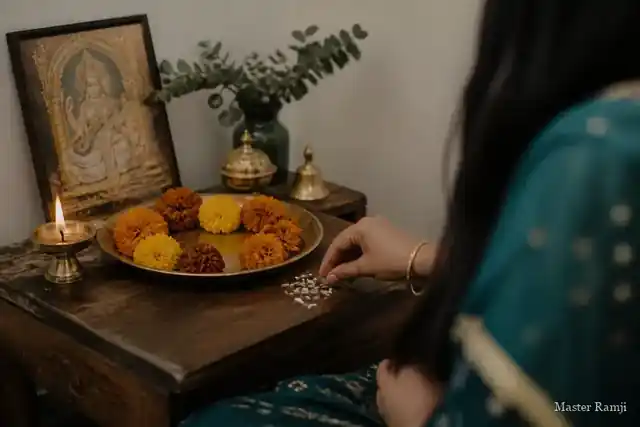
Not every year allows a trip, and that's fine. Many families keep festivals at home around shifts, school and farm work. A clean shrine, a lamp, a simple offering and a story told to the children can carry the meaning of the day. For a nine-night festival, our guide to keeping Navratri at home around a work week has ideas for spreading observance across busy evenings.
If you light lamps or incense, keep them on a stable surface away from curtains, and never leave them burning unattended.
Can a festival date be "wrong" for you?
Some people worry that observing on the "wrong" day cancels the benefit. In most traditions, sincere observance matters far more than a few hours' difference. Astrology and ritual timing are traditions and beliefs, not proven science, and no calendar can promise a particular outcome. Do what is meaningful and practical for your family.
Need help planning the year?
If you'd like help choosing dates for a family puja, a visit to Melbourne or a home observance, sessions can be held by phone, WhatsApp or video. You can also see our page for families in regional Victoria or get in touch with a question.
Related service
Keep reading
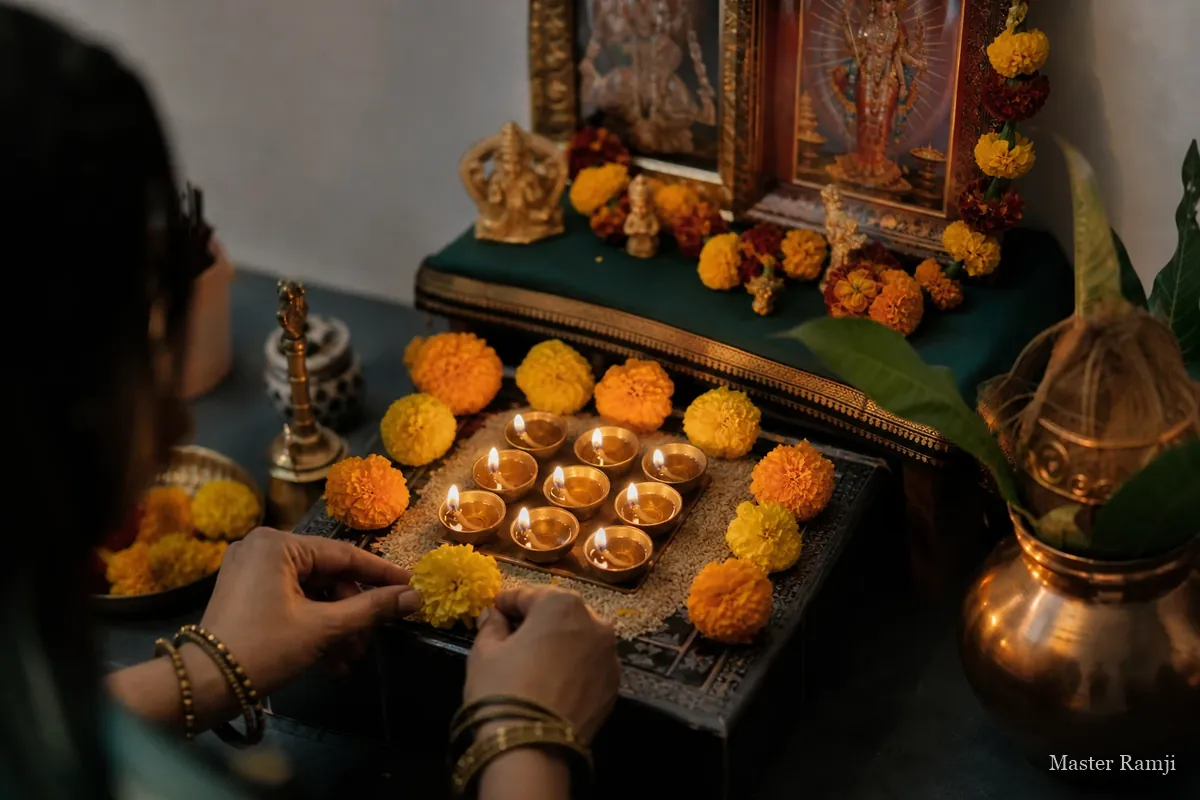
What Is a Graha Shanti Puja Meant to Do?
What a graha shanti puja is meant to do, what usually happens during the rite, what it cannot change, and the questions to ask before you agree to one.
Read article →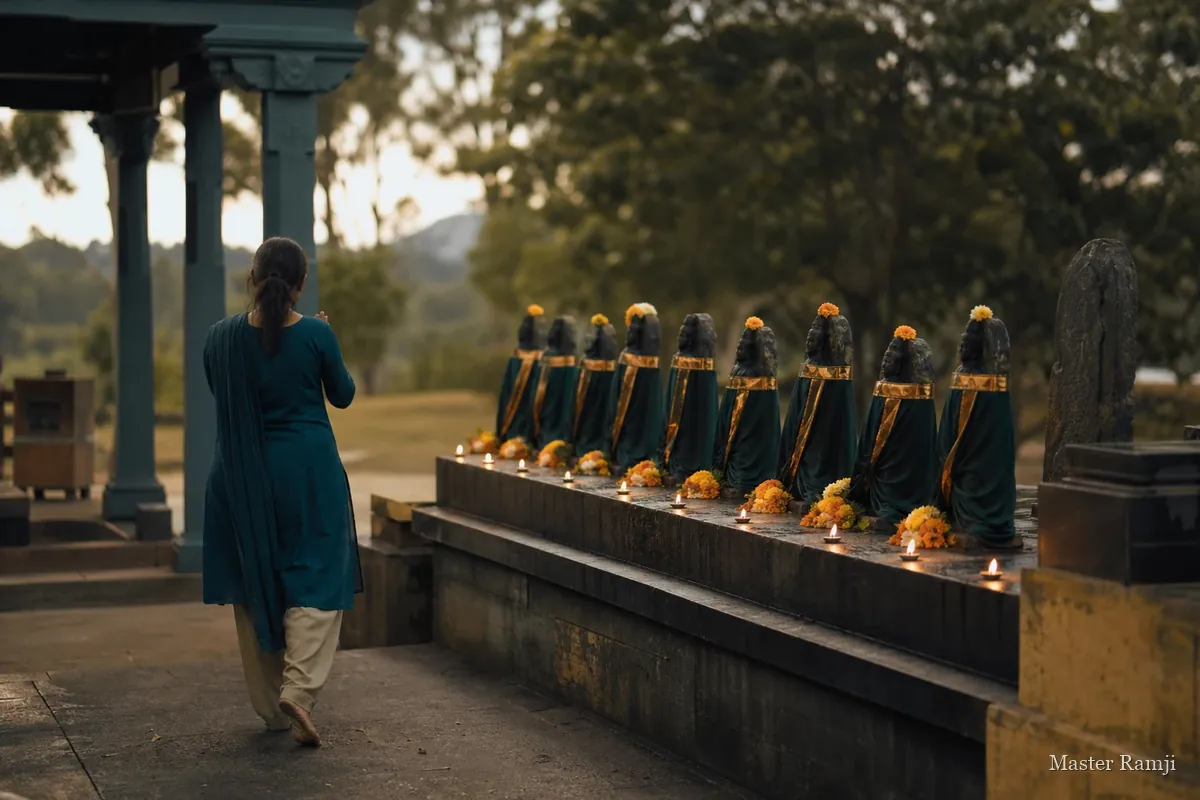
Visiting a Navagraha Shrine: A Beginner's Guide
First time at a Navagraha shrine? How to walk around it, how many rounds to take, what to say, what to offer, and which temple customs differ from place to place.
Read article →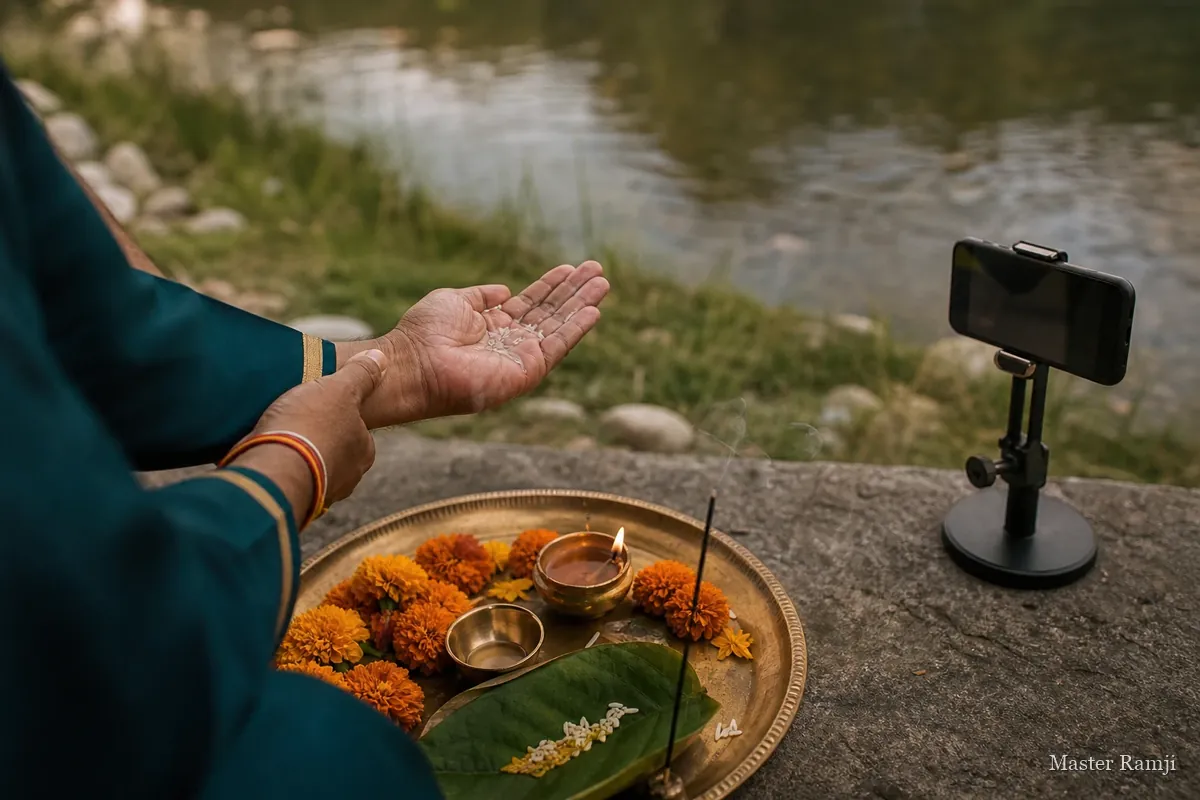
How a Puja Performed on Your Behalf Works
How a puja on your behalf works: the sankalp, your name and gotra, what to do if you don't know your gotra, and what any provider should show you.
Read article →More from Regional Victoria
Where to Pray in Geelong
Looking for a Hindu temple in Geelong? Local groups to contact, what to confirm before you go, and options for prayer when you can't travel.
Read article →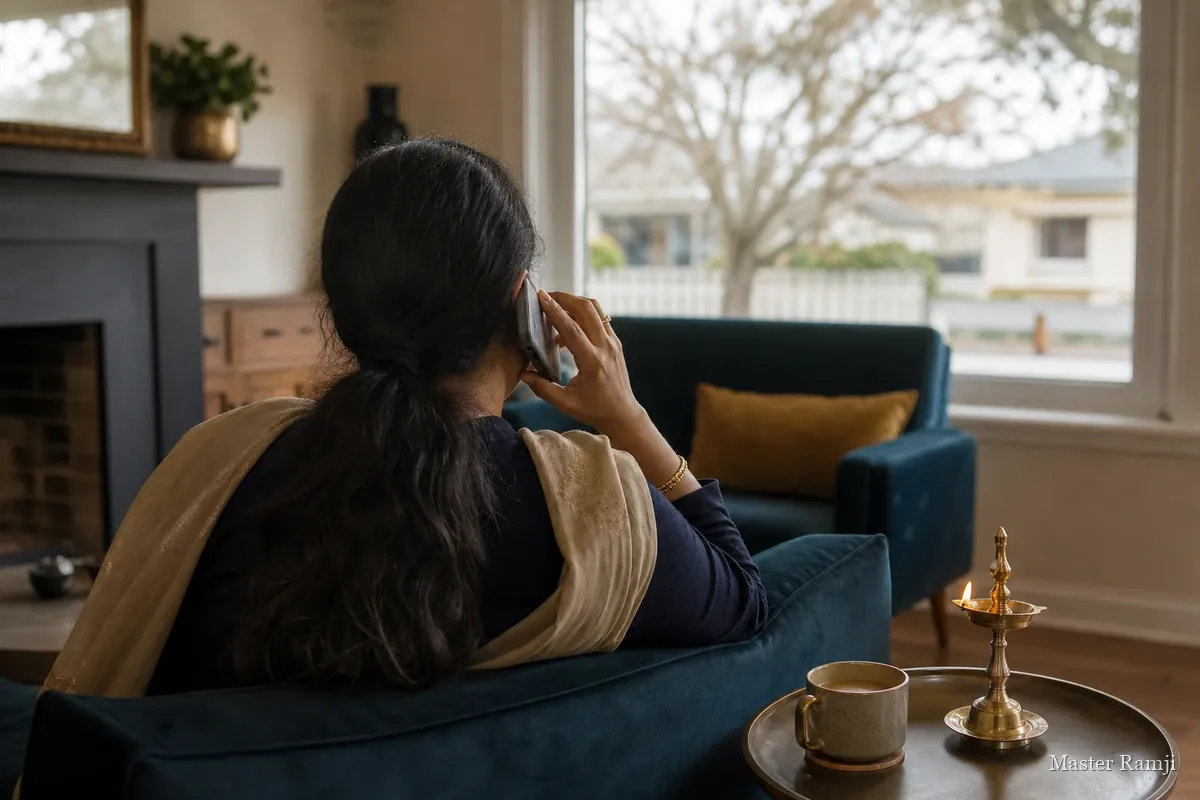
Seeing a Melbourne Astrologer From Geelong
Thinking of seeing a Melbourne astrologer from Geelong? Why a phone, WhatsApp or video session usually makes more sense than a trip up the Princes Freeway.
Read article →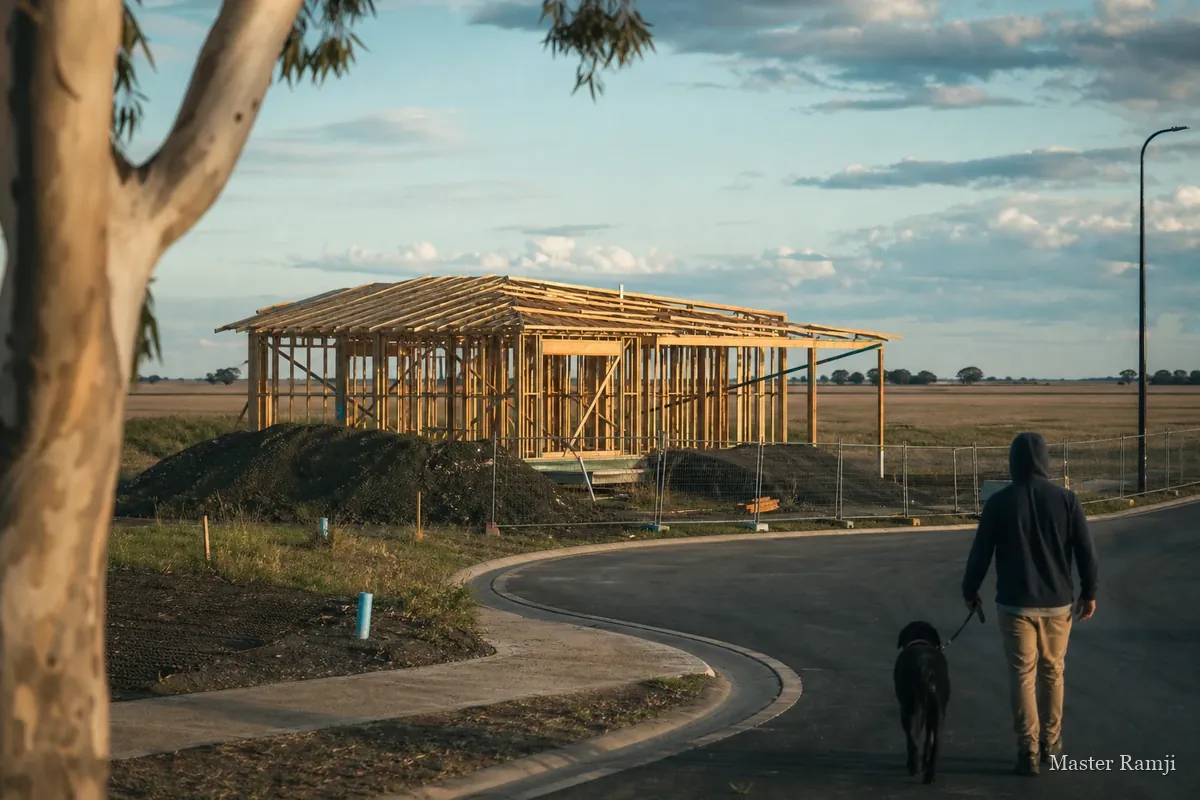
Vastu for New Homes in Armstrong Creek and Geelong
Building in Armstrong Creek or buying on the Bellarine? A vastu guide for Geelong's new estates and coastal homes, covering lot shape, water, wind and overlays.
Read article →Local pages
Astrologer for Geelong
For Geelong residents asking about vastu in Armstrong Creek, life after Deakin or worship in a smaller community. Sessions by phone, WhatsApp or video.
View area →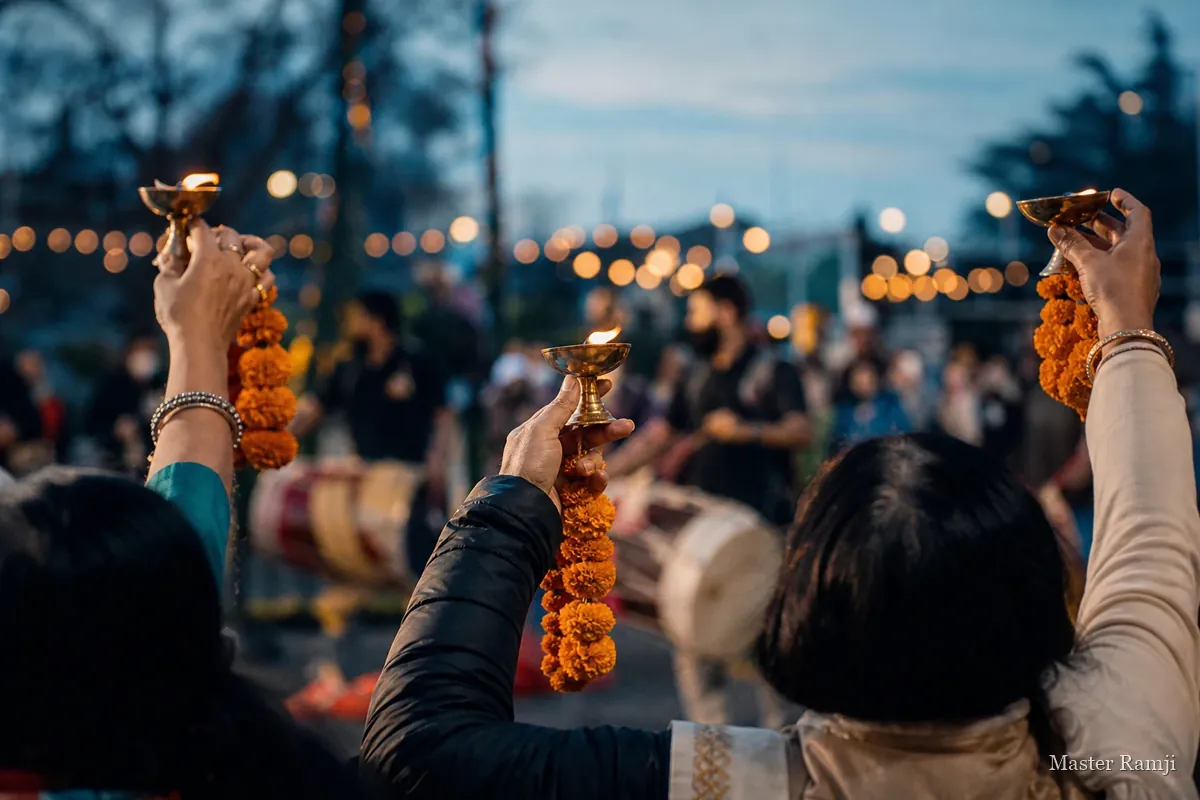
Astrologer for Ballarat
For Hindu families settling in Ballarat: older homes, cold winters and keeping traditions going. Vedic astrology by phone, WhatsApp or video, from Ascot Vale.
View area →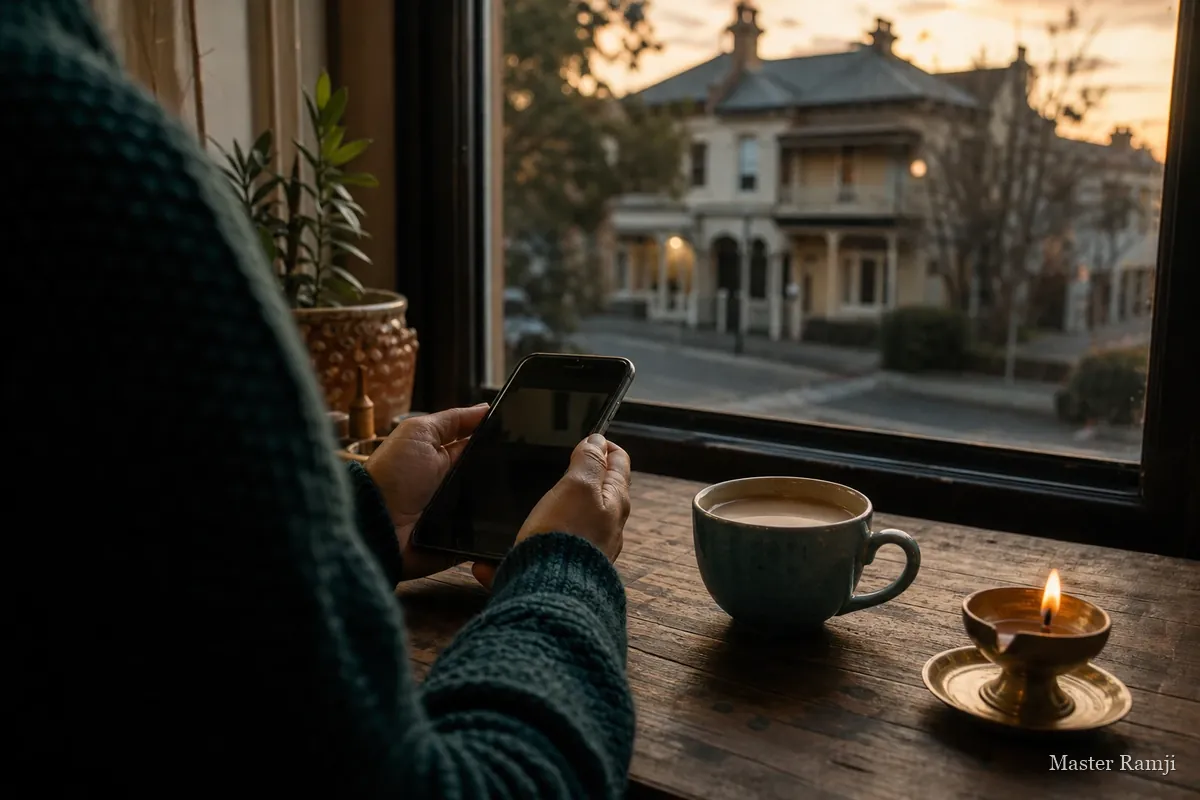
Astrologer for Bendigo
For people in Bendigo far from Melbourne's big temples: finding a match, goldfields homes and home worship. Vedic astrology by phone, WhatsApp or video.
View area →Quick answers
What is a muhurat?
A muhurat is an auspicious date and time chosen for an important start, such as a wedding. Learn how it is chosen, and why local time in Melbourne matters.
Read answer →What is a puja?
A puja is a Hindu act of devotional worship, at home or in a temple, with offerings such as flowers, light and food. Here is what it usually involves.
Read answer →Talk to Vijay Ramji
Tell us what you are facing. If a reading is unlikely to help, you will be told that plainly.