
Grieving a Parent From the Other Side of the World
Grieving a parent overseas often feels unreal, because daily life here carries on and you may have missed the rites. It helps to make the loss visible where you live: tell people, keep a small remembrance place, mark anniversaries, and lean on others. If grief stays heavy or disrupts daily life, see your GP or a grief service.
If your mother or father has died in another country, we are very sorry. This page is not about the first few hours. It is about what comes after: the weeks when the calls stop, the rites have ended on a screen, and you are back at work in Australia as if nothing happened.
Many migrants describe this stage as the hardest. The loss is enormous, yet almost no one around you saw it. Here are some ways to carry it, and some signs that it is time to ask for more help.
Key takeaways
- Distance grief often feels unreal at first. That is common, not a sign you didn't love your parent.
- You may be grieving more than one thing: the person, the home they kept, and the future visits you had planned.
- Making the loss visible where you live can help it feel real and shared.
- If grief stays heavy or gets in the way of daily life, real support is available.
Why can grieving from overseas feel so strange?
At home, a death usually brings people to the door. Relatives sit with you, neighbours bring food, and the rites give each day a shape. From here, you may have watched the cremation on a phone, then hung up and heard the washing machine finish.
Without those familiar markers, the mind can struggle to accept what happened. Some people keep expecting the Sunday video call. Others feel numb and then guilty for feeling numb. Your colleagues may never have met your parent, so there are few people who share the memory with you.
healthdirect notes that grief can come in waves, fading for a while before coming back, and that religious and cultural factors shape how people grieve. Distance is one more factor, and it often makes the waves arrive later.
What else might you be grieving?
Losing a parent abroad can bring several losses at once:
- The house. The home you grew up in may be sold or emptied, often by siblings, while you are far away.
- The reason to visit. Trips back were built around your parent. Without them, home may feel less like home.
- The surviving parent. You may now worry constantly about a mother or father living alone.
- The role you expected. You may have pictured caring for your parent in old age, or performing the rites yourself.
Naming these separately can help. It explains why grief seems to come back each time a new piece of news arrives from home.

How can you make the loss real where you live?
Small acts can give the grief a place in your Australian life:
- Tell people. Let your manager and a few colleagues know. A short message is fine. Many people stay quiet because they think others won't understand, and then feel more alone.
- Hold a gathering here. Invite friends to a simple prayer meeting or a meal in your parent's memory. People who never met them can still hear about them.
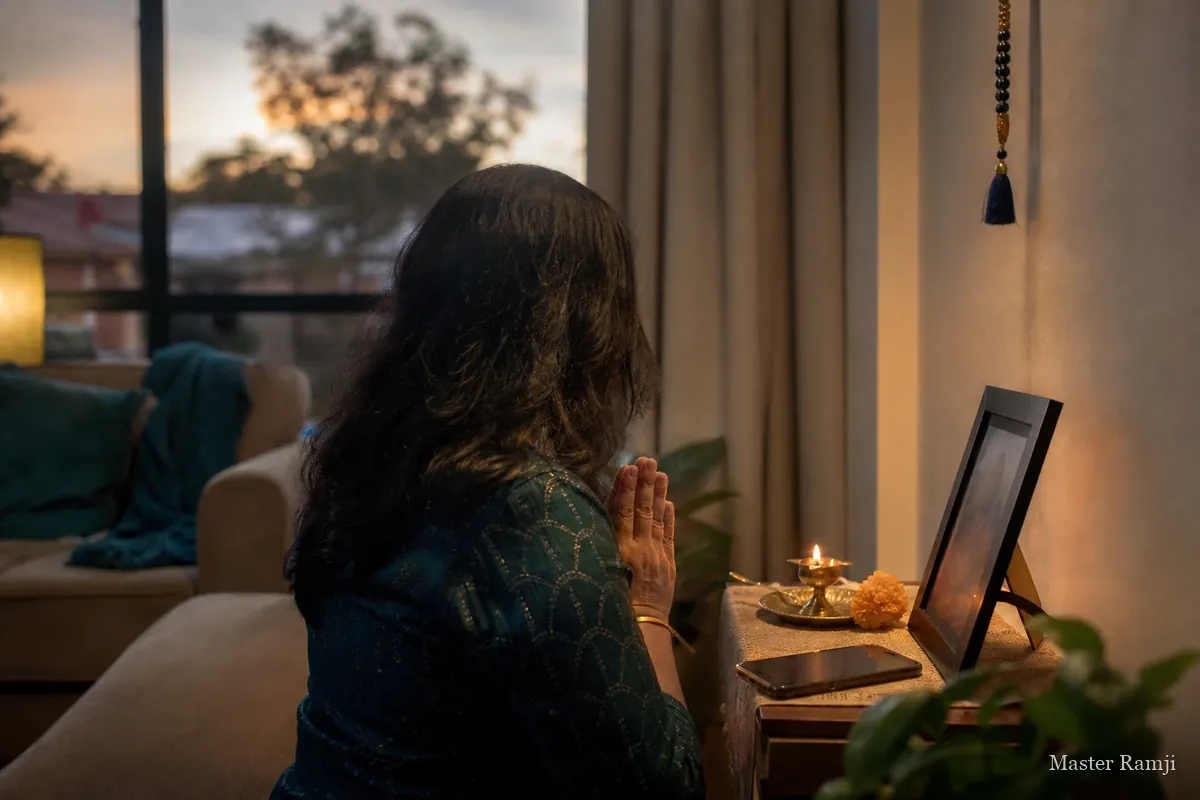
- Keep a remembrance place. A photo, a flower and a lamp or candle on a shelf gives you somewhere to stop each day.
- Cook their food. Making a dish your parent made is a way of keeping them in the house.
- Write to them. A letter saying what you didn't get to say can ease some of what was left unfinished.
Our article on small rituals that help with grief has more quiet ideas. If your family will hold later rites, such as the yearly remembrance, our guide to performing shraddha away from India explains what families often adapt.
How do you manage family calls and decisions from far away?
After a death, the family group chat can become overwhelming. Messages come in at all hours across time zones, and there may be disagreements about rites, money or property. It is fine to mute notifications overnight and agree on a set time to call.
If siblings are making decisions without you, say clearly what matters to you, such as keeping a few of your parent's belongings. Leave the rest to those on the ground if you can. Questions about a will or property overseas need a lawyer in that country, not a family argument at midnight.
What if you were grieving before the death?
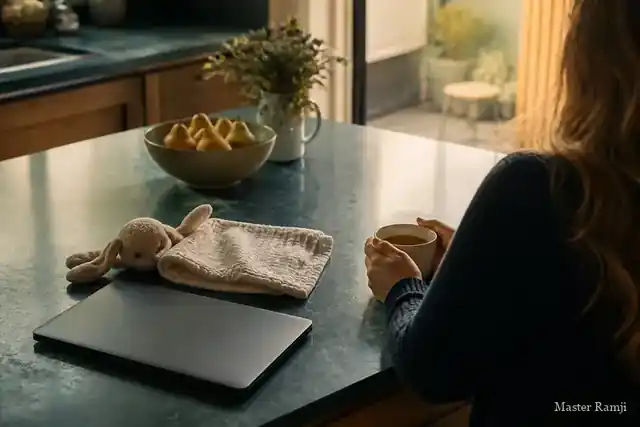
Many people living here watch a parent decline from a distance first. Each call brings news of a fall, a hospital stay or a memory fading. You may have made one rushed trip and then had to come back for work or children. That stretch of waiting and worrying is a kind of grief too, and it can leave you exhausted by the time the death comes. Be gentle with yourself about how tired you feel.
How do you get through the first year?
healthdirect points out that birthdays, anniversaries and holidays can trigger intense feelings, and suggests marking them with something simple, such as lighting a candle or gathering with family. Plan ahead for the dates that will be hard:
- Your parent's birthday and the first death anniversary
- Major festivals, such as Diwali, Eid, Christmas or Vaisakhi, when you would usually have called
- Mother's Day in May or Father's Day in September, which Australian shops make hard to ignore
Decide in advance what you will do on each one, even if the plan is simply to take the day off and sit somewhere quiet.
How can you talk to children raised here?
Your children may have met their grandparent only on screen or on a few visits. Tell them simply what happened and let them ask questions. Show them photos, tell them stories, and involve them in lighting the lamp or cooking the dish. It helps them grieve too, and it keeps the connection alive for the next generation.
When should you seek more support?
There is no correct length of time to grieve. healthdirect suggests getting help if your grief has been distressing for 12 months or more, if sadness persists, or if it disrupts daily life. You don't have to wait that long if you are struggling now. Your GP can talk through counselling options.
Griefline offers free, confidential grief support. Beyond Blue is on 1300 22 4636 if you are feeling low or anxious. If you are having thoughts of harming yourself, call Lifeline on 13 11 14 at any hour, or 000 in an emergency. Migrants sometimes feel they must cope alone. Reaching out is not a failure of strength or faith. If loneliness has been building for a while, our article on loneliness after migrating to Australia may also help.
Can spiritual support help?
Be careful of anyone who says your parent's soul is suffering, or that a costly ritual must be done quickly to avoid bad luck. Fear is a poor reason to spend money while you are grieving.
Some people want to talk about faith, duty and loss with someone who understands their tradition. Spiritual support through grief is a confidential conversation about remembrance and ritual. It is not counselling, and it can't bring messages from the person you lost. Sessions can be held by phone, WhatsApp or video. When you feel ready, and only if it would help, get in touch.
Related service
Keep reading

Small Rituals That Help With Grief
Simple rituals for grief at home: a lamp, a daily prayer with their name, a remembrance shelf and the dates worth keeping, done safely and at your own pace.
Read article →
Loneliness After Migrating to Australia
Feeling lonely after migrating to Australia is common and nothing to be ashamed of. Ways to rebuild connection through faith, community and small steps.
Read article →
When Your Life Feels Stuck
Life feels stuck? How to tell a hard season from something that needs real help, small steps to try this week, and where prayer or astrology can and can't fit.
Read article →Quick answers
Can an astrologer help with grief?
An astrologer can offer ritual and a listening ear in grief, but not counselling. Here is what to expect, where the limits sit, and where to find real support.
Read answer →What is energy healing?
Energy healing rests on the belief in a life force that can be guided. Here is what a session involves, and what the evidence does and doesn't show.
Read answer →Talk to Vijay Ramji
Tell us what you are facing. If a reading is unlikely to help, you will be told that plainly.