
Hosting a Satyanarayan Katha in Niddrie
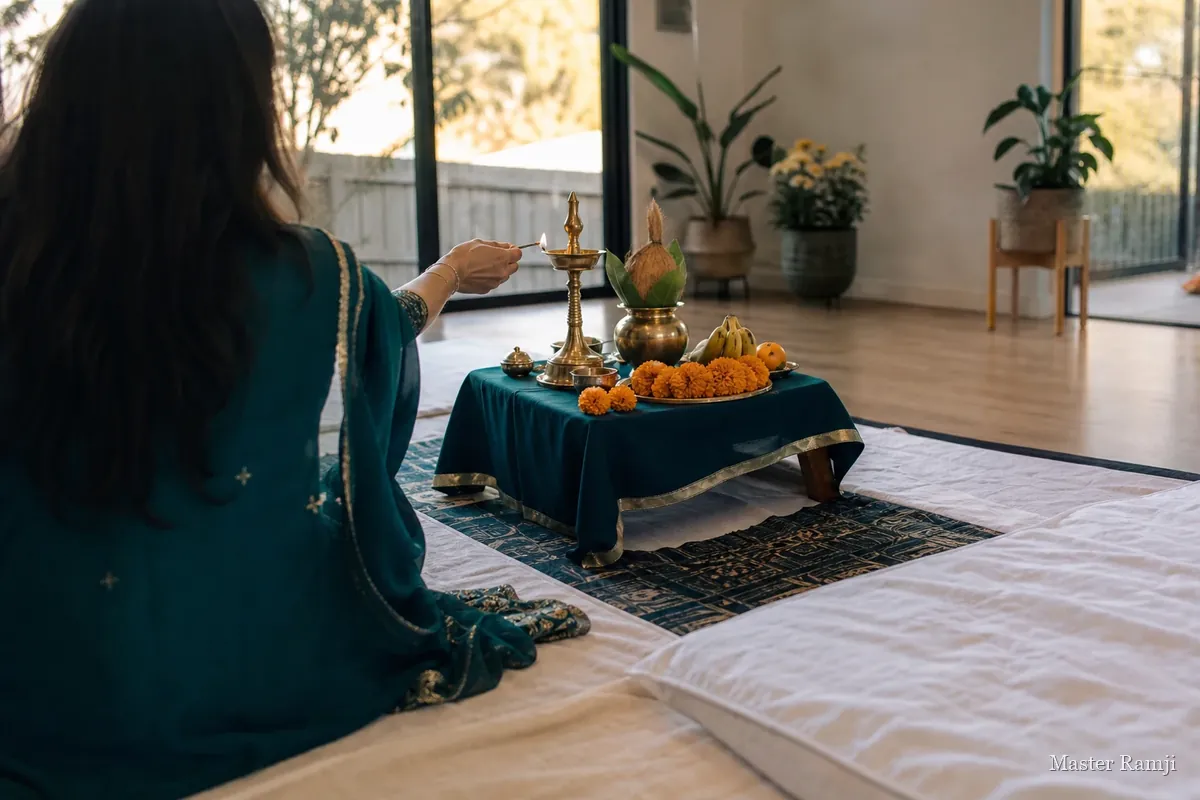
To host a Satyanarayan katha in a small Niddrie home, clear one room for a low altar and floor seating, and invite close family for the puja and others for aarti and prasad. Make the prasad in manageable batches and keep milk-based offerings cold until serving. The katha is an act of gratitude, not a guarantee.
Niddrie grew up along Keilor Road. Victorian Places notes that the tram reached Niddrie in 1943, that houses followed from the early 1950s, and that the shopping strip sits where the tram turns north towards Airport West. Homes here are mostly built for everyday family life, not for forty people sitting on the floor.
Across Melbourne, a Satyanarayan puja is one of the most common rites Hindu families hold at home, and it doesn't need a big house. It needs a bit of planning around space, guests and food. This article walks through each.
Key takeaways
- One cleared room with a low altar and floor seating is enough for the puja itself.
- Split your guest list: close family for the full katha, others for aarti and prasad.
- Prasad and panchamrit contain milk, so plan to keep them cold or serve them promptly.
- The katha is about thanks and devotion. It doesn't promise any particular result.
What is a Satyanarayan katha?
It is a puja to Vishnu in the form of Satyanarayana, followed by the reading of a set of stories about people who kept or broke a vow to perform it. The text is usually said to come from the Reva Khanda of the Skanda Purana. The scholarship on Satyanarayan Puja notes that some printed editions of that text don't include it, and several scholars see it as a relatively late addition. That doesn't make it less meaningful to the families who keep it.
Families often hold a katha to give thanks after a new job, a wedding, a birth or a move. Many choose a full moon day by custom, though not every source sets a fixed day. If your family wants a specific date, muhurat selection can suggest options that suit your calendar.
How much space do you really need?
Less than you might think. The puja area itself can be about the size of a single bed. Inside it you need:
- A low table or chowki covered with a clean cloth, with the image of Satyanarayana or a shaligram
- Room for the kalash, lamp, flowers, fruit and the prasad plate
- A place for the priest or reader to sit facing the altar
- Space in front for the hosts to sit during the sankalp and offerings
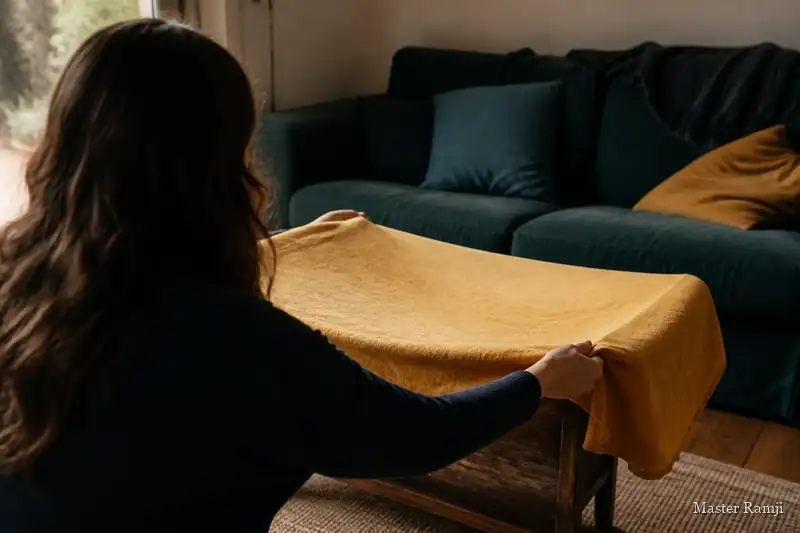
Move couches and coffee tables out of the lounge the day before, or push them against the walls. Lay rugs or clean sheets for floor seating. Leave a clear path from the door to the kitchen so food and guests aren't crossing the altar.
In a townhouse, an open-plan living and dining area often works better than a separate formal room. A sheltered verandah or a cleared garage can hold overflow guests in mild weather.
How many guests can a small home handle?
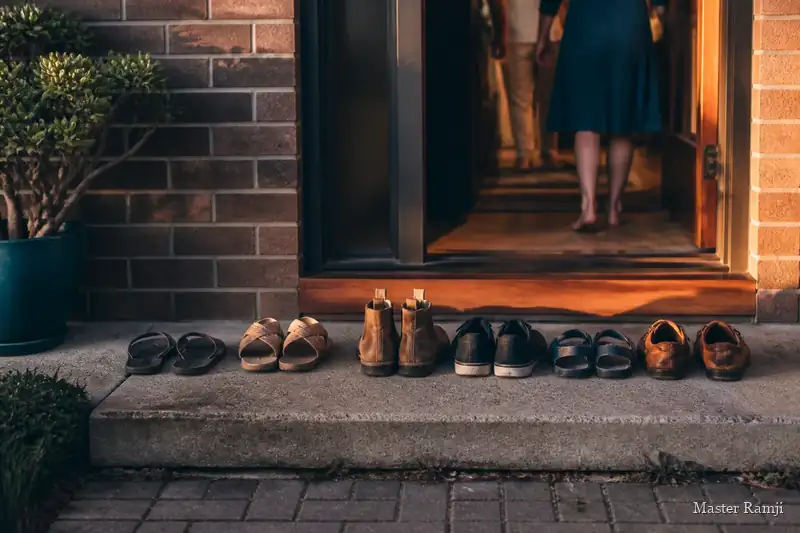
Count how many people can sit on the floor without touching the altar, then be honest about it. If the answer is fifteen, don't invite forty for the same hour. Two simple fixes help:
- Stagger arrivals. Invite close family for the full puja and katha. Invite friends and neighbours for the aarti and prasad at the end.
- Serve the meal in sittings. Elders and children eat first while others chat outside, then swap.
Tell guests about parking on side streets, and mention the Keilor Road tram for anyone coming from the city. A quick word to your neighbours about cars, and when it will finish, goes a long way.
How do you plan the prasad?
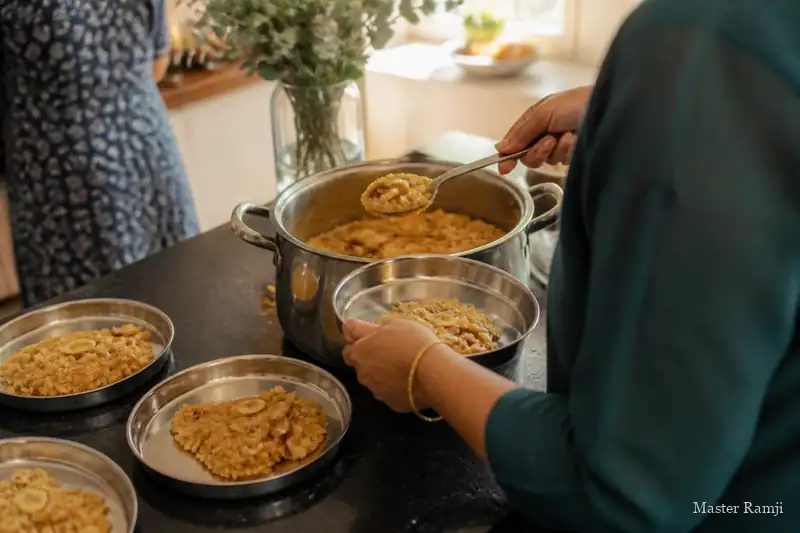
The prasad differs by region. Older descriptions list plantains, ghee, milk, wheat flour and jaggery. Many families today make a semolina or wheat sheera with banana, ghee, milk and sugar, while others prepare panjiri. Panchamrit, made with milk, curd, ghee, honey and sugar, is also common. Follow your family's recipe and the measure your priest gives.
Dairy-based foods are high-risk once they sit at room temperature. Better Health's food safety guidance says to keep high-risk foods out of the danger zone between 5 °C and 60 °C. Food left in that range for up to 2 hours should be refrigerated, reheated or eaten. Between 2 and 4 hours it should be eaten straight away, and after 4 hours it should be thrown out.
In practice, that means:
- Keep panchamrit in the fridge until the moment it's needed for the puja.
- Make the sheera close to the start, and keep the bulk hot or chilled while a small plate is offered.
- Split large batches into shallow trays, which cool faster, before refrigerating leftovers.
- Pack prasad for guests to take home only once it has cooled, and suggest they eat it that day.
Where do you get supplies near Niddrie?
The Keilor Road strip, which Victorian Places calls a busy local centre, covers many basics such as fruit, flowers and milk. Items like banana leaves, a specific puja kit or a particular flour may need a trip to an Indian grocer elsewhere, so check your priest's list a week ahead.
Do you need a priest?
Many families invite a priest, who leads the puja and reads the katha. Others read it themselves from a book in their own language, which some traditions accept. Some hold it with a priest joining by video. Our guide to how remote puja works explains that option.
If you book a priest, ask the fee up front and what it covers. Our article on what a fair puja cost looks like has questions worth asking.
How do you keep a small room comfortable?
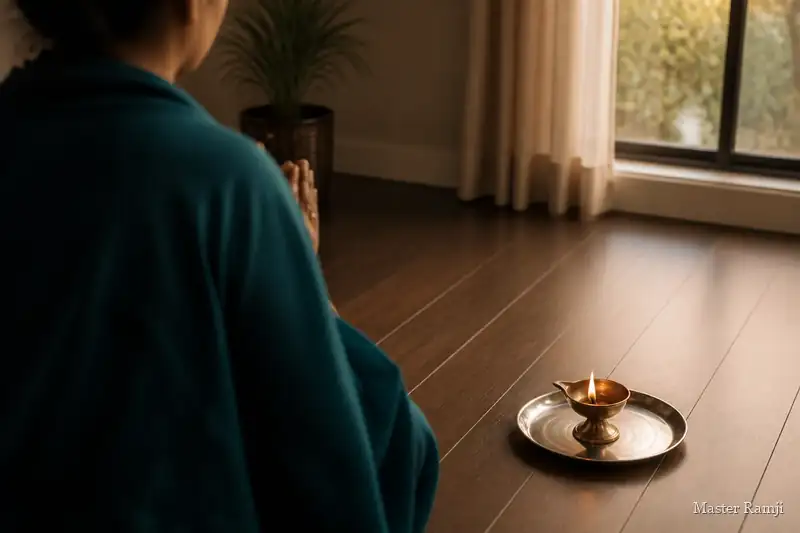
Lamps and incense in a full lounge can make the air heavy quickly. Open a window, keep the lamp on a stable plate away from curtains, and make sure someone is always watching the flame. Keep small children seated with an adult near the front, not wandering behind the altar.
What can a katha do, and what can't it?
A katha brings family together, gives thanks and marks a moment. For many people, that's the whole point. It can't change a medical result, fix money problems or bind anyone's future. If you are weighing a katha against other rites for a specific worry, graha shanti puja explains how those are approached, and a careful guide will be clear about the limits of both.
Sessions can be held by phone, WhatsApp or video. Read about our work in Melbourne's inner north-west, or get in touch.
Related service
Keep reading
Ganesh Chaturthi at Home in Melbourne's North
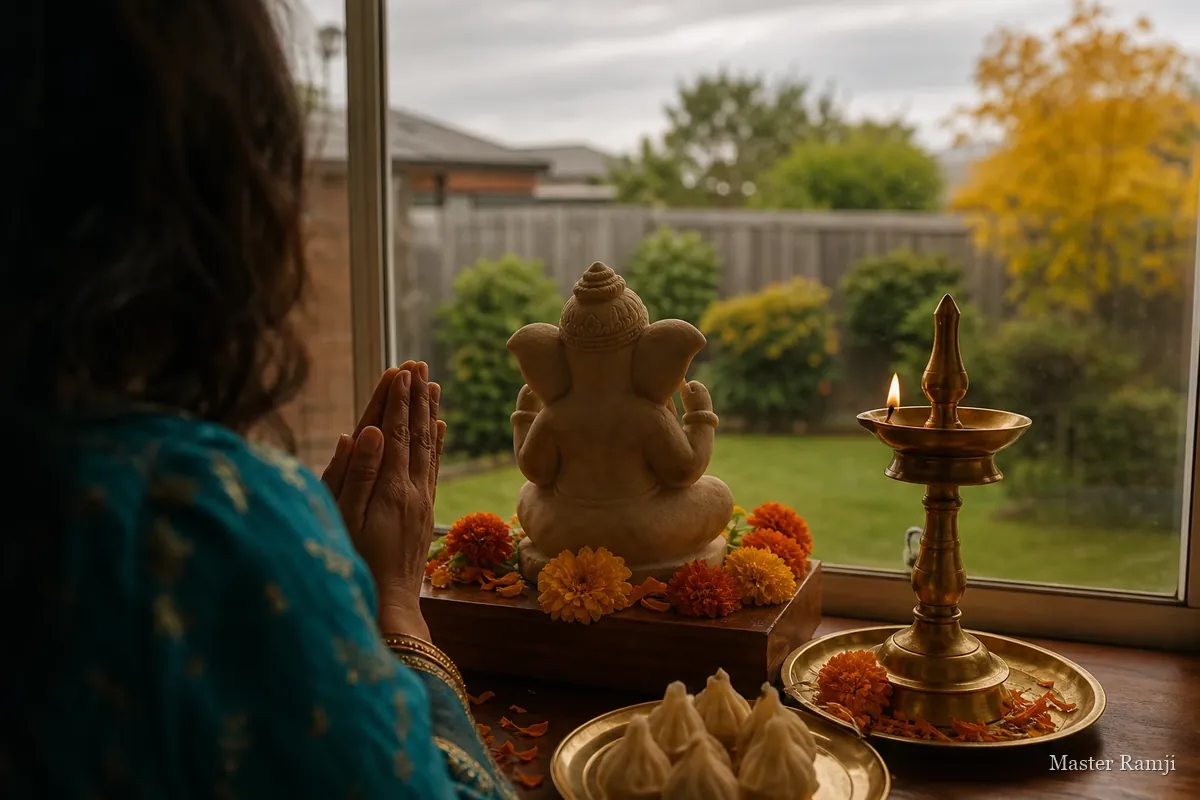
Celebrating Ganesh Chaturthi in Thomastown or Melbourne's north? Choosing a clay murti, doing visarjan at home in a bucket, and keeping offerings out of creeks.
Read article →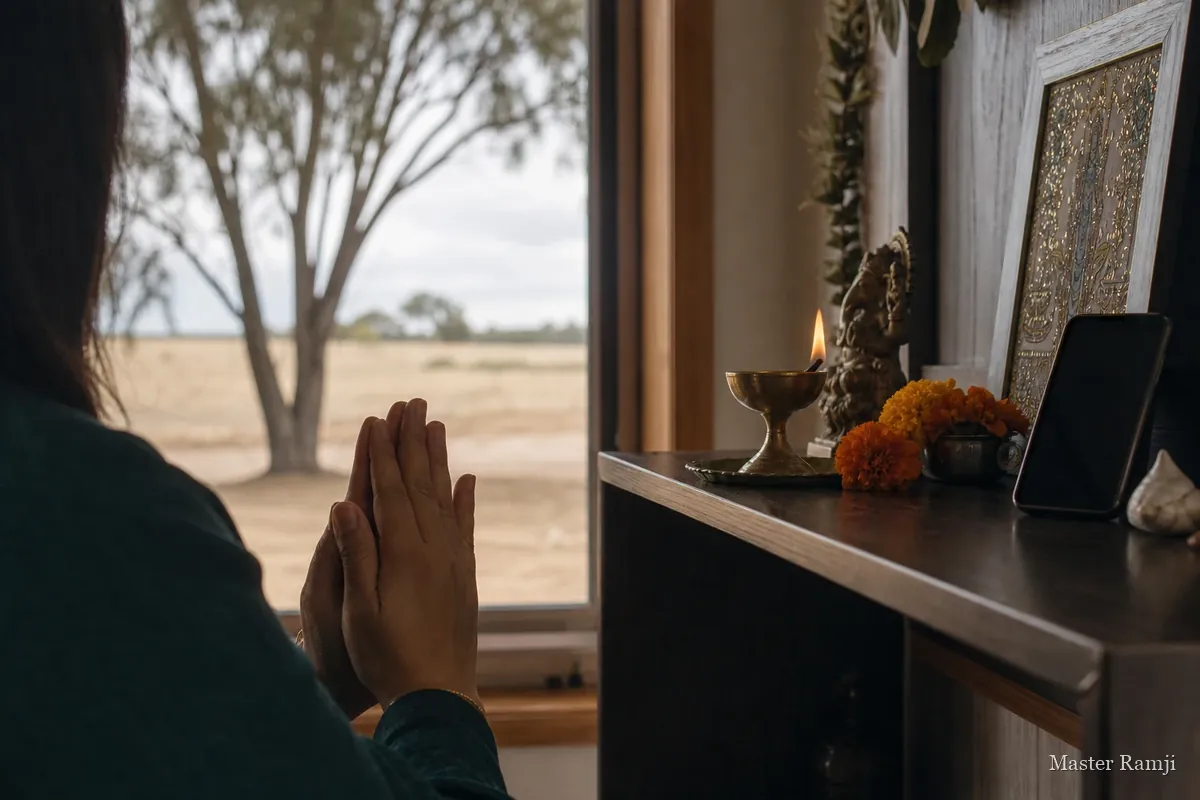
Arranging a Puja When You Live in Mildura
No priest nearby in Mildura? What to ask before booking a puja on your behalf, how remote rites work, and how to keep a simple practice at home.
Read article →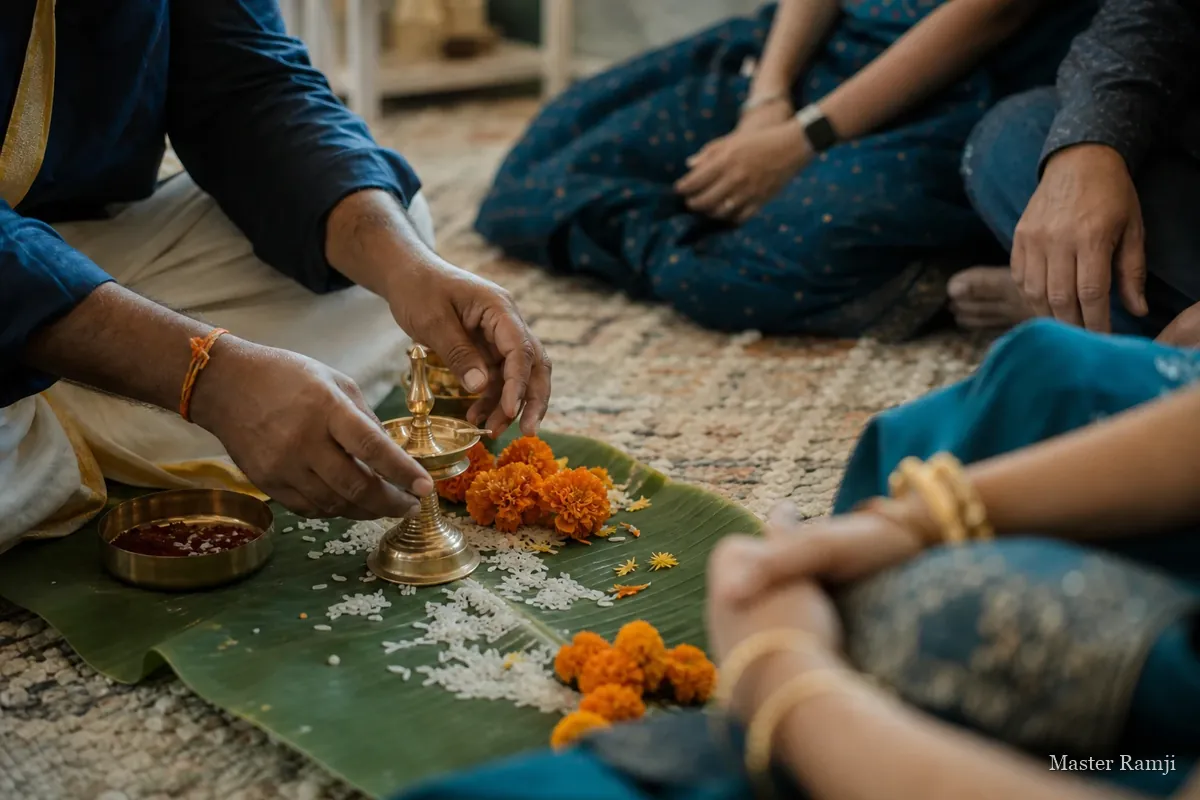
Finding a Priest Who Knows Your Family's Tradition
North and South Indian rites, calendars and customs differ. How to find a pandit in Melbourne's west who suits your family's tradition, and what to ask first.
Read article →More from Inner North-West Melbourne

Frequent Flyer Work and Family Near Airport West
Frequent work travel from Airport West straining your marriage? Practical ways to stay connected, share the load at home and keep a simple spiritual practice.
Read article →
Airport Goodbyes at Tullamarine: Long-Distance Reality
The drive home from Tullamarine after a long-distance visit can hurt. Ways to handle the farewell, the first week after, and when to look for more support.
Read article →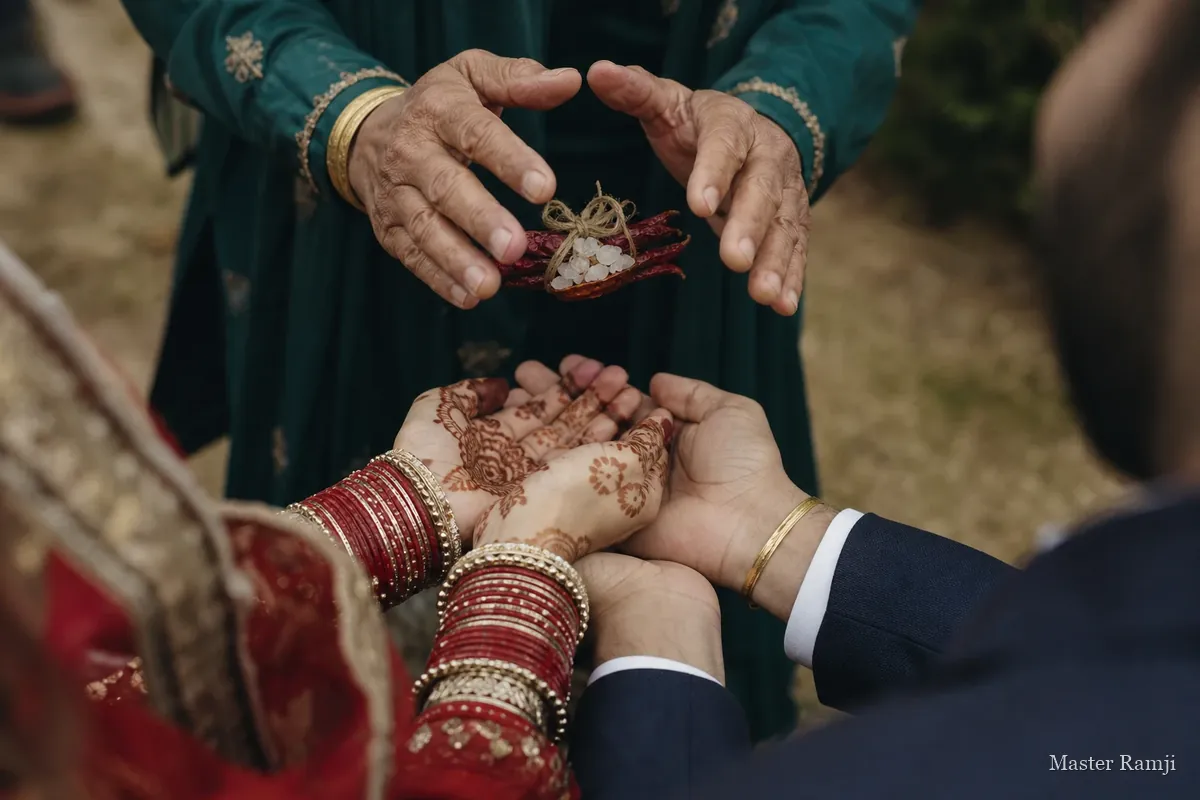
Nazar Customs for Newlyweds: A Guide From Ascot Vale
Why families worry about nazar after a wedding, the simple customs many follow, how to do them safely at home, and when it's time to stop worrying.
Read article →Local pages
Astrologer in Ascot Vale
Vijay Ramji is a Vedic astrologer and spiritual healer based in Ascot Vale, Melbourne. Sessions are held by phone, WhatsApp or video, booked in advance.
View area →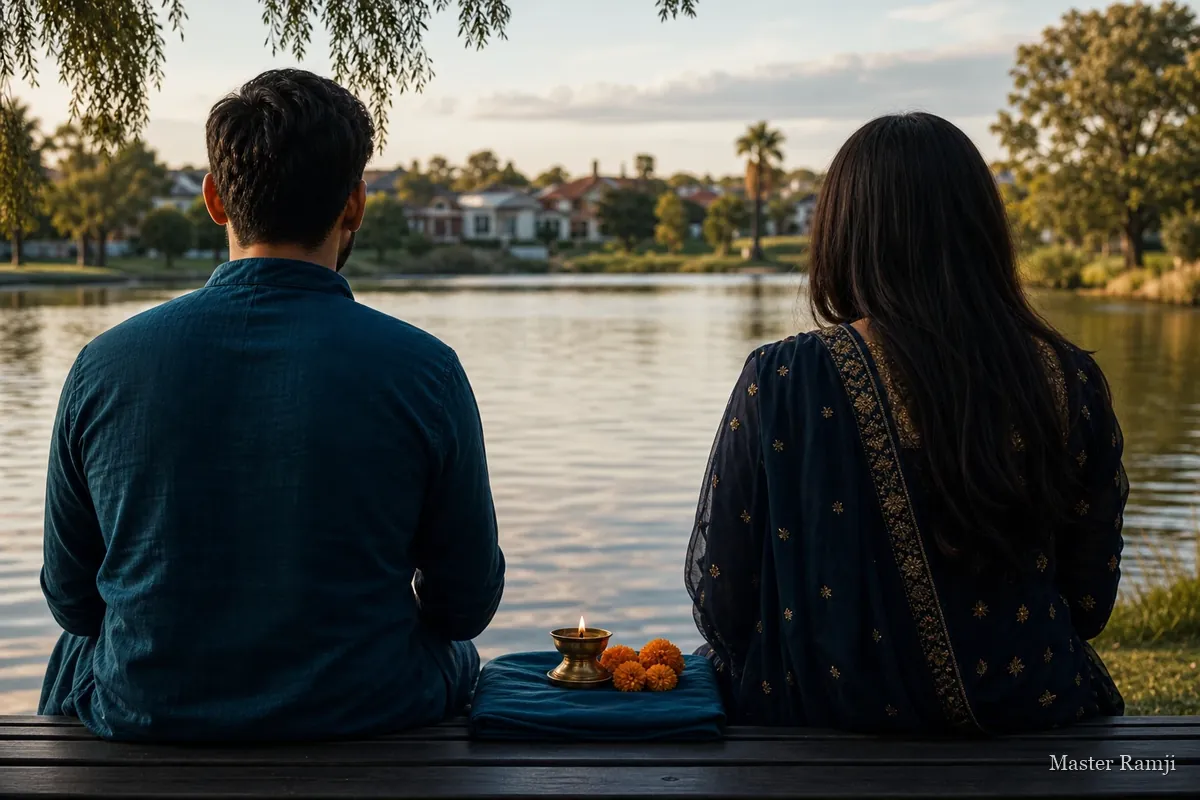
Astrologer for Moonee Ponds
For Moonee Ponds homes, leased offices and family matches. Vijay Ramji is based in Ascot Vale, with sessions held by phone, WhatsApp or video.
View area →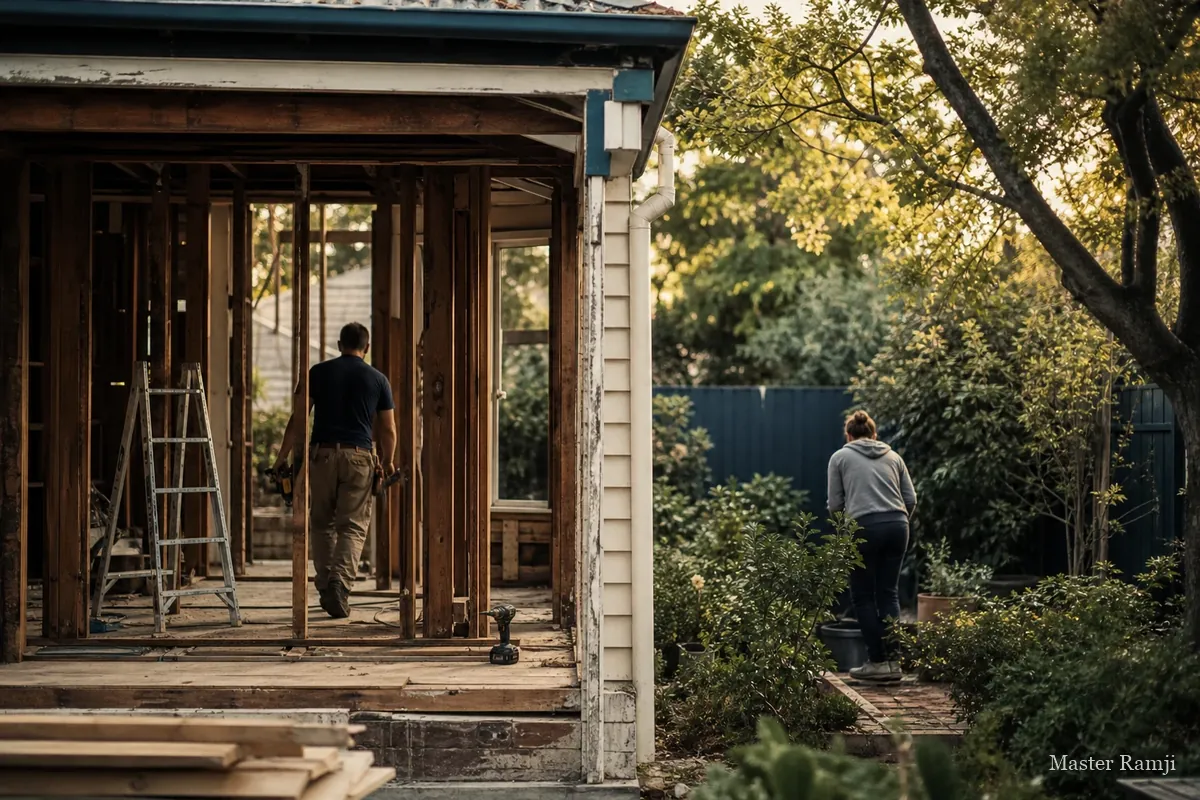
Astrologer for Essendon
For Essendon households weighing up renovations, parents and teenagers, or a mixed-faith family. Based in Ascot Vale, with sessions by phone, WhatsApp or video.
View area →Quick answers
What is a puja?
A puja is a Hindu act of devotional worship, at home or in a temple, with offerings such as flowers, light and food. Here is what it usually involves.
Read answer →Can a puja be done without me being there?
Yes, in many traditions a priest can perform a puja on your behalf using a sankalp. Here is what that means and what to ask before you pay for one.
Read answer →Talk to Vijay Ramji
Tell us what you are facing. If a reading is unlikely to help, you will be told that plainly.