
Finding a Priest Who Knows Your Family's Tradition
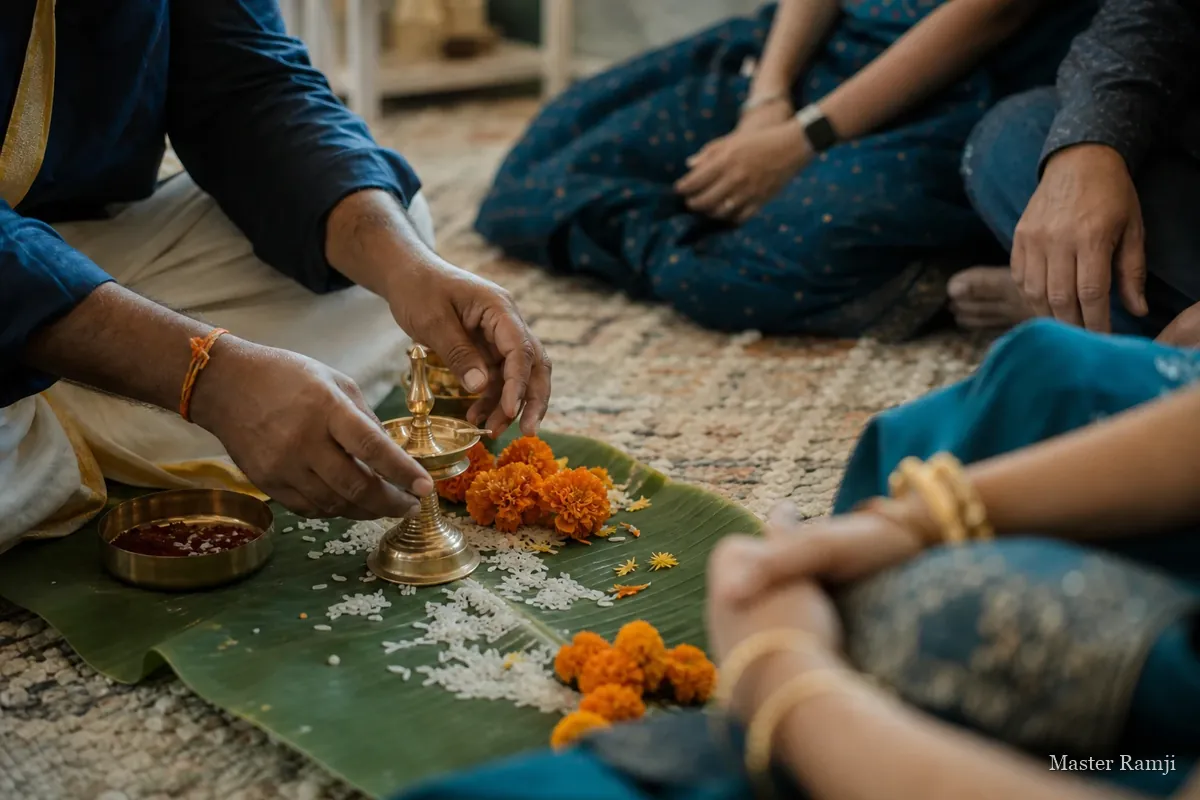
To find a pandit in Melbourne's west who knows your family's tradition, first ask your elders which region, language, calendar and sect your rites follow. Then ask temples and priests directly how they were trained and which rites they perform. A good priest will tell you plainly what they do and don't know.
Families in Melbourne's west come from every corner of India, and from Sri Lanka, Nepal, Fiji and beyond. So when you need a priest for a naming ceremony, a house blessing or a shraddha, finding someone nearby is often the easy part. Finding someone who does things the way your family always has can be harder.
The word "pandit" covers many kinds of priest, trained in many different ways. This page explains why rites differ between regions, what to find out from your family first, and what to ask a priest before you book.
Key takeaways
- There is no single Hindu rulebook. Region, language, sect and family custom all shape a rite.
- North and South Indian calendars can name the same lunar day differently, which affects festival and ritual dates.
- Write down your family's customs before you start looking, ideally with an elder's help.
- Ask a priest about their training and tradition directly. Don't assume from a name or a temple.
Why do rites differ so much between regions?
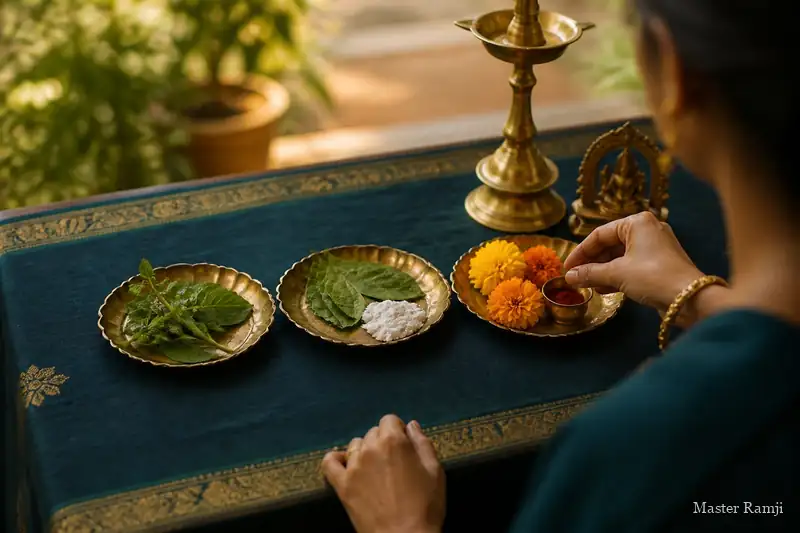
Hindu practice grew up over a very large area, in many languages, with many lineages of teachers. The core Sanskrit mantras are shared widely, but how they are chanted, which deities are honoured first, and which steps are included can change from one region to the next.
Sect matters too. A Smarta household, a Vaishnava household and a Shaiva household may mark the same occasion in quite different ways. On top of that sits family custom, sometimes called kula achara. Your grandmother's way of doing a griha pravesh may not match the book, and it may matter to your family more than the book does.
None of this makes one tradition right and another wrong. It simply means that a skilled priest from one background may not know the details your family expects.
How can the calendar change the date of a ritual?
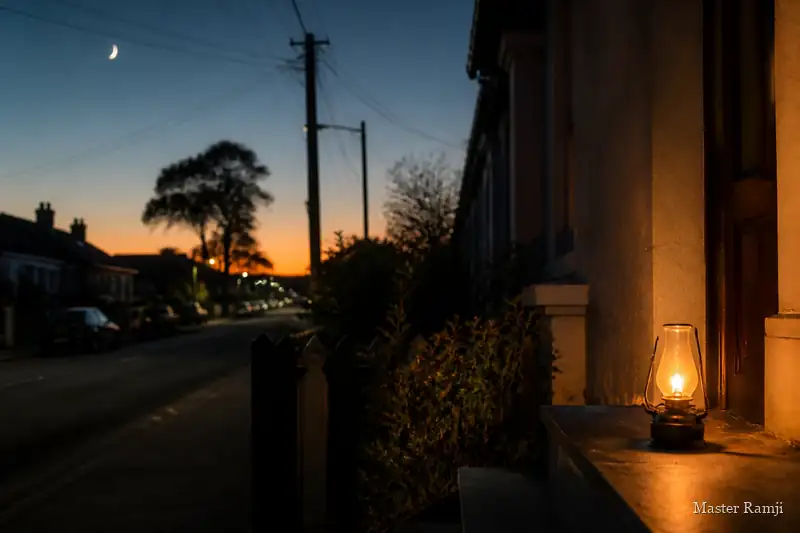
This catches many families out. Indian lunar calendars end the month in different ways. According to this overview of the Hindu calendar, the amanta system ends each lunar month at the new moon and is followed in states such as Gujarat, Maharashtra, Karnataka, Andhra Pradesh and Telangana. The purnimanta system ends the month at the full moon and is followed in most states north of the Vindhya range. Tamil Nadu, Kerala, West Bengal, Odisha and Assam use their own solar calendars.
The result is that the same lunar day can carry a different month name depending on who is counting. If your family marks an anniversary by its tithi and month, check which calendar the priest uses before you agree a date. Local timing adds another layer, because a tithi begins and ends at different clock times in Melbourne than in India. Our guide to why an Indian muhurat may not suit Melbourne time explains that problem.
What differences might you notice at a ceremony?
Some differences are easy to spot. In many North Indian weddings, the couple's rounds of the sacred fire are the moment everyone waits for. In many South Indian weddings, tying the thali or mangalsutra is the high point, although the seven steps are performed as well. Customs vary within each region, so treat these as broad patterns only.
Smaller home rites vary too. The order of offerings, the language used to explain each step, whether a havan is included, and which prayers close the ceremony can all differ. A priest who explains the steps in Hindi may suit one family, while another wants Tamil, Telugu or Kannada.
What should you find out from your family first?
Before you call anyone, sit down with a parent or elder and note the basics. It helps to have these answers written down:
- Region and language. Where your family's customs come from, which may not be where your parents grew up.
- Sect or lineage. Whether the family follows a particular sampradaya or guru tradition.
- Calendar. Whether anniversaries and festivals are counted by amanta, purnimanta or a solar calendar.
- Family deity. Many families honour a kuladevata, and a priest may need to know this.
- Particular customs. Items that must be used, foods to avoid, or steps your family always includes.
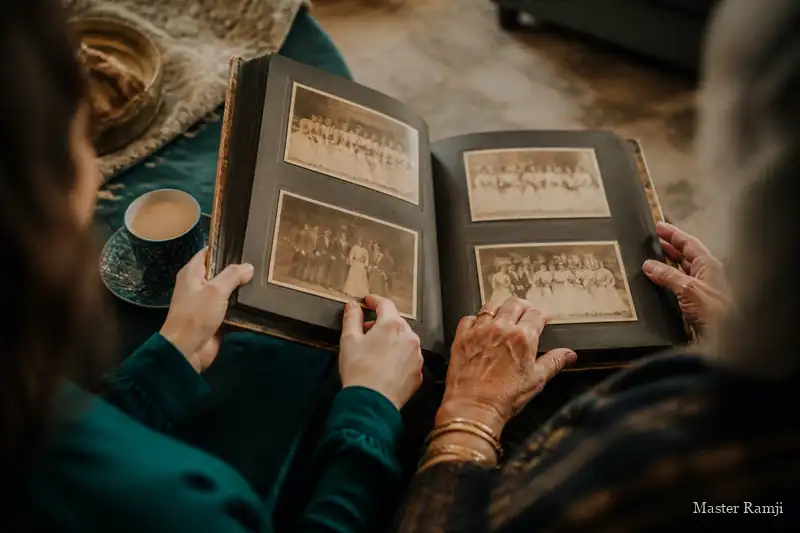
Old wedding invitations, photos of past ceremonies and any printed puja booklets your parents kept can fill in the gaps.
Where can you start looking in Melbourne's west?
Temples are a natural first stop, because they often know which priests serve which communities. The City of Melton's community directory lists Sri Durga Temple on Neale Road, Rockbank, and says to contact the temple directly about its services. Kundrathu Kumaran Temple in Deanside, run by a Tamil educational and cultural association, posts its notices online and has a hall for weddings and functions.
Don't assume a temple's priests follow your exact tradition, or that they visit homes. Ask. Regional and language associations are also worth contacting, since members can usually tell you who conducted their own family's ceremonies. For more on our work across the area, see spiritual guidance in Melbourne's western suburbs.
What should you ask a priest before booking?
- Where did you train, and in which tradition? A clear answer is a good sign.
- Can you follow our family's custom? Some priests adapt readily. Others prefer their own method. Both are fair, but you need to know which.
- Which language will you explain the steps in? This matters if children or in-laws from another background are present.
- What is included, and what is the fee? Ask for the dakshina and any extra costs before the day. Our page on what a fair puja cost looks like can help you judge.
- What should we prepare? Ask for a written list of items, so nothing is missed on the morning.
What if you can't find an exact match?
That is common, and it is usually workable. Talk to the priest about the parts that matter most to your family, and agree which steps can follow their method. Many families keep a few home customs themselves, such as a particular prayer led by an elder, alongside the priest's rite.
A sincere priest from a neighbouring tradition can still conduct a meaningful ceremony. Be cautious, though, of anyone who uses fear to sell extra rituals, insists only an expensive version will work, or won't explain what each step is for. A rite is an act of faith and remembrance. It is not a transaction that buys a particular result, and no honest priest will claim otherwise.
If you'd like help working out what a ceremony such as a Graha Shanti Puja involves, or how timing suits your family's calendar, sessions can be held by phone, WhatsApp or video. Fees are stated before any paid work begins. When you're ready, get in touch.
Related service
Keep reading
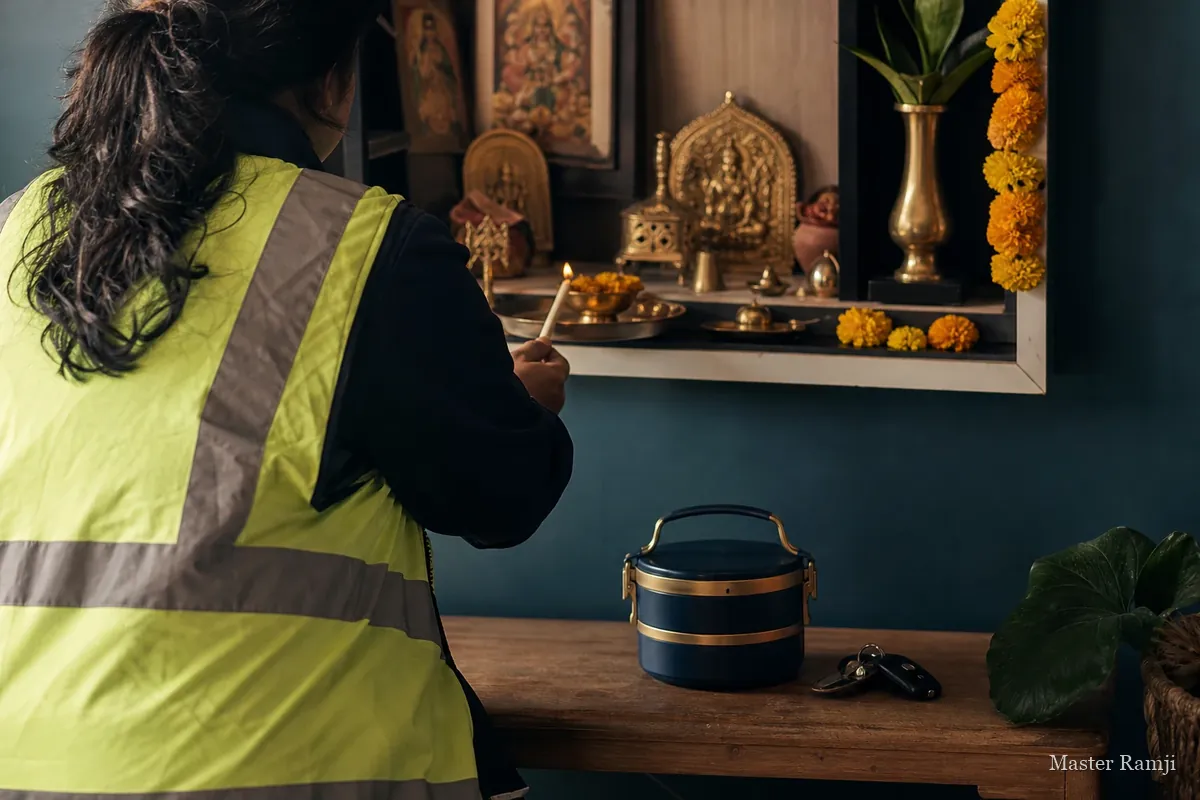
Keeping Navratri in Wyndham Around Shift Work
On a rotating roster in Truganina, Tarneit or Werribee? How to keep the nine nights of Navratri in Wyndham, fast with care, and stay safe after night shifts.
Read article →
Chanting in a Thin-Walled Brunswick Flat
Sharing walls in Brunswick? How to keep a daily mantra practice in a small flat without bothering neighbours, plus what EPA and owners corporation rules say.
Read article →
Pitru Paksha for Families in Springvale and Nearby
How families in Springvale and Melbourne's south-east can keep Pitru Paksha simply at home, find the right days for Melbourne, and share remembrance with neighbours.
Read article →More from Melbourne's Western Suburbs
Keeping Navratri in Wyndham Around Shift Work
On a rotating roster in Truganina, Tarneit or Werribee? How to keep the nine nights of Navratri in Wyndham, fast with care, and stay safe after night shifts.
Read article →
Picking a Wedding Date From Tarneit With Family in India
Marrying in Melbourne with parents and grandparents in India? How Tarneit couples can balance a muhurat with visitor visas, work leave and the long flight.
Read article →
The Money Talk for Engaged Couples in Point Cook
Engaged in Point Cook? How to have the money talk before marriage: mortgages, money sent to family overseas, wedding costs, and where to get proper advice.
Read article →Local pages
Astrologer for Footscray
Live in Footscray? Vijay Ramji is based in Ascot Vale, with sessions by phone, WhatsApp or video. Questions that fit apartments, study, shops and mixed families.
View area →
Astrologer for Sunshine
In Sunshine, Victoria? Vijay Ramji is based in Ascot Vale, with sessions by phone, WhatsApp or video. Questions about older homes, changing work and family.
View area →
Astrologer for Werribee
Live in Werribee? Vijay Ramji is based in Ascot Vale, with kundli readings by phone, WhatsApp or video. Questions for long-settled families and new arrivals.
View area →Quick answers
What is a puja?
A puja is a Hindu act of devotional worship, at home or in a temple, with offerings such as flowers, light and food. Here is what it usually involves.
Read answer →Can a puja be done without me being there?
Yes, in many traditions a priest can perform a puja on your behalf using a sankalp. Here is what that means and what to ask before you pay for one.
Read answer →Talk to Vijay Ramji
Tell us what you are facing. If a reading is unlikely to help, you will be told that plainly.