
Graha Shanti Puja
What is performed, and how you take part from a distance.
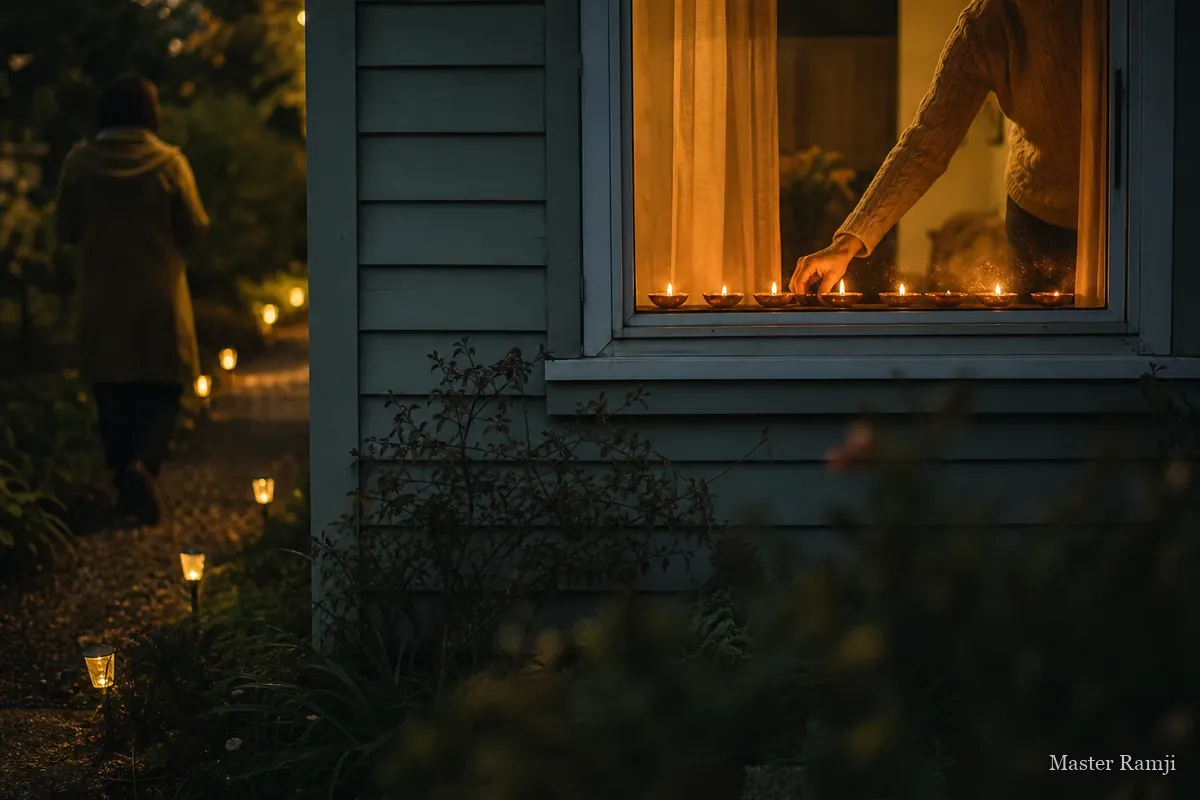
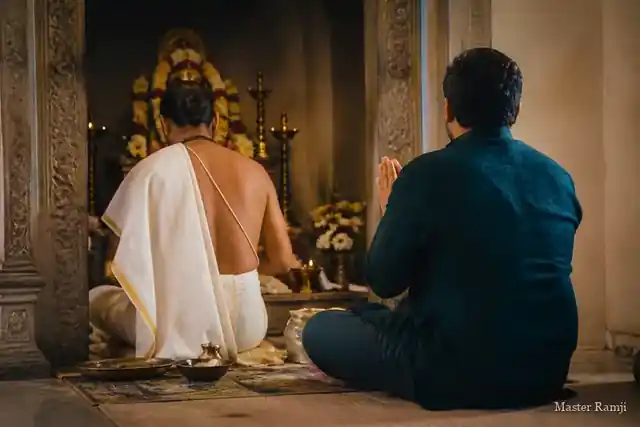
A graha shanti puja is a Hindu rite that seeks peace with one or all of the nine grahas through mantra, offerings and sometimes fire. For people in Melbourne it can be performed on your behalf while you take part from a distance. It is an act of faith, with no promised outcome.
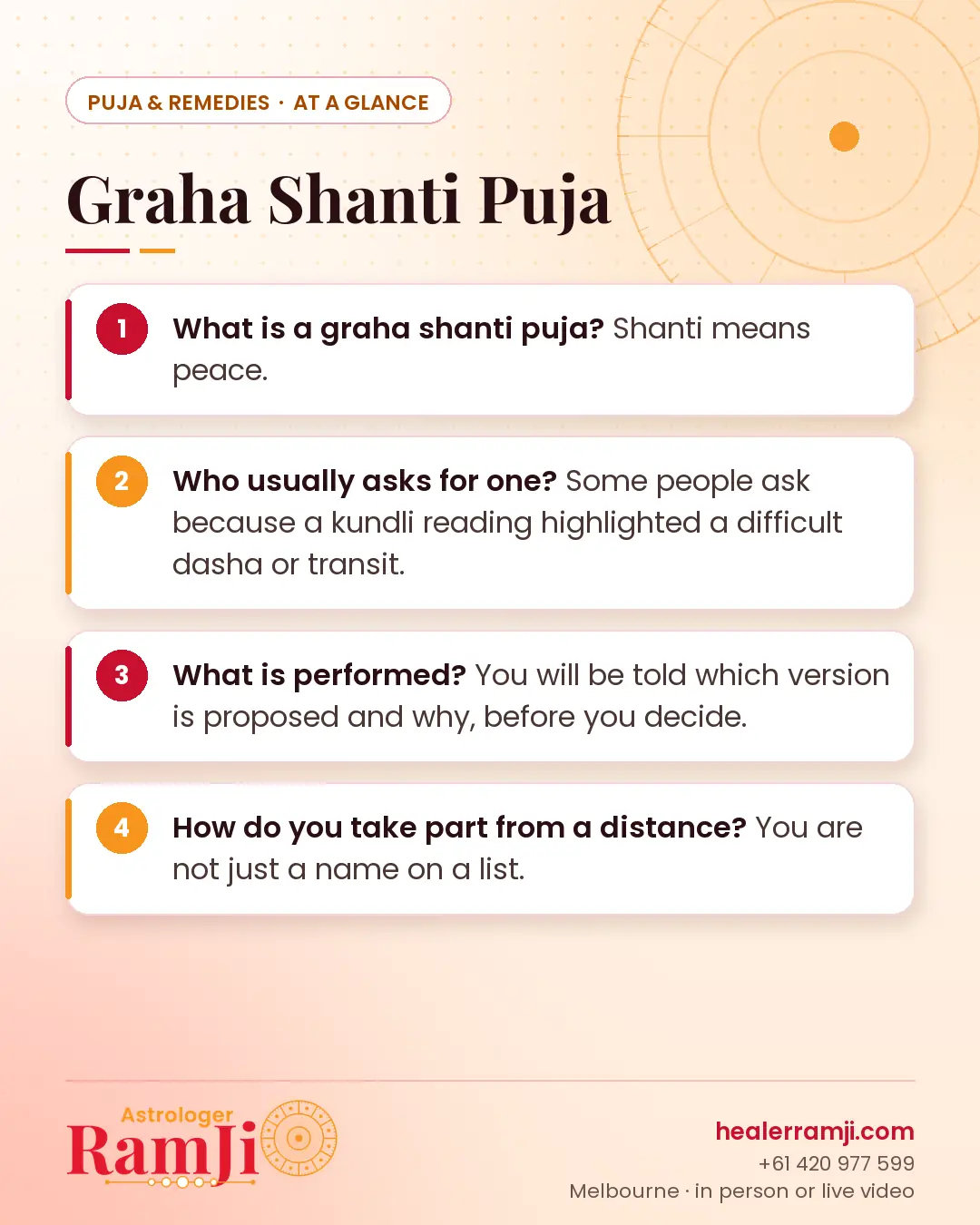
What is a graha shanti puja?
Shanti means peace. A graha shanti puja is a rite offered to the nine grahas of Jyotish, or to one of them, asking that a difficult period may ease and for the strength to get through it. If you would like the background first, our article on what a graha shanti puja is meant to do covers its meaning and honest expectations. For the basics of puja in general, see what a puja is.
This page deals with the practical side: what is usually done, and how you can be part of it when you live in Melbourne and the rite takes place on your behalf.
Who usually asks for one?
Some people ask because a kundli reading highlighted a difficult dasha or transit. Others are heading into a big step, such as a wedding, and it is family custom. Some are in an apartment or a rental, or have no local priest, so a home ceremony isn't practical.
You may not need one at all. If your chart hasn't been looked at, start there and ask why a rite is being suggested. A daily mantra costs nothing and can be started today, and a personal mantra remedy plan is a sensible first step for many people.
What is performed?
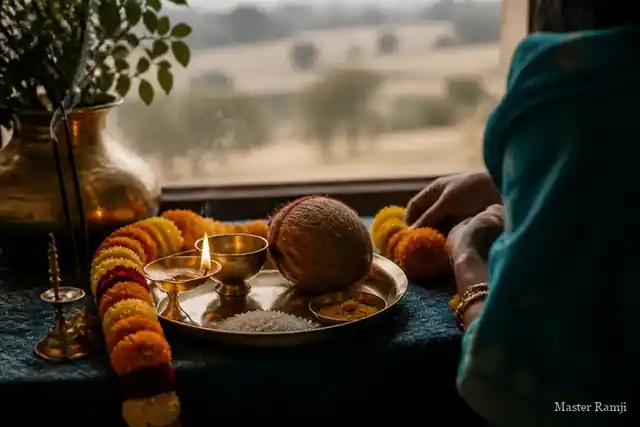
You will be told which version is proposed and why, before you decide. Versions differ by region and family, as our article on finding a priest who knows your family's tradition explains, but the main parts usually include:
- Sankalp. Your name, the place, the date and the purpose are stated, which links the rite to you.
- Ganesha puja. Prayers are offered at the start for the rite to go smoothly.
- Setting up. A small altar and water vessel are prepared, and the grahas are invoked by name.
- Mantra recitation. Mantras for all nine grahas, or for the one in focus, are recited a set number of times.
- Offerings. Grains, flowers and lamps are common, each with its traditional association. A havan, or fire offering, may be added where it can safely be held.
- Close. Aarti and final prayers finish the rite, and many people give to charity around this time.
How do you take part from a distance?
You are not just a name on a list. Taking part usually involves three stages.
Beforehand. You will be asked for your name as you want it said, your gotra if you know it, your birth details or birth star if relevant, and the purpose in a sentence. Nobody needs your passport, Medicare number or online banking details for a puja. Our guide to how a puja performed on your behalf works explains the sankalp in more detail.
On the day. Confirm the time in Melbourne time, especially around daylight saving. Many people sit quietly during the rite, light a lamp at home, or chant a simple mantra. Family members can do the same wherever they are. All of this is optional, but it can make the rite feel like your own.
Afterwards. Take a moment to write down why you asked for the rite and what you plan to do next. Keep your own note of the date and what was done.
Distance makes checking harder, so ask what you will be shown before you agree. Ask who performs the rite, where and when it takes place, and whether your name can be heard in the sankalp. A clear answer is a good sign, and you are entitled to ask.
What can't a graha shanti do?
It is a religious act, and it has not been shown to change events. It can't treat an illness, win a court case, approve a visa, clear a debt or change somebody's feelings. For those matters, see a GP, a lawyer, a registered migration agent or a licensed financial adviser. The rite can sit alongside that help, but it should never delay it.
You may feel steadier afterwards, and many families value having done something together. You may also notice nothing in particular. Neither result is a reason to pay for another rite. If you paid someone for a rite and feel misled, Consumer Affairs Victoria can explain your options.
What does it cost?
Ask when you get in touch. Any fee is stated before paid work begins. Ask at the same time what could change it, such as the scale of the rite or a higher mantra count.
How do I arrange one?
Call or send a WhatsApp message to +61420977599, or use the contact form and say what prompted your question. Vijay Ramji is based in Ascot Vale, with appointments arranged in advance, and sessions can be held by phone, WhatsApp or video. It is perfectly fine to talk it over first and then decide against it.
Common questions
Will something bad happen if I don't have this rite?
No one can honestly say that. Choosing not to have a graha shanti is a normal decision, and planets don't punish anyone for declining a ceremony. Be cautious if a provider tells you otherwise, particularly just before asking for payment.
Does it count if I am not there?
Traditions differ. Many accept a rite performed in your name through the sankalp, while some families prefer that a relative sit in. Our brief answer on whether a puja can be done without you explains the reasoning.
I don't know my gotra. Is that a problem?
It's very common, and it shouldn't be treated as a fault or a reason for an added fee. Ask older relatives if you can. Otherwise, say that you don't know and the rite can usually go ahead with your name.
Can I go to a temple instead?
Of course. Prayer at a shrine to the nine grahas is an old and much simpler option, and many people prefer it. Our beginner's guide to visiting a Navagraha shrine covers etiquette and prayers.
How do I know a quote is fair?
Ask for the rite, the mantra count, who is performing it and what is included, all in writing. Our guide to what a puja should cost lists questions to ask, and the signs that a quote deserves suspicion.
Related services
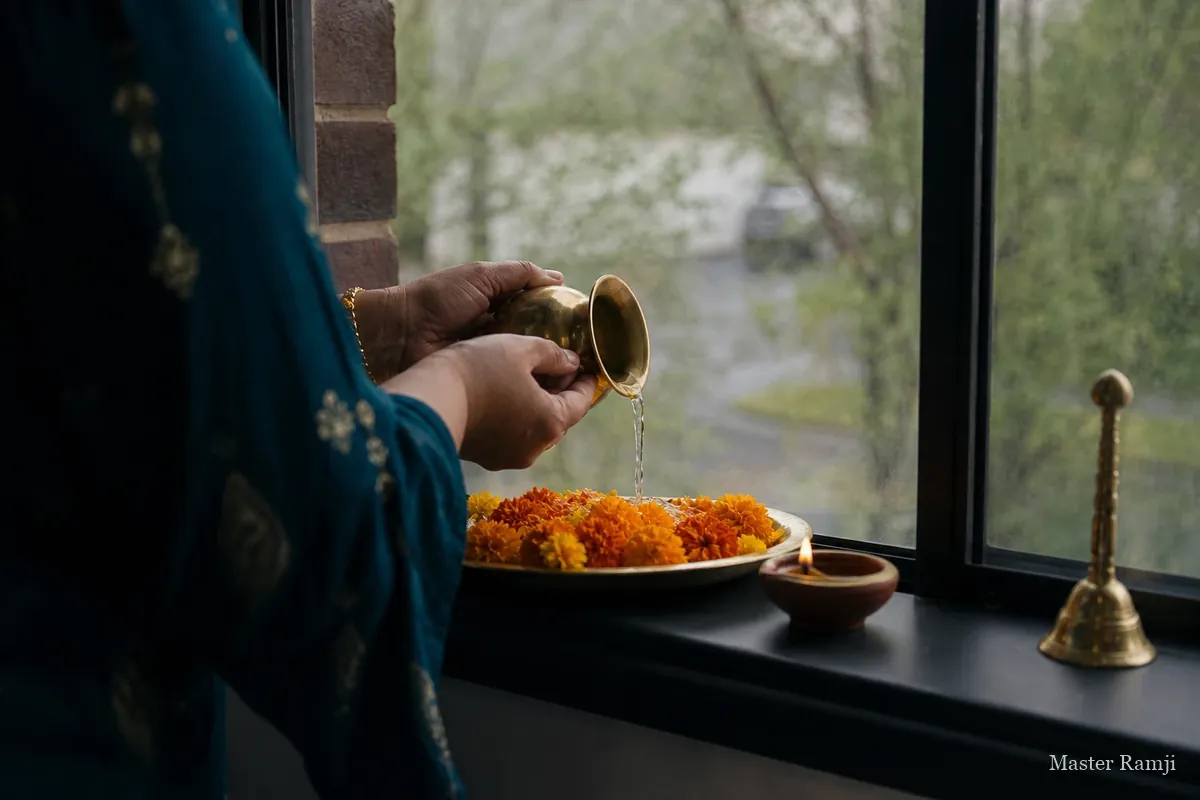
Pitra Dosh Puja
A pitra dosh puja in Melbourne explained in plain language: honouring your ancestors with tarpan and prayer, without fear, and with any fee stated first.
View service →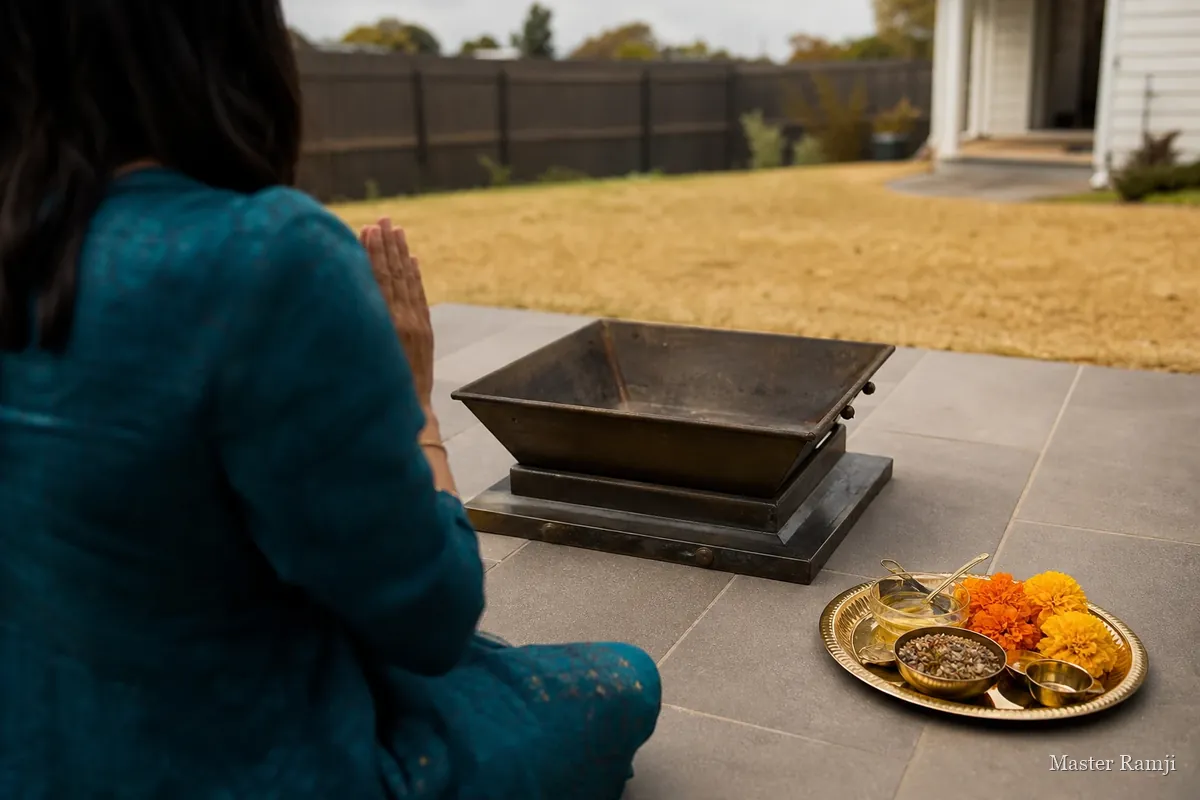
Havan on Your Behalf
A havan service for Melbourne families whose home or building can't host a fire ritual. How a havan on your behalf works, what to ask, and what it can't do.
View service →Read more
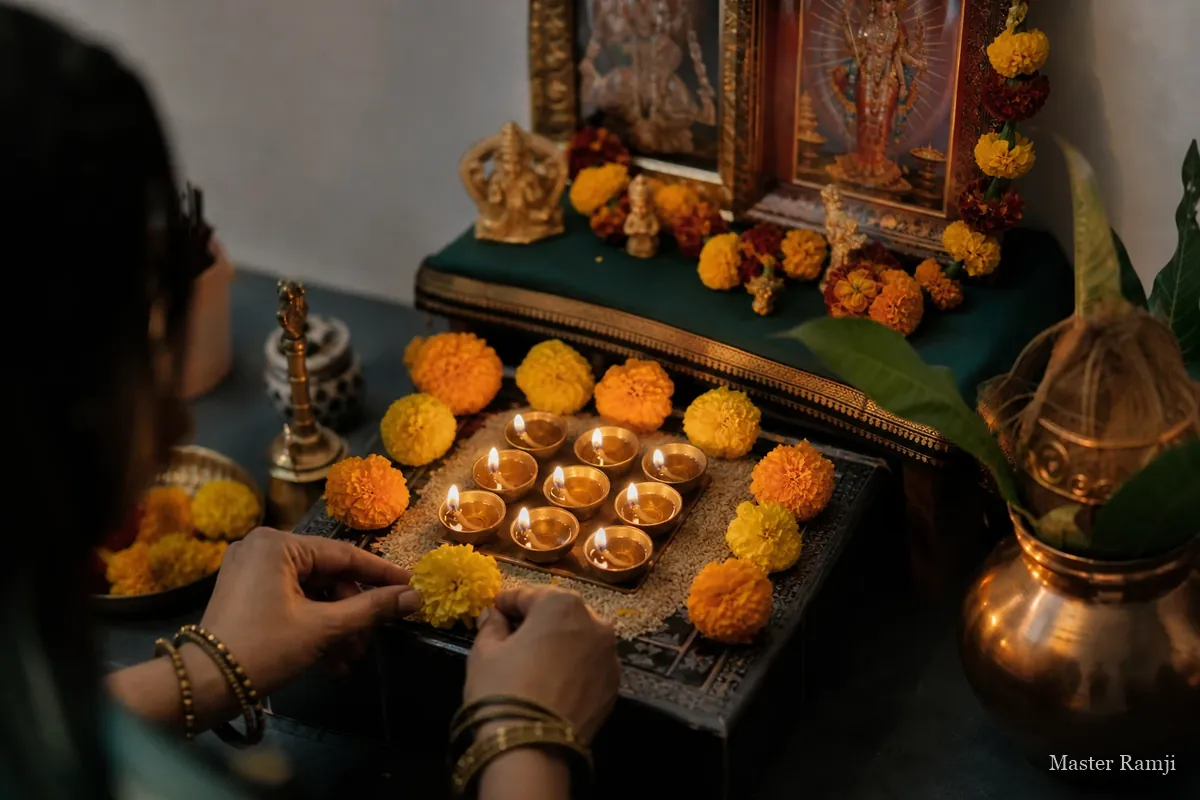
What Is a Graha Shanti Puja Meant to Do?
What a graha shanti puja is meant to do, what usually happens during the rite, what it cannot change, and the questions to ask before you agree to one.
Read article →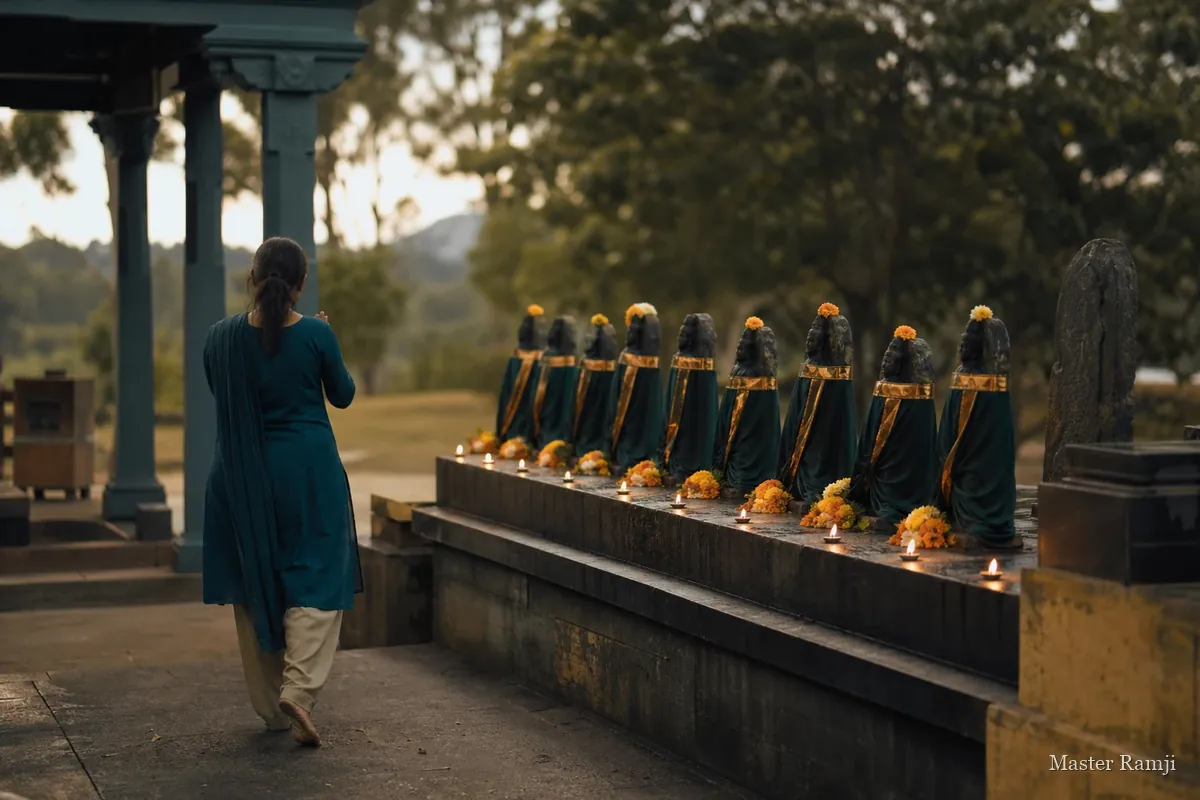
Visiting a Navagraha Shrine: A Beginner's Guide
First time at a Navagraha shrine? How to walk around it, how many rounds to take, what to say, what to offer, and which temple customs differ from place to place.
Read article →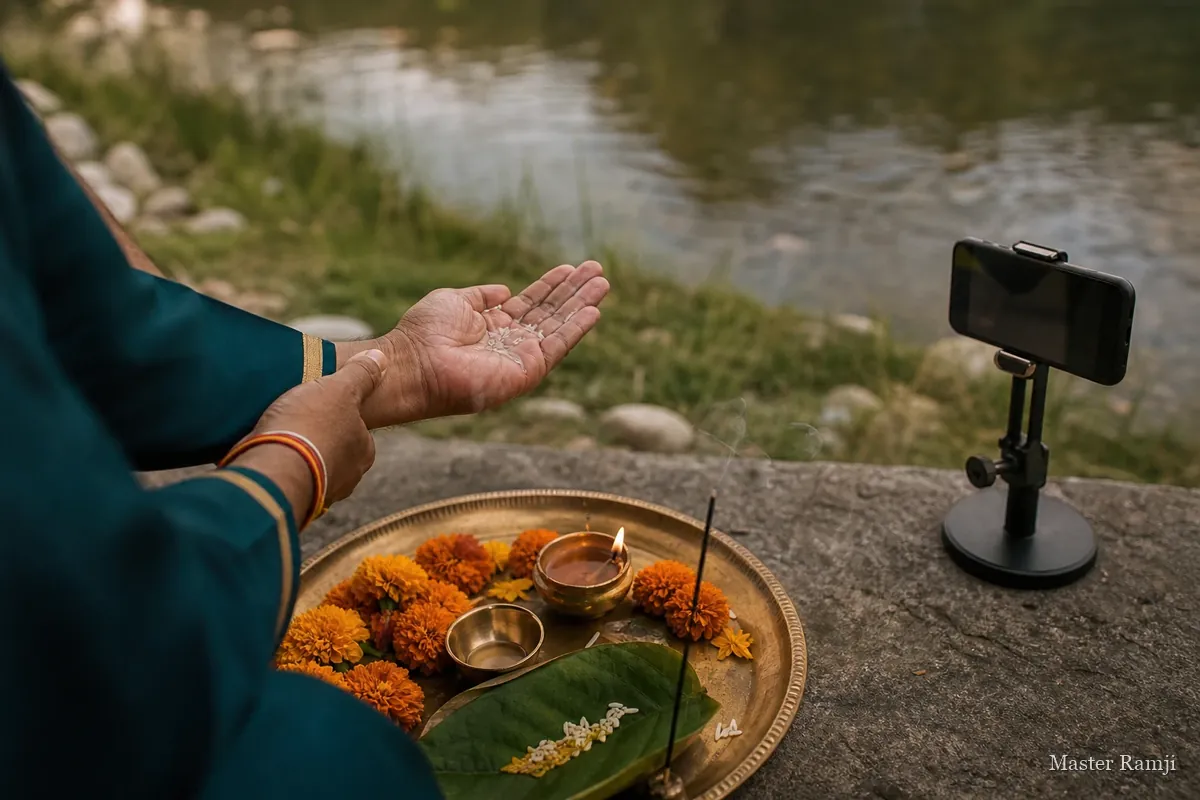
How a Puja Performed on Your Behalf Works
How a puja on your behalf works: the sankalp, your name and gotra, what to do if you don't know your gotra, and what any provider should show you.
Read article →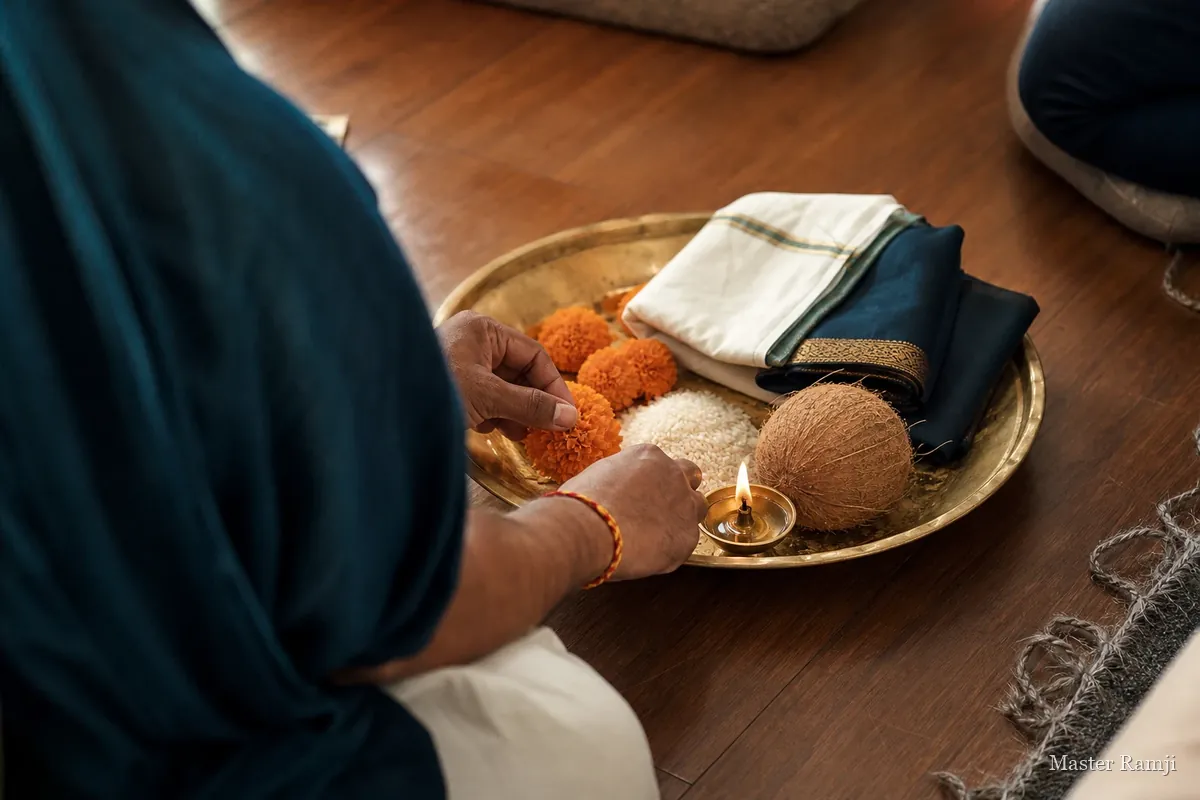
What Should a Puja Cost?
What affects the cost of a puja, the questions to ask before you pay, and the signs that a quote is built on fear rather than on the work involved.
Read article →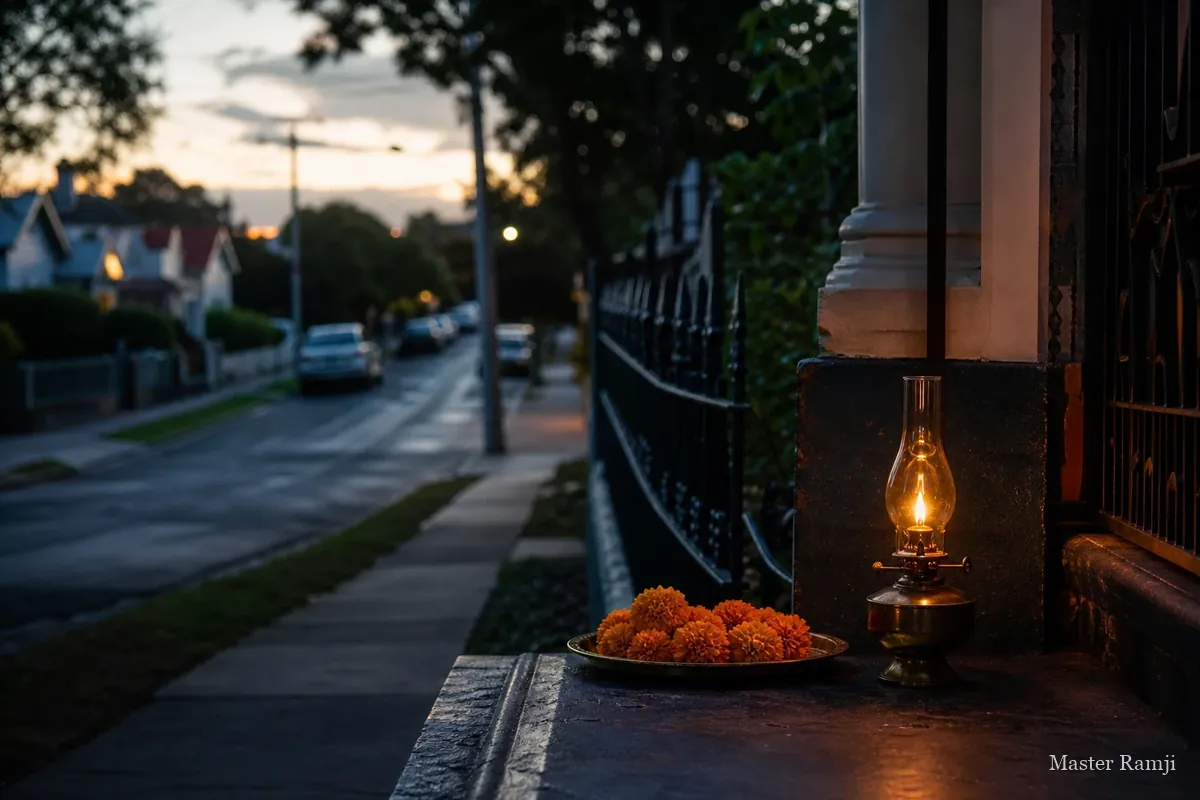
Where to Pray in Geelong
Looking for a Hindu temple in Geelong? Local groups to contact, what to confirm before you go, and options for prayer when you can't travel.
Read article →Quick answers
What is a puja?
A puja is a Hindu act of devotional worship, at home or in a temple, with offerings such as flowers, light and food. Here is what it usually involves.
Read answer →Can a puja be done without me being there?
Yes, in many traditions a priest can perform a puja on your behalf using a sankalp. Here is what that means and what to ask before you pay for one.
Read answer →Talk to Vijay Ramji
Tell us what you are facing. If a reading is unlikely to help, you will be told that plainly.