
What Should a Puja Cost?
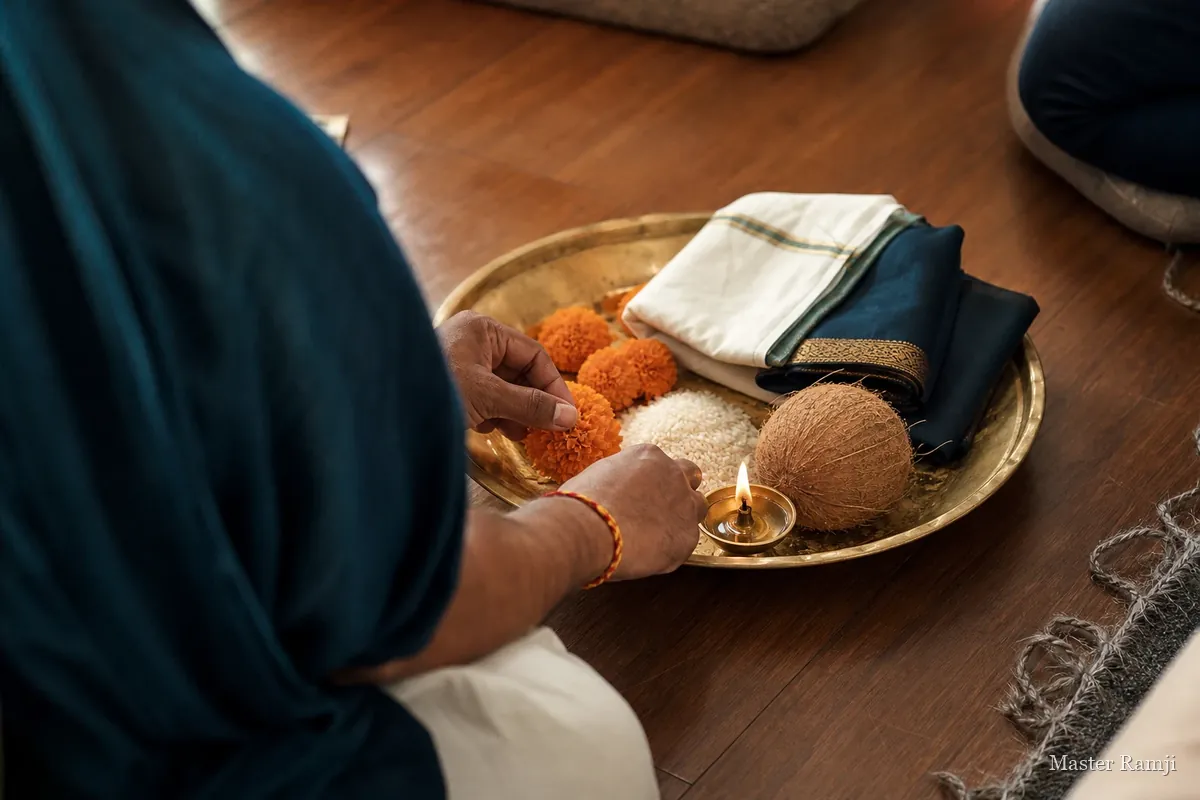
There is no single fair price for a puja. How much a puja costs depends on the rite, its length, the number of priests, materials, travel and location. A fair quote is itemised, given before the work starts and free of fear. Be wary of costs that rise after you commit, or of pressure to pay quickly.
Search for how much a puja costs and you will find confident figures that rarely agree. This page won't add another one. Rites differ too much for a single number to be useful, and a number with no detail behind it can mislead you.
What you can do is learn to read a quote. Once you know what goes into the price, and what a dishonest quote tends to look like, you can judge any figure you are given.
Key takeaways
- Compare what is included, not just the total. Two quotes for "a puja" may describe very different work.
- A fair quote comes before the work starts, and it doesn't grow because of a bad omen found along the way.
- Fear, urgency and secrecy tell you more about a quote than its size does.
- You never need to borrow money or strain your household budget for a rite.
How much does a puja cost, and why is there no one fair price?
A short prayer led by one priest and a multi-day rite with several priests and a fire have little in common except the word puja. Temples, independent priests and online providers also have different costs and different customs, so pandit fees can vary widely for what sounds like the same rite. Many temples list their own services at the office or on their website, which gives you a useful local reference point.
Price also doesn't measure sincerity. Nothing shows that a dearer rite does more than a modest one, whatever a salesperson may suggest.
What actually affects a quote?
- The rite. Its type and whether it needs fire, a set mantra count or several sittings.
- The time involved. An hour is different from several days.
- The number of priests. Long recitations may be shared between several people.
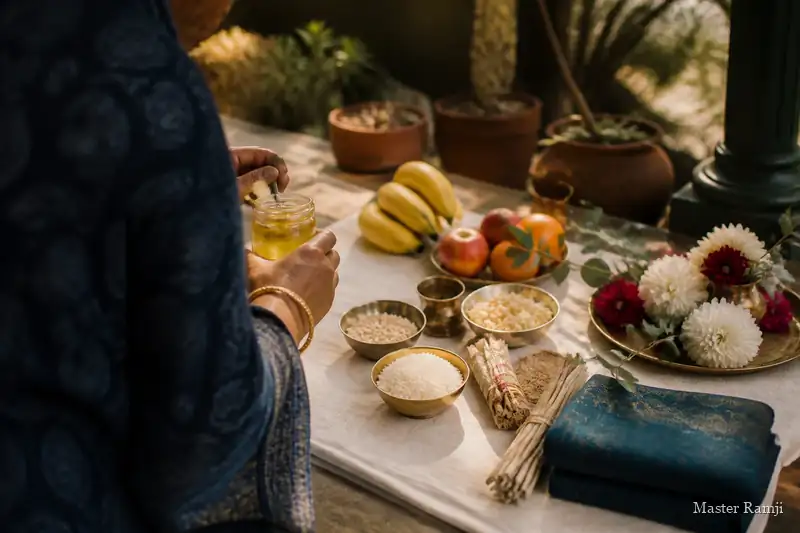
- Materials. Ghee, grains, flowers, fruit, woods, cloth and other samagri, and who is supplying them.
- Location. A temple hall, your home, a hired venue or a rite performed interstate or overseas all bring different costs.
- Travel. Getting from one side of Melbourne to the other, or out to regional Victoria, takes time.
- Timing and demand. Festival days and particular muhurats can be heavily booked.
- Specialist knowledge. A priest trained in your family's regional tradition may be harder to find.
Any of these can honestly move the price up or down. What matters is that someone can explain how they apply to your rite.
What is dakshina, and is it part of the price?
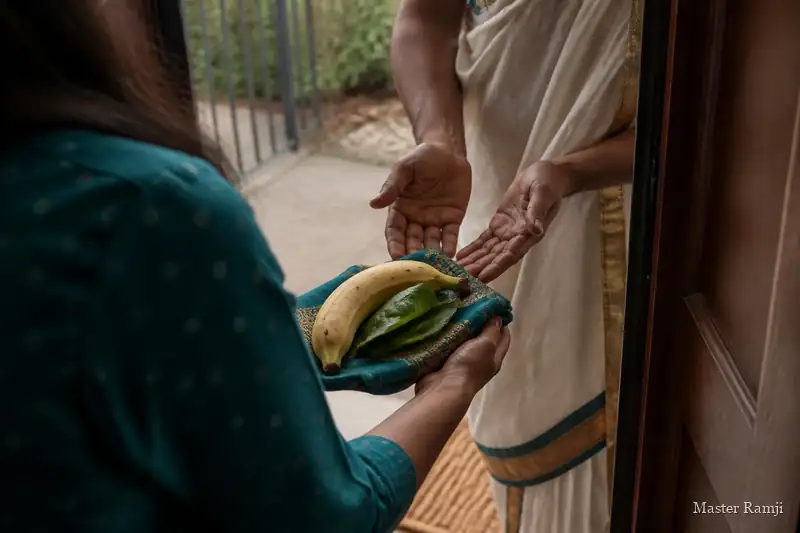
Dakshina is the traditional gift given to a priest in thanks for performing a rite. In some settings, it is the main payment, and in others it comes on top of a set fee. Customs differ, so it's perfectly polite to ask, "Is there a set fee, and is dakshina separate?"
Also check where a payment is going. A donation to a temple, a fee to a business and a gift to an individual priest are different things. Ask for a receipt or written record whichever it is.
What questions should you ask before you pay?
- Which rite is this, and why is it being suggested for me?
- What is the total, including materials, travel and dakshina?
- Who will perform it, and where and when?
- How long will it take, and how many priests are involved?
- If a mantra count is included, how many, and how will I know it was done?
- When is payment due, and how can I pay?
- What happens if I cancel, or if the date changes?
- Could something simpler be done instead?
- Is there anything else I could be asked to pay for later?
Ask for the answers in writing, even if it's only a text message or email. Someone who is working honestly should find this easy. For a rite done at a distance, also read what you should be shown.
What makes a quote suspicious?
No one sign proves a scam, and a high price isn't always dishonest. A very low one isn't always safe either, as it can be the first step to a series of extras. Take particular care if you notice any of the following:
- Fear is doing the selling. You are told that you or your children are in danger unless you pay.
- The cost keeps growing. Each stage reveals a new obstacle, and the rite "failed" so another one is needed.
- The price is matched to you. The questions seem to be about what you can afford and not about the rite.
- There is a rush. You are told to pay today because the planets won't wait.
- A result is promised. Claims that the rite will save a marriage, win a case or bring a partner back are a red flag.
- Secrecy is demanded. You are told not to discuss it with your family, or that speaking about it will break its power.
- Payment is unusual. You are asked for gift cards, cryptocurrency, gold or transfers to a stranger's personal account.
- Extras are bundled in. A costly gemstone or amulet is presented as essential to the rite.
- There are no details. You get a single figure, and questions are treated as a lack of faith.
Our guides on being told you are cursed and asked for money and black magic removal scams go further into these tactics.
How do you compare two quotes fairly?
Write the same headings beside each quote: rite, priests, hours, materials, travel, dakshina and what you will be shown. Then fill the gaps by asking. The cheaper quote may leave out materials, while the dearer one may simply include them.
It can also help to ask a temple office what they would normally do for a similar rite, or to ask a trusted elder or friend to read the quote. If you feel you can't show a quote to anyone, take that seriously.

What if the money just isn't there?
Then the honest answer is that you don't need this rite right now. Hindu tradition offers many practices that cost little or nothing, including prayer, mantra and service. See astrology remedies that cost nothing.
Please don't take out a loan, use credit or dip into rent money to pay for a rite. A puja can't fix a financial problem, and a decision about money shouldn't be made in fear. If money is already tight, Moneysmart has free information about managing debt and where to find help.
What if you've already paid and feel misled?
- Stop paying, even if you are told that stopping will bring harm.
- Call your bank or card provider quickly and explain what has happened.
- Keep the evidence, including messages, receipts, names and account details.
- Report it. Scamwatch collects scam reports, and Consumer Affairs Victoria can explain your options as a consumer.
- Tell someone you trust. These tactics work on careful, intelligent people, so you have no reason to feel ashamed.
How do we handle fees?
On our graha shanti puja page, you can read what is performed and how you can take part. Fees are stated before any paid work, and you can say no without any pressure. Hold us to the same questions on this page. If you would like to talk about whether a rite is needed at all, please get in touch.
Related service
Keep reading
Pitra Dosh Explained Without the Fear
What pitra dosh means, how astrologers say they see it in a chart, and what it does not mean. A calm guide for anyone who has been told they have it.
Read article →
Observing Pitru Paksha in Australia
How families in Australia observe Pitru Paksha away from sacred rivers: tarpan at home, choosing the day, food offerings, safe lamps and remembering with care.
Read article →
Performing Shraddha Away From India
How families living overseas keep the annual shraddha ceremony: what they keep, what they adapt, sharing the rite with relatives in India, and caring for grief.
Read article →Quick answers
What is a puja?
A puja is a Hindu act of devotional worship, at home or in a temple, with offerings such as flowers, light and food. Here is what it usually involves.
Read answer →Can a puja be done without me being there?
Yes, in many traditions a priest can perform a puja on your behalf using a sankalp. Here is what that means and what to ask before you pay for one.
Read answer →Talk to Vijay Ramji
Tell us what you are facing. If a reading is unlikely to help, you will be told that plainly.