
Nazar Customs for Newlyweds: A Guide From Ascot Vale
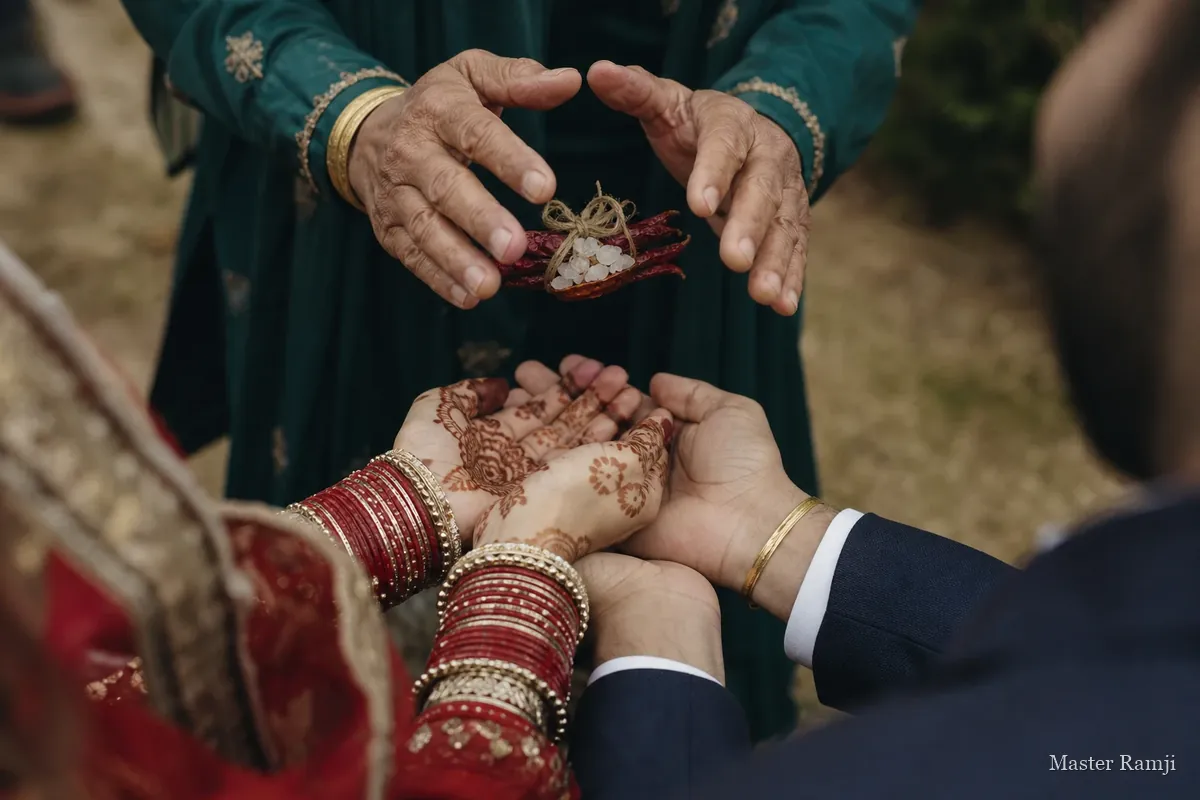
Many South Asian families use simple nazar customs for newlyweds, such as a small black mark or circling salt or chillies around the couple. From our base in Ascot Vale, our advice is to keep these customs light and safe, and to stop worrying when every ordinary first-year problem starts being blamed on the evil eye.
A wedding draws a lot of attention. There are photos, compliments, relatives you haven't seen in years and, now, comments on every social media post. In many South Asian families, that much praise brings an old worry with it: nazar, or the evil eye.
Vijay Ramji is based in Ascot Vale, an inner-north-west suburb whose local history runs from the 1880s shops on Union Road to the showgrounds beside Flemington Racecourse. Couples here and across Melbourne often ask the same thing after the celebrations end. Should we do something about nazar, and how much should we worry? This page offers a calm answer.
Key takeaways
- Nazar customs for newlyweds are a family tradition, best kept simple and kind.
- Customs differ by region, language and household. No single version is the right one.
- If a custom involves burning, follow basic fire safety, especially in a flat.
- Stop worrying when nazar becomes the explanation for every argument or setback.
Why do families worry about nazar after a wedding?
The belief is very old and appears in many cultures. The idea is that intense attention, especially envy or excessive praise, can bring bad luck to the person admired. Brides and grooms are admired a great deal over a short time, so it makes sense that families think of them.
The same tradition holds that most nazar is unintended. A delighted aunt or a friend's warm compliment isn't seen as an attack. That point gets lost easily, and it's worth holding onto. For background, see how evil eye beliefs appear across cultures.
What simple customs do families follow?
Practices vary widely, so treat this as a general list rather than a set of rules:
- A small black mark. Some families place a dot of kajal behind the ear or on the side of the face, a custom also used for babies. Take care with the product. Some imported kajal and surma has been found to contain lead, and in 2018 NSW Fair Trading warned about imported eyeliners with dangerous lead levels that may have made three children sick. Avoid products that don't list their ingredients, and never use kajal or surma on a baby.
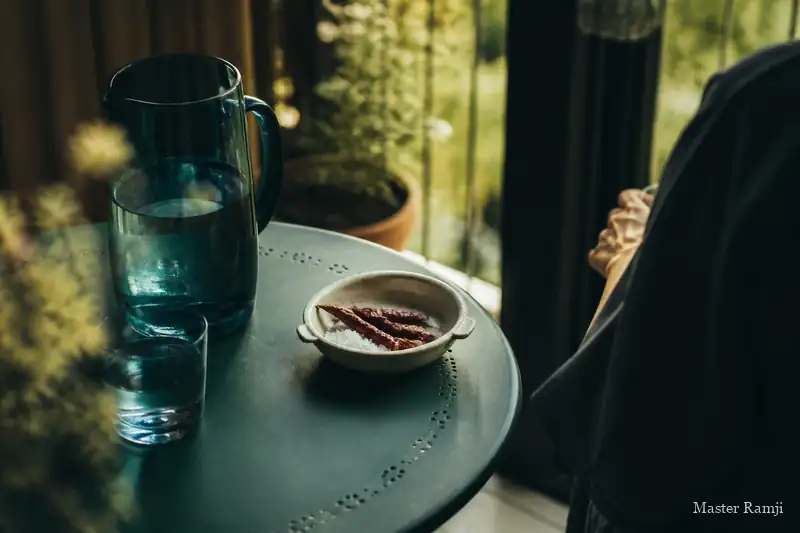
- Nazar utarna. An elder circles a few dried red chillies, rock salt or mustard seeds around the couple, then burns or throws them away. Versions of this rite are found across India under different names, such as drishti in the south.
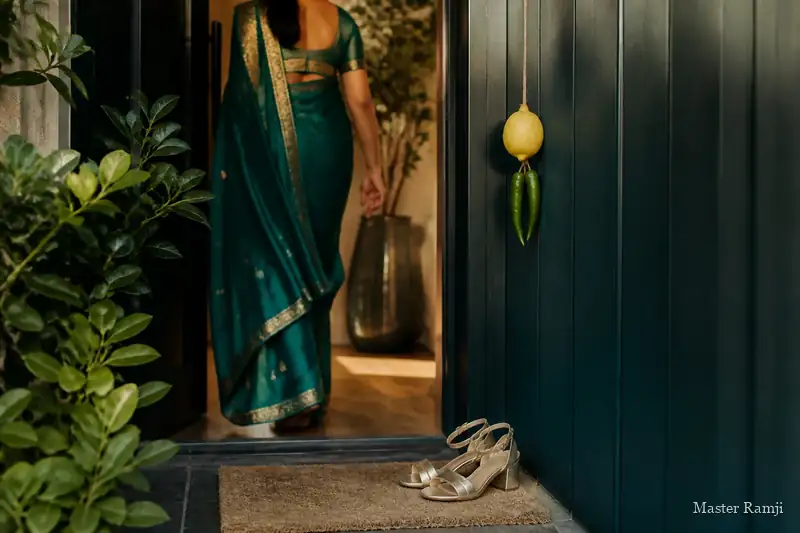
- Lemon and chillies. Some hang a lemon and green chillies at the door of a new home.
- Prayer. Many couples simply visit a temple, say a prayer together or light a lamp at home.
The quick definition is in what nazar utarna is. If your two families have different customs, that's normal. Talk about it rather than letting one side's version quietly win.
How can you do these customs safely?
Burning chillies or salt is common in nazar utarna, and the smoke can be sharp and irritating. Victorian Places notes that in Ascot Vale many freestanding houses have been replaced by higher density dwellings. In a flat or townhouse, smoke reaches neighbours and alarms quickly. A few sensible steps help:
- Do any burning outdoors where it's allowed, or use a small fireproof dish near an open window.
- Follow the CFA's advice on candles and incense: never leave anything burning without someone present, and keep it at least one metre from anything that can catch fire easily.
- Keep it away from children and anyone with asthma.
- If burning isn't practical, many families circle the items and then simply dispose of them. Plenty of traditions accept that.
What if relatives insist on a custom you don't want?
It happens often. A mother-in-law may feel strongly about a ritual that one partner finds uncomfortable, or that clashes with the other family's practice. Agree between yourselves first, before anyone else is in the room. Then thank the relative for caring, because the custom usually comes from love and worry rather than control.
Small compromises work well. You might accept a short prayer but skip the burning, or do the custom once rather than after every visit. If the pressure becomes constant, or is used to criticise one partner, it's fair to say no kindly and firmly. A tradition meant to protect a couple shouldn't divide it.

When should you stop worrying?
This is the most important part. A small custom done with love can feel comforting. But worry about nazar can grow until it causes more harm than any glance ever could. It may be time to step back if:
- Every argument between you is put down to someone's evil eye
- You're avoiding friends or relatives because you suspect them
- You hide good news, a new job or a pregnancy out of fear rather than privacy
- Someone tells you that you've been cursed and asks for money to fix it
The first year or two of marriage is often hard for plain reasons. You're learning to live together, sharing money, balancing two families and perhaps adjusting to a new country. Why the first years of marriage feel so hard looks at these ordinary pressures. Naming them honestly usually helps more than looking for someone to blame.

What if worry or conflict keeps building?
If the anxiety won't settle, or you're struggling to sleep, speak with your GP. If arguments are escalating, a relationship counsellor can help you both feel heard. Spiritual practice can sit alongside that kind of support. It doesn't replace it.
If anyone in the relationship feels afraid, controlled or unsafe, that's not about nazar. Call 1800RESPECT on 1800 737 732 for confidential advice, or 000 in an emergency.
What can a nazar ritual not do?
Nazar customs are cultural and religious traditions. They aren't proven to change events, and they can't protect a marriage from the normal work of building one. They also shouldn't be used to accuse a particular person. A blessing is meant to bring peace, not suspicion.
How can we help?
Some couples want a simple, respectful rite to mark a new beginning. Evil eye removal focuses on calm, low-cost practices you can continue yourselves, with fees stated before any paid work. Sessions can be held by phone, WhatsApp or video, and what you share stays confidential.
You can also read about our work in Melbourne's inner north-west, or get in touch to ask a question.
Related service

Keep reading

Unsettled in a New Gippsland Home
New to Traralgon and the house doesn't feel right? The practical checks to make first, how loneliness plays a part, and where a cleansing tradition fits.
Read article →
Astrologer Flyers and Ads: What to Check First
Found an astrologer flyer in your Wyndham letterbox or on your windscreen? The red flags to look for, questions to ask, and where to report a scam in Victoria.
Read article →
Remote Home Cleansing for Western Victoria
Live in Horsham or western Victoria? What a remote home cleansing can and can't do, what you do yourself, and how to keep lamps and flames safe at home.
Read article →More from Inner North-West Melbourne
Common Sade Sati Questions Near Moonee Ponds
Common sade sati questions answered plainly for people in Moonee Ponds: how to check if it applies, what it can't predict, remedies and when to get support.
Read article →
What to Bring to a Numerology Reading in Essendon
Booked a numerology reading in Essendon? Which names and documents to have ready, why spellings matter, and what a careful reading can and can't tell you.
Read article →
Chanting in a Thin-Walled Brunswick Flat
Sharing walls in Brunswick? How to keep a daily mantra practice in a small flat without bothering neighbours, plus what EPA and owners corporation rules say.
Read article →Local pages
Astrologer in Ascot Vale
Vijay Ramji is a Vedic astrologer and spiritual healer based in Ascot Vale, Melbourne. Sessions are held by phone, WhatsApp or video, booked in advance.
View area →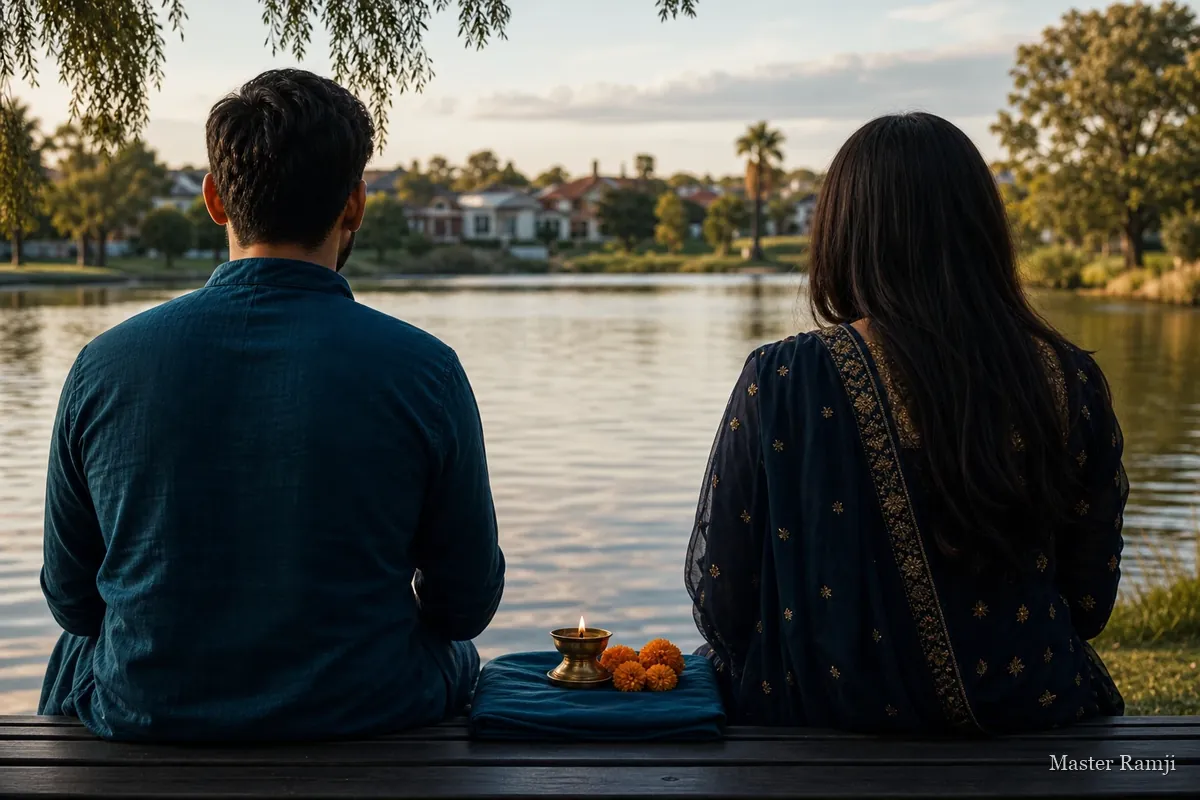
Astrologer for Moonee Ponds
For Moonee Ponds homes, leased offices and family matches. Vijay Ramji is based in Ascot Vale, with sessions held by phone, WhatsApp or video.
View area →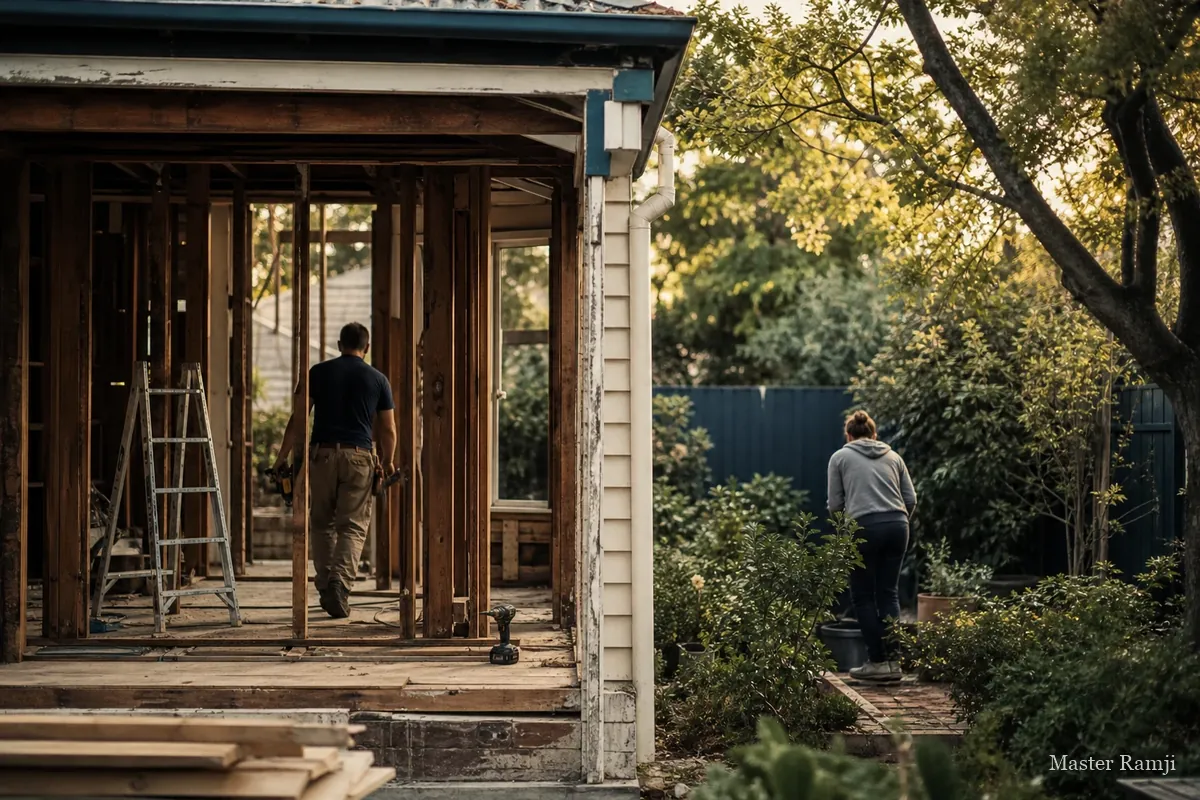
Astrologer for Essendon
For Essendon households weighing up renovations, parents and teenagers, or a mixed-faith family. Based in Ascot Vale, with sessions by phone, WhatsApp or video.
View area →Quick answers
What is the evil eye?
The evil eye is the belief that an envious look can bring harm. Here is where the belief is found, how people respond to it, and what it can't show.
Read answer →What is nazar utarna?
Nazar utarna is a household custom for removing the evil eye, usually with salt or chillies. Here is how it is done, and what to watch out for.
Read answer →Talk to Vijay Ramji
Tell us what you are facing. If a reading is unlikely to help, you will be told that plainly.