
Ganesh Chaturthi at Home in Melbourne's North
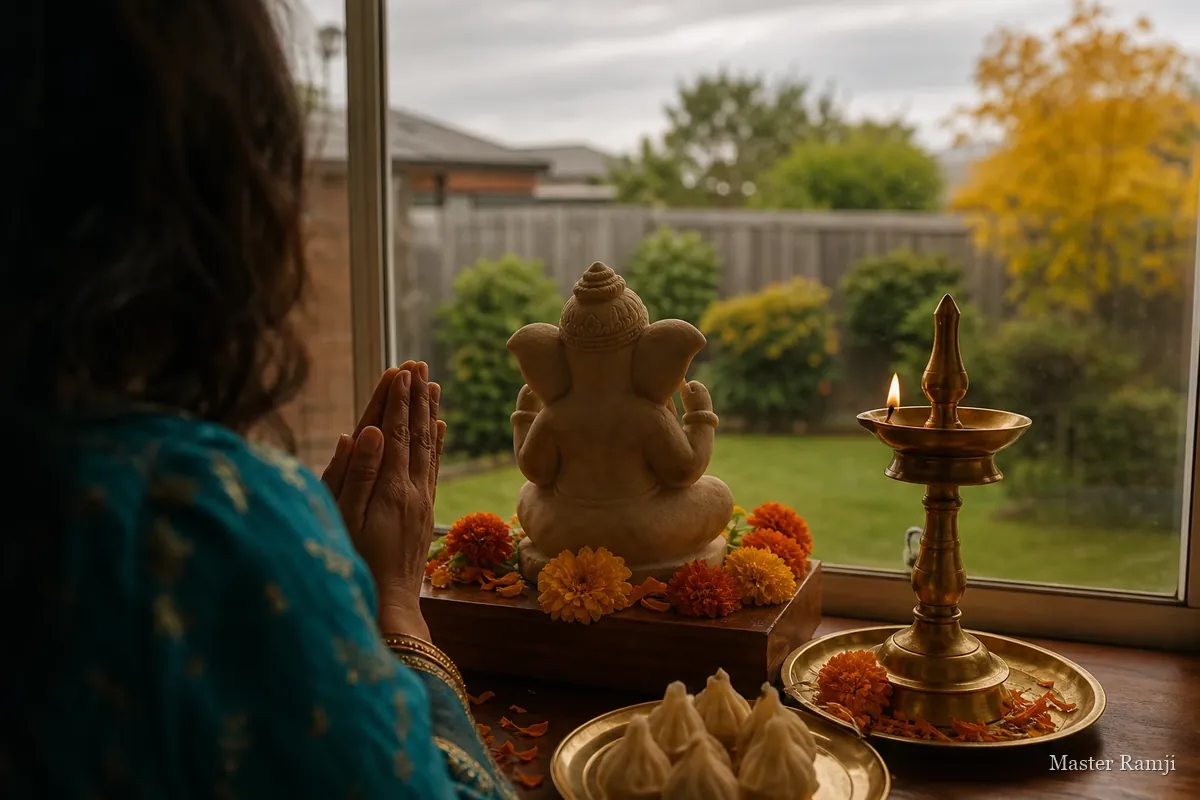
For Ganesh Chaturthi at home in Thomastown and Melbourne's north, choose a small unbaked clay murti with natural colours, and do visarjan in a bucket or tub at home. Let the clay dissolve, then return it to your garden or pots. Never put idols, flowers or offerings into Edgars Creek, Darebin Creek or a street drain.
Thomastown is 15 km north of central Melbourne, between creeks. Victorian Places notes that Edgars Creek runs through the suburb along a linear park, and the Darebin Creek forms its eastern boundary, with parkland along both. Families from many backgrounds have settled here over the decades, and today you'll find Ganesh being welcomed into homes across the north each year.
In India, the festival often ends with the murti carried to a river, lake or the sea for visarjan. In Melbourne, that isn't a good option. This article explains how to celebrate Ganesh Chaturthi at home in a way that keeps the tradition, respects local waterways and works in a suburban house or flat.
Key takeaways
- Choose a small, unbaked clay murti with natural or no colours. Avoid plaster of Paris.
- Do visarjan at home in a bucket or tub of water, then return the dissolved clay to soil.
- Keep idols, flowers and puja items out of creeks and street drains.
- Check the festival date for Melbourne, as it can differ from the Indian date.
When does Ganesh Chaturthi fall?
Ganesh Chaturthi is observed on the fourth lunar day of the bright fortnight in the month of Bhadrapada, which usually falls in August or September. Families keep Ganesha at home for different lengths of time. One and a half, three, five, seven or ten days are all common, with the longest ending on Anant Chaturdashi. Regional and family customs vary, so follow your own tradition.
Because lunar days begin and end at different clock times in Melbourne and India, the local date is sometimes a day apart. Why festival dates can differ in Australia explains how to check a panchang set for Melbourne.
Why choose a clay murti?
Traditionally, Ganesha images were shaped from clay. In recent decades, many have been made from plaster of Paris and painted with bright synthetic paints. Plaster doesn't break down readily in water, and some paints contain chemicals you don't want in soil or water.
If you want a clay Ganesh in Melbourne, start asking early. Indian grocers, temples and community groups may stock them or know who does, and supply can run short close to the festival. When buying, ask:
- Is it unbaked natural clay? Baked or fired clay won't dissolve.
- Are the colours natural, or is it unpainted?
- Is the size right for your home? A murti that fits in a bucket makes visarjan simple.
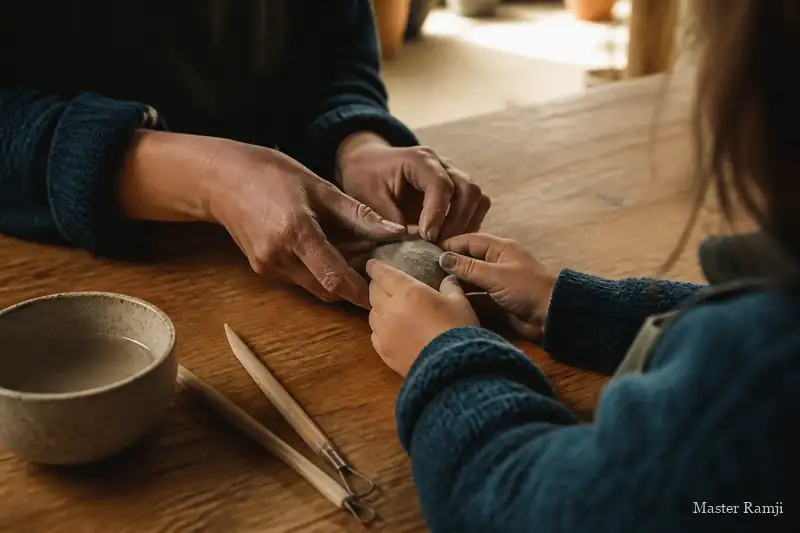
Some families shape their own small murti from clay with their children. It's a lovely way to start the festival, and teaching puja to children raised in Australia has more ideas for involving them.
Why not use a creek or the bay?
It can feel natural to look for flowing water nearby. But Melbourne Water explains that rain runs from roofs and roads into drains, and regional drains carry it into the nearest river or creek, and eventually the bay. So a street drain in Thomastown leads to the same creeks you might walk beside.
Placing a murti, flowers, coconut, cloth or ash in Edgars Creek, Darebin Creek or a drain adds litter and pollution to waterways that families, birds and fish share. Respecting those waters fits well with the spirit of the festival. If you're unsure about the rules for any outdoor ritual, our guide to outdoor rituals and local rules is a good place to start.

How do you do visarjan at home?
A home visarjan can be just as meaningful as a procession. One simple way to do it:
- Prepare the water. Fill a clean bucket, tub or large pot with water and place it somewhere it can sit undisturbed, such as the laundry or a covered corner of the backyard.
- Hold the final aarti. Gather the family, offer a last prayer and thank Ganesha for the visit, in whatever way your tradition does.
- Immerse the murti. Gently lower it into the water. Some families pour water over it slowly instead.
- Let it dissolve. Unbaked clay softens and settles over a day or more. Stir gently if needed.
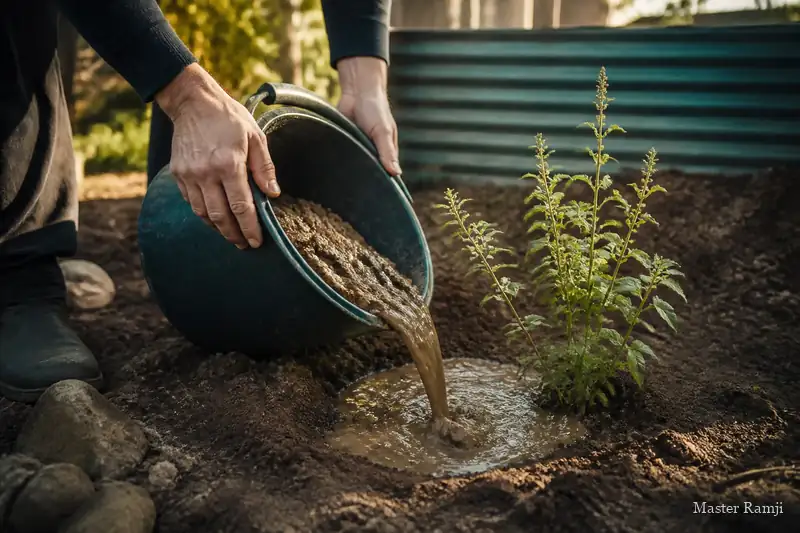
- Return it to the earth. Pour the water and clay onto your garden or into large pots. Many families plant a tulsi or flowering plant in that soil.
Separate flowers and leaves for your compost or garden waste bin, and check your council's rules on what goes in each bin. Keep fabric, plastic and decorations for next year or recycle them where you can.
How can you keep the festival safe at home?
Lamps, incense and camphor are central to many pujas. The CFA advises keeping flames on a stable, hard surface at least one metre from anything that can catch fire, putting them out before you leave home or go to sleep, and never leaving children alone near them. Steady lamp stands on a tray work well around a home shrine.
Modak and other sweets are part of the joy. If you're sharing food with neighbours, it's a good chance to explain the festival, and many will enjoy hearing about it.

Where does mantra practice fit in?
Ganesha is widely honoured as the remover of obstacles and is often invoked at the start of new things. Many families chant a simple mantra such as "Om Gam Ganapataye Namah" during the festival days. A personal mantra remedy plan can help you keep a short daily practice going after the festival ends. This is devotional practice and belief. It isn't a promise of results, and it doesn't replace practical action on whatever you're facing.
If you'd like to understand the steps of the puja itself, what a puja involves covers the basics. You may also enjoy reading about Ballarat's Ganesh festival, a community celebration in regional Victoria.
Are there public celebrations in the north?
Some temples and community associations across Melbourne's north hold their own Ganesh Chaturthi programs. Arrangements change from year to year, so check details directly with the organisers before you go. A home celebration and a community one can sit happily side by side.
Sessions can be held by phone, WhatsApp or video if you'd like help planning a home puja. You can read more about our work across Melbourne's northern suburbs or get in touch.
Related service
Keep reading
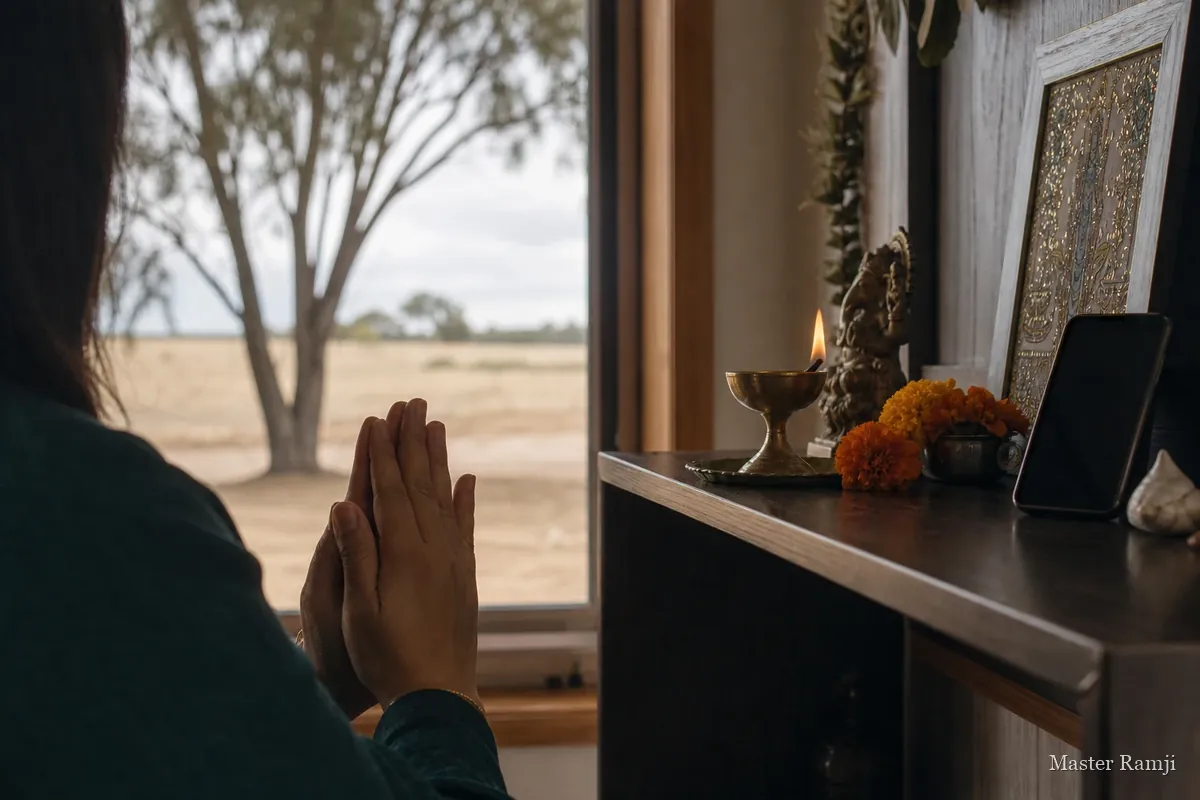
Arranging a Puja When You Live in Mildura
No priest nearby in Mildura? What to ask before booking a puja on your behalf, how remote rites work, and how to keep a simple practice at home.
Read article →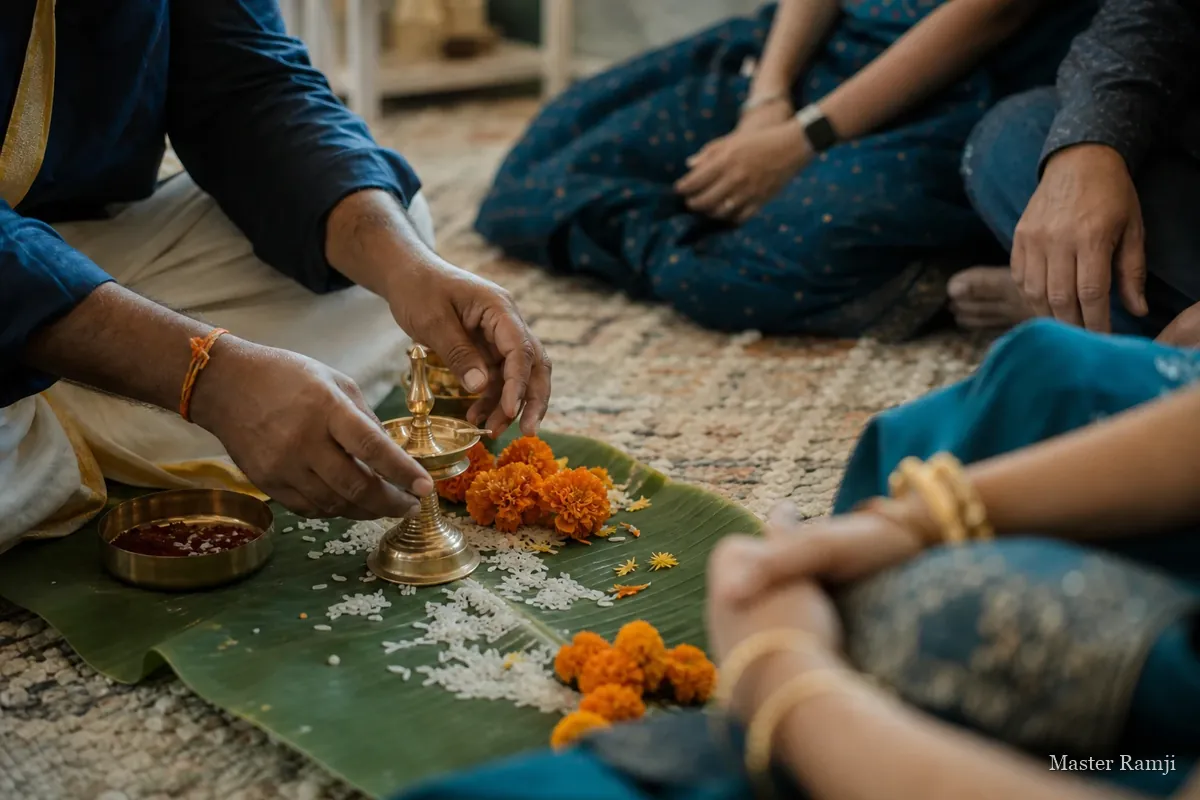
Finding a Priest Who Knows Your Family's Tradition
North and South Indian rites, calendars and customs differ. How to find a pandit in Melbourne's west who suits your family's tradition, and what to ask first.
Read article →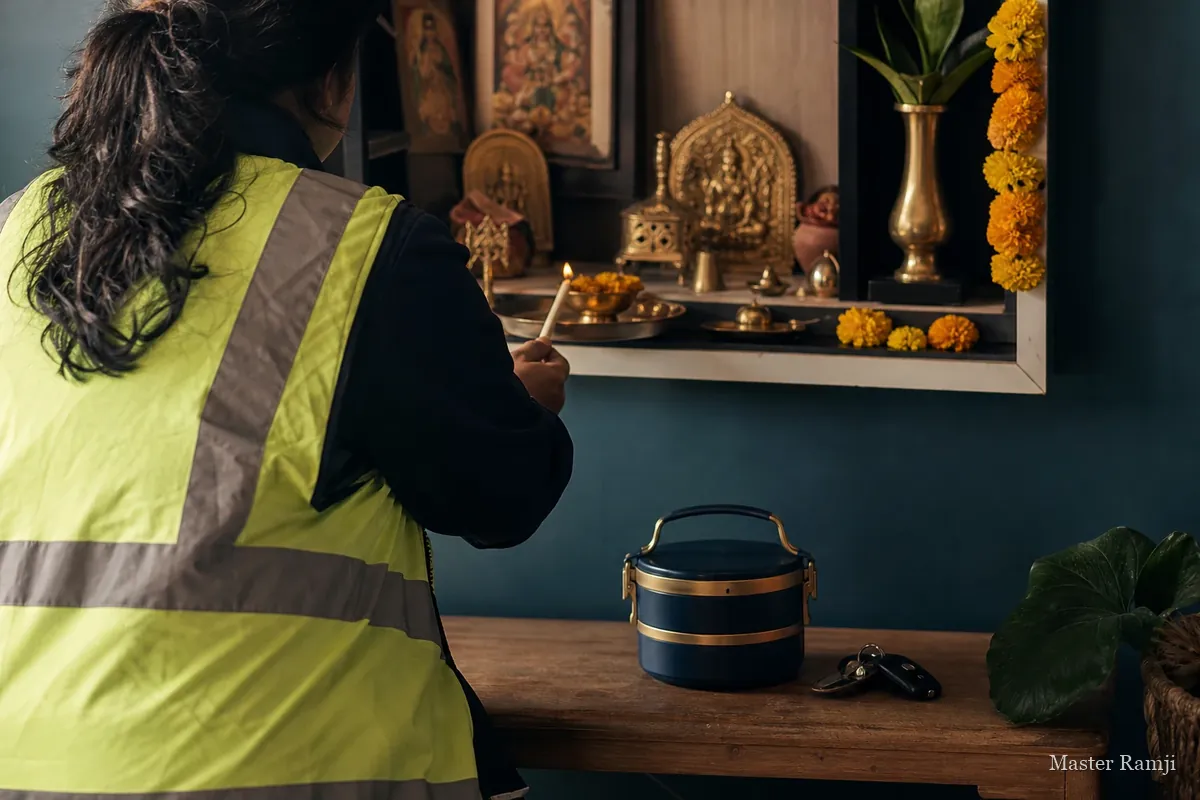
Keeping Navratri in Wyndham Around Shift Work
On a rotating roster in Truganina, Tarneit or Werribee? How to keep the nine nights of Navratri in Wyndham, fast with care, and stay safe after night shifts.
Read article →More from Melbourne's Northern Suburbs

When In-Laws Stay for Months in Mill Park
Parents or in-laws staying in Mill Park for months? How to protect your marriage, share the house fairly, and know when family tension becomes something more.
Read article →
A Saturn Period With a Mortgage: Advice for South Morang
Feeling squeezed during a Saturn period with a mortgage in South Morang? What the tradition says, practical steps for a slow stretch, and where to get real help.
Read article →
Your First Kundli Reading if You Live in Roxburgh Park
Booking a first kundli reading from Roxburgh Park? How a phone or video session works, what details to prepare, and how to set up a quiet space at home.
Read article →Local pages

Quick answers
Do astrology remedies have to cost money?
Astrology remedies don't have to cost money. Many traditional ones are free, such as mantra and service. Here is when a fee is fair and when to walk away.
Read answer →Why are mantras chanted 108 times?
Mantras are chanted 108 times because 108 is a sacred number in Hindu tradition and the count of beads on a mala. Here are the usual explanations.
Read answer →Talk to Vijay Ramji
Tell us what you are facing. If a reading is unlikely to help, you will be told that plainly.