
Exam Nerves or Nazar? Advice for Burwood Students

If exam nerves are hitting you in Burwood, treat them as stress or anxiety first. Sleep, regular meals, movement and talking to someone all help, and a GP, school wellbeing staff, your university's counselling service or headspace Box Hill can support you. Nazar is a family belief. A gentle custom may comfort you, but it isn't treatment.
Burwood Highway is lined with places of study. Victorian Places lists it as the address of a Deakin University campus, Presbyterian Ladies' College and Mount Scopus College, with more schools in the streets around. In late spring, that means a lot of students in one small area facing exams at the same time.
If you're one of them and you feel shaky, sick or blank, someone at home may say it's nazar, the evil eye. This article is for students and parents. It puts your health and study support first, and explains where a family custom can fit without getting in the way.
Key takeaways
- Student anxiety is common across Melbourne at exam time, and it has everyday causes like workload, pressure and poor sleep.
- Look after sleep, food and movement, and talk to someone early.
- Get help from a GP or your school or uni if the anxiety is strong or doesn't settle.
- Nazar is a belief, not a diagnosis. Any custom should be gentle and should never replace real help.
What does exam anxiety feel like?
Some nervousness before an exam is normal. It becomes a problem when it starts to take over. The Better Health Channel's page on stress describes body signs such as headaches and teeth grinding, and explains that under stress your heartbeat, breathing and blood pressure all rise. It also names study demands, such as deadlines, workload and performance expectations, as common causes of stress.
Students often describe:
- Trouble falling asleep, or waking early and going over notes in your head
- A tight chest, a racing heart or a churning stomach before tests
- Going blank on questions you knew the night before
- Avoiding study because opening the books feels overwhelming
- Snapping at family, or wanting to be alone all the time

Could it be nazar?
In many South Asian families, nazar is the belief that envy or too much praise can bring bad luck or unease. When a bright student suddenly struggles, a relative might say someone has cast an eye on them. You can read more about what nazar means in tradition if you want the background.
It is a cultural belief, and there's no evidence that it causes anxiety. Exam anxiety has well-understood, ordinary causes. Calling it nazar can also leave a student feeling the problem is outside their control, when there are clear steps that help. So deal with the anxiety as anxiety first. If a custom brings comfort afterwards, that's a separate choice.
What helps in the weeks before exams?
Small, steady habits do the most good:
- Protect your sleep. Better Health recommends getting enough sleep to top up your energy. Late-night cramming usually costs more than it gains.
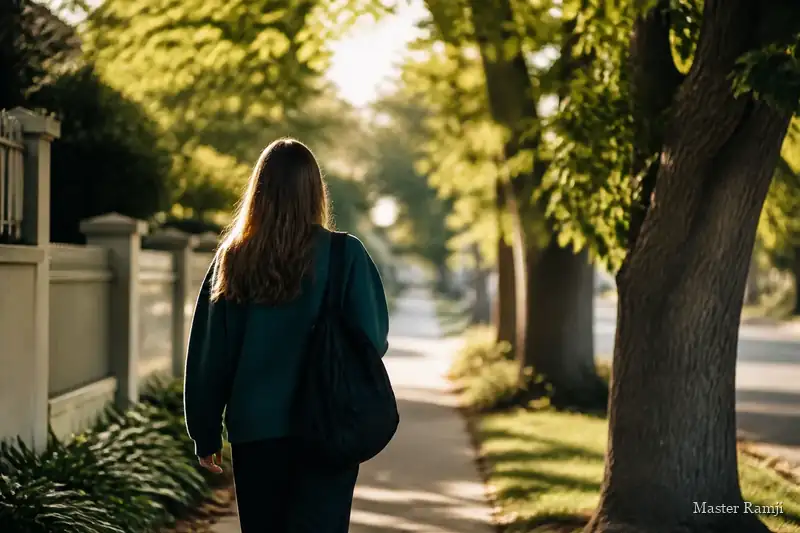
- Move every day. Regular exercise is one of the suggestions on the same page. A walk around the block between study blocks counts.
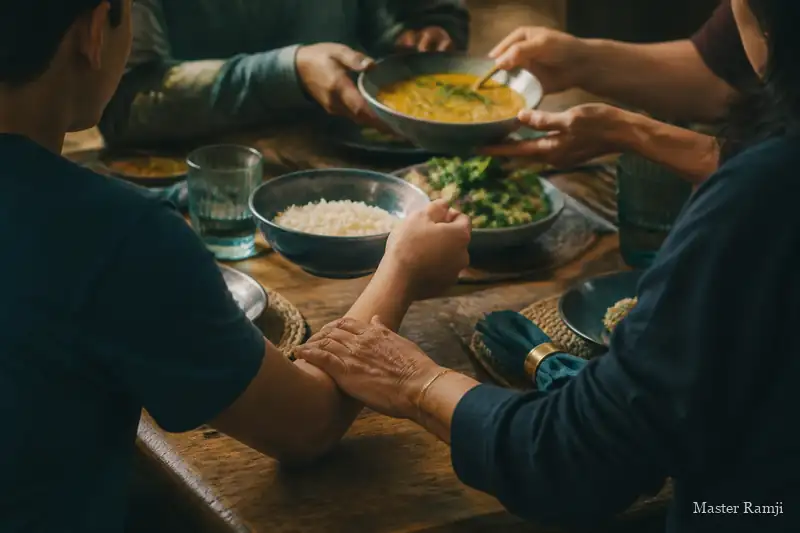
- Eat regular meals. Set times for breakfast, lunch and dinner so study doesn't push food aside.
- Plan, then start small. Break each subject into short tasks. Twenty focused minutes beats three hours of staring.
- Practise under exam conditions. Timed practice papers make the real thing feel less strange.
- Talk to someone. A teacher, tutor, friend or parent can often see a way through that you can't when you're stressed.
When should you get help?
Better Health suggests seeing a doctor or community health centre if you often feel stressed, if the pressures feel beyond your control, if your reactions seem extreme, or if you feel anxious or depressed. For students, other signs worth acting on include panic attacks, not eating or sleeping for days, or feeling hopeless.
If you feel unsafe or have thoughts of harming yourself, please reach out now. Kids Helpline is free and open at all hours on 1800 55 1800 for ages 5 to 25. Lifeline is on 13 11 14. In an emergency, call 000.
Who can help around Burwood?
- School wellbeing staff. Most secondary schools have a wellbeing team or counsellor. VCE students can also ask their school about special provision if illness or hardship affects their exams.
- University support. Deakin students can contact the university's counselling service. Other universities and TAFEs have their own.
- headspace. headspace Box Hill, on Prospect Street, supports young people aged 12 to 25 with mental health, GP services and work and study support. You can refer yourself online, and family can make a referral too.
- Your GP. A GP can check for anything physical, talk through options and refer you to further support if you need it.
International students far from home may also find our article on settling in and relationships as a Burwood student useful.
What if your family wants to do nazar utarna?
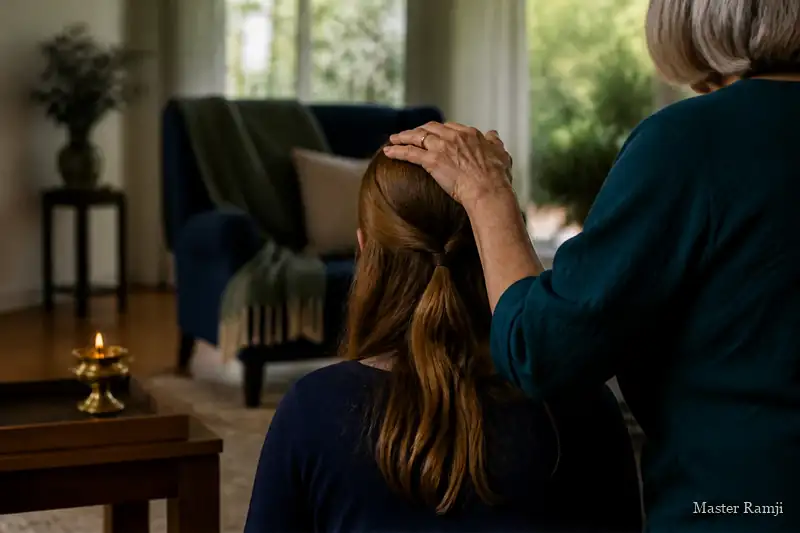
Many families have a small ritual for removing nazar, such as circling salt or chillies around the person, or a grandparent saying a quiet prayer. If your family wants to do this for you, a few guidelines keep it safe:
- Do it alongside real support, never as a reason to delay seeing a doctor or counsellor.
- Keep it simple. A blessing, a prayer or a hand on the head carries the same care.
- Skip anything involving smoke in a closed room, or putting substances on your skin or eyes.
- You're allowed to say no politely. A good family custom is offered, not forced.
What can parents do?
Ask how your child is going, then listen more than you advise. Avoid comparing them with cousins or friends, and don't tie their worth to a score. Keep meals and routines steady at home during exams. Our article on helping a teen through Year 12 pressure has more ideas for parents.
Where does spiritual guidance fit?
For some families, a calm conversation about faith and worry can sit alongside proper care. Evil eye guidance is a traditional, belief-based service. It can't treat anxiety or change an exam result, and an ethical guide will always point a struggling student towards health support first.
Sessions can be held by phone, WhatsApp or video. Read about our work in Melbourne's eastern suburbs, or get in touch.
Related service

Keep reading

Bad Luck Since Moving to Pakenham? Check These First
Things going wrong since you moved to Pakenham? Check money, health, sleep, commute and home safety first, then consider calm spiritual steps if you wish.
Read article →
Cleansing a Warehouse or Unit in Keysborough
Thinking about a spiritual cleansing for a Keysborough warehouse or factory unit? How to keep it discreet, safe and respectful of staff and neighbours.
Read article →
Nazar Customs for Newlyweds: A Guide From Ascot Vale
Why families worry about nazar after a wedding, the simple customs many follow, how to do them safely at home, and when it's time to stop worrying.
Read article →More from Melbourne's Eastern Suburbs
Visiting the Ganesh Temple at The Basin
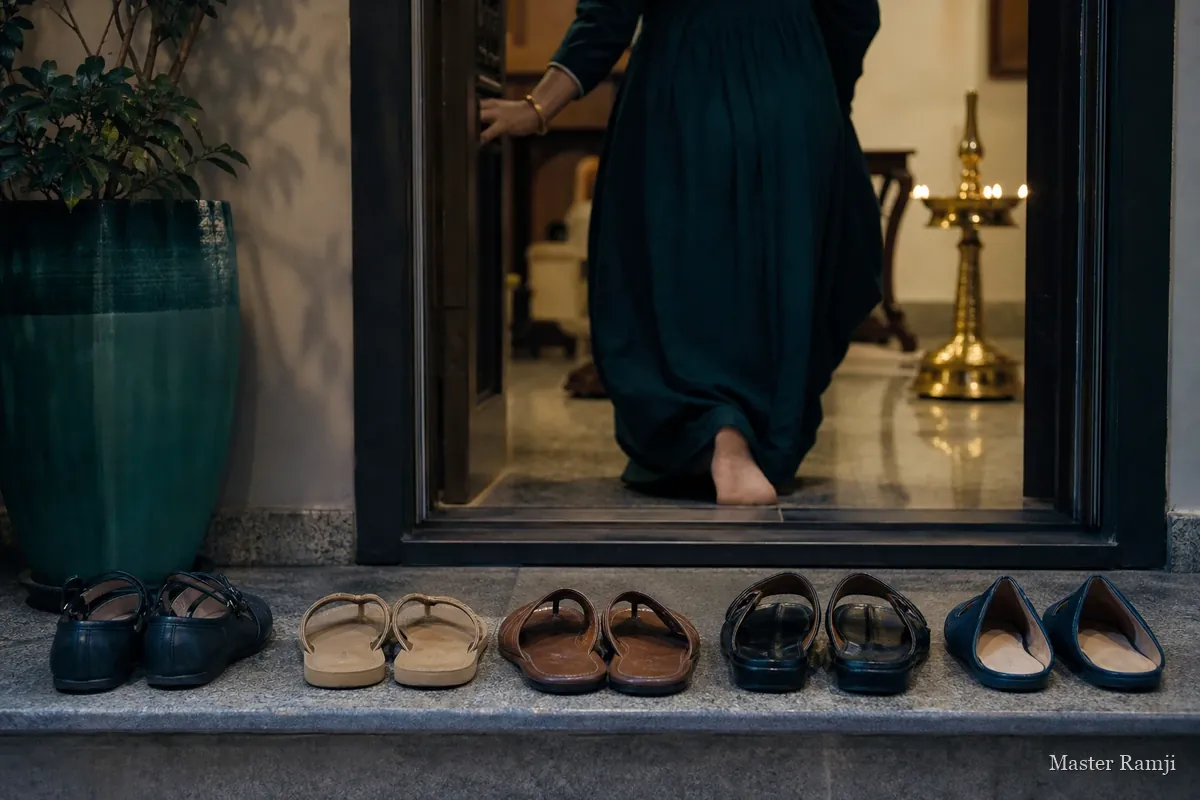
Planning a visit to the Vakratunda temple at The Basin? Its history, granite shrine, canteen, etiquette and practical tips for first-time visitors.
Read article →
Vastu for Box Hill High-Rise Apartments
In a Box Hill tower you rarely choose which way you face. What vastu can still offer on a high floor, how to compare apartments, and what to leave alone.
Read article →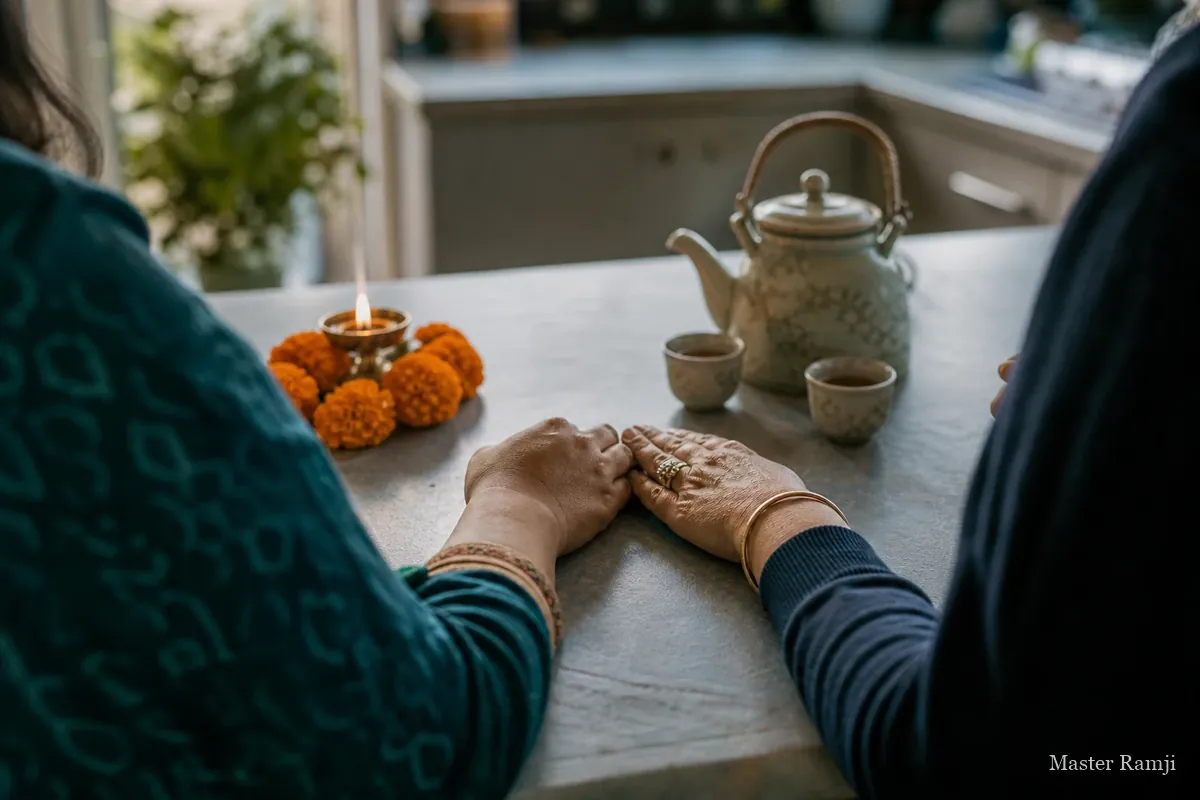
Indian and Chinese Family Traditions in Box Hill Couples
For Indian and Chinese couples in Box Hill: how Vedic charts and Bazi differ, how to raise them respectfully with both families, and what neither one can decide.
Read article →Local pages
Quick answers
What is the evil eye?
The evil eye is the belief that an envious look can bring harm. Here is where the belief is found, how people respond to it, and what it can't show.
Read answer →What is nazar utarna?
Nazar utarna is a household custom for removing the evil eye, usually with salt or chillies. Here is how it is done, and what to watch out for.
Read answer →Talk to Vijay Ramji
Tell us what you are facing. If a reading is unlikely to help, you will be told that plainly.