
Falling in Love Far From Home: Students in Burwood
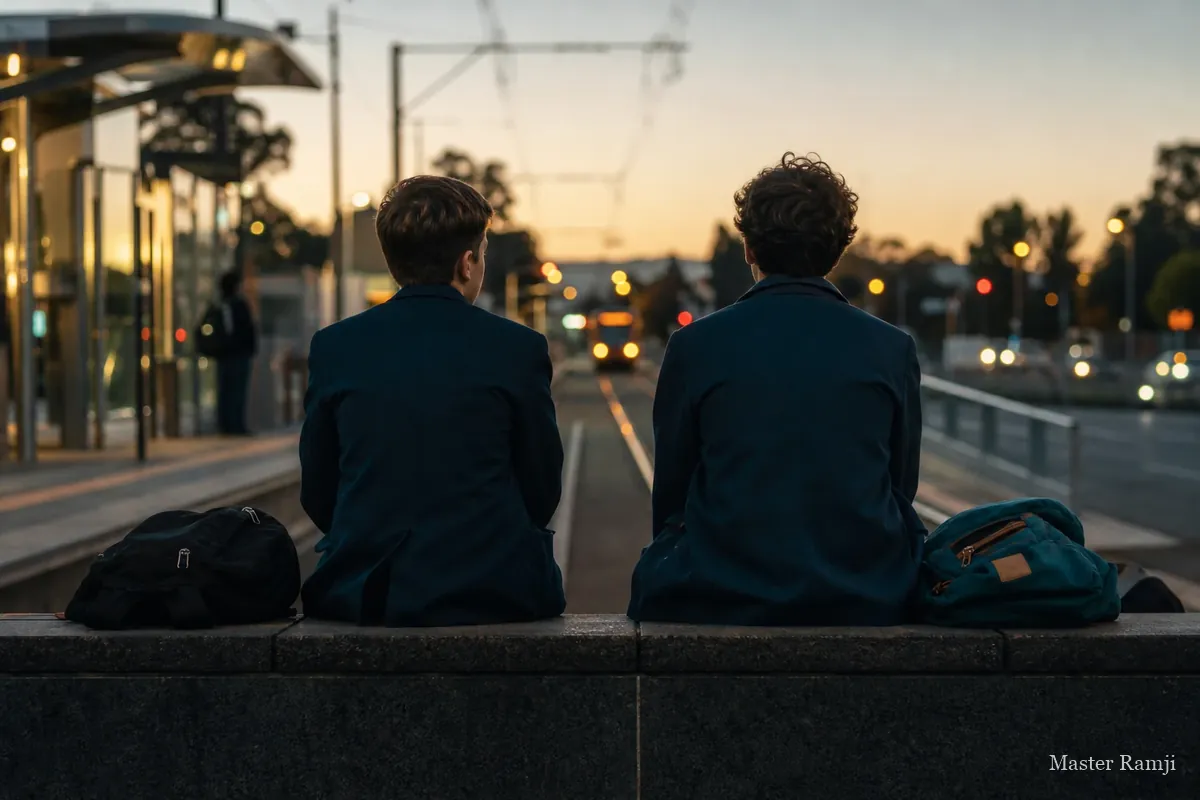
For students in Burwood, falling in love far from home can be real, but loneliness can also speed things up. Take time to know the person in ordinary life, keep your friends, money and study separate for now, and talk to someone you trust. Pressure or control is a warning sign.
If you study at Deakin in Burwood, your new life may run along one road. Burwood Highway is the campus address, and the route 75 tram stops close by at stop 63. Many days can be a loop of lectures, a share house, a part-time shift and a video call home.
Then someone sits next to you in class, or asks if you have eaten, and suddenly you can't stop thinking about them. It might be the start of something lovely. This guide won't tell you to avoid love. It is about thinking clearly while you are still lonely and new here.
Key takeaways
- Feelings can grow quickly when you are far from home. That doesn't make them false, but it is a good reason to slow your decisions.
- Keep your own friends, money, study plans and housing separate for a while.
- Pressure, secrecy and control are warning signs, however romantic they are made to sound.
- Deakin international students can get free counselling and support through the university, and there is help beyond campus as well.
Why can love feel so fast when you are new here?
At home, your needs were spread across many people. Your mother checked if you had eaten. Your friends heard your complaints. A cousin helped with paperwork. In your first months in Melbourne, one person can quickly take on all of those jobs, and that is a lot of weight for a new relationship to carry.
Being far from home also removes the usual brakes. Nobody knows their family. Nobody can say, "We know what he's like." Nobody is watching, which can feel like freedom, and sometimes it is. It also means you have fewer people to check your judgement.
Is it love or is it loneliness?
Often it is a bit of both, and that is fine. These questions may help you see which is doing more of the work:
- If you had three close friends here, would you still choose this person?
- Do you enjoy them on a dull Tuesday, or mainly when you feel sad or scared?
- Have you met their friends, and have they met yours?
- Can you say no to them without worrying for the rest of the day?
- What do you know about their life that you haven't only heard from them?
There are no scores here. Your answers are just a way of being honest with yourself before you make any big decisions.
What slows things down without ending them?
You don't need to step back from a good student relationship. Melbourne can give you plenty of ordinary time together if you let it, and you can protect yourself along the way:
- Stay in your own house for now. Moving in together may save rent, but it can also make leaving very hard. Before you sign a lease with someone, think about what would happen if you broke up.
- Keep your money separate. Don't lend money you can't afford to lose, share your banking details or take out a loan or phone plan for someone else.
- Keep your own week. Hold on to your study group, your shifts and your weekend plans. Go somewhere that isn't a date. A trip to the strip shops where Burwood Highway meets Warrigal Road counts.
- Protect your study. Before exams, it's fine to say you need a few quiet evenings. A partner who cares about you will understand. If stress is starting to feel like something bigger, you may also want to read about exam nerves and nazar.
- Keep calling home. You don't have to tell your family everything yet, but don't let your partner become the reason you stop talking to them.
Should you tell your family?
That depends on your family and the relationship, and you get to choose the timing. Some students wait until they are sure. Others tell one trusted sibling first, which gives them someone to talk to. Try not to lie in ways you will have to keep repairing. When you are ready, this guide on telling your parents about your relationship may help you plan the conversation.
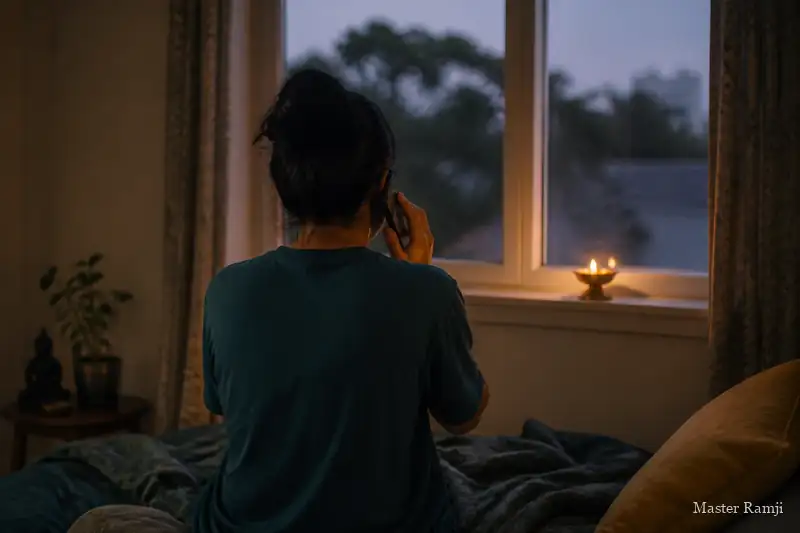
What are the warning signs?
Being new can make you easier to pressure, especially if you don't yet know what is normal here. Take these seriously:
- Pushing you to move in, marry or commit before you are ready
- Using your visa, your fees or your family's reputation as a threat
- Asking for passwords, or checking your phone and location
- Pressing you for intimate photos, or threatening to share any they have
- Discouraging you from seeing friends or going to class
- Asking for money again and again, always with an urgent reason
You can read more in control is not love. For anything about your visa itself, speak to the Department of Home Affairs or a registered migration agent, and not a partner, a friend or an astrologer. Don't let anyone else's account of the rules push you into a decision.
Who can you talk to around Burwood?
You don't need a crisis to ask for help. Deakin's student website is the place to check current details for these services, as they can change:
- Counselling. Deakin lists free, confidential counselling for students, with psychologists and social workers.
- Chaplains. The university has multifaith chaplains, and you don't need to be religious to talk to one. They can also point you towards a nearby place of worship. Deakin lists prayer rooms at Burwood too.
- Safer Community. This Deakin service handles concerns such as sexual harm, family violence and worrying behaviour. If you are afraid of what speaking up might mean for your studies, ask them how it works before you decide anything.
- Off campus. Burwood and Burwood East stretch across more than one council area. Whitehorse City Council's page for international students lists legal, health and wellbeing services, along with the state government's Study Melbourne service.
If you are 25 or under, Kids Helpline takes calls at all hours on 1800 55 1800. Lifeline is on 13 11 14 and Beyond Blue is on 1300 22 4636. If you feel unsafe or controlled in a relationship, 1800RESPECT is on 1800 737 732. A GP can also help if you are feeling low, not sleeping or finding it hard to study.
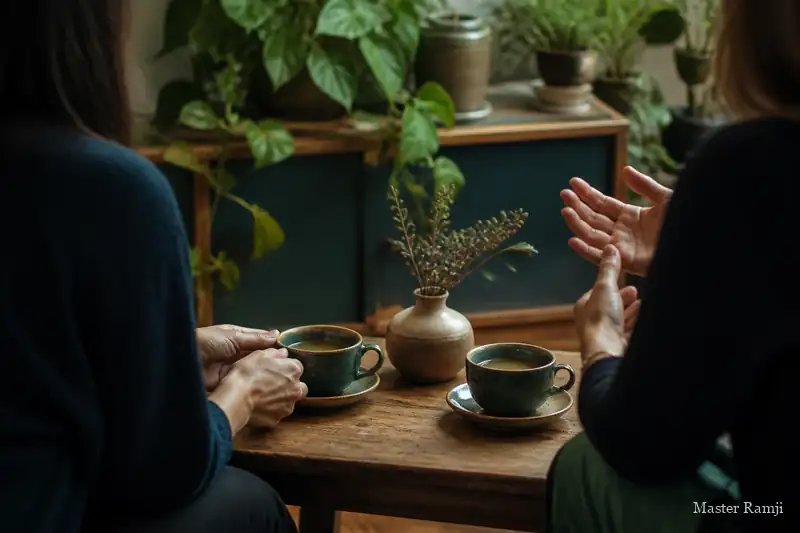
Can a relationship reading help?
For some students who grew up with astrology, it offers a familiar way to think things through. A relationship reading looks at both charts, with both people's agreement, for patterns that repeat. This is a matter of belief and not science. You may also want to know how accurate love compatibility astrology is before you give any score much weight.
A chart can't tell you if someone is safe, honest or kind. Only time and evidence can do that. A careful reader should encourage you to keep your friends and your own judgement, and shouldn't ask you to make a decision on the spot.
For more general advice, see relationships while studying abroad in Australia. Sessions can be held by phone, WhatsApp or video, so they can fit between classes. Fees are stated before any paid work, and what you share is confidential. You can read about our work in Melbourne's eastern suburbs or get in touch.
Related service
Keep reading
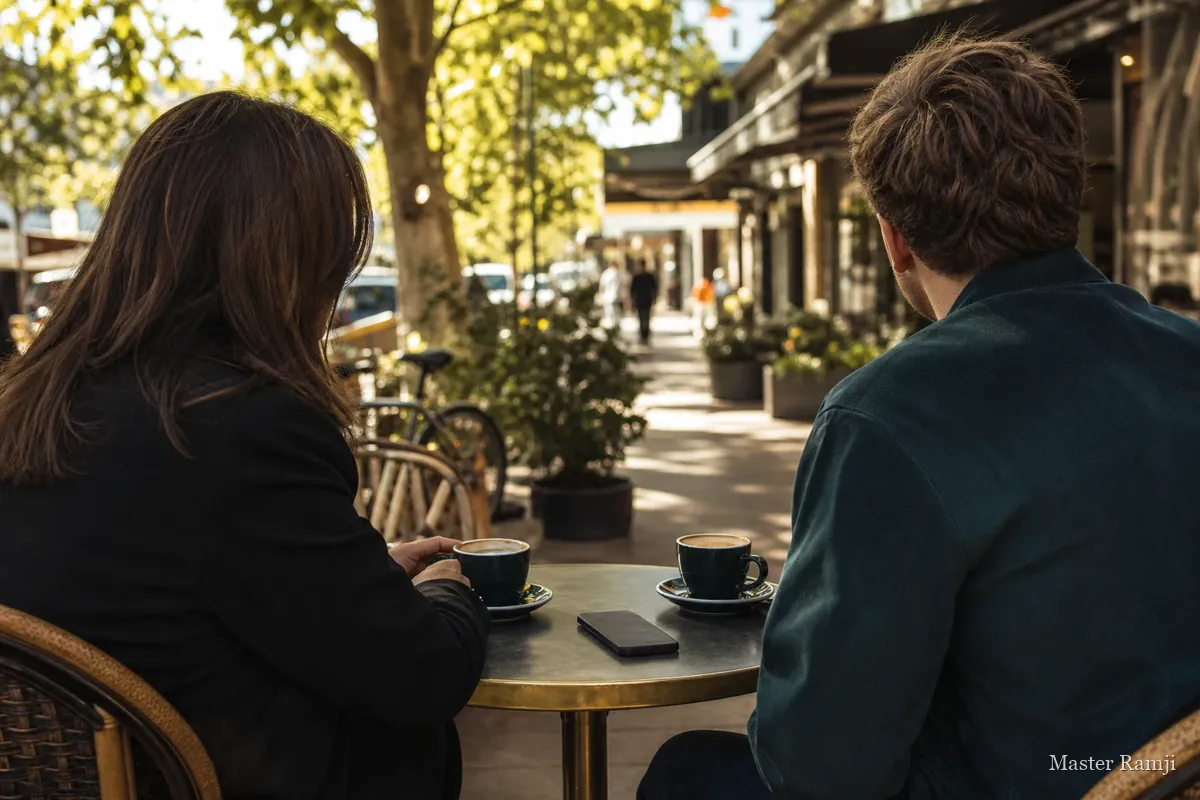
Dating Apps and Astrology in South Yarra
App compatibility scores are not a chart reading. What astrology dating apps measure, what they miss, and how to date in South Yarra with your judgement intact.
Read article →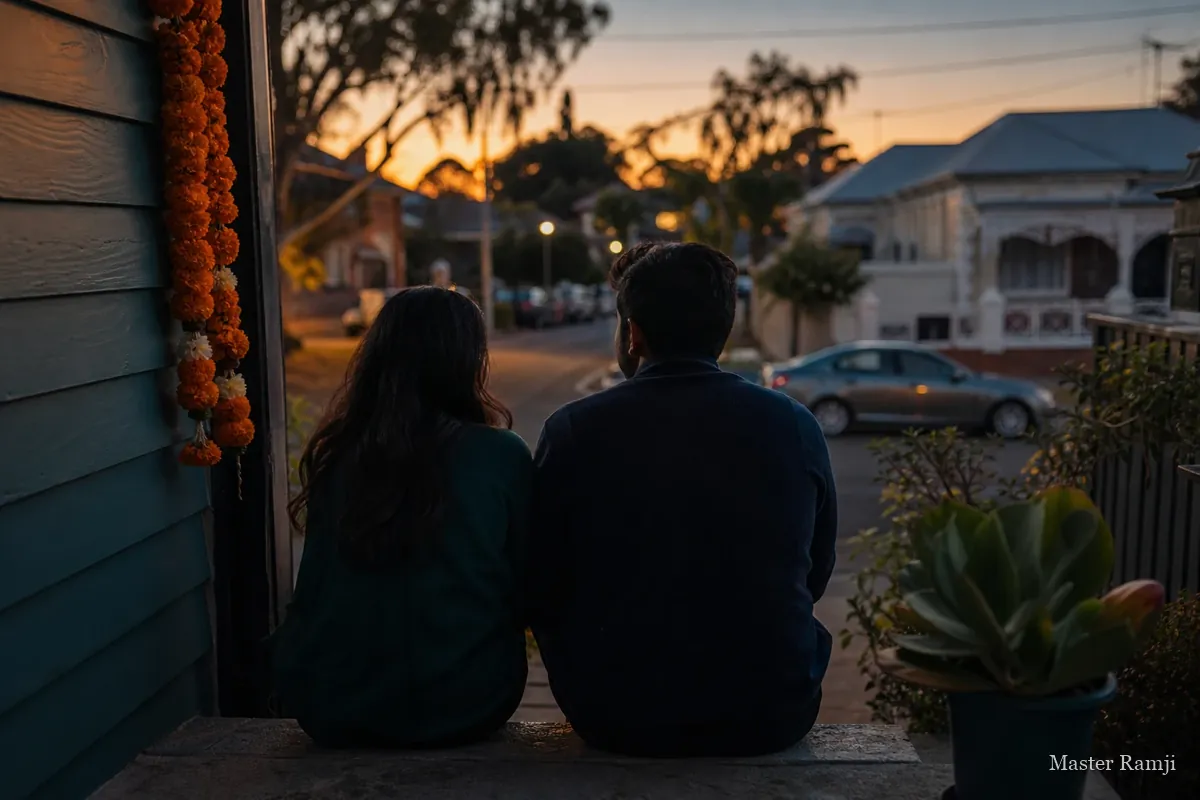
Second-Generation Couples in Brunswick and Family Traditions
A second-generation couple in Brunswick? How to sort family traditions into what you keep, adapt and renegotiate, and how to talk to parents without a blow-up.
Read article →
Dating Across Cultures in Melbourne's West
Dating someone from another culture in Footscray or Melbourne's west? How to read family expectations, when to tell parents, and what a chart can and can't add.
Read article →More from Melbourne's Eastern Suburbs
Parents Looking for a Match From Doncaster
Helping your adult child find a match in Doncaster? How to offer support without taking over, share details with consent, and keep guna milan in its place.
Read article →
A Dasha Change Is Coming: Planning From Mount Waverley
A dasha change is coming. Here's what to do from Mount Waverley: check the dates, list your decisions, and plan calmly without fear or costly remedies.
Read article →
Protecting a Foothills Home in Boronia
Boronia home near the bush? Bushfire safety comes from CFA guidance, not ritual. How to keep a lamp and camphor practice safe, and when to skip the flame.
Read article →Local pages
Quick answers
Is vashikaran ethical?
No. Vashikaran aims to control another person, which is unethical and is refused here. Why consent matters, and where to turn if you feel pressured or controlled.
Read answer →What does Venus mean in a birth chart?
Venus in a birth chart represents love, attraction, beauty and what you value. Here is its short meaning in Vedic astrology, and what a 'weak Venus' doesn't mean.
Read answer →Talk to Vijay Ramji
Tell us what you are facing. If a reading is unlikely to help, you will be told that plainly.