
Cleansing a Warehouse or Unit in Keysborough
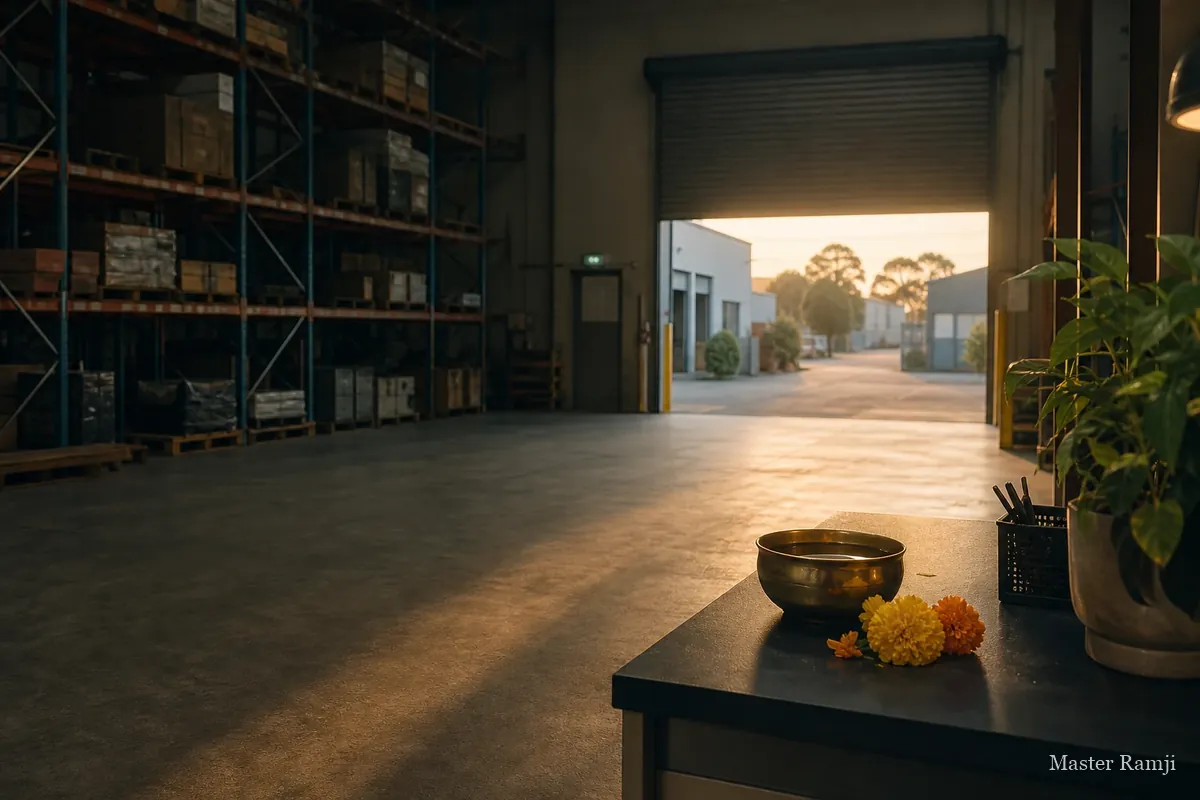
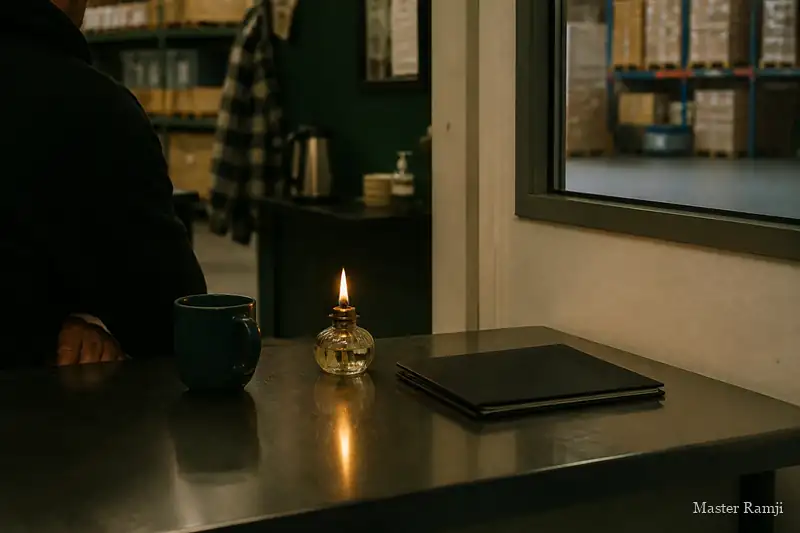
A business cleansing in a Keysborough warehouse or factory unit can be kept quiet and simple. Choose a time outside shifts, check with your landlord or owners corporation, skip open flames near stock or detectors, and never pressure staff to take part. It is a tradition of reflection, not a fix for trade problems.
Keysborough is a suburb of contrasts. Victorian Places describes it as 27 km south-east of Melbourne, bounded by Springvale Road, Dandenong Creek and Mordialloc Creek, with farmland in the south on the drained Carrum Swamp. Housing estates spread across the north from the late 1970s, and today the suburb has industrial land as well. Greater Dandenong's industrial area structure plan names Keysborough as one of the industrial areas it aims to develop.
So if you run a business from a warehouse, a factory unit or an office in one of its estates, you're far from unusual. Some owners want a spiritual cleansing when they move in, after a rough patch or before a new venture. Industrial premises bring their own practical questions, and this page works through them.
Key takeaways
- Industrial premises usually need a quieter, simpler approach than a home or a shopfront.
- Check your lease and any owners corporation rules before planning anything visible.
- Avoid open flames and smoke near stock, chemicals or fire detection systems.
- Staff should be free to join, watch or stay away. Belief can't be made a condition of work.
Why do business owners ask for a cleansing?
The reasons vary. Some follow a family custom of blessing any new premises. Some feel uneasy after a break-in, a dispute or a run of bad luck. Others simply want a fresh start after a previous tenant left in a hurry.
In many traditions, business premises cleansing is about intention. You mark a boundary between what came before and what you want to build. It doesn't need to be elaborate to feel meaningful.
How is a warehouse different from a shop?
A shop is open to the public and often has a single owner on site. A warehouse or unit is different in a few ways:
- Shared sites. Many estates have several businesses side by side, with shared driveways, car parks and common areas.
- Shift work. Forklifts, deliveries and staff may be moving at odd hours, which affects timing.
- Hazards. Stock, packaging, fuel or chemicals change what is safe to light or burn.
- Fire systems. Detectors and sprinklers may be monitored, so smoke can cause real disruption.
Keeping these in mind turns a worrying idea into a simple, respectful plan.

What should you check before you start?
- Your lease. Look for clauses about open flames, alterations, signage and use of common areas. If in doubt, ask your landlord in writing.
- The owners corporation. In a strata estate, common property is shared. Keep any practice inside your own unit unless you have clear permission.
- Your safety obligations. Your site manager or safety officer will know which areas are restricted and what the emergency procedures are.
- The fire system. Find out whether detectors are monitored before any smoke is used. If you're unsure, don't use any.
How do you keep it discreet?
Many owners prefer to keep this private, and that's reasonable. Some practical choices:
- Pick a time when the floor is quiet, such as before the first shift or after close.
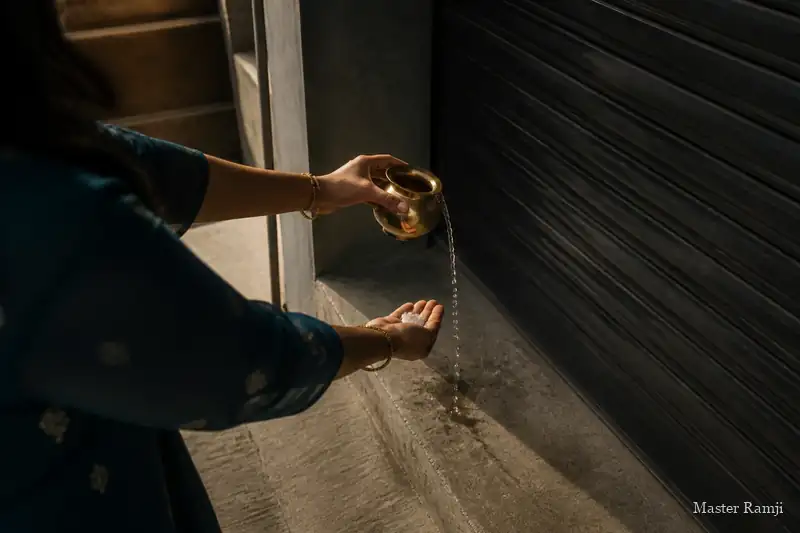
- Use smoke-free methods, like sprinkling water, chanting quietly or placing salt in corners, which leave no trace for the next shift.
- Keep it brief. A slow, quiet walk through the space with a clear intention is enough for many people.
- Focus on the areas that matter most to you, such as the entry, the office and the loading dock.
If you do want to light a lamp or incense, the CFA's advice on candles and incense applies at work as much as at home. Never leave them burning without someone present. Set them on a stable, hard surface at least one metre from anything that can catch fire easily. In a warehouse, an office or kitchenette away from stock is a far better spot than the floor.
What about staff who don't share your beliefs?
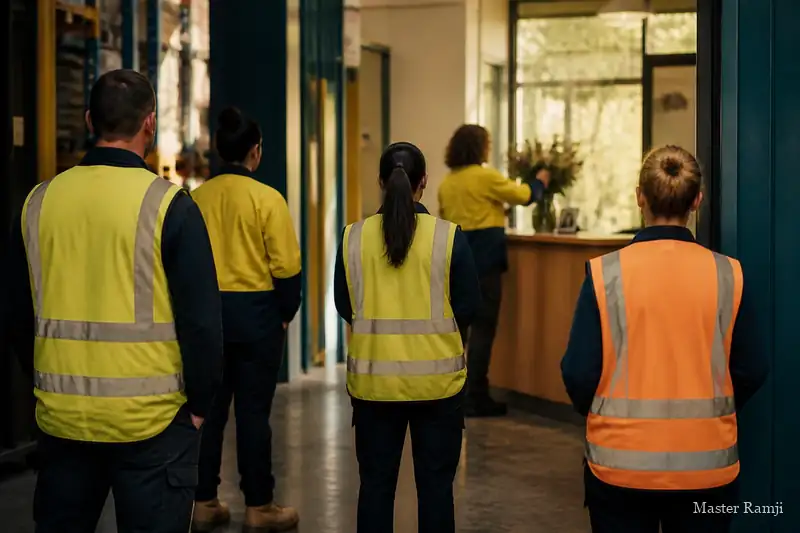
A Keysborough workplace may bring together people of many faiths, and some with none. That's worth respecting. Let staff know a simple practice will take place, tell them what it involves, and make it clear they are free to take part, watch or stay away.
Never make anyone feel their job depends on joining in, and never suggest a person is the cause of bad energy. That kind of message can damage trust and cause real harm. If workplace tension is the actual worry, our guide to workplace jealousy and spiritual protection looks at the human side as well.
Can a cleansing be done without anyone visiting?
Yes. Sessions can be held by phone, WhatsApp or video, which suits a shared site where an outsider walking around might draw attention. You describe the premises, share a floor plan if you have one, and receive simple steps to carry out yourself. For the short version, see whether a spiritual cleansing can be done remotely.
What can a cleansing not do?
A warehouse energy cleansing is a traditional practice. It may help you feel settled and focused, but it cannot fix a cash flow problem, a weak contract or a staffing issue. If trade is slow or debts are building, speak with your accountant or a registered business adviser. Slow trade: is it your shop's energy or your business plan? sets out the practical questions to ask first.
Be wary of anyone who says your premises are cursed and demands money to lift it. A careful practitioner states fees upfront and won't use fear to sell more work.
How can we help?
Business premises cleansing can be arranged in advance, with fees stated before any paid work. Sessions can be held by phone, WhatsApp or video, and what you share stays confidential. Some owners also want a layout review, which vastu for shops and offices covers.
Read more about our work in Melbourne's south-east, or get in touch to talk it through.
Related service
Keep reading

Nazar Customs for Newlyweds: A Guide From Ascot Vale
Why families worry about nazar after a wedding, the simple customs many follow, how to do them safely at home, and when it's time to stop worrying.
Read article →
Unsettled in a New Gippsland Home
New to Traralgon and the house doesn't feel right? The practical checks to make first, how loneliness plays a part, and where a cleansing tradition fits.
Read article →
Astrologer Flyers and Ads: What to Check First
Found an astrologer flyer in your Wyndham letterbox or on your windscreen? The red flags to look for, questions to ask, and where to report a scam in Victoria.
Read article →More from Melbourne's South-East

Taking Your Meditation Outside in Frankston
Want to meditate on the Frankston foreshore? Simple tips for choosing a spot, staying sun safe, chanting considerately and keeping the beach clean.
Read article →
House Numbers and Buying in Oakleigh
Found the right house in Oakleigh but worried about the number on the letterbox? How numerology views house numbers, and why practical checks should come first.
Read article →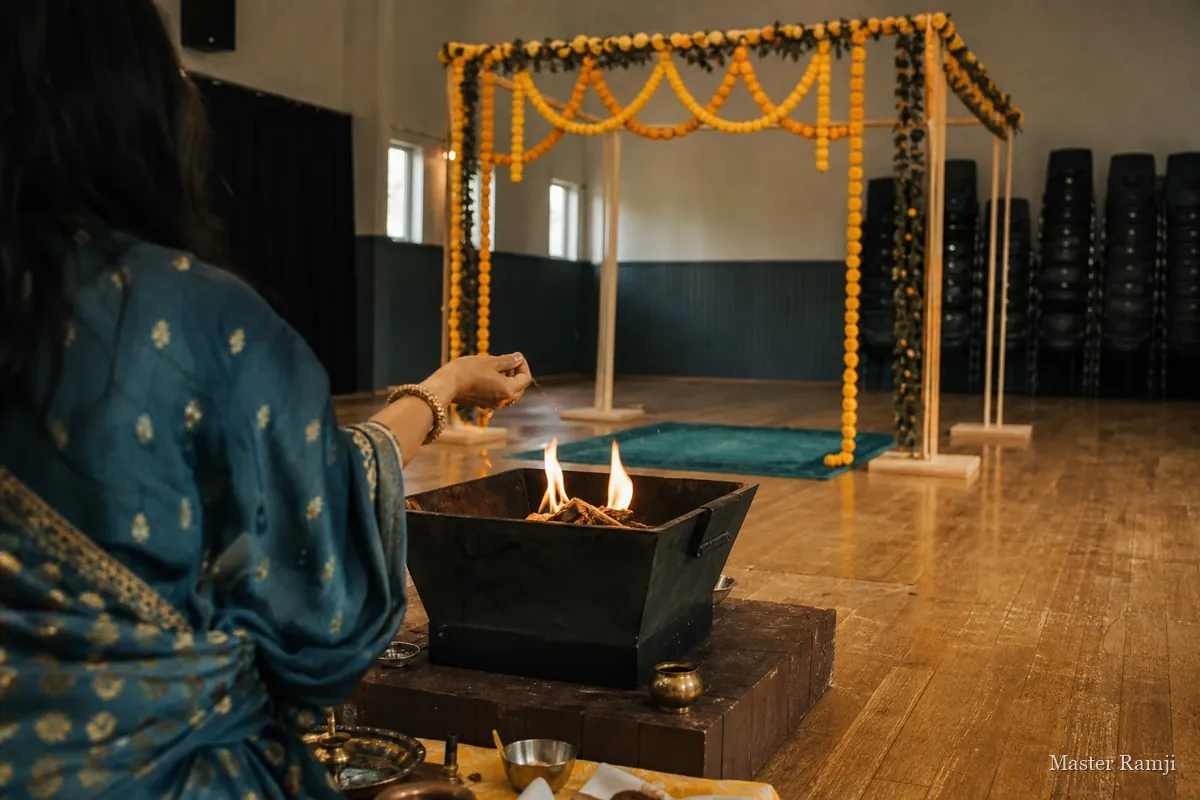
Planning a Hindu Wedding in Melbourne's South-East
Booking a hall in Dandenong, Casey or nearby for a Hindu wedding? The sacred fire questions to ask, the hire rules to read, and the marriage paperwork to lodge.
Read article →Local pages

Astrologer for Dandenong
For Dandenong traders and new arrivals: shop timing, vastu for premises, and how to check any spiritual adviser. Sessions by phone, WhatsApp or video.
View area →
Astrologer for Clayton
For Clayton students and graduates dealing with family pressure, relationships and first jobs. Vedic astrology by phone, WhatsApp or video, from Ascot Vale.
View area →Quick answers
What do people mean by black magic?
Black magic usually means the belief that ritual can harm someone. Here is what the term covers, what it can't show, and what to do if you're worried.
Read answer →How do I know if someone did black magic on me?
There is no reliable sign that proves black magic. Here is what to check first, why fear is a warning sign, and when to get medical help.
Read answer →Talk to Vijay Ramji
Tell us what you are facing. If a reading is unlikely to help, you will be told that plainly.