
Year 12 Pressure in Mill Park Families
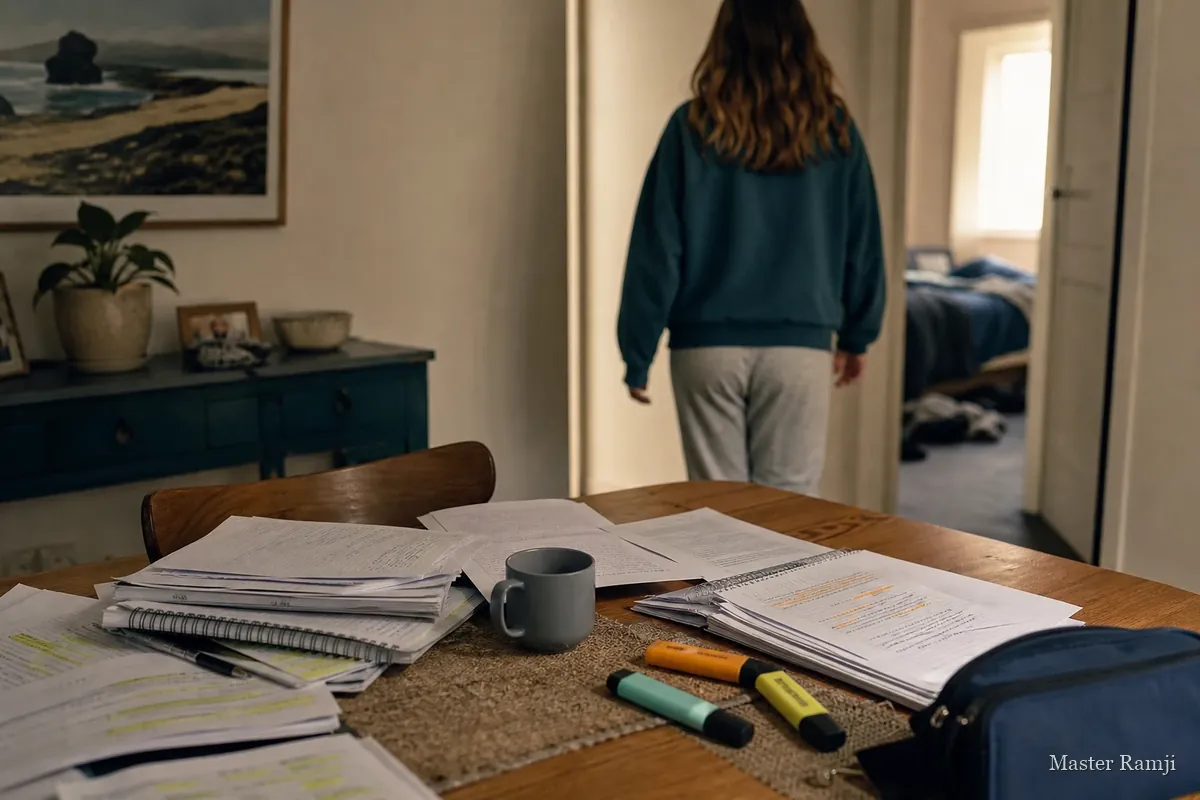
If Year 12 pressure is affecting your teen in Mill Park, put their wellbeing ahead of their marks. Keep sleep, food and routines steady, listen more than you advise, and talk early with school wellbeing staff, a GP or headspace Plenty Valley. Astrology should not be used to predict a child's results.
Year 12 can take over a whole house. The dining table fills with notes, the conversation keeps coming back to marks, and a tired teenager goes quiet behind a bedroom door. For many families in Mill Park and across the north, the VCE year can be the most stressful stretch of school.
Many Indian parents in Melbourne feel this pressure too. They love their child, they worry, and they aren't sure if they are helping or making it worse. This guide is for you. It starts with your teenager's wellbeing, because that comes before any score.
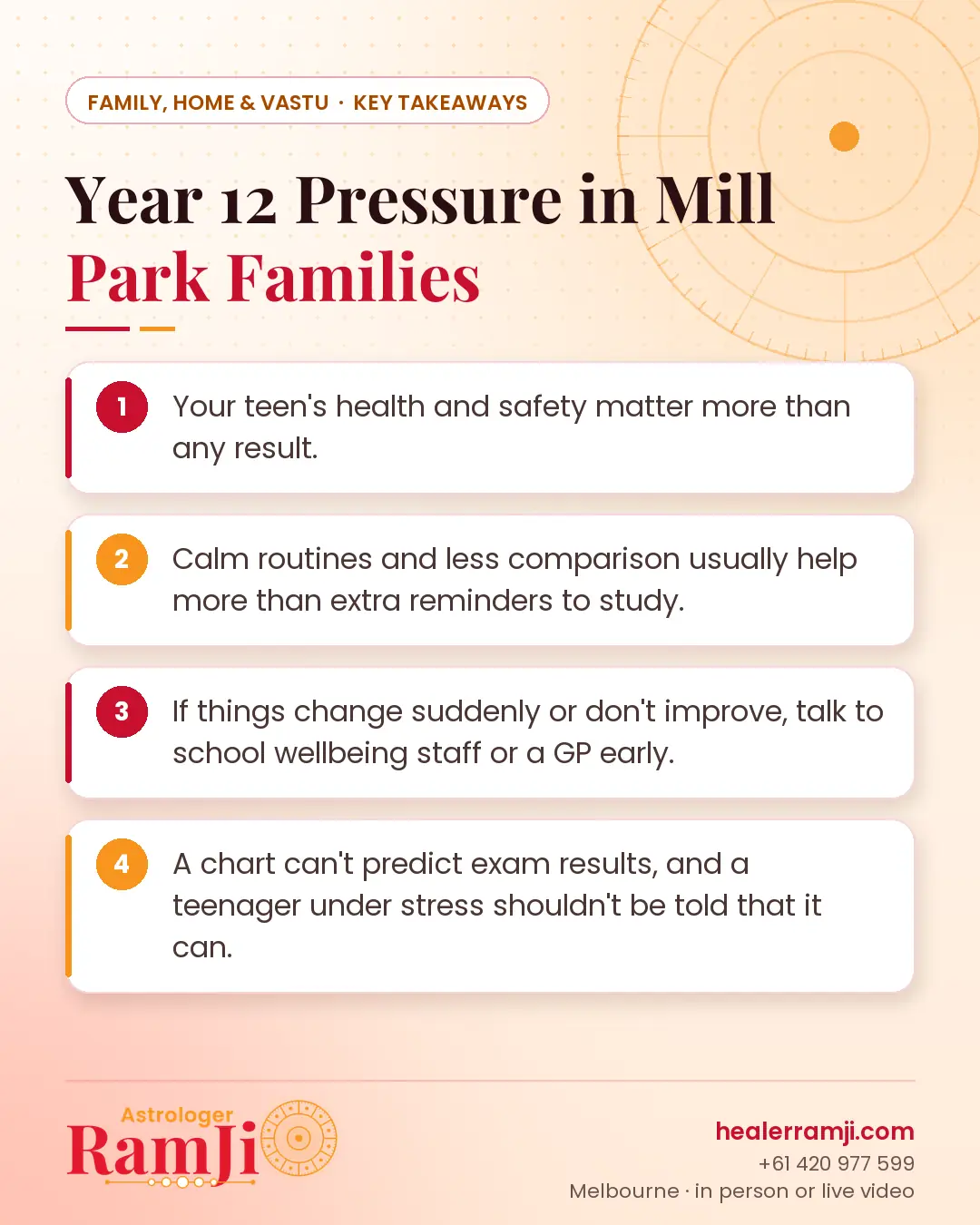
Key takeaways
- Your teen's health and safety matter more than any result.
- Calm routines and less comparison usually help more than extra reminders to study.
- If things change suddenly or don't improve, talk to school wellbeing staff or a GP early.
- A chart can't predict exam results, and a teenager under stress shouldn't be told that it can.
Why can Year 12 feel so heavy in Indian families?
Not every Indian family is the same, and pressure comes in every culture. But some patterns are common. Many parents came through a system where one exam could decide a whole future. Many also gave up a great deal to move here, and teenagers know it, even when nobody says it aloud.
Then there's the wider circle. Relatives ask about the ATAR. Cousins are held up as examples. Medicine and engineering may be spoken of as the only safe choices. Each comment may be well meant, but a young person can hear them all as one message: don't let us down.

What actually helps at home?
You can't sit the exam, but you can make their days easier:
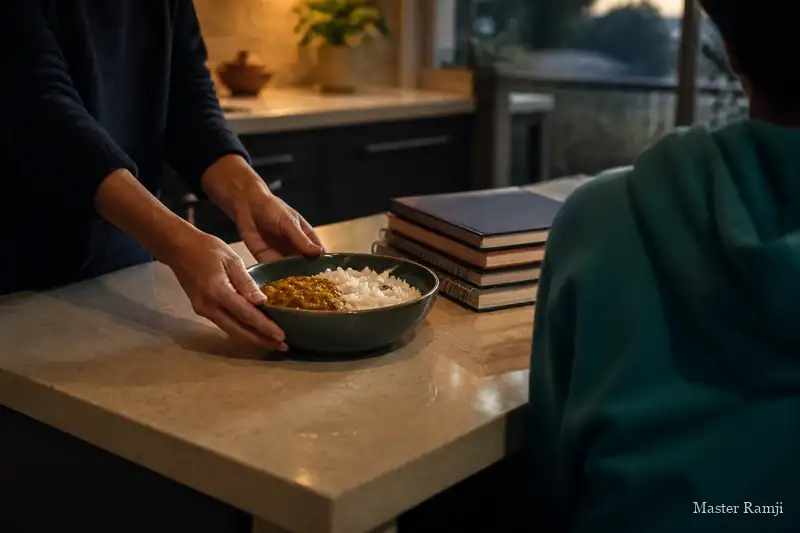
- Protect the basics. Regular meals, enough sleep and some movement matter. A late-night study habit tends to work against them.
- Agree on one check-in. Ask what time suits them, and ask once. Repeated "have you studied?" reminders tend to add stress and not much else.
- Ask open questions. Try "what would make this week easier?" If they don't want to talk about exams, ask about logistics, or leave it.
- Keep some normal life. Time with friends, sport or a family meal isn't wasted.
- Be the gatekeeper with relatives. You can say, "We're not discussing marks this year." That takes a weight off your teen.
- Look after your own stress. Teenagers pick up on it. Talk to your partner, a friend or your own GP rather than leaning on your child.
What should you avoid saying?
Some phrases do more damage than parents realise. "After everything we've done for you" turns gratitude into a debt. "Look at your cousin" tells them they are being measured. "This will decide your whole life" isn't true, and it makes the fear worse.
Instead, try saying: "We love you whatever the score is." "There is more than one way into most careers." "You look exhausted. What can we take off your plate?" Mean it, and say it more than once. Universities and TAFEs have other entry pathways.
If you're also dealing with disagreements over values and independence, raising teenagers between two cultures may help.
When is it more than normal exam stress?
Some nerves are normal. Please reach out for help if you notice any of these, particularly if they last or get worse:
- Big changes in sleep, appetite or weight
- Pulling away from friends and things they used to enjoy
- Panic, constant worry or frequent tears
- Refusing to go to school, or being unable to start work
- Saying they feel hopeless, worthless or like a burden
If your teen talks about not wanting to be alive, or you think they may hurt themselves, take it seriously. Stay with them. Call 000 if there is immediate danger. Kids Helpline on 1800 55 1800 is free and open at all hours for young people aged 5 to 25. Lifeline is on 13 11 14 at any hour too. Asking directly about suicide doesn't put the idea in their head.

Who can help around Mill Park?
The school. Start here, even if you only have a small concern. Mill Park Secondary College's wellbeing page lists a wellbeing team that includes a nurse and mental health practitioners, along with a referral form. The college's Senior Campus, for Years 10 to 12, is on Civic Drive in Epping. If your child attends another school, ask for the wellbeing coordinator, a year level coordinator or the VCE coordinator.
Your GP. A GP can check for physical causes, talk through sleep and mood, and arrange a Mental Health Treatment Plan if needed. Teenagers may want part of the appointment alone, so let them have that. healthdirect on 1800 022 222 can also help you decide what to do next.
headspace. headspace Plenty Valley is at Westfield Plenty Valley on McDonalds Road in Mill Park, inside EDGE Youth Services, with its own outside entry rather than one through the shopping centre. It supports young people aged 12 to 25 with mental health, physical health, drug and alcohol concerns, and work and study. Support is free or low cost, though some private practitioner sessions have a gap fee, so ask first. Young people can refer themselves, and family and friends can refer them too. The centre says it includes families in care where it can, and its page lists parent forums, hosted by headspace Greensborough, and a parenting course for families of teens. It isn't an emergency service.
Beyond Blue on 1300 22 4636 also supports parents who are anxious or low themselves.
What if illness or a crisis hits during exams?
Talk to the school's VCE coordinator as soon as you can. The Victorian Curriculum and Assessment Authority has Special Provision arrangements for students affected by illness, disability or personal circumstances. Emergency Special Examination Arrangements can be requested when something sudden happens just before or during the exam period. A Derived Examination Score can be applied for when a result is unlikely to fairly show what a student has learned.
The rules are specific, and health evidence may be needed, so don't try to work it out alone. Asking about these options doesn't mean your child has failed.
Where does astrology fit in, if at all?
Some parents consider having their child's chart read during this time. Please be cautious. A chart can't show what marks your child will get, which course they will be offered or whether they will cope. Anyone who predicts these things is claiming more than the tradition can honestly offer. Telling a stressed teenager they are in a "bad period" could do real harm.
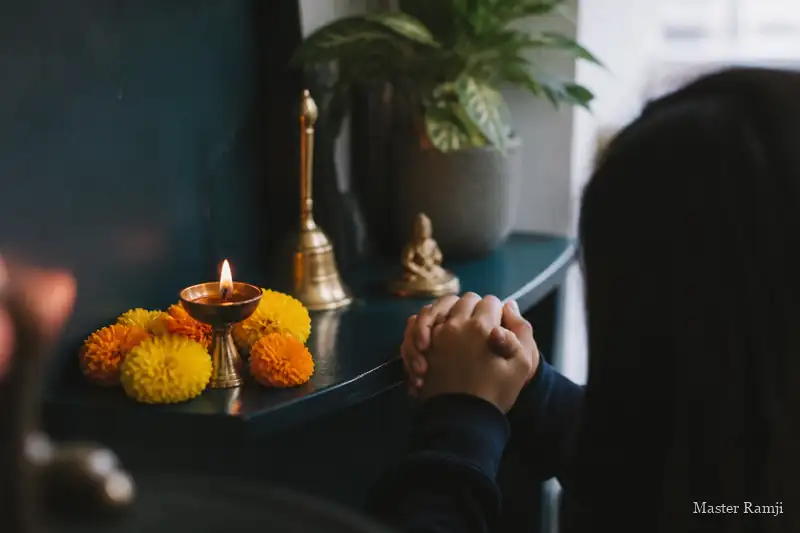
An ethical reader won't make those predictions, and they won't suggest fasting, costly rituals or remedies for a young person under strain. If prayer or quiet time calms your teen, that is lovely, as long as it is their choice and doesn't replace sleep, food or support.
Astrology is a belief tradition, not evidence about your child. If it matters to your family, it is best used by parents, later on, to reflect on how they relate to their child. Parent and child chart reading is meant for that, once things have settled and with your teenager's agreement. Reading a child's chart without labelling them and should parents get a child's chart read? explain the limits.
For more on easing pressure over the longer term, see school pressure and what parents can do and our guides for Melbourne's north. Right now, the most useful call is probably to the school or your GP. If you would like to talk about your own worries as a parent later on, you can get in touch.
Related service
Keep reading
Moving for a School Zone in Glen Waverley
Thinking of moving to Glen Waverley for a school zone? What to check on Find My School first, and how to time griha pravesh around settlement and enrolment.
Read article →
Renovating a Family Home in Essendon With Vastu
Already renovating in Essendon? Which vastu questions are worth raising while plans can still change, and what heritage, asbestos and contract checks come first.
Read article →
Selective School Pressure in Glen Waverley Families
Is the selective entry exam weighing on your Glen Waverley home? What a child's chart can't tell you, and how to protect your child's wellbeing above any result.
Read article →More from Melbourne's Northern Suburbs

Before the Wedding: A Checklist for South Morang Couples
Getting married from South Morang? A stage-by-stage checklist of legal paperwork, honest conversations, venue questions and spiritual tasks for the months before.
Read article →
From Overseas Qualification to Local Trade in Thomastown
Waiting on skills recognition in Thomastown? Who decides what, how to steady yourself during delays, and how to weigh a career change in Melbourne.
Read article →
Waiting for a Spouse Overseas: Advice From Roxburgh Park
Waiting for a spouse overseas from Roxburgh Park? Ways to stay close, share decisions and look after yourself, and who to ask about visa questions.
Read article →Local pages
Quick answers
Should parents get a child's chart read?
A child's chart can be read with care, as a way to reflect on temperament. Here is when it may help, what to avoid, and who to see about real concerns.
Read answer →What is vastu shastra?
Vastu shastra is a traditional Hindu system of home and building design based on direction and layout. Here is what it covers and what it can't claim.
Read answer →Talk to Vijay Ramji
Tell us what you are facing. If a reading is unlikely to help, you will be told that plainly.