
Evil Eye Removal
Traditional nazar customs, explained plainly and kept safe.
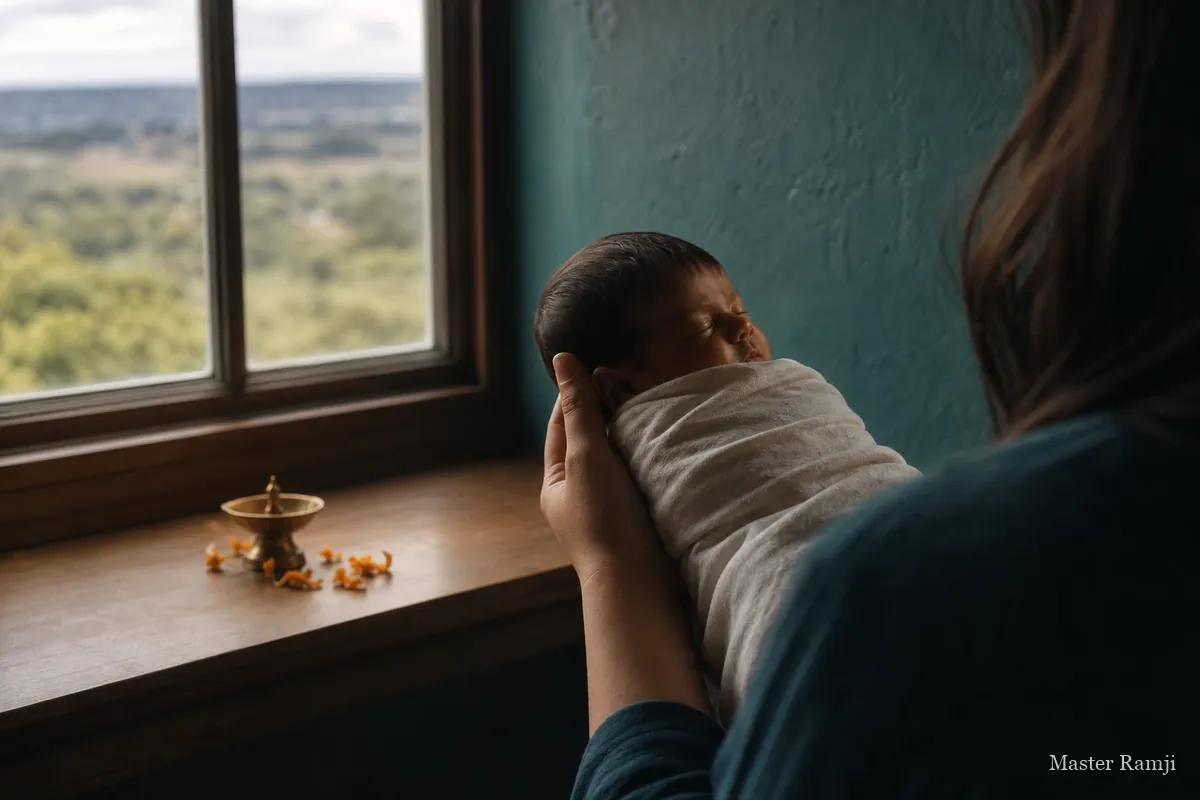
Evil eye removal, or nazar utarna, is a group of traditional prayers and customs used by people who believe an envious or admiring gaze can cause harm. Vijay Ramji explains which customs suit your tradition and whether anything more is useful. It is a matter of belief, not medical care, and no result is promised.
What is evil eye removal?
The evil eye is an old and widespread belief that a jealous or overly admiring look can bring harm, often without the person meaning it. In Hindi and Urdu it is called nazar or buri nazar. In parts of South India you may hear drishti or kannu. You can read a short explanation of what the evil eye means, or our history of evil eye beliefs across cultures.
Removal refers to the customs families use to lift that worry. It is a belief and, for many people, a comfort. No test can show that someone has the evil eye, and a consultation can't prove it either. What a session can do is help you work out what is really worrying you, and give you a calm way to respond.
What do the traditional practices involve?
Customs differ by family, region and faith. These are some of the best known:
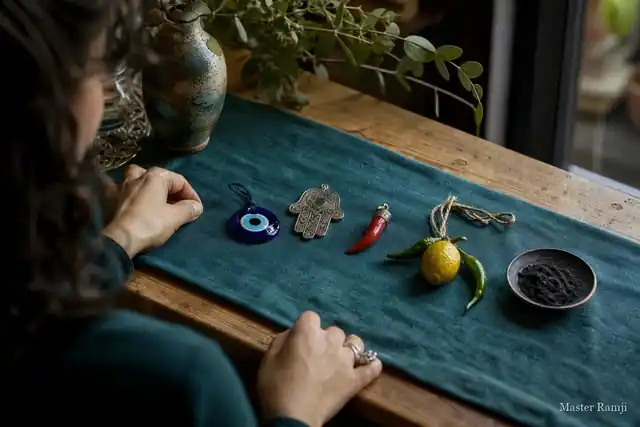
- Nazar utarna. Someone circles salt, dried chillies or a lemon around the person with a prayer, then discards it. Here is more on what nazar utarna is.
- The black dot. A small mark on a child's cheek or behind the ear, meant to spoil their "perfection".
- Door charms. A lemon and green chillies hung at a home or shop entrance, or a fierce drishti figure in some South Indian homes.
- Prayer. Hindu families may recite a familiar mantra or the Hanuman Chalisa. Many Muslim families recite the final chapters of the Quran.
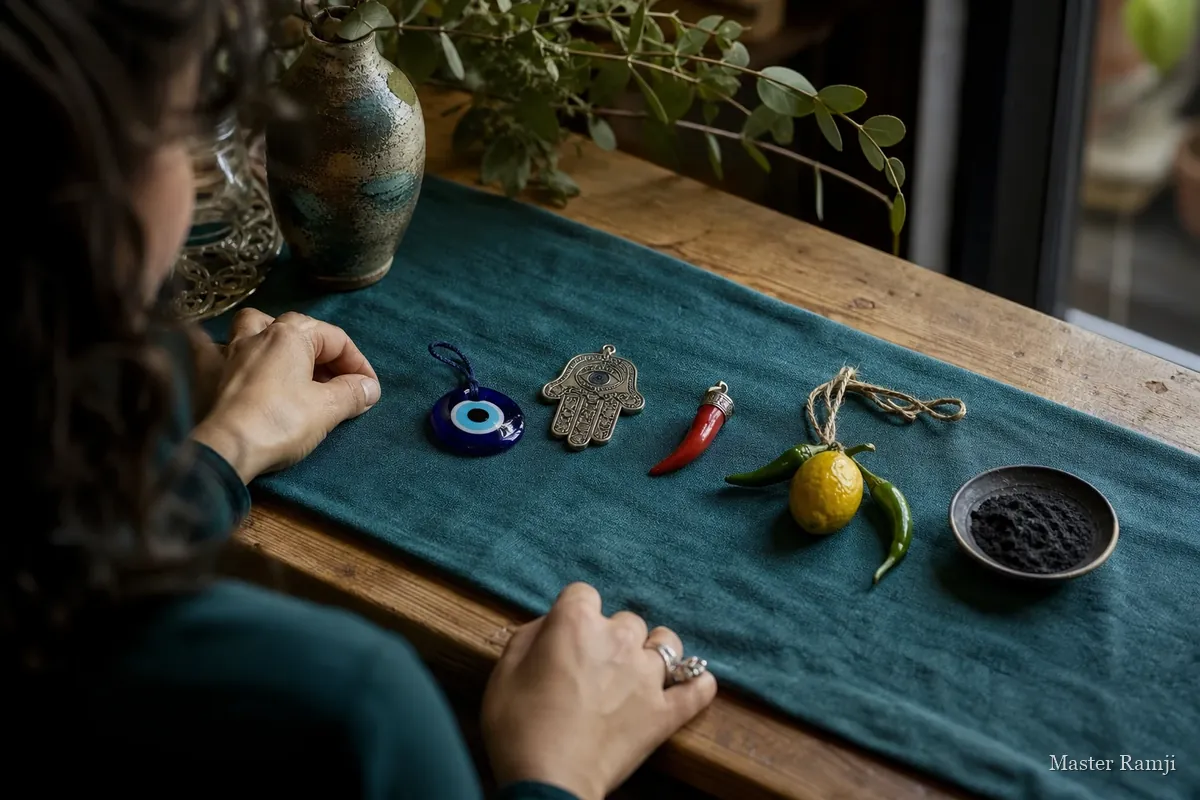
- Charms. The blue glass eye and the hamsa are common across many cultures.
Which of these suits you depends on your family and not on a rulebook. Most can be done cheaply, and our guide to simple nazar practices at home walks through them.
Which customs need extra care?
A loving custom can still carry a practical risk, so a few deserve a second look:
- Kajal and surma. In 2018, NSW Fair Trading warned about imported eyeliners with dangerous levels of lead that may have made three children sick. Be very careful about what you put on a child, and ask a GP if you are concerned about a product already used.
- Camphor. The Victorian Poisons Centre advises against keeping camphor blocks in the house for any purpose. It specifically warns against pinning one to a child's clothing or placing one under a pillow, because swallowing even a small part is potentially fatal.
- Burning chillies. The smoke is harsh. Don't do this indoors or around babies, or anyone with breathing trouble.
- Beads and small charms. Keep these out of reach of small children.
Our guide to nazar and children shows how families keep the custom while still seeing the doctor.
Who usually asks about this?
Often it follows good news. A new baby, a wedding, a new job or a home purchase can draw a lot of attention, and an older relative may say someone has looked at you with envy. We have written separately about nazar worries with a new baby and nazar customs for newlyweds.
Others have simply started to worry. A student may wonder whether nerves before an exam are really nazar, and that is a case where the anxiety needs attention first, as our piece on exam nerves or nazar explains. If you only want to understand a custom your family keeps, that is a perfectly good reason to ask too.
What happens in a session?
- You describe what prompted the worry. You will be asked what has been happening, when it began, and who suggested it might be nazar.
- Ordinary explanations are considered. Tiredness, a stressful month, a baby's normal unsettled spell or a run of bad luck may fit better than any spiritual cause. If you have health symptoms, you will be encouraged to see a doctor.
- Your family's customs are discussed. You will be asked what your family and faith already do, so anything suggested fits your tradition rather than replacing it.
- You choose what to do next. That may be a simple custom you do at home, a short prayer, or nothing at all. If you ask for prayers to be said on your behalf, the fee is stated first. Ask what you will be shown.
What can't it do?
Evil eye removal cannot treat illness, explain a child's crying or poor feeding, or settle a problem at work or at home. It can't tell you that someone envies you, and it won't identify anyone. Some people feel lighter after a family custom, and others feel no different. Neither result proves anything.
If you have been told something more frightening, such as a curse that needs expensive rites, our page on black magic removal deals with that directly. If you would rather have a small routine of your own, look at spiritual protection practices you can keep up yourself.
What does it cost?
Ask when you get in touch. Any fee is stated before paid work begins. Many of the customs on this page cost next to nothing, and you are welcome to do them at home instead.
How do I get in touch?
Call or send a WhatsApp message to +61420977599, or use the contact form. Vijay Ramji is based in Ascot Vale, with appointments arranged in advance, and sessions can be held by phone, WhatsApp or video. What you share is kept confidential.
Common questions
Can I remove nazar myself?
In most family traditions, yes. A parent or grandparent usually does it, with a prayer and a few things from the kitchen. You don't need a specialist, and many people never do.
Will you tell me who gave me the evil eye?
No. It can't be proven, and the belief itself often says the person meant no harm. Suspecting a relative or neighbour tends to do far more damage than the worry that started it.
My baby has been unsettled since a family visit. Could it be nazar?
Have your baby checked first. Call your GP or healthdirect on 1800 022 222 for advice, or 000 in an emergency. A family custom can sit alongside that care, but it should never come before it or replace it.
How will I know if the evil eye has gone?
You can't know, because no test shows it was ever there. Most families simply carry on once the custom is done. If the worry stays with you, that is worth talking about in its own right.
Do I need to buy an amulet or charm?
No. A blue glass eye or a hamsa can be a pleasant family keepsake, but nothing needs to be bought. Be careful of anyone who says only their costly item will work.
Related services

Negative Energy Cleansing
A step by step look at a negative energy cleansing session in Melbourne: the questions asked first, what the practice involves, and what it can't do for you.
View service →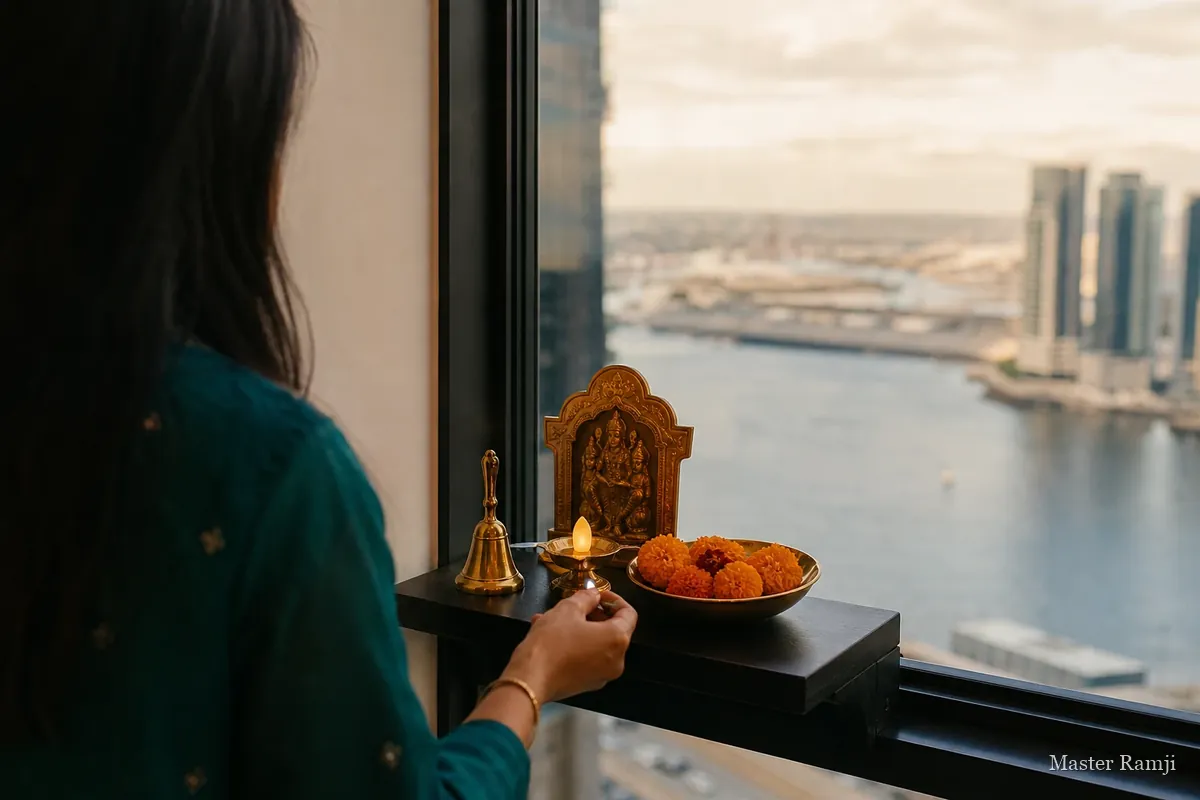
Home Energy Cleansing
Home energy cleansing in Melbourne for lived-in houses and apartments: smoke free methods, fire safety, and work done from your floor plan, photos and details.
View service →Read more
Evil Eye Beliefs Across Cultures
From nazar and drishti in South Asia to malocchio, mal de ojo and blue glass charms, see how evil eye beliefs developed and what they have in common.
Read article →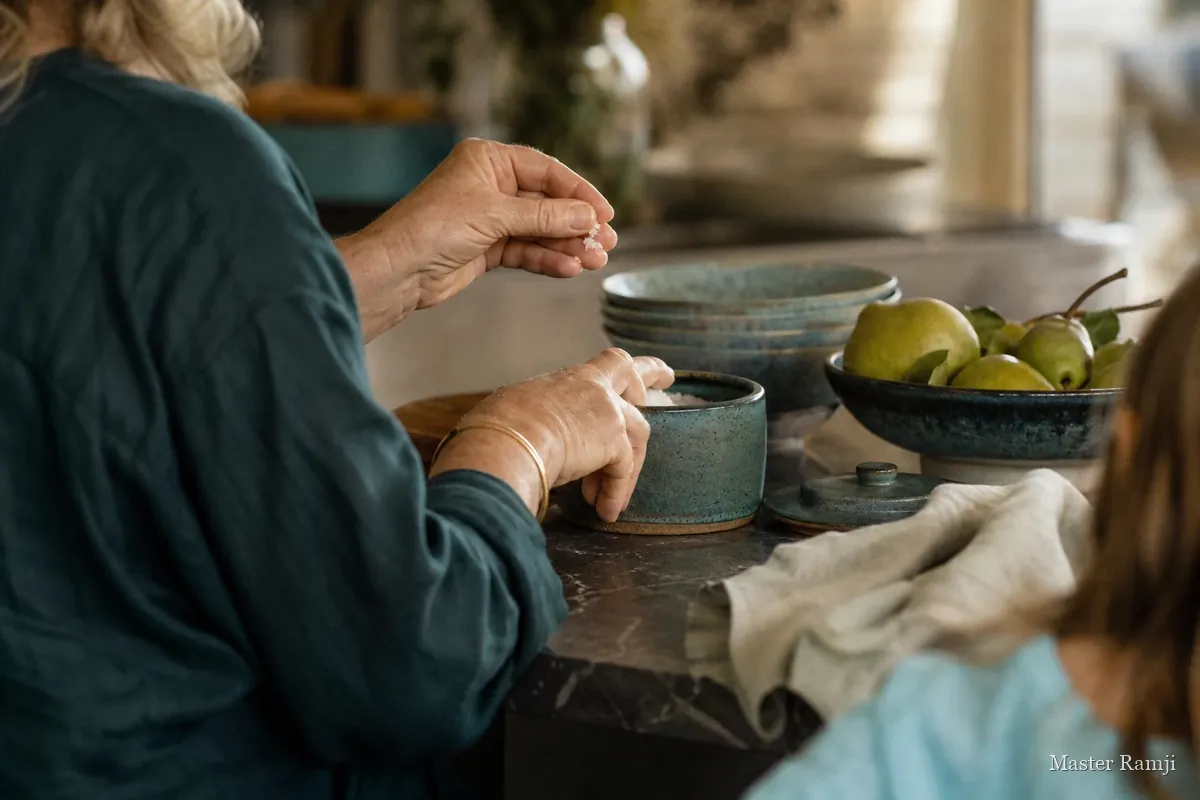
Simple Nazar Practices for Your Home
Simple nazar customs you can do at home with salt, lemons, chillies and prayer, how to do them safely in an Australian house, and which ones to skip.
Read article →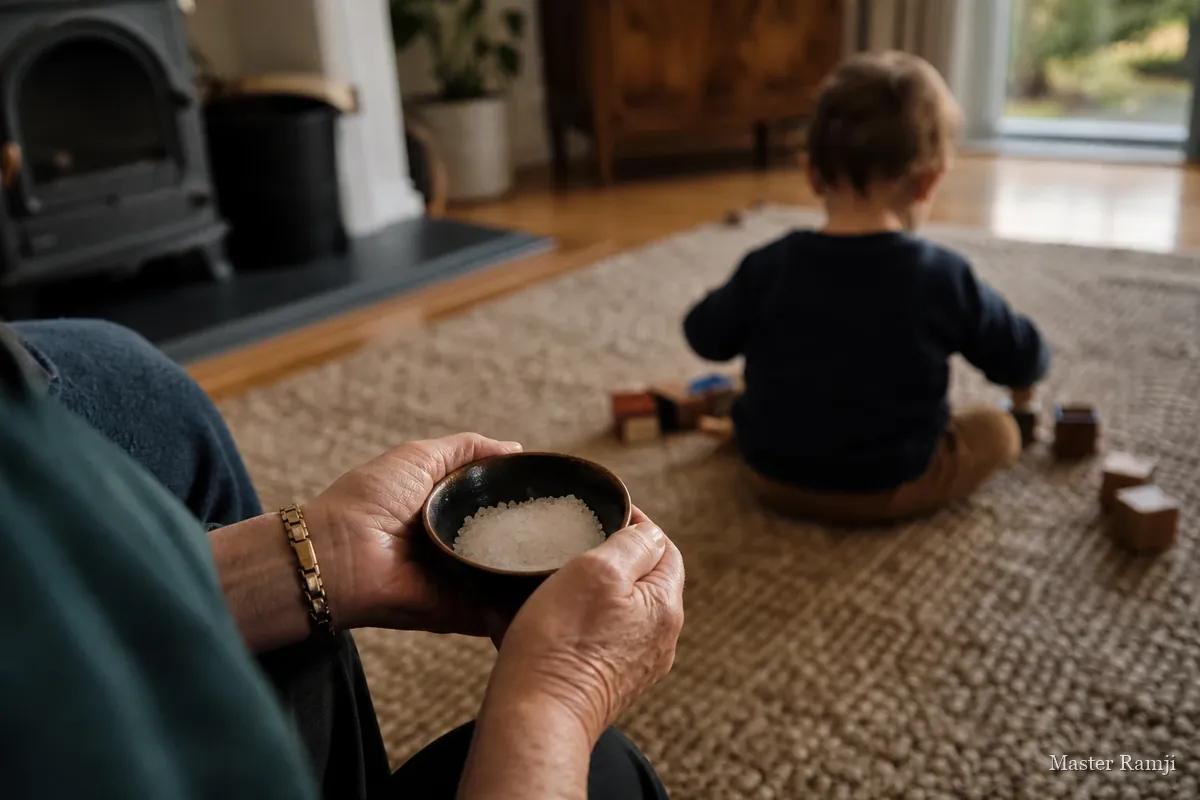
Nazar and Children: Family Traditions Explained
Nazar traditions for babies and children, explained with health first: when to see a doctor, why to avoid kajal and surma, and gentle ways to keep the custom.
Read article →Nazar Concerns With a New Baby in Preston
Worried about nazar and your new baby in Preston? See a doctor or maternal and child health nurse first, then choose gentle customs that keep your baby safe.
Read article →
Exam Nerves or Nazar? Advice for Burwood Students
Anxious before exams in Burwood and told it might be nazar? Look after your health and study support first, and keep any family custom gentle and optional.
Read article →Quick answers
What is the evil eye?
The evil eye is the belief that an envious look can bring harm. Here is where the belief is found, how people respond to it, and what it can't show.
Read answer →What is nazar utarna?
Nazar utarna is a household custom for removing the evil eye, usually with salt or chillies. Here is how it is done, and what to watch out for.
Read answer →Talk to Vijay Ramji
Tell us what you are facing. If a reading is unlikely to help, you will be told that plainly.