
Visiting the Ganesh Temple at The Basin
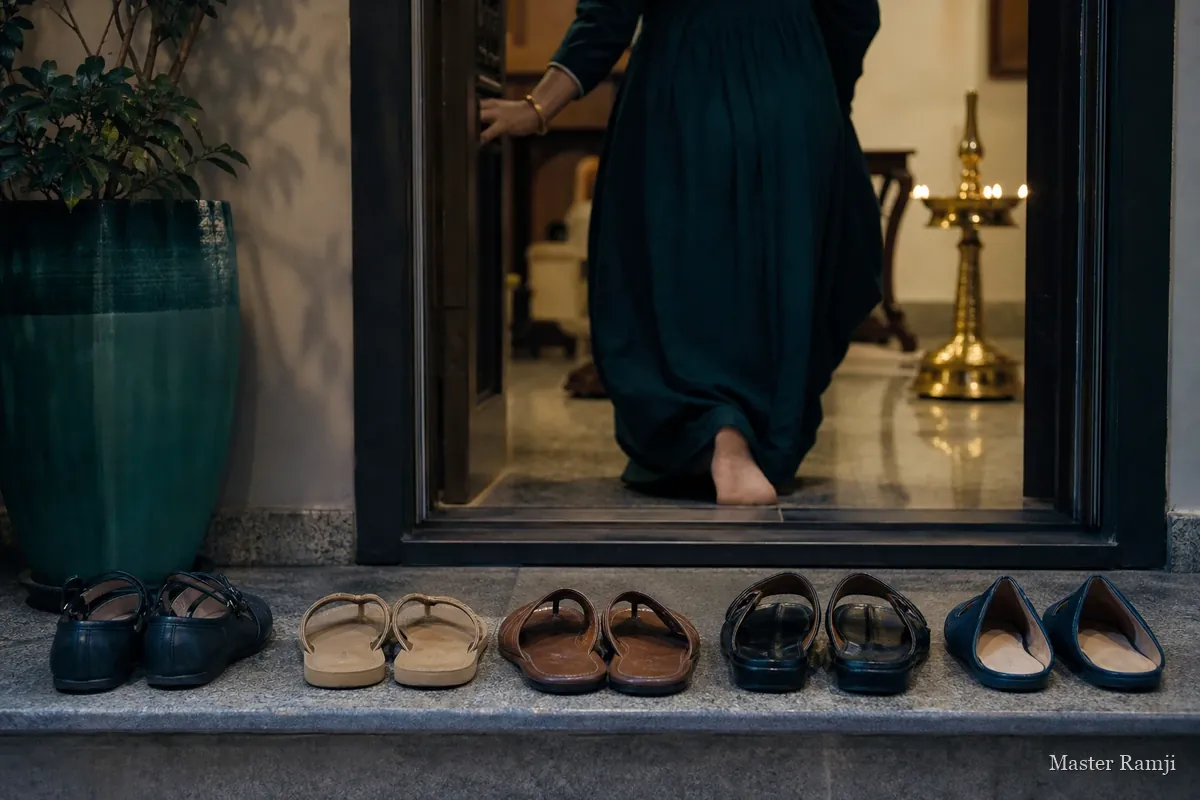
Sri Vakrathunda Vinayagar Temple, also spelled Vakratunda, is a granite Ganesh temple at 1294 Mountain Highway, The Basin. Check hours on its website before you go, take off your shoes at the entrance, ask before taking photos, and consider staying for a meal at its South Indian canteen.
Drive east along Mountain Highway towards the Dandenong Ranges and you will reach something you may not expect in Melbourne's outer suburbs: a South Indian temple in carved granite. Sri Vakrathunda Vinayagar Temple, which you'll also see written as Sri Vakratunda Vinayagar Temple, is dedicated to Ganesha, known in Tamil as Vinayagar. It has been a place of worship in The Basin since the early 1990s.
If you are looking for a Ganesh temple in Melbourne, this guide covers what makes it different and how to plan a calm first visit. The temple didn't publish this guide, so its office is the place to check anything that matters to your plans.
Key takeaways
- The temple's granite shrine and long history make it a notable place for Ganesh devotees in Victoria.
- Check hours on the temple's own website, as they can change around festivals.
- Take off your shoes and hats, and don't photograph the main shrine.
- You can ask the temple office directly about archanai and other poojas.
What makes this temple special?
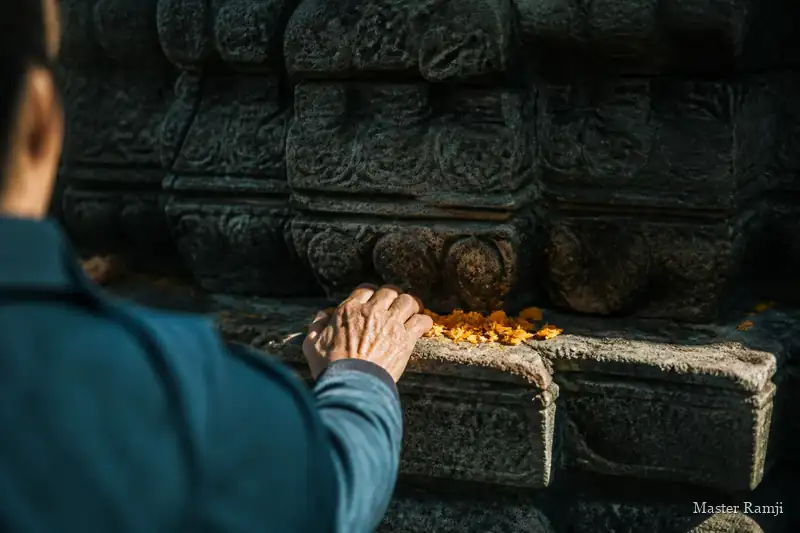
Its own history is a good place to start. A group of devotees decided in 1989 to build a Vinayagar temple in Victoria. A granite statue blessed in Kancheepuram reached Melbourne that year and stayed at a house in Templestowe until the temple was ready. The land in The Basin, once home to St Mary's Anglican Church, was bought in 1990. The consecration took place in October 1992, and the temple describes it as the first Hindu temple consecration in the state.
Three more things stand out:
- The granite. A three-storey granite gateway tower, the Rajagopuram, was completed for a 2007 ceremony. A later rebuild of the main shrine used stone from one mountain in Namakkal, South India. It has 17 layers and a single-stone peak weighing about six tonnes. A consecration ceremony followed in January 2021.
- The chariot. The temple held its first Mahotsavam festival in 2008. It says it was the first in Victoria to hold such a festival, and it takes a chariot, or Thaer, out onto the streets.
- The many shrines. Ganesha is the main deity. The temple also lists Muruga, Durga, Vairavar, Dakshinamurthy, Hanuman and the Navagraha.
You may see claims online that it's the largest or the first of various things in Australia. Those claims vary between sources, so we would simply enjoy the stonework and leave the rankings aside.
What should you check before you go?
The temple publishes its address, phone number, email and hours on its contacts page, and it notes that hours may change during festivals. It doesn't stay open all day, so look this up on the day. We've left the times out here on purpose, as they can change.
The temple's website also has a calendar and notices. If you want a quiet visit, check that before you leave. A big festival is wonderful, but it's a very different experience from a slow weekday evening, and parking can be busier.
How do you get to The Basin?
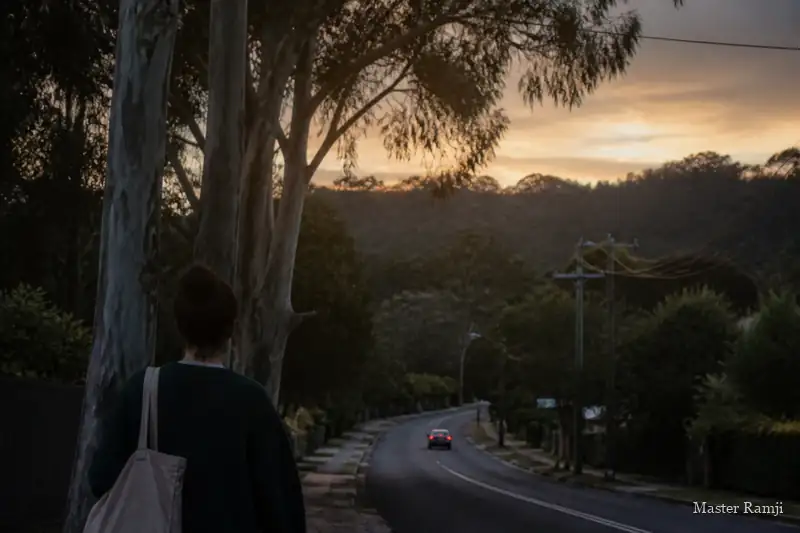
- By car. Most visitors drive. The temple is at 1294 Mountain Highway, and it describes a car park at the rear. Allow for extra time during festivals.
- By public transport. The closest stations are on the Belgrave line, at Boronia and Bayswater. Bus route 755 has been listed as running through The Basin between Bayswater and Knox City via Boronia. Check the Transport Victoria website for your day, since works and timetables change.
- On hot days. The Basin sits at the foot of the Dandenong Ranges, and parts of Knox are designated bushfire prone. On a day of high fire danger, check VicEmergency and the CFA before you travel.
How should you behave inside?
If you're unsure what to wear, use ordinary temple manners and follow what you see others doing. A Garland Magazine article about a visit here offers useful details: visitors remove shoes at the entrance and take off hats, and photographing the main shrine is strictly forbidden.
Some simple habits will serve you well:
- Dress modestly. Covered shoulders and knees are a safe choice in any temple.
- Ask before you take any photo. Rules may differ for each part of the temple, and priests and worshippers deserve privacy.
- Walk around shrines clockwise. This is the usual custom. If you are unsure of the order, watch those ahead of you.
- Stay quiet during rituals. A screen may be drawn at certain moments, and the Garland article mentions nadaswaram and thavil players during ceremonies. Stand back and enjoy it.
- Bring your children. Just explain the rules before you go in, and take them outside if they get restless.
What if you want a prayer done?
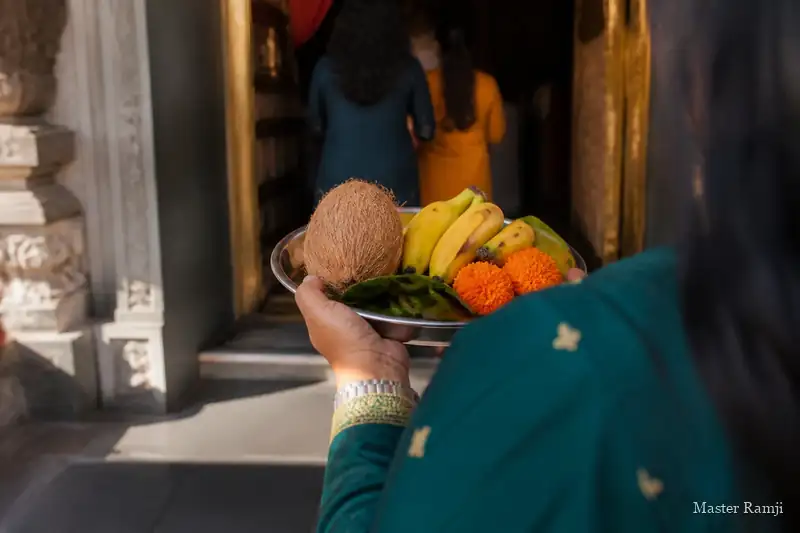
The temple's website lists a range of poojas, including archanai, Navagraha archanai, abishegam and homams, with a phone number for inquiries. It's easiest to ask the office or a staff member how to arrange one when you arrive, as procedures may change.
In many Tamil temples, the priest may ask your name, your birth star (nakshatra) and sometimes your gothram for the prayer. If you don't know your star, you can say so, and it's no barrier to praying. Our beginner's guide to nakshatras explains what it is. If you're heading to the Navagraha shrine, what first-timers should know about Navagraha shrines may help.
Some families visit because a reader has told them to do so for a planet or a difficult period. That's fine as an act of devotion, but it's not a fix for your problem and shouldn't replace medical, legal or financial help. You also don't need anyone's permission to walk in and say a simple prayer. Our answer to what is a puja? covers the basics.
Should you stay for a meal?
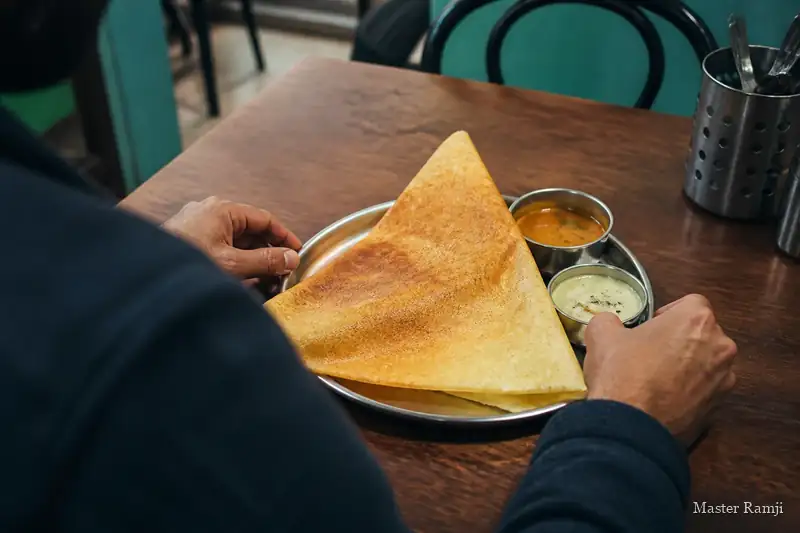
Many people do. Sri Ganesha's Canteen is on site, and its published menu lists dosas, idly, uthapam, thalis and sweets. The menu shows no meat or fish dishes, but ask if you have dietary needs. It has its own opening hours, so check those separately. For many first-timers, a hot dosa is a very good way to end the visit.
What if you can't get to The Basin?
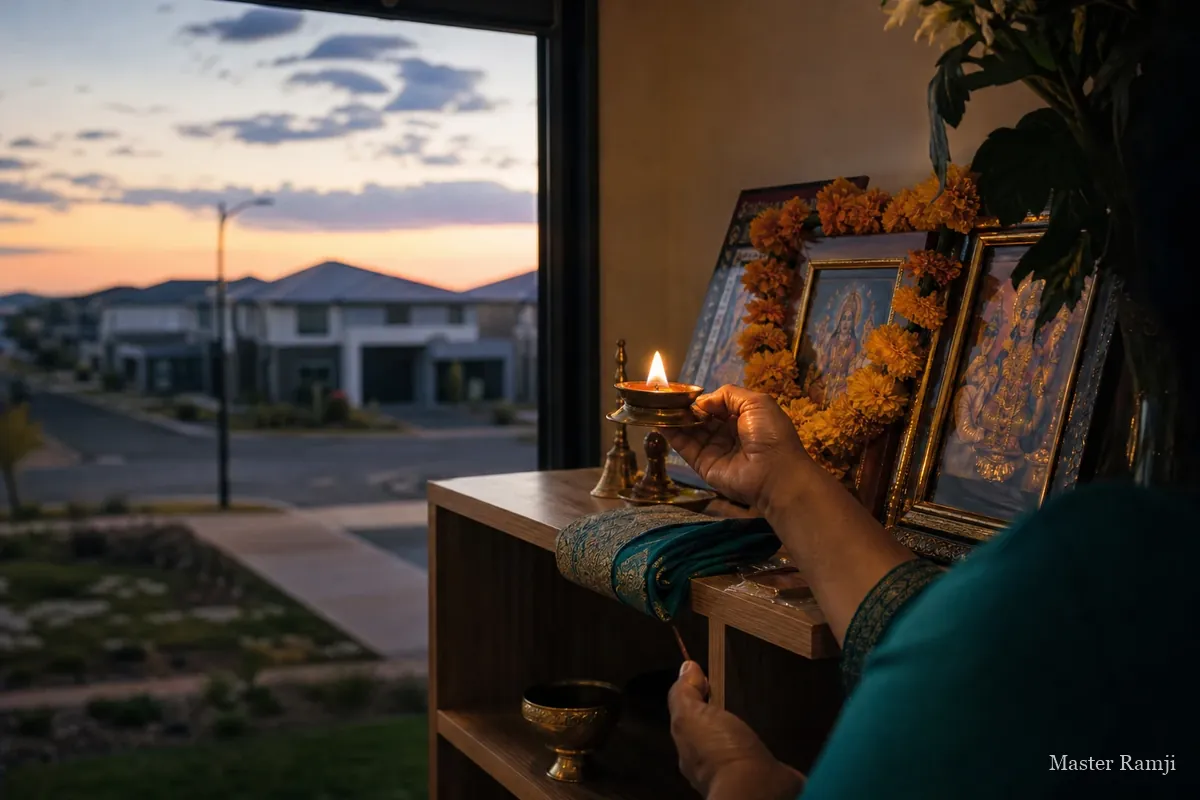
The Basin is a long way from Melbourne's western or northern suburbs. If you live a distance away, there may be a temple closer to home. Where to pray in Melbourne's east covers nearby options, and many other suburbs have temples or prayer groups of their own. A small shrine at home also counts.
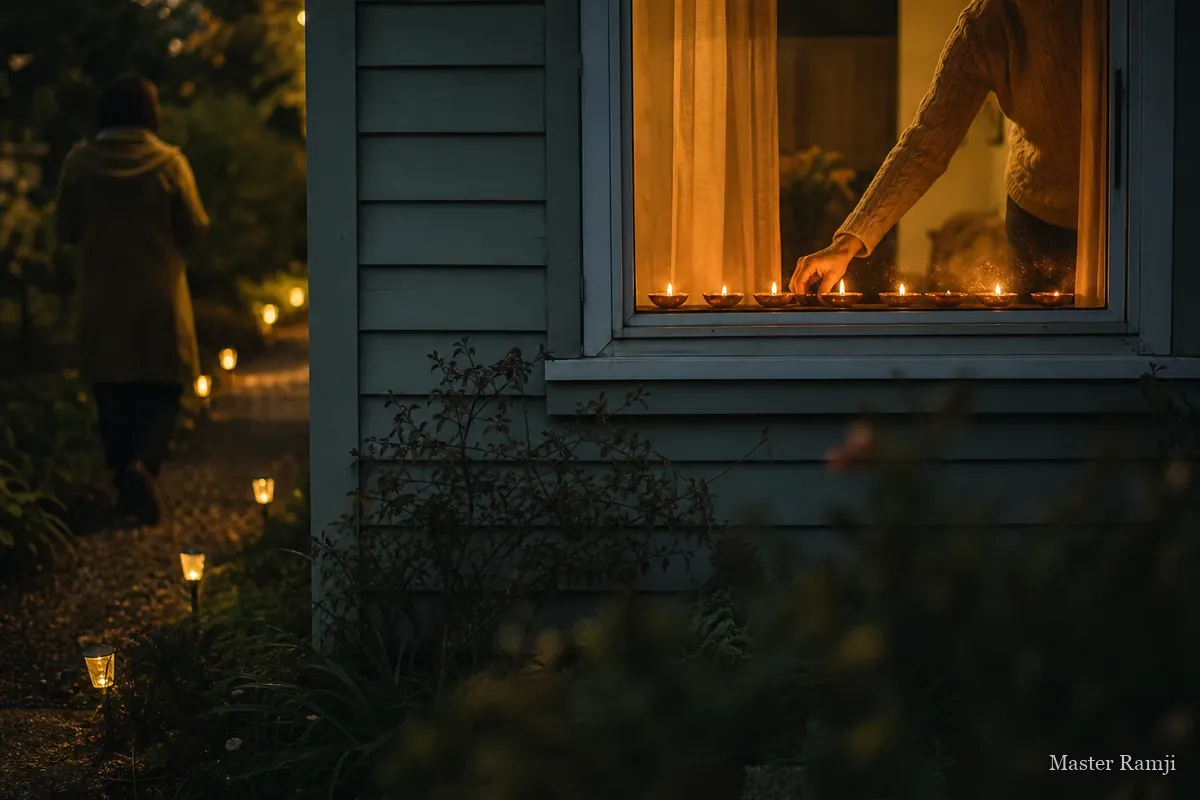
Some families who can't attend arrange a graha shanti puja remotely. It's a rite of faith, it isn't required, and it's entirely separate from the temple's own services. For more on the area, see our eastern suburbs page. If you have a question about your own practice, get in touch.
Related service
Keep reading
Temples and Home Worship in Melbourne's North
Looking for a Hindu temple near Craigieburn, Epping or Mill Park? Four places to start with, how to choose, and when worship at home makes more sense.
Read article →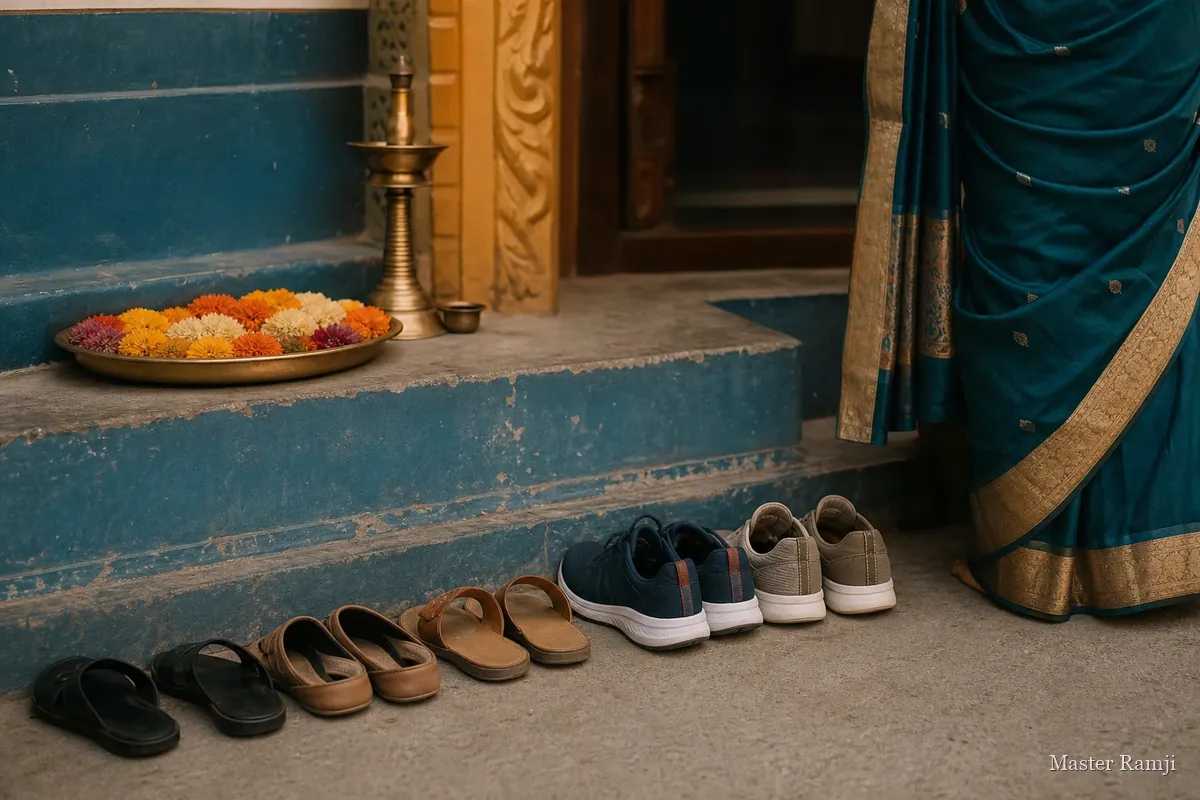
Your First Visit to the Carrum Downs Temple
First time at the Shri Shiva Vishnu Temple in Carrum Downs? What to wear, shoes and food, how to move through the shrines, and how to arrange an archana or puja.
Read article →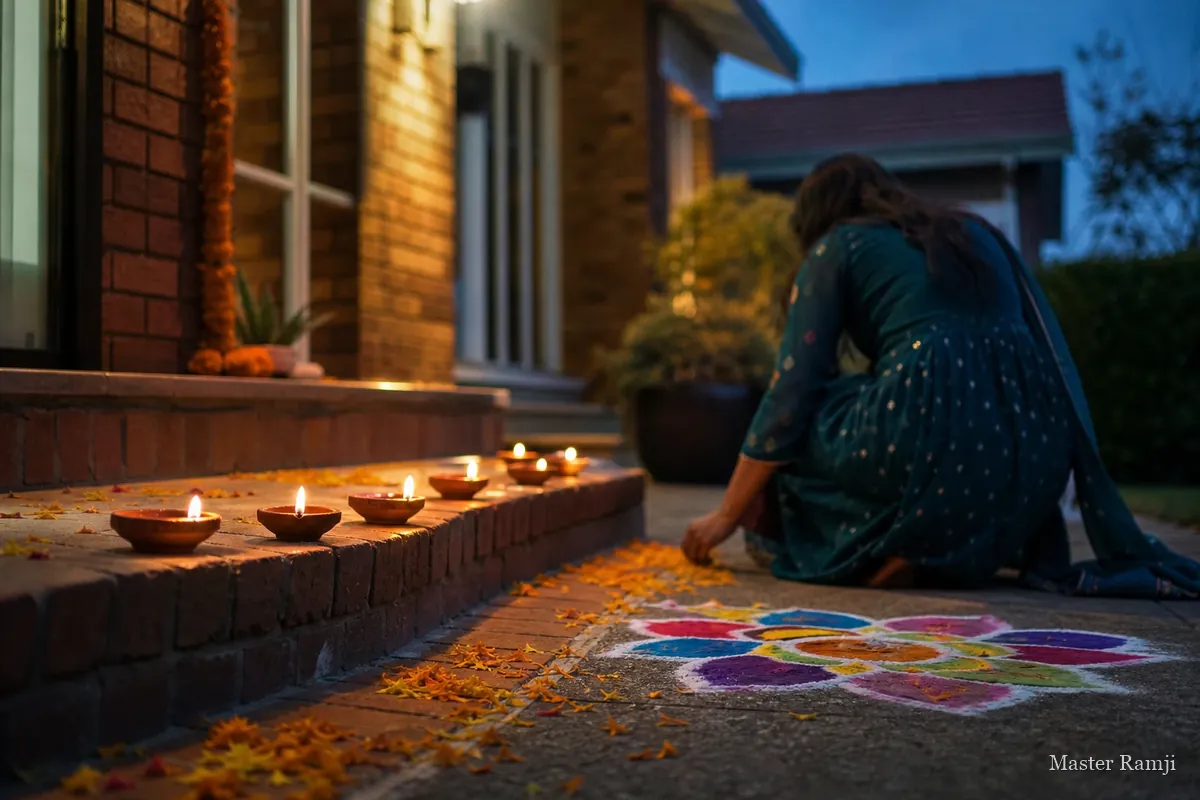
Celebrating Diwali in Geelong
Looking for Diwali in Geelong? Which groups have held celebrations, how to confirm this year's plans, and a simple Lakshmi puja you can do safely at home.
Read article →More from Melbourne's Eastern Suburbs
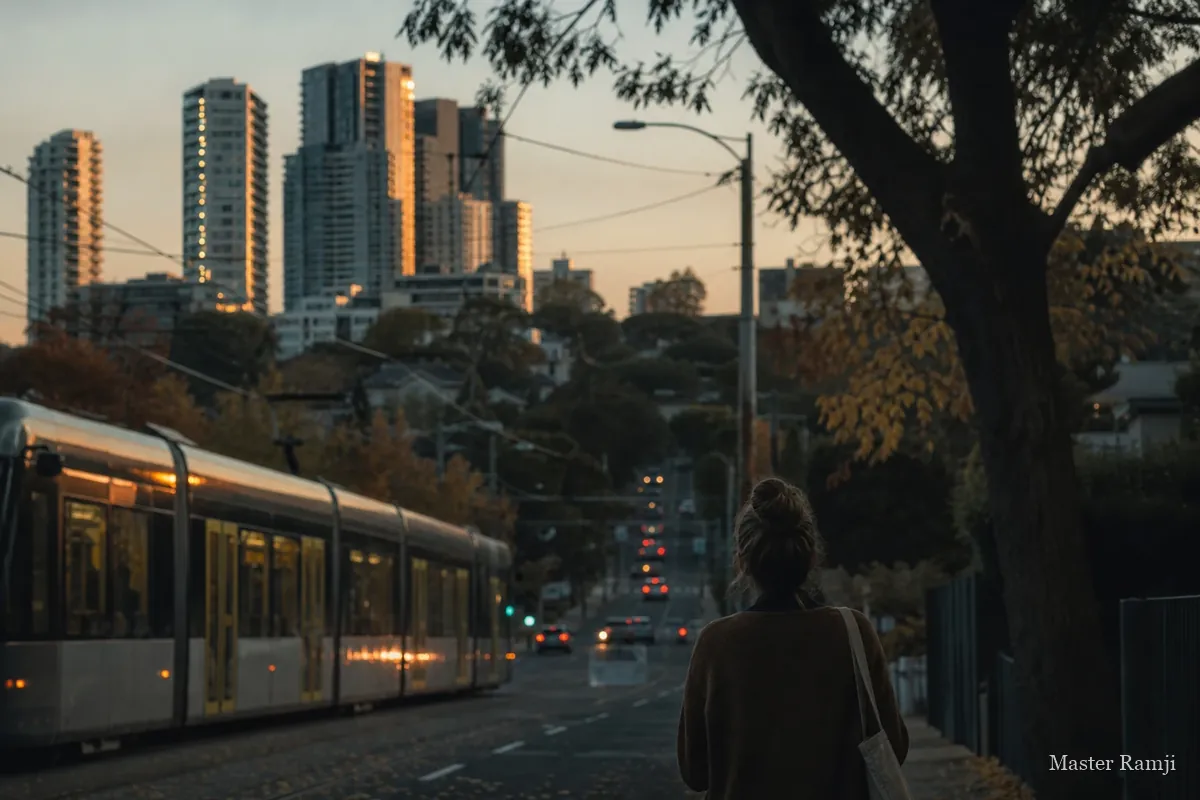
Vastu for Box Hill High-Rise Apartments
In a Box Hill tower you rarely choose which way you face. What vastu can still offer on a high floor, how to compare apartments, and what to leave alone.
Read article →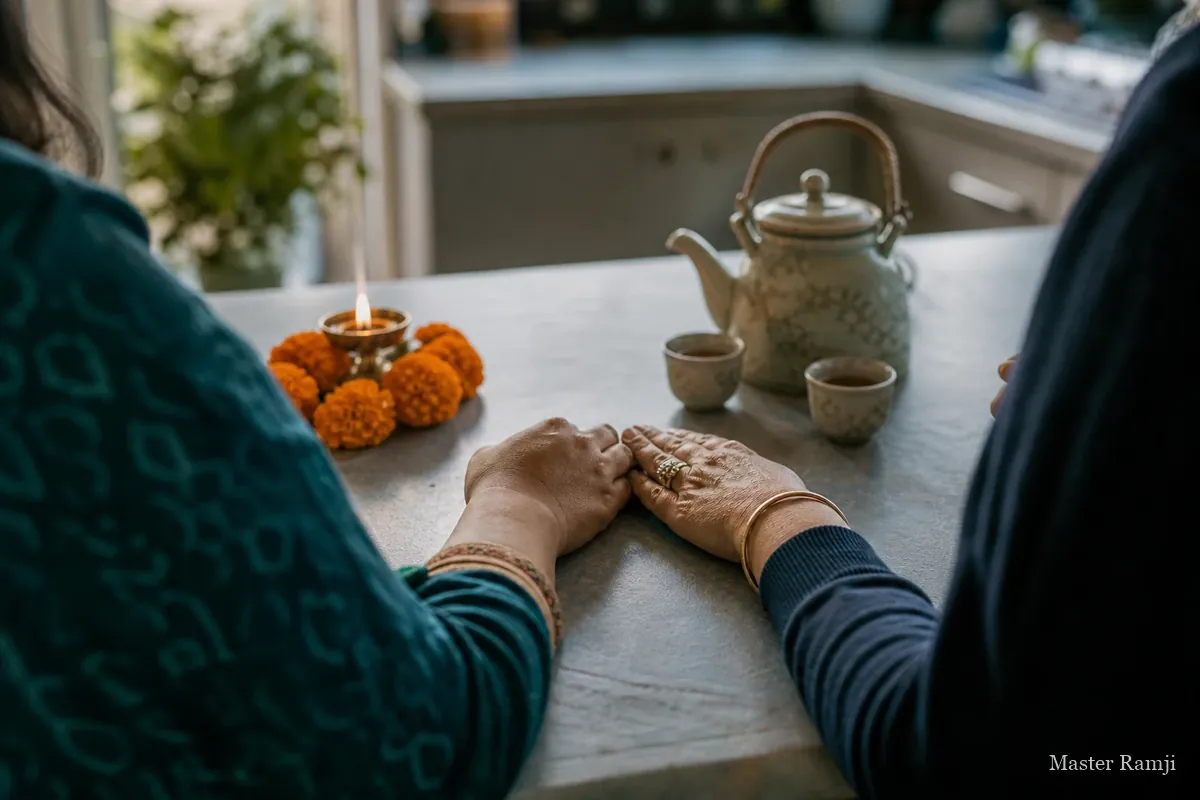
Indian and Chinese Family Traditions in Box Hill Couples
For Indian and Chinese couples in Box Hill: how Vedic charts and Bazi differ, how to raise them respectfully with both families, and what neither one can decide.
Read article →
Moving for a School Zone in Glen Waverley
Thinking of moving to Glen Waverley for a school zone? What to check on Find My School first, and how to time griha pravesh around settlement and enrolment.
Read article →Local pages
Quick answers
What is a puja?
A puja is a Hindu act of devotional worship, at home or in a temple, with offerings such as flowers, light and food. Here is what it usually involves.
Read answer →Can a puja be done without me being there?
Yes, in many traditions a priest can perform a puja on your behalf using a sankalp. Here is what that means and what to ask before you pay for one.
Read answer →Talk to Vijay Ramji
Tell us what you are facing. If a reading is unlikely to help, you will be told that plainly.