
Waiting for a Spouse Overseas: Advice From Roxburgh Park
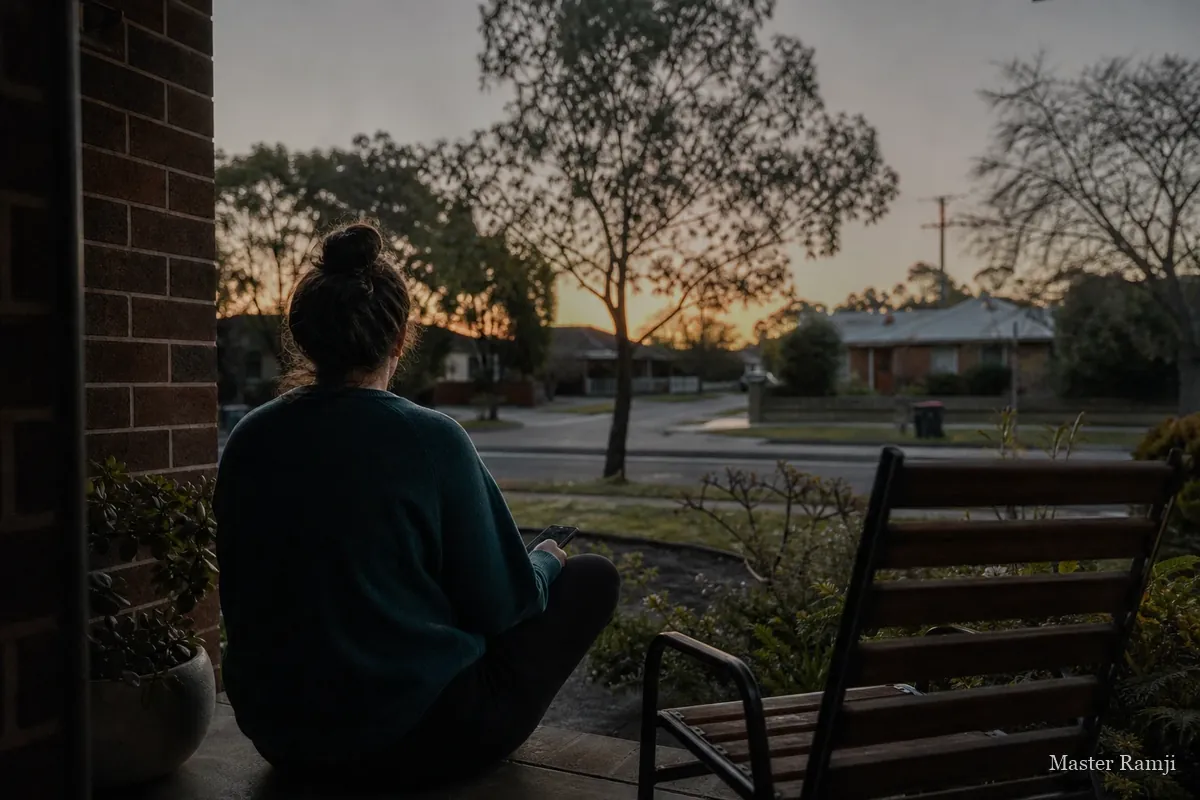
If you live in Roxburgh Park and your spouse is overseas, a steady routine helps: regular calls, shared decisions, honest talk about money and loneliness, and company close to home. Take every visa question to the Department of Home Affairs or a registered migration agent. A birth chart cannot predict a visa.
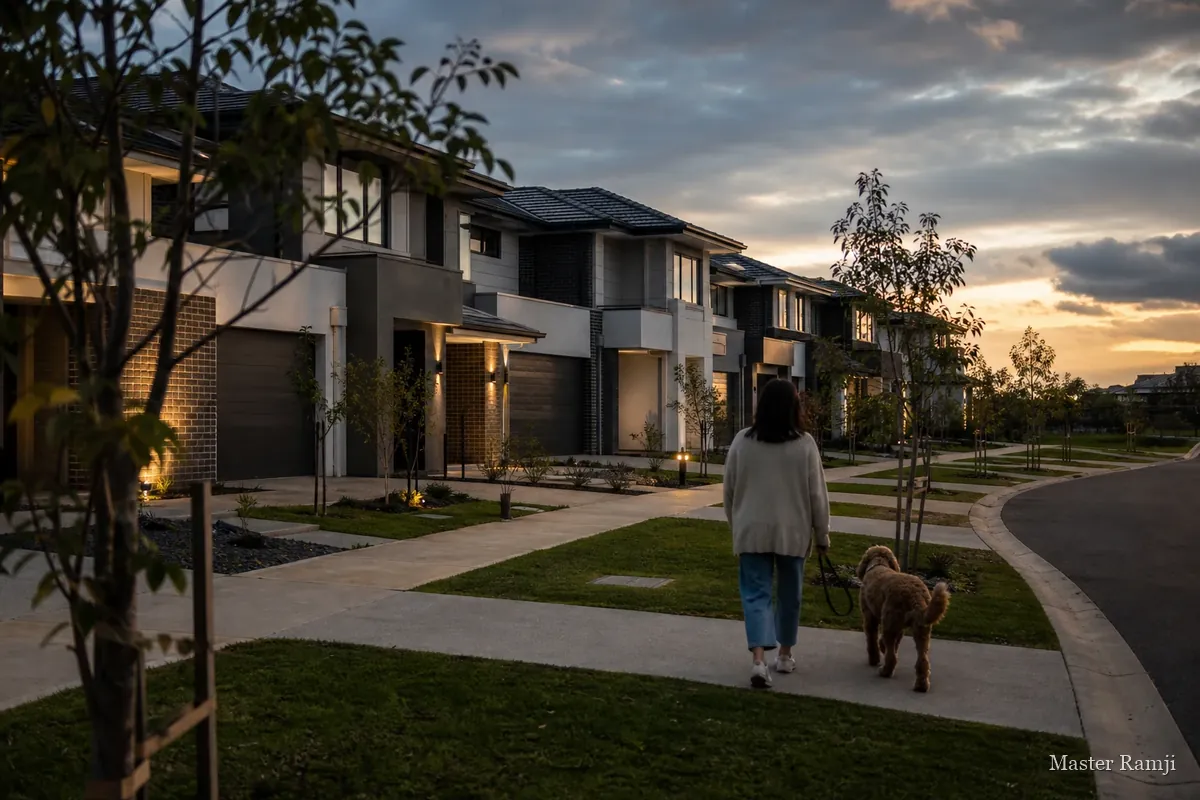
Roxburgh Park sits about 20 km north of central Melbourne, between Craigieburn and Greenvale, with the railway along its eastern edge. The Victorian Places history of the suburb describes an estate planned for about 7,000 house blocks, which drew new families with moderate land and building costs. At the 2021 census, the ABS counted 24,129 residents in Roxburgh Park.
A home built with a family in mind can feel very large when your husband or wife is still in another country. This guide is about the marriage and about you while you wait. It doesn't cover the visa, and that is deliberate.
Key takeaways
- Take all visa questions to the Department of Home Affairs, a registered migration agent or an Australian lawyer.
- No chart, reading or ritual can predict or speed up a visa decision.
- A long distance marriage often does better on small, regular contact than on occasional long talks.
- Your own life in Melbourne needs looking after too. Waiting shouldn't become your whole week.
Who should you ask about the visa itself?
Not an astrologer, and not this page. Anything about eligibility, paperwork, timing or your next step belongs with people who are qualified to answer it:
- The Department of Home Affairs. Its partner visa information is the official starting point, and it is the place to check anything you hear second-hand.
- A registered migration agent. The migration agents authority has a guide to choosing a registered agent, including how to look one up on its register. Check before you pay anyone.
- An Australian lawyer. Lawyers are regulated separately, so they may not appear on that register. Ask about their immigration experience.
Be careful with stories from cousins and WhatsApp groups. Someone else's case may tell you very little about yours, and comparing dates can keep you awake for no good reason.
Can a chart tell you when your spouse will arrive?
No. A visa decision is made by a government department applying the law to your application. It isn't written in a birth chart, and astrology can't predict the future exactly in any case. Walk away from anyone who offers you a date, or who sells a ritual, gemstone or puja as a way of moving your file along.
Some people still find a reading useful during a hard stretch, as a way to reflect on patience, family and their own choices. That's a matter of tradition and belief. It has no bearing on the outcome of an application, and an ethical reader will say so at the start.
How do you stay connected when the clocks don't match?
If your spouse is in India, they are four and a half hours behind Melbourne for part of the year and five and a half hours behind during our daylight saving. After a shift or a commute down the Craigieburn line, the one good hour for you may be a busy one for them. A few habits make staying connected less of a daily scramble:
- Pick one fixed call. The same evening each week, protected as you would protect a doctor's appointment. Shorter contact can fill the other days.
- Send small things. A voice note from the train, a photo of the dinner you burned, the funny thing your neighbour said. Ordinary news is easy to lose when you live apart.
- Have one call with no paperwork. Agree that this hour isn't for forms, fees or dates. Otherwise your marriage can start to feel like a shared case file.
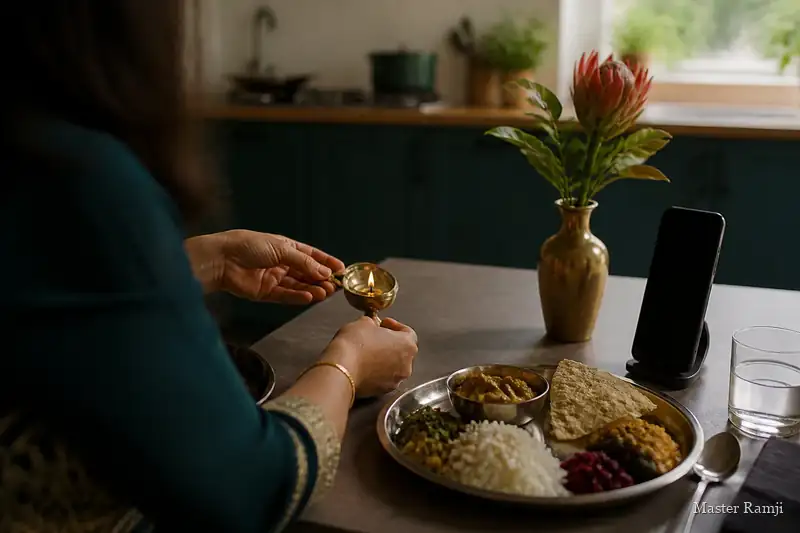
- Do something side by side. Eat a meal on video, watch the same film or light a lamp at the same moment on a festival day.
- Say when you are flat. Pretending to be cheerful on every call is tiring, and your spouse will probably notice anyway.
For a wider look at the practical side, see making Melbourne to India long distance work.
How do you keep making decisions together?
When one of you is in Roxburgh Park and the other is overseas, the person here tends to carry the daily choices: the lease or mortgage, the car, the job, whether to see family. Over time, one partner can feel burdened and the other left out. Try these steps:
- Sort decisions into three lists. Things you each decide alone, things you tell each other about, and things you agree on first.
- Be open about money. Agree who pays for what, how much goes to family, and what you are saving towards. For advice about the money itself, see a registered financial adviser.
- Talk about the life you expect. Who will work? Where will you live? Will parents stay with you? A long wait can leave two people quietly imagining different homes.
- Deal with in-laws directly. If your spouse is living with your parents, or you are being asked to send more than you can manage, raise it with your spouse first. Then decide together who speaks to the family.

How do you look after yourself in Roxburgh Park?
Many people put life on hold while they wait, and that gets harder the longer it lasts. A few local anchors can help:
- The Homestead. The old farm homestead is now a community centre. Hume City Council's Homestead Community and Learning Centre on Whiltshire Drive publishes education, lifestyle and cultural programs each term. Signing up for one class gives you a reason to leave the house and a few familiar faces.
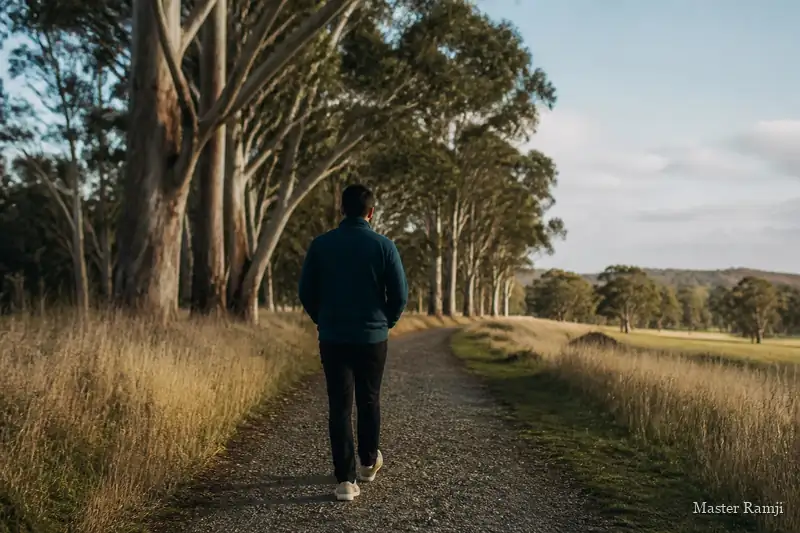
- Walking. Victorian Places notes that the suburb's walking and cycling paths became part of the Broadmeadows Valley park and trail. A regular walk is free, and it is good for clearing your head before a difficult call.
- People nearby. Tell one friend, colleague or neighbour what is happening. You don't need to share the details, just enough that someone asks how you are.
It's fine to enjoy yourself, too. Going to a friend's dinner doesn't mean you love your spouse any less. For more on this, see whether a reading can help a long-distance relationship.
When is the wait hurting you too much?
Missing someone is normal. Please talk to a GP if you have been low or anxious for a while, you aren't sleeping or eating well, or you have stopped seeing people. A GP can arrange further support. Beyond Blue is on 1300 22 4636, and Lifeline answers at any hour on 13 11 14.
Separation can also hide something more serious. Some people use distance or paperwork as a form of pressure: threats about a visa, demands for money, checking your phone, or cutting you off from your family. Control is not love, and those threats deserve a proper conversation with someone trained. You can call 1800RESPECT on 1800 737 732, and you don't have to be sure about what is happening before you ring.
Can spiritual guidance help during the wait?
It can offer a place to talk, for those who value it. Long-distance relationship guidance looks at communication and timing for couples split between countries, drawing on tradition, along with the family pressures around you. A reading can't tell you anything about your application, and it isn't counselling, legal advice or migration advice.
Sessions can be held by phone, WhatsApp or video, and appointments are arranged in advance. Fees are stated before any paid work, and what you share is confidential. You can read more about our work in Melbourne's northern suburbs or get in touch.
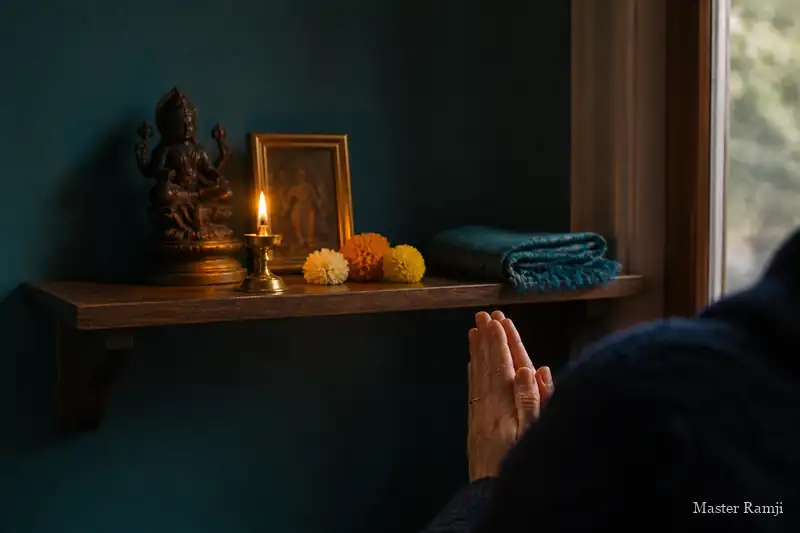
Related service
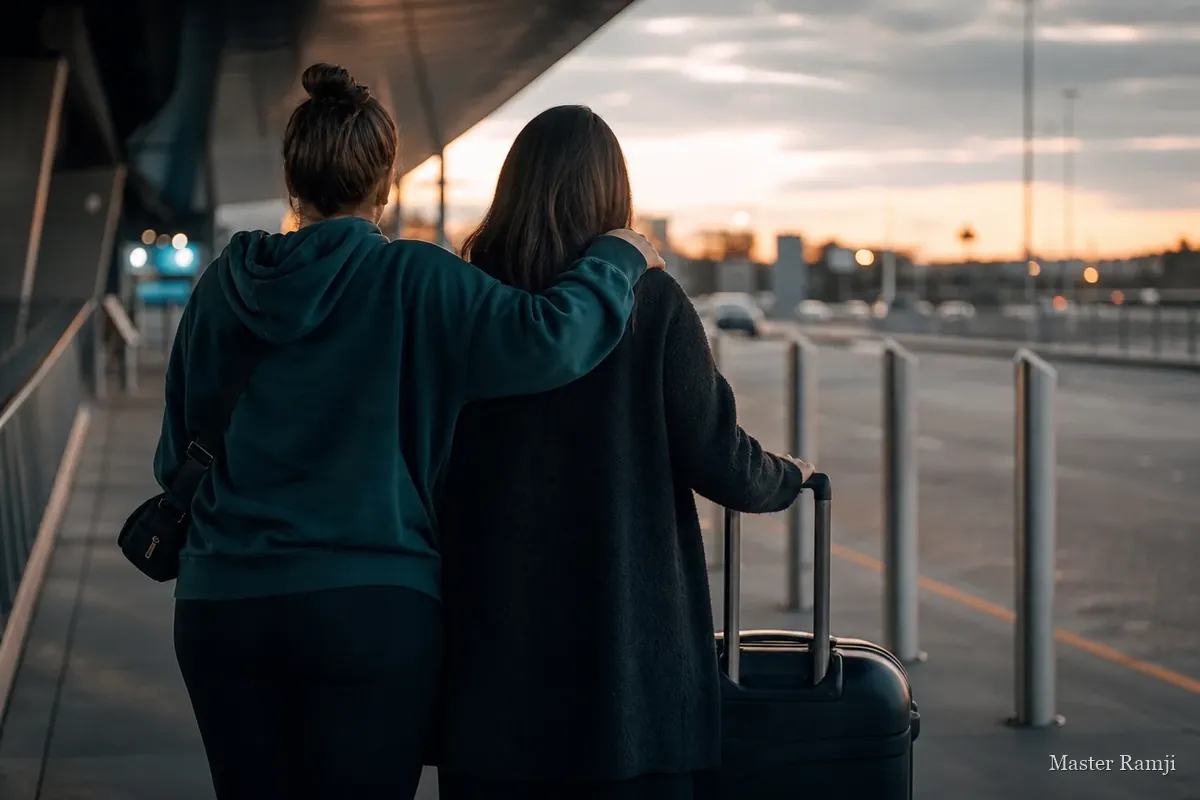
Keep reading

Falling in Love Far From Home: Students in Burwood
New to Burwood and falling for someone? How to tell love from loneliness, keep your own footing, and find support on and around Deakin's campus.
Read article →
Dating Apps and Astrology in South Yarra
App compatibility scores are not a chart reading. What astrology dating apps measure, what they miss, and how to date in South Yarra with your judgement intact.
Read article →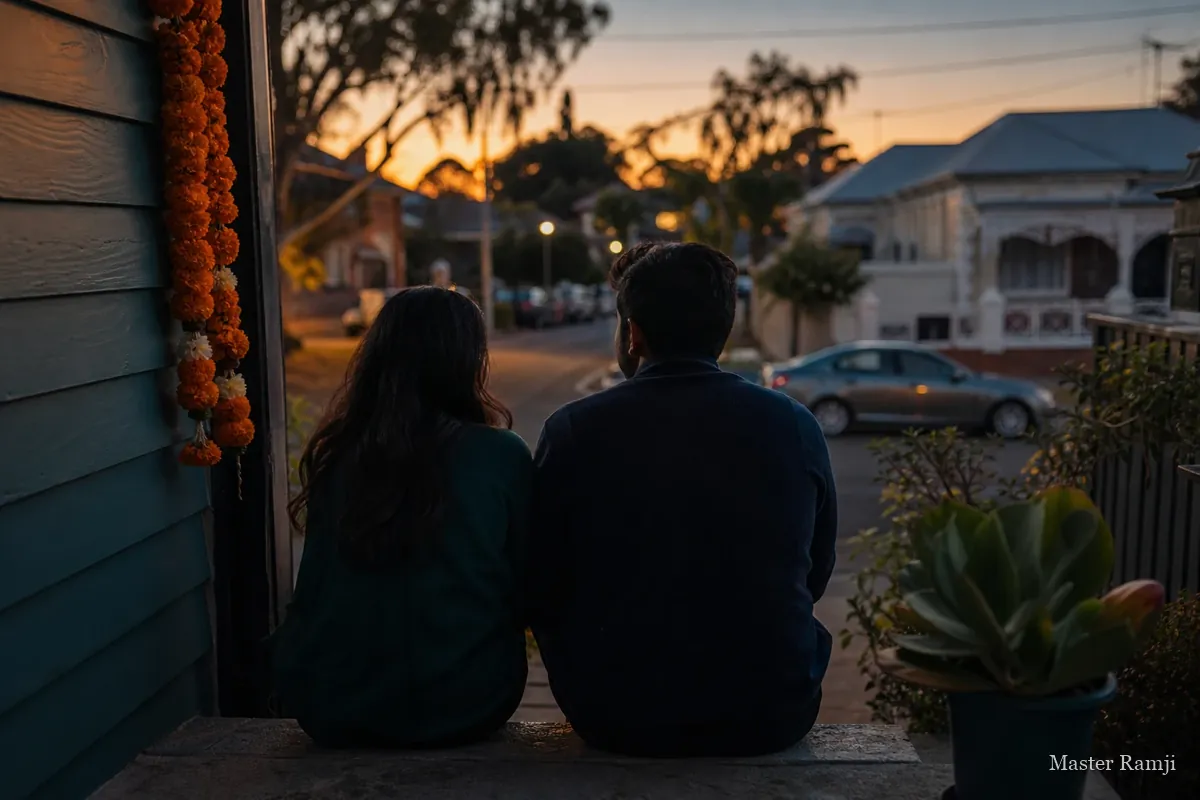
Second-Generation Couples in Brunswick and Family Traditions
A second-generation couple in Brunswick? How to sort family traditions into what you keep, adapt and renegotiate, and how to talk to parents without a blow-up.
Read article →More from Melbourne's Northern Suburbs
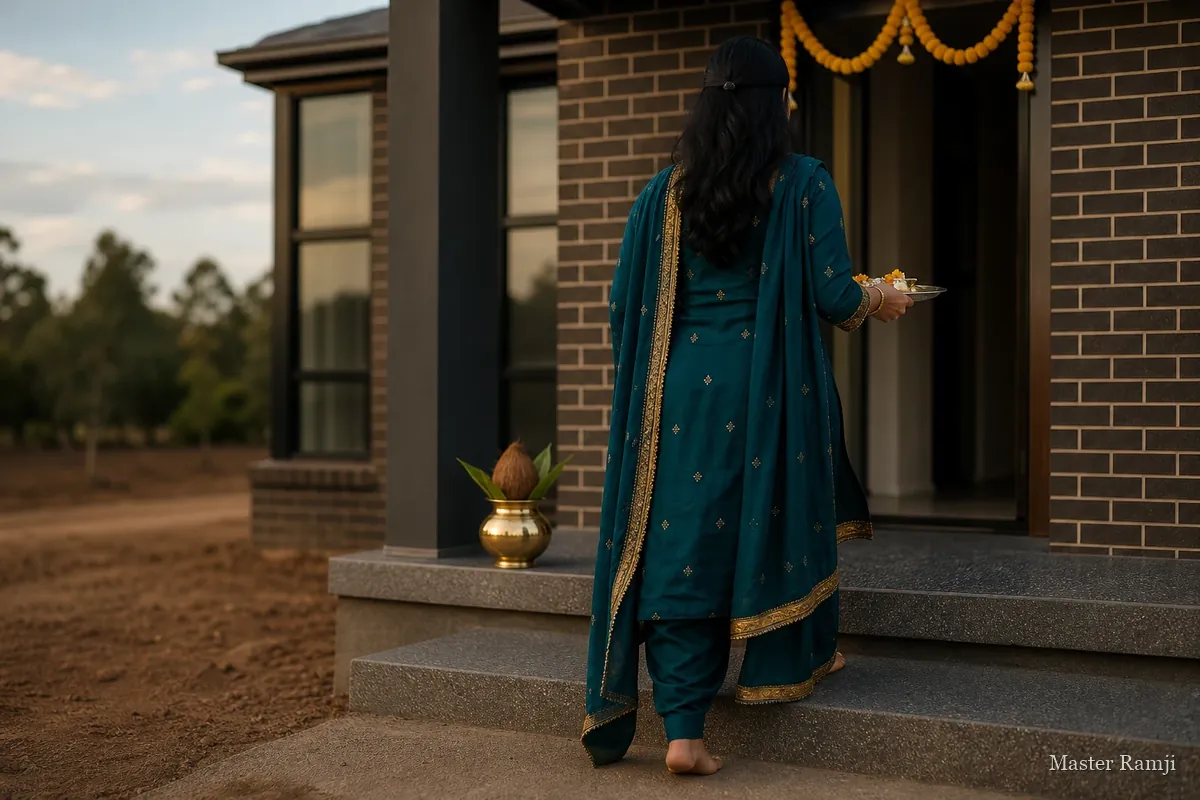
Griha Pravesh in a New Wollert Home
Planning griha pravesh in Wollert with no fence, lawn or driveway yet? How to handle the threshold, open boundaries, building sites nearby and fire safety.
Read article →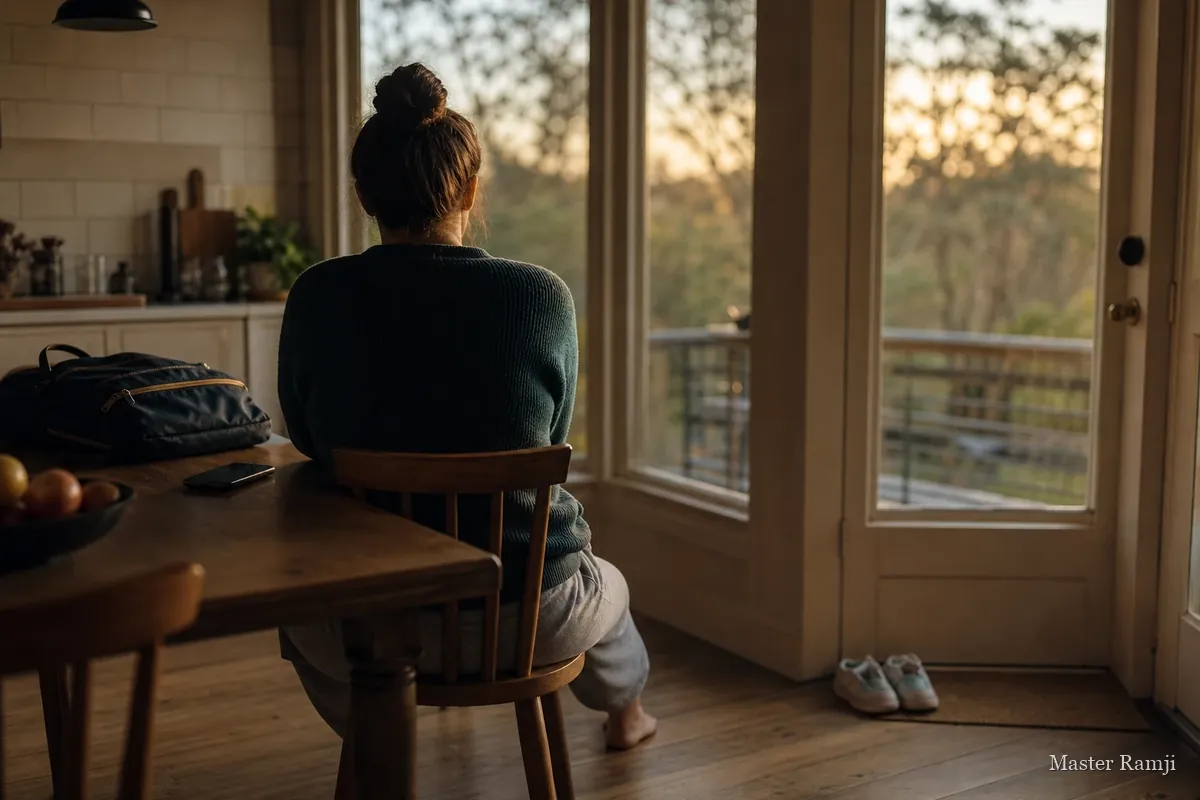
Five Quiet Minutes for Busy Parents in Mernda
A five-minute morning meditation for busy parents in Mernda, with an optional mantra, realistic places to fit it in, and where to turn when it isn't enough.
Read article →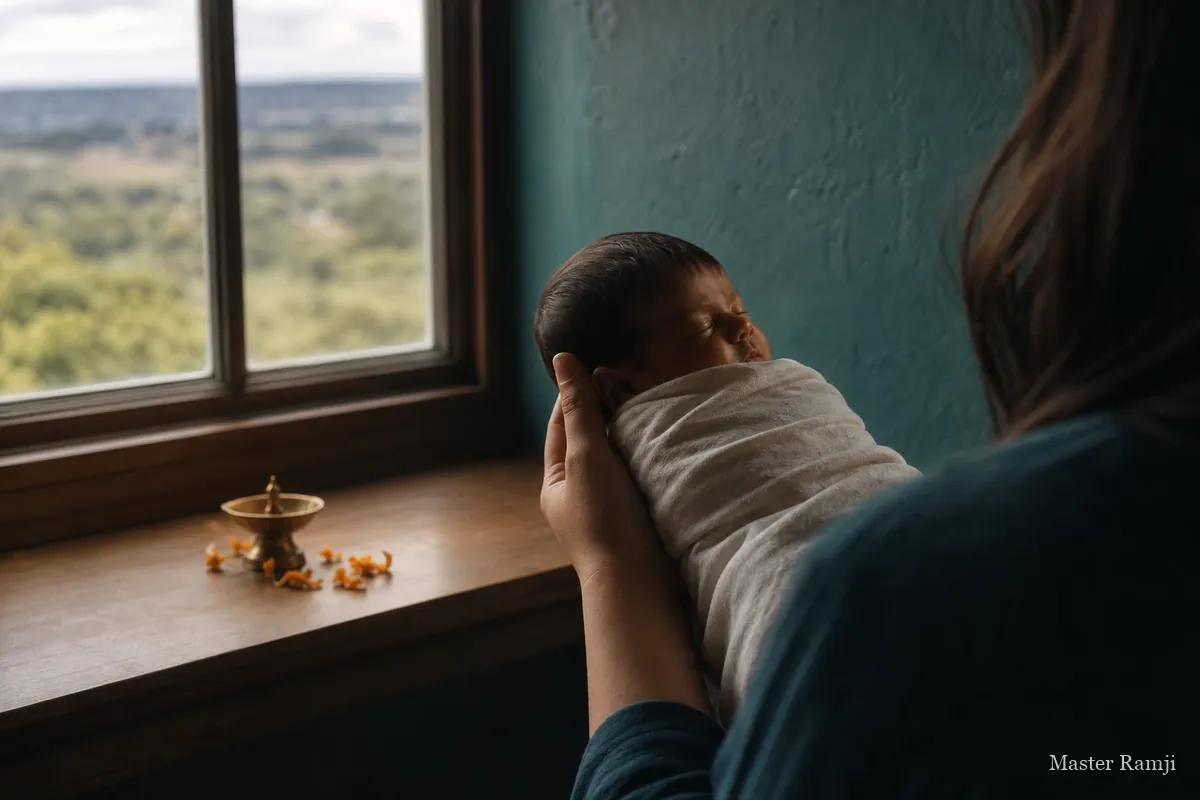
Nazar Concerns With a New Baby in Preston
Worried about nazar and your new baby in Preston? See a doctor or maternal and child health nurse first, then choose gentle customs that keep your baby safe.
Read article →Local pages
Quick answers
Can a reading help a long-distance relationship?
A reading can help a long-distance relationship as a way to reflect on timing and communication. It can't predict a visa or tell you what your partner is doing.
Read answer →Can astrology bring my ex back?
No, astrology can't make your ex come back, and nobody can honestly promise it. Here is what a reading can help with, and how to avoid costly promises.
Read answer →Talk to Vijay Ramji
Tell us what you are facing. If a reading is unlikely to help, you will be told that plainly.