
Remembering Someone by the Maribyrnong River

A remembrance ritual by the Maribyrnong River can be as simple as a slow walk with three pauses: saying the person's name, sharing a memory and giving thanks. Leave nothing in the water and carry home what you bring. It's a personal way to remember someone, and it sits beside grief support, not in place of it.
Many people go to water when they have lost someone. In some Hindu families, rivers have long been part of the last rites. If your loved one's river was the Ganga, the Godavari or the Kaveri, and you now live in Melbourne's west, the brown water sliding past Footscray and Maribyrnong may not seem like much of a substitute. Yet a river doesn't need to be sacred to be a good place to think about someone.
This article suggests a quiet walking ritual for the Maribyrnong River. It asks for no special skills and no fee, and it leaves nothing in the water. Take from it what suits you and your tradition, and leave the rest.
Key takeaways
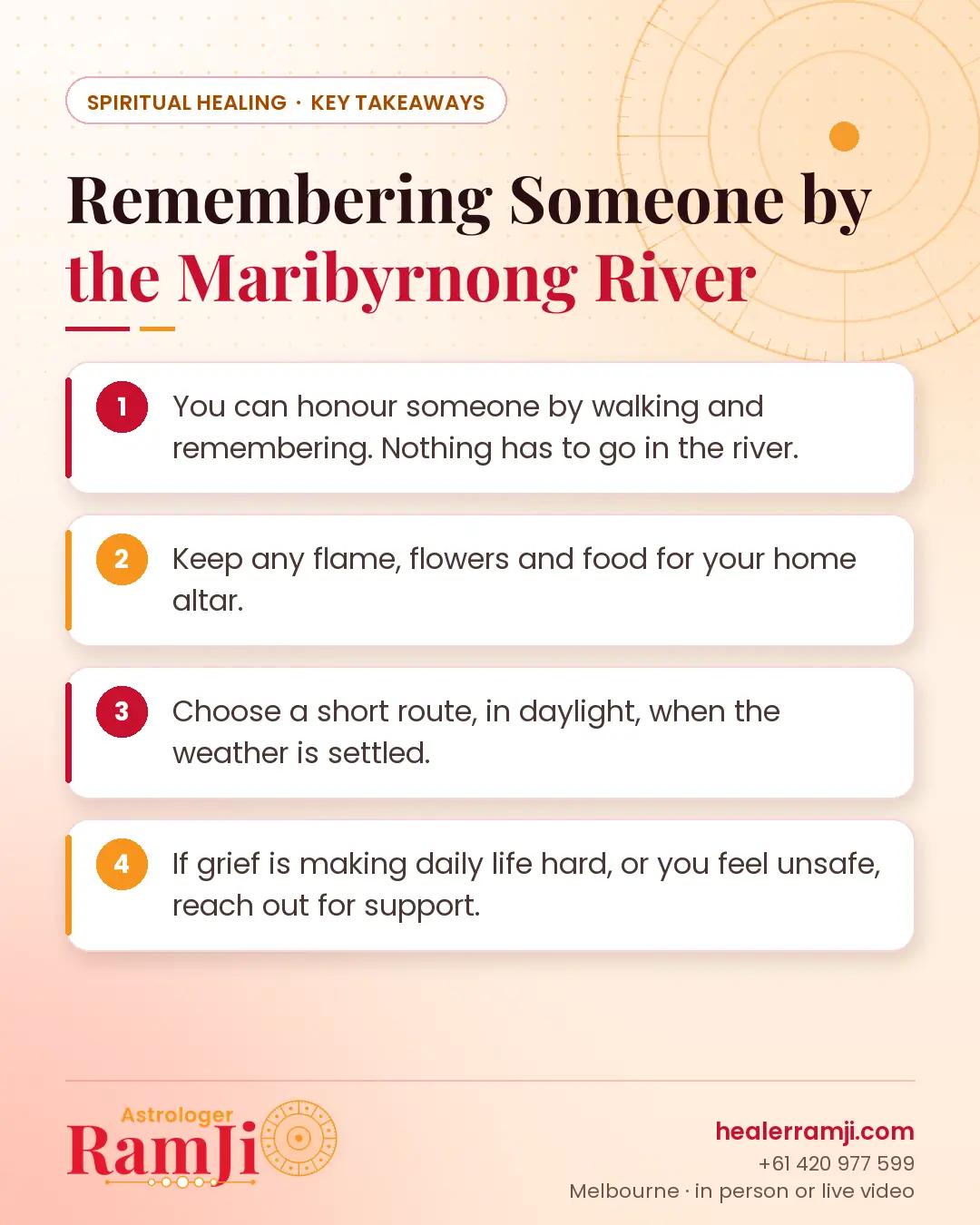
- You can honour someone by walking and remembering. Nothing has to go in the river.
- Keep any flame, flowers and food for your home altar.
- Choose a short route, in daylight, when the weather is settled.
- If grief is making daily life hard, or you feel unsafe, reach out for support.
Why leave nothing in the water?
In the places many of us come from, flowers, lamps and food may go into a river as a matter of course. Here, the water flows through a busy urban catchment, and things placed in it can end up as rubbish on the banks. Parks Victoria's boating guide for the river says littering is prohibited under Victorian anti-litter rules. We can't advise on whether a few petals would count, and it isn't a question you need to test.
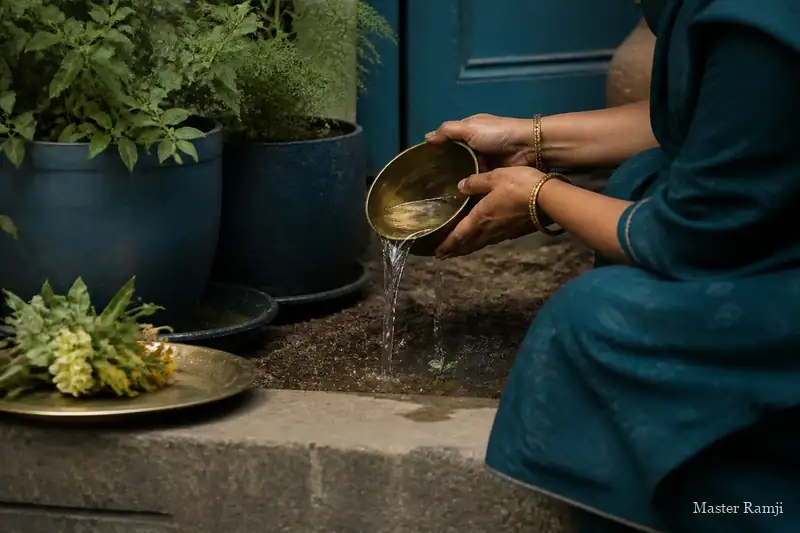
It also makes for a lovely idea. You come to the river, you take what you came for, and you leave it as you found it. Nothing about that lessens your love for the person. If your tradition calls for a water offering, many families make it at home, in a small bowl, and pour it on the garden afterwards. Ask your priest or an elder what fits your family.
Scattering ashes is a separate matter, and this walk doesn't cover it. If your family wishes to do so, talk with your funeral director and the relevant land or water manager first. Our article on what families adapt when performing shraddha away from India may also help.
Where could you walk?
Maribyrnong City Council's walking circuits include several along the river. Check the council's notes before you go.
- Chifley Drive and the rowing club. A 4.2 km loop from Leopold Street, crossing at the Afton Street footbridge and returning along the other bank. A loop suits this ritual, because you finish where you began.
- Footscray Park, wetlands and racecourse. A 3.2 km circuit from the Hobson's Road footbridge, past Newells Paddock Wetlands and the gardens of Footscray Park. It includes steps and isn't suitable for prams.
- Edgewater Lake. A 2.5 km circuit in Maribyrnong that passes the wetlands, the lake and the river.
- Cranwell Park. A 1.9 km walk, one way, from Solomon's Ford along the bank towards Medway Golf Club. Remember that you will need to walk back or arrange a lift.
You needn't finish a route. Walking ten minutes out and ten minutes back still counts.
How does the walking ritual work?
Go alone or with someone who knew the person. Bring a photo or a small keepsake, and a letter if you have written one. Take them home again at the end. Then walk slowly, and pause three times.
- First pause: the name. Stop where you can see the water, then say the person's name, aloud or silently. If you have a prayer or mantra from your own tradition, say it here. If you don't, a few breaths are enough.
- Second pause: a memory. Choose one real, ordinary memory. It could be how they made tea, or a thing they always said. If you have come with someone, take turns. It's fine if you end up laughing.
- Third pause: what you want to say. Say what was left unsaid, or read your letter. You may want to say thank you or sorry, or you may just feel angry. Those are all allowed. Grief is rarely tidy.
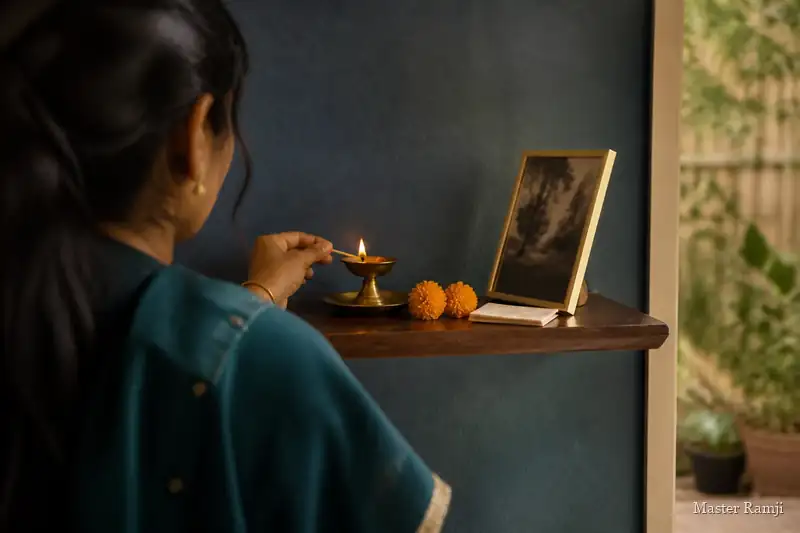
When you get home, you might want to light a lamp or candle beside the person's photo and put the letter somewhere safe. The healthdirect page on grief suggests similar things, such as writing a letter, and marking an anniversary with a simple ceremony such as lighting a candle. It also suggests a daily routine that includes going for a walk.
For more ideas, see simple grief rituals you can do at home.

What should you keep in mind for safety?
Riverbanks need some care, especially when you are not thinking about your footing.
- Keep to the path. Don't climb down to the water's edge.
- Leave the flame at home. Parks Victoria's page for the Lower Maribyrnong Riverlands lists no fires permitted, and warns of falling limbs and snakes. It also says conditions can change at short notice, so check before you go.
- Check the weather. The river flooded in October 2022, and water can rise after heavy rain. Stay away if it's high or a warning is current.
- Go in daylight, and tell someone. Let a friend know where you are and when you expect to be back.
Some days are harder than others. If being alone near water doesn't feel safe for you right now, please don't go alone. Stay with someone instead, and call Lifeline on 13 11 14 at any hour. In immediate danger, call 000.

When should you ask for more support?
Healthdirect says grief can come in waves, seeming to fade before coming back. That's normal, and a walking ritual won't make it go away. It suggests seeking help if you have persistent feelings of sadness and despair, if your grief has been distressing for 12 months or more, or if it's disrupting your work, relationships, sleep or appetite. Your GP or a bereavement counsellor can help. Healthdirect's nurses are on 1800 022 222, and Griefline offers free, confidential support.
What if you weren't there at the end?
Many migrants know this particular pain. A visa, a flight or a job kept you away, and now the river is as close as you can get. Being absent doesn't mean you failed that person. Our guide on grieving a parent from the other side of the world speaks directly to this, and you may find it useful to read before your walk.
Could someone walk through this with you?
Some people like to talk with someone outside the family, about what their tradition asks for and what they can realistically do here. Spiritual support through grief offers a calm conversation and simple remembrance rites. It can't explain why someone died, it can't bring you messages from them, and it doesn't replace a GP or counsellor. Sessions can be held by phone, WhatsApp or video, and what you share is confidential.
You can read more about our work in Melbourne's inner north-west, or get in touch whenever you feel ready.
Related service
Keep reading
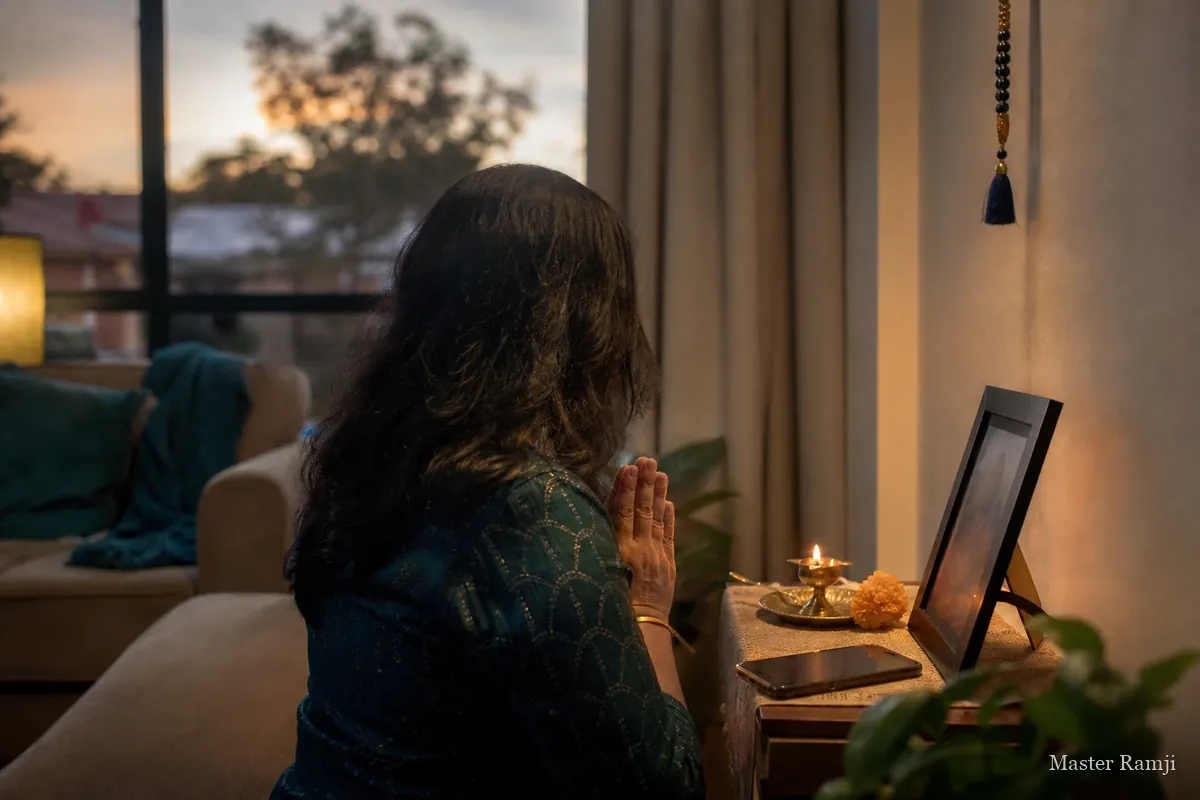
When a Parent Dies Overseas: First Steps From Epping
A parent has died overseas and you are in Epping, perhaps unable to fly back. Gentle first steps, simple rites at home, and where to find real support.
Read article →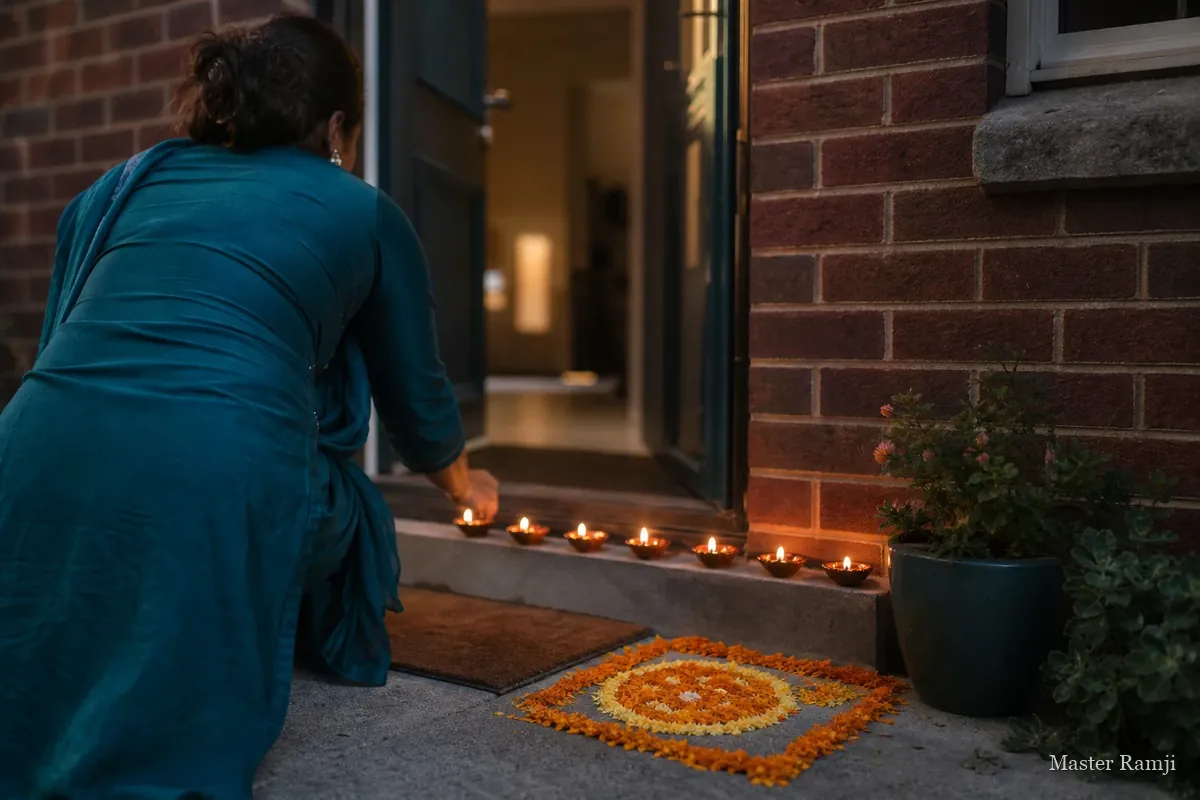
Diwali and Community in Shepparton
Marking Diwali in Shepparton? Who shares the festival locally, how to check this year's plans, and simple, safe ways to keep the lamps lit at home.
Read article →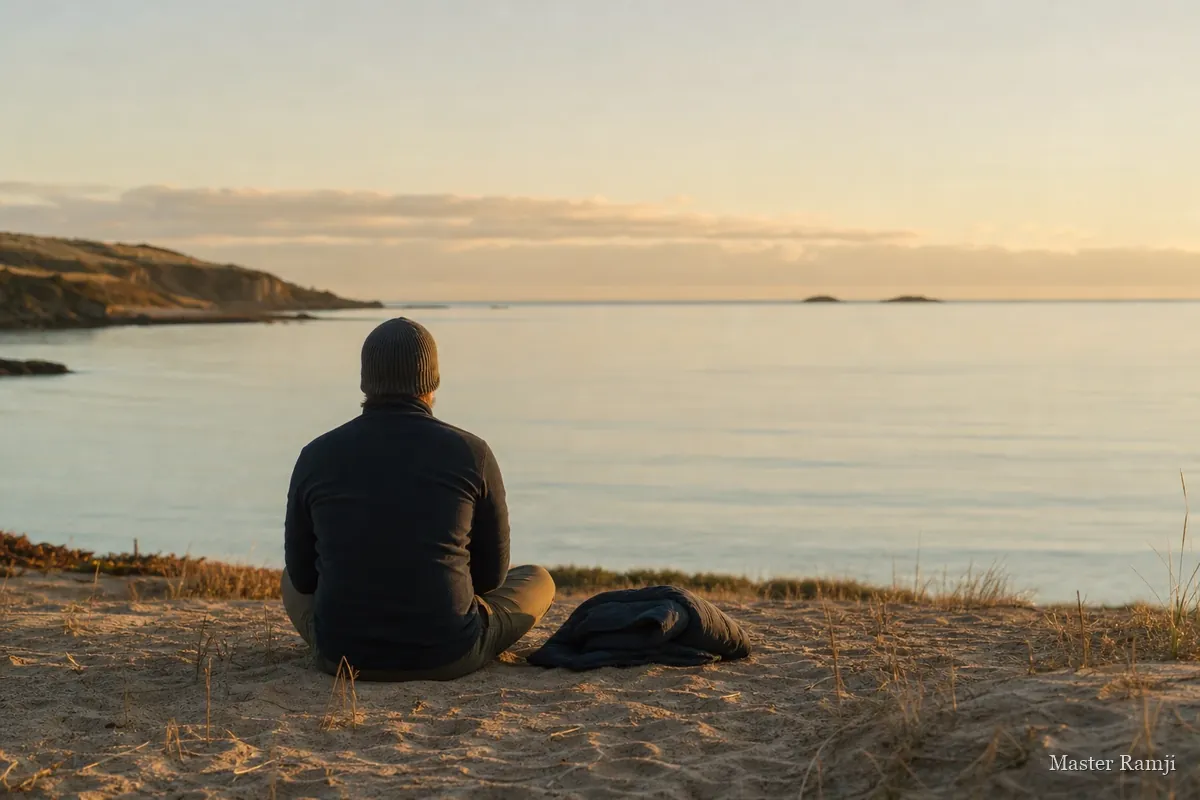
Taking Your Meditation Outside in Frankston
Want to meditate on the Frankston foreshore? Simple tips for choosing a spot, staying sun safe, chanting considerately and keeping the beach clean.
Read article →More from Inner North-West Melbourne

Looking After Elderly Parents in Avondale Heights
Caring for ageing parents in Avondale Heights? Family duty and real support services side by side, from aged care assessments to elder abuse help.
Read article →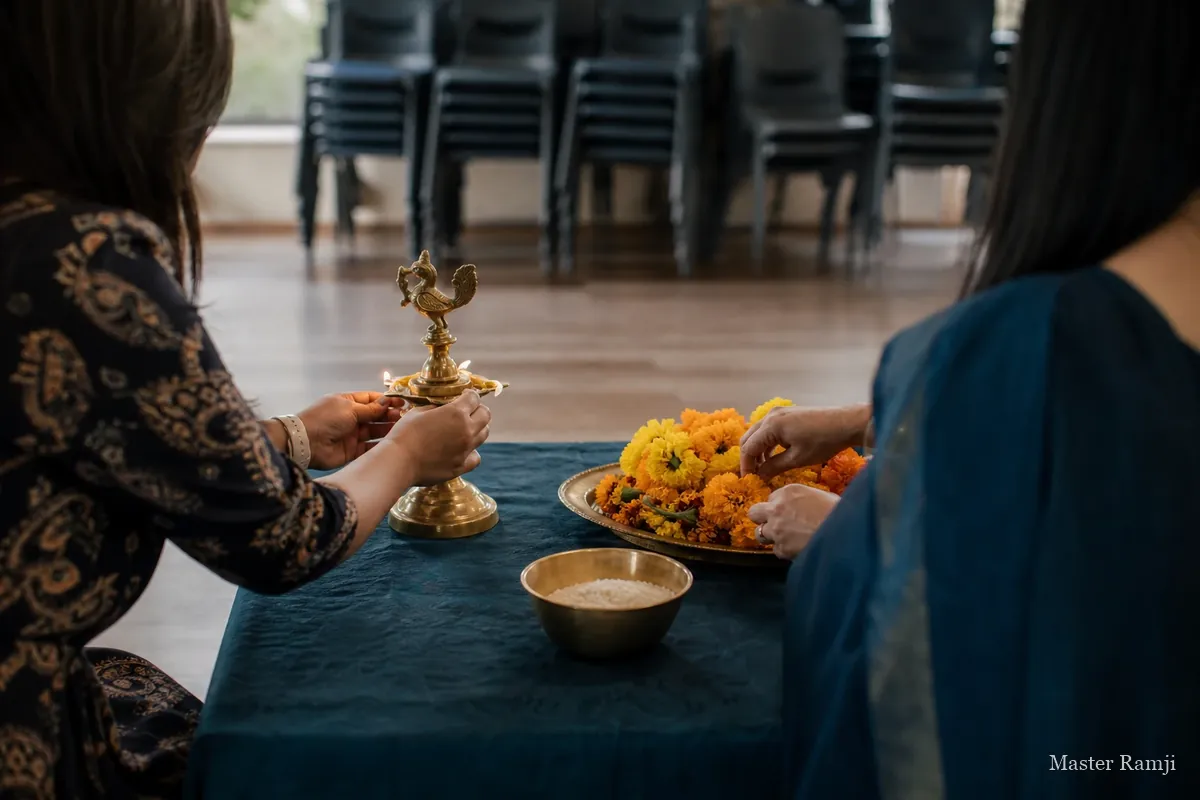
Picking a Date for a Family Event in Keilor
Planning a naming ceremony, engagement or puja in Keilor? How to pick an auspicious time when hall dates are limited, and what to check before you book.
Read article →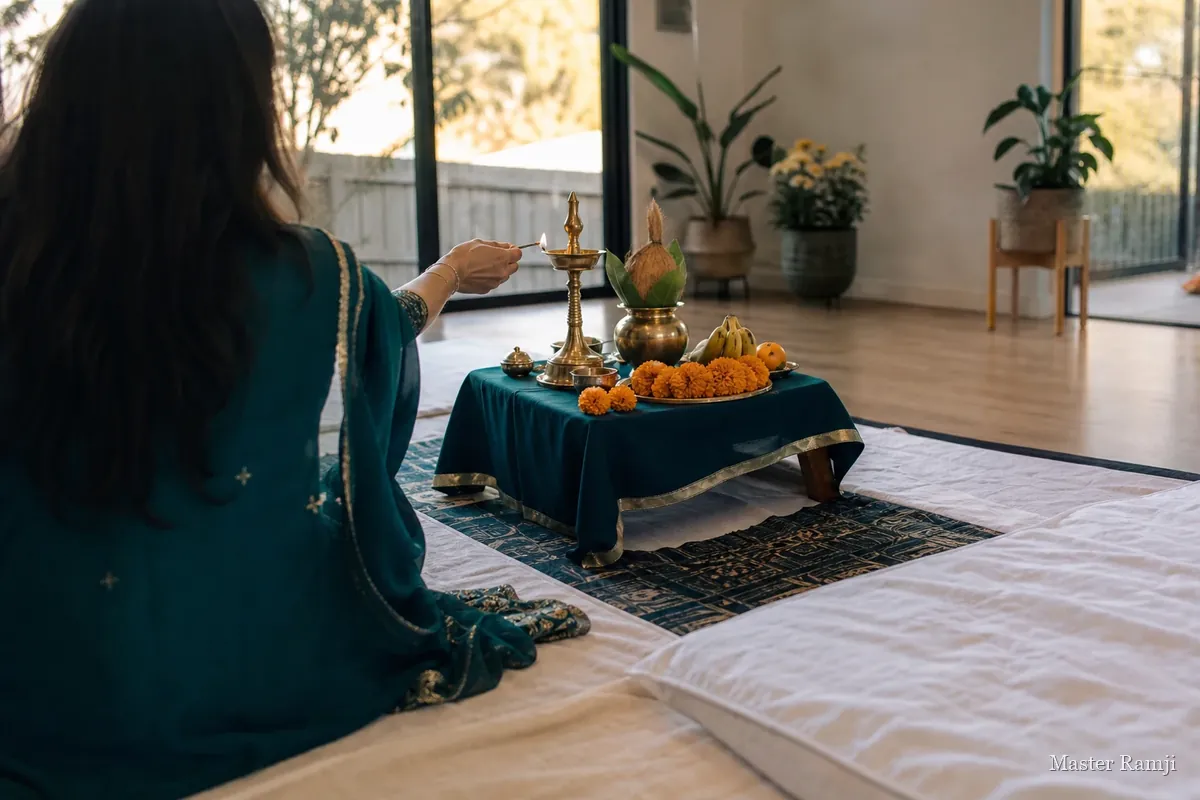
Hosting a Satyanarayan Katha in Niddrie
Planning a Satyanarayan katha in a small Niddrie home? How to set up the room, manage guest numbers, and make and serve prasad safely on the day.
Read article →Local pages
Astrologer in Ascot Vale
Vijay Ramji is a Vedic astrologer and spiritual healer based in Ascot Vale, Melbourne. Sessions are held by phone, WhatsApp or video, booked in advance.
View area →
Astrologer for Moonee Ponds
For Moonee Ponds homes, leased offices and family matches. Vijay Ramji is based in Ascot Vale, with sessions held by phone, WhatsApp or video.
View area →
Astrologer for Essendon
For Essendon households weighing up renovations, parents and teenagers, or a mixed-faith family. Based in Ascot Vale, with sessions by phone, WhatsApp or video.
View area →Quick answers
Can an astrologer help with grief?
An astrologer can offer ritual and a listening ear in grief, but not counselling. Here is what to expect, where the limits sit, and where to find real support.
Read answer →What is energy healing?
Energy healing rests on the belief in a life force that can be guided. Here is what a session involves, and what the evidence does and doesn't show.
Read answer →Talk to Vijay Ramji
Tell us what you are facing. If a reading is unlikely to help, you will be told that plainly.