
When a Parent Dies Overseas: First Steps From Epping
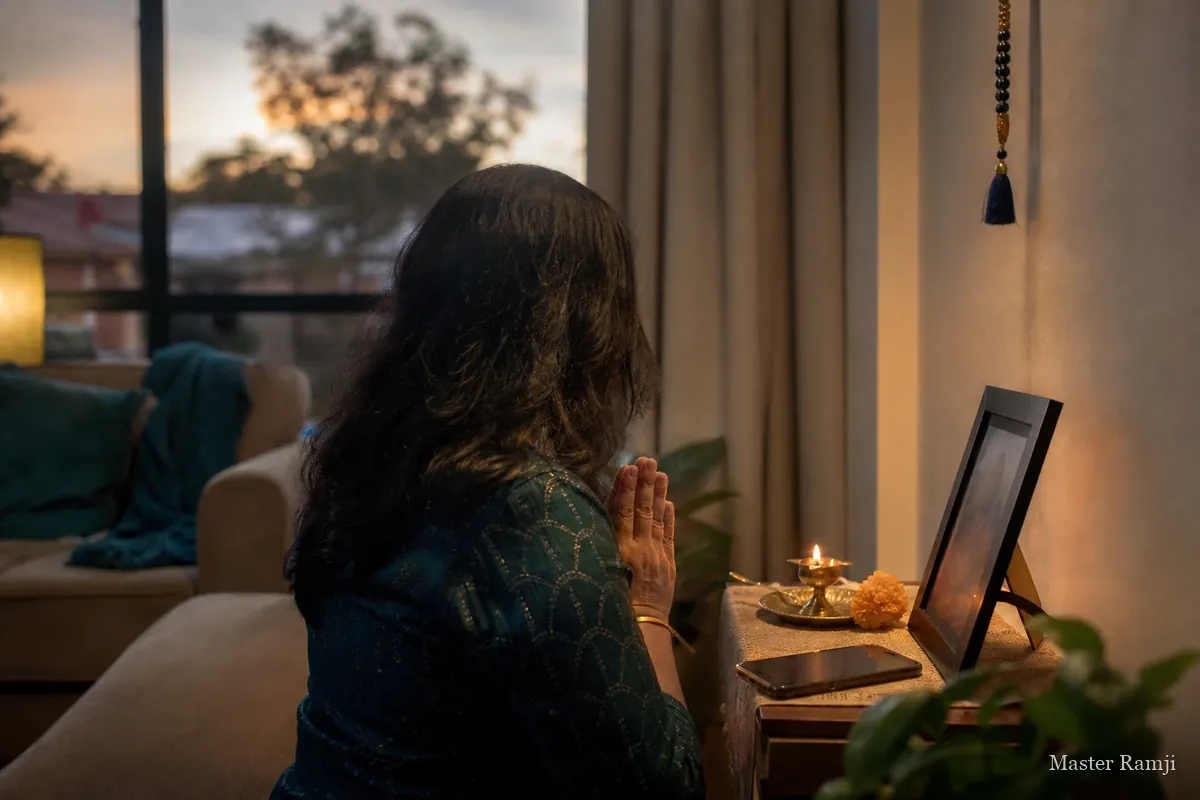
When a parent dies overseas and you can't fly back from Epping, you can still take part. Ask family about timing and join by video if possible. Light a lamp, hold prayers at home or with a local priest, and ask about later rites. Customs vary by tradition. Grief support is available too.
If you are reading this because your mother or father has just died far from here, we are very sorry. You don't need to read all of this now. Take the part you need today, and leave the rest.
When a parent dies overseas, Melbourne life can feel strangely unchanged. The rosters at the Cooper Street market and the Northern Hospital keep running, the school run still happens, and you may be standing in your kitchen while your family gathers on the other side of the world. Not being able to fly back doesn't end your place in your parent's farewell. Here are some gentle, practical first steps.
Key takeaways
- You don't have to decide everything in the first hours. Ask one person you trust to help.
- Many families can include a child who is far away, through video, prayers and later rites.
- Rites differ by region, community and family. Ask your own elders or priest rather than relying on one rule.
- Grief support is real help, and using it takes nothing away from your faith.
What should you do first?
Very little has to happen immediately. These steps can wait until you have had some water and a moment to sit down:
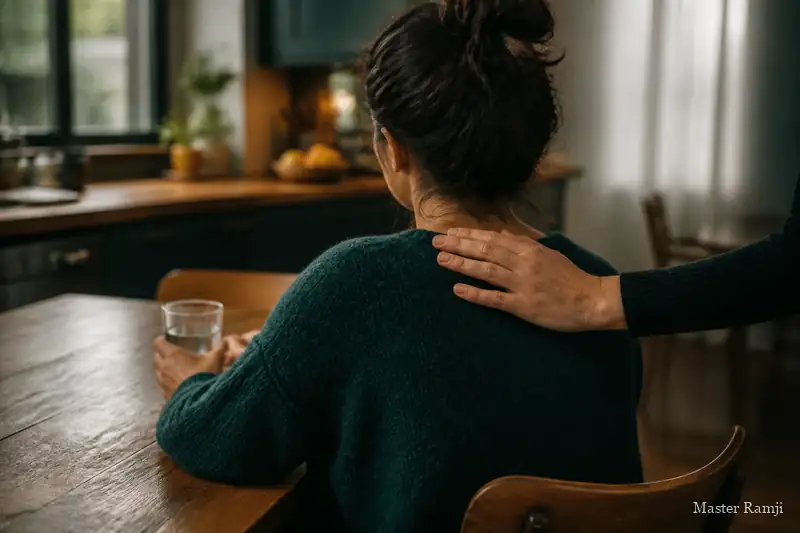
- Tell one person here. A partner, friend or neighbour can answer calls, mind the children and drive you if needed. Please don't drive if you are in shock.
- Call home and ask about timing. In many Hindu families, cremation happens quickly. Ask when it is planned and who is leading the rites.
- Ask whether someone can hold a phone up for you. Melbourne is four and a half hours ahead of India, or five and a half during daylight saving, so work out your local time and write it down.
- Tell your workplace. A short message is enough. Many employees can take compassionate leave. The Fair Work Ombudsman explains the minimum rules, including those for casuals.
Should you fly back, and what if you can't?
People stay for many reasons, including cost, work, young children, their own health, or timing that simply can't be met. Relatives may have strong opinions in their own grief. You are allowed to take a day before answering them.
We can't give legal or immigration advice. If your visa, passport or return to Australia is in question, please speak to a registered migration agent before you book. Questions about a will or property overseas belong with a lawyer in that country.
If your parent was an Australian travelling or living abroad, the government's Smartraveller site explains what consular staff can and can't do. They don't arrange or pay for funerals, so travel insurers and local funeral directors are often the practical contacts.
What rites can you keep at home?
Hindu last rites, known as antyeshti, and the observances that follow vary widely. The mourning period is often somewhere from 10 to 16 days, but this depends on region, community and family custom. So ask your family priest or elders what your own people do. Then consider what can be done from Epping:
- A lamp and a photograph. Set up a small place with your parent's photo, a flower and a diya or candle. Stay in the room while it burns.
- Joining by video. Sit together at the time of the cremation or prayers, even in the middle of your night. Some people wear white, or fast, as their family would.
- Prayer or scripture. Reading from the Gita, chanting a mantra your parent loved, or playing their favourite bhajan is enough.
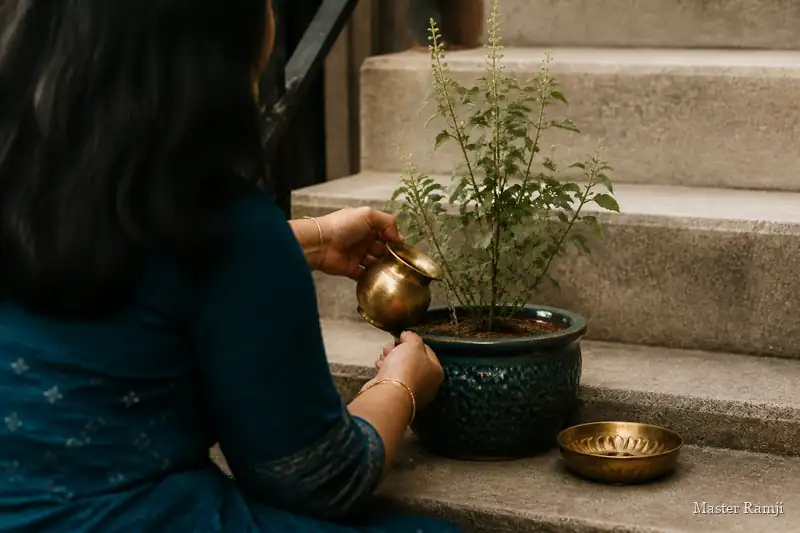
- Water offering. Some families offer tarpan, a simple water offering to the departed. Ask how yours does it. At home, this can be done over a bowl and poured onto a plant.
- Feeding someone. Giving food or a donation in your parent's name is common across many traditions. Choose an amount you can afford.
Our guide to performing shraddha away from India covers the later ancestral rite in more detail. Small rituals that help with grief offers quieter ideas if formal rites don't suit you.
Sikh, Jain, Muslim, Christian and other families will have their own practices. A faith leader from your community can help you find a way to take part from here.
Who can help locally in Epping?
A priest can sit with you and explain what your tradition allows when a child is far away. Epping has a temple you can ring. The Sri Vishnu Durga Hindu Temple, near the Northern Hospital, lists Thevasam, a word Tamil families often use for the yearly remembrance rite, among the ceremonies its priest attends. Ask what it offers now and what it costs, and whether it can suggest someone from your own tradition.
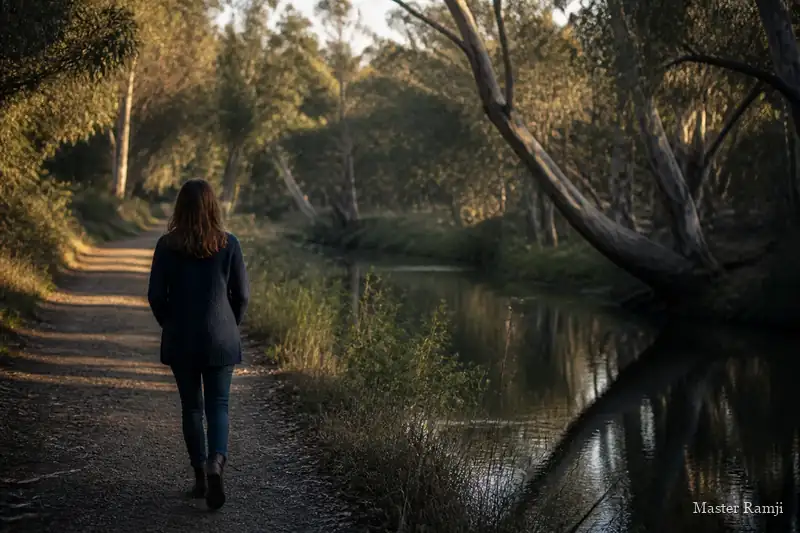
You may also want a quiet place to walk. Epping sits on Darebin Creek, and a walk beside the water can be a gentle way to mark the day. Please don't put offerings into the creek. Pour water at home, or ask a temple what it suggests.
What if you feel guilty you weren't there?
Almost everyone who loses a parent from a distance knows this feeling. You might replay the last call, or the trip you put off. Eldest sons may feel the weight of a role they couldn't perform, and daughters may have been told a rite isn't theirs. Ask your priest what is possible, because many families now adapt.
Living in Melbourne was not a wrong you did to your parent. Many parents were proud of that choice, even when they missed you.
Be careful if anyone says your parent's soul is suffering, or claims a family curse will follow unless you pay for an expensive ritual right away. Those are fear tactics aimed at people in pain. Our page on what pitra dosh does and doesn't mean may help if you have been told this.
When should you ask for more support?
Grief has no timetable. healthdirect suggests letting yourself feel your emotions, accepting offers of help, and planning for birthdays and anniversaries, perhaps with a small ritual such as lighting a candle. It also suggests getting help if sadness and despair persist, if grief has been distressing for 12 months or more, or if it is disrupting your work, sleep or relationships.
Griefline offers free, confidential support for anyone experiencing grief on 1300 845 745, and its site shows current hours. Your GP can also help. If you are having thoughts of harming yourself, call Lifeline on 13 11 14 at any hour, or 000 if you are in immediate danger.
Can spiritual guidance help?
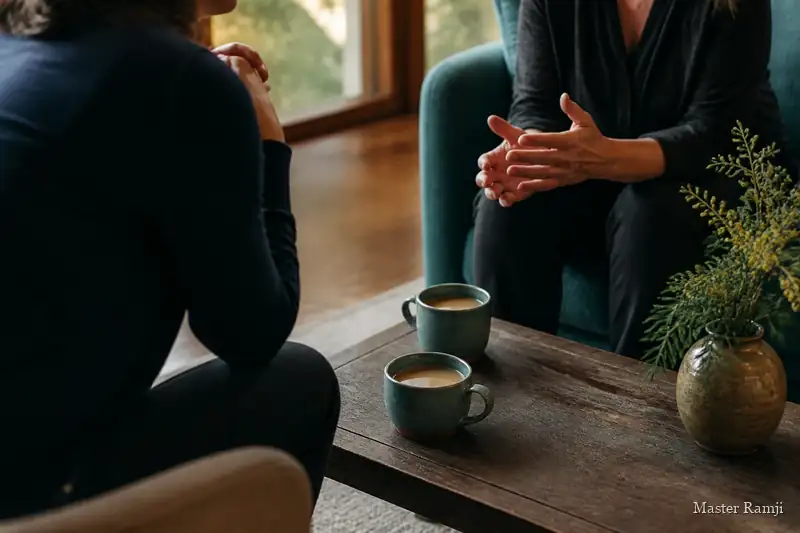
Some people want to talk about faith and loss with someone outside the family. Spiritual support through grief is a confidential conversation about what has happened and which practices might suit you. It isn't counselling or medical care. Astrology can't tell you where your parent is now, or give you a message from them. See whether an astrologer can help with grief for a plain answer.
Sessions can be held by phone, WhatsApp or video, and appointments are arranged in advance. You can read about our work in Melbourne's northern suburbs. When you feel ready, and only if it would help, please get in touch.
Related service
Keep reading
Diwali and Community in Shepparton
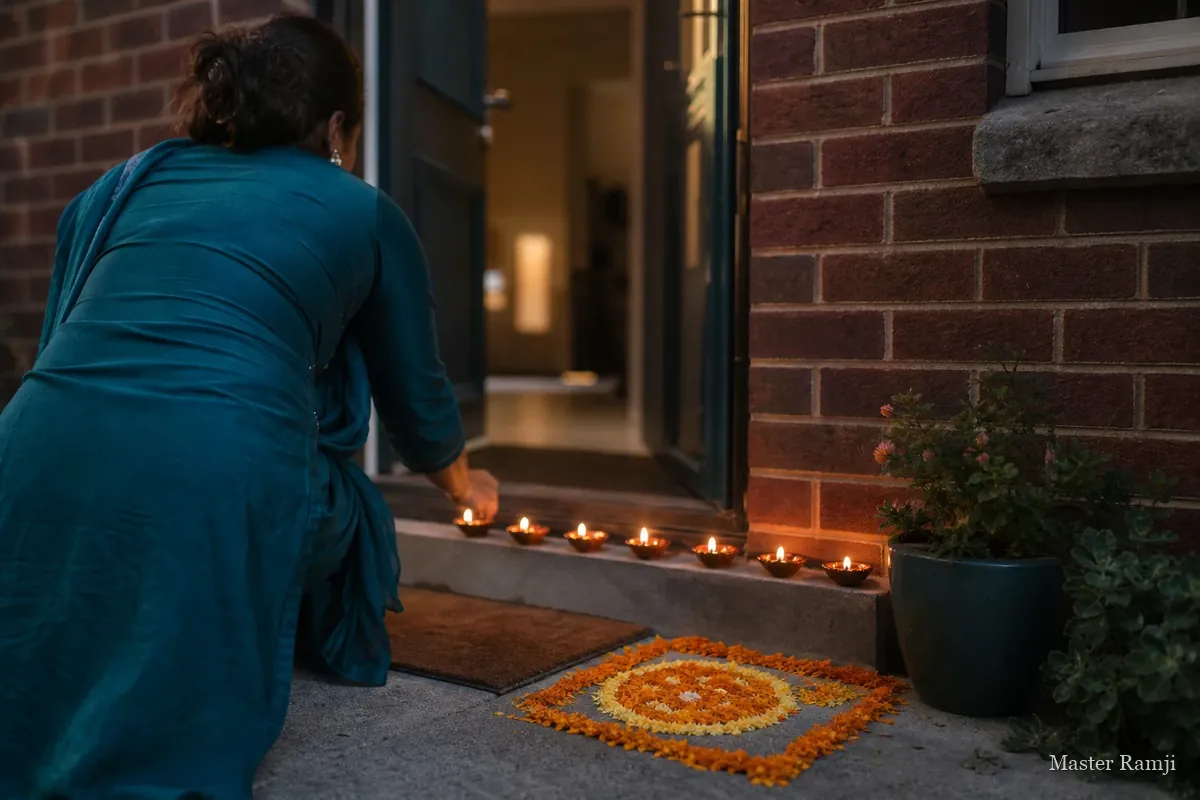
Marking Diwali in Shepparton? Who shares the festival locally, how to check this year's plans, and simple, safe ways to keep the lamps lit at home.
Read article →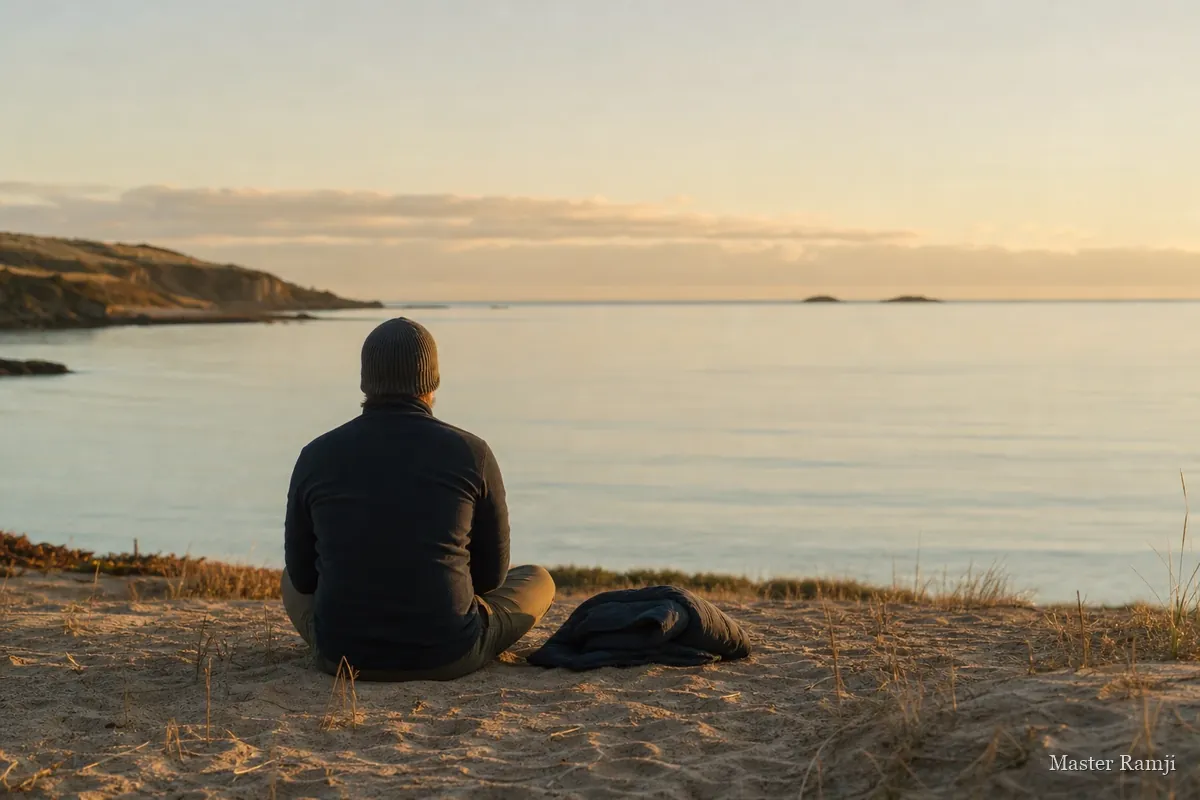
Taking Your Meditation Outside in Frankston
Want to meditate on the Frankston foreshore? Simple tips for choosing a spot, staying sun safe, chanting considerately and keeping the beach clean.
Read article →
Chakra Claims in Coburg Yoga Studios: A Reality Check
Chakras often come up in yoga and wellness classes. How to tell old tradition from modern marketing in Coburg, and which claims deserve a second look.
Read article →More from Melbourne's Northern Suburbs

Job Offer Across Town: Thinking It Through From Craigieburn
Offered a better job across Melbourne but live in Craigieburn? How to weigh pay and career growth against hours on the road or train, and where a chart fits.
Read article →
Naming a Small Business in Melbourne's North
Naming a new business in Melbourne's north? Check the name with ASIC and business.gov.au first, then use numerology only to choose between names you can use.
Read article →
Ganesh Chaturthi at Home in Melbourne's North
Celebrating Ganesh Chaturthi in Thomastown or Melbourne's north? Choosing a clay murti, doing visarjan at home in a bucket, and keeping offerings out of creeks.
Read article →Local pages

Quick answers
Can an astrologer help with grief?
An astrologer can offer ritual and a listening ear in grief, but not counselling. Here is what to expect, where the limits sit, and where to find real support.
Read answer →What is energy healing?
Energy healing rests on the belief in a life force that can be guided. Here is what a session involves, and what the evidence does and doesn't show.
Read answer →Talk to Vijay Ramji
Tell us what you are facing. If a reading is unlikely to help, you will be told that plainly.