
Picking a Date for a Family Event in Keilor
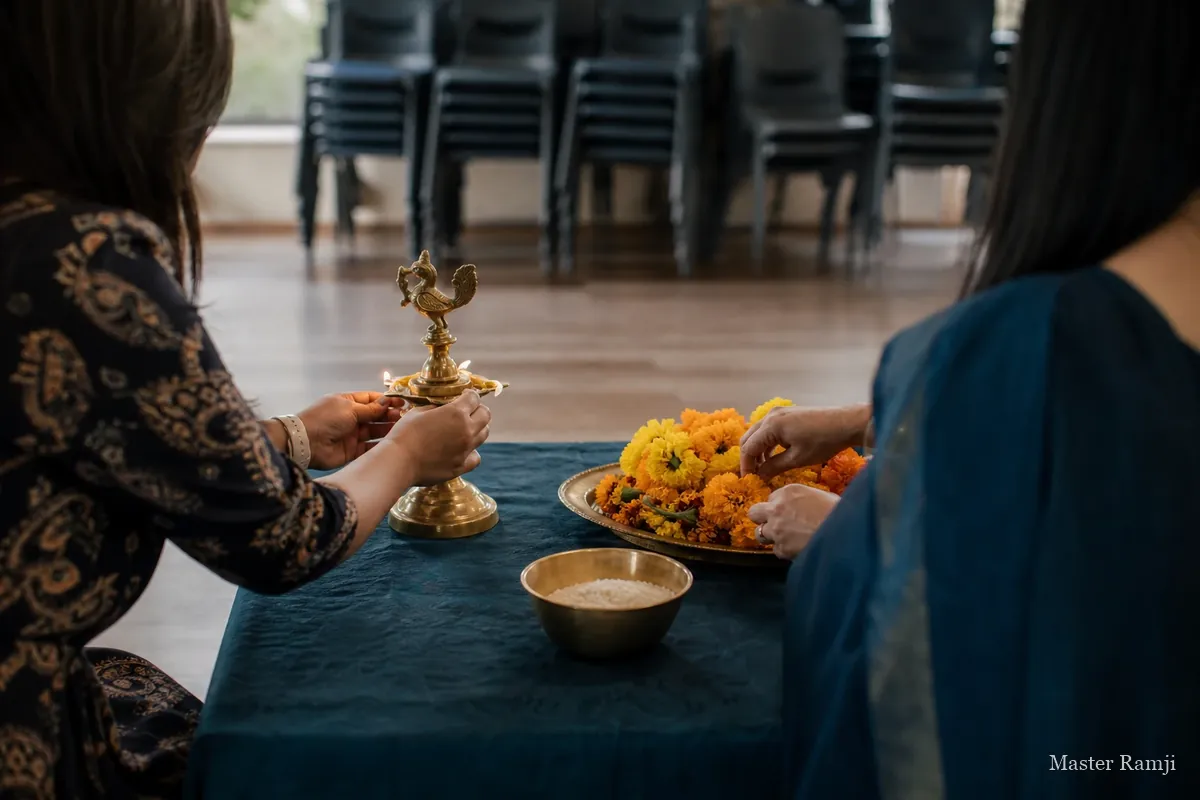
When hall dates in Keilor are limited, work backwards. List the dates a venue can actually offer, then choose the best muhurat within those days, focusing on the start time of the key ritual. A muhurat is a traditional practice, not a guarantee of a good outcome, so treat it as care taken rather than a promise.
Many families want two things for a naming ceremony, an engagement or a birthday puja: a date the elders are happy with, and a room big enough for everyone. In Keilor, as in most of Melbourne, the second one is often harder to find. Community rooms book out, and weekends go first.
This page explains a practical way to choose a muhurat, or auspicious time, when you can't have any date you like. It is written for families in Keilor and nearby suburbs such as Keilor East, Keilor Downs and Taylors Lakes, but the method works anywhere in Melbourne.
Key takeaways
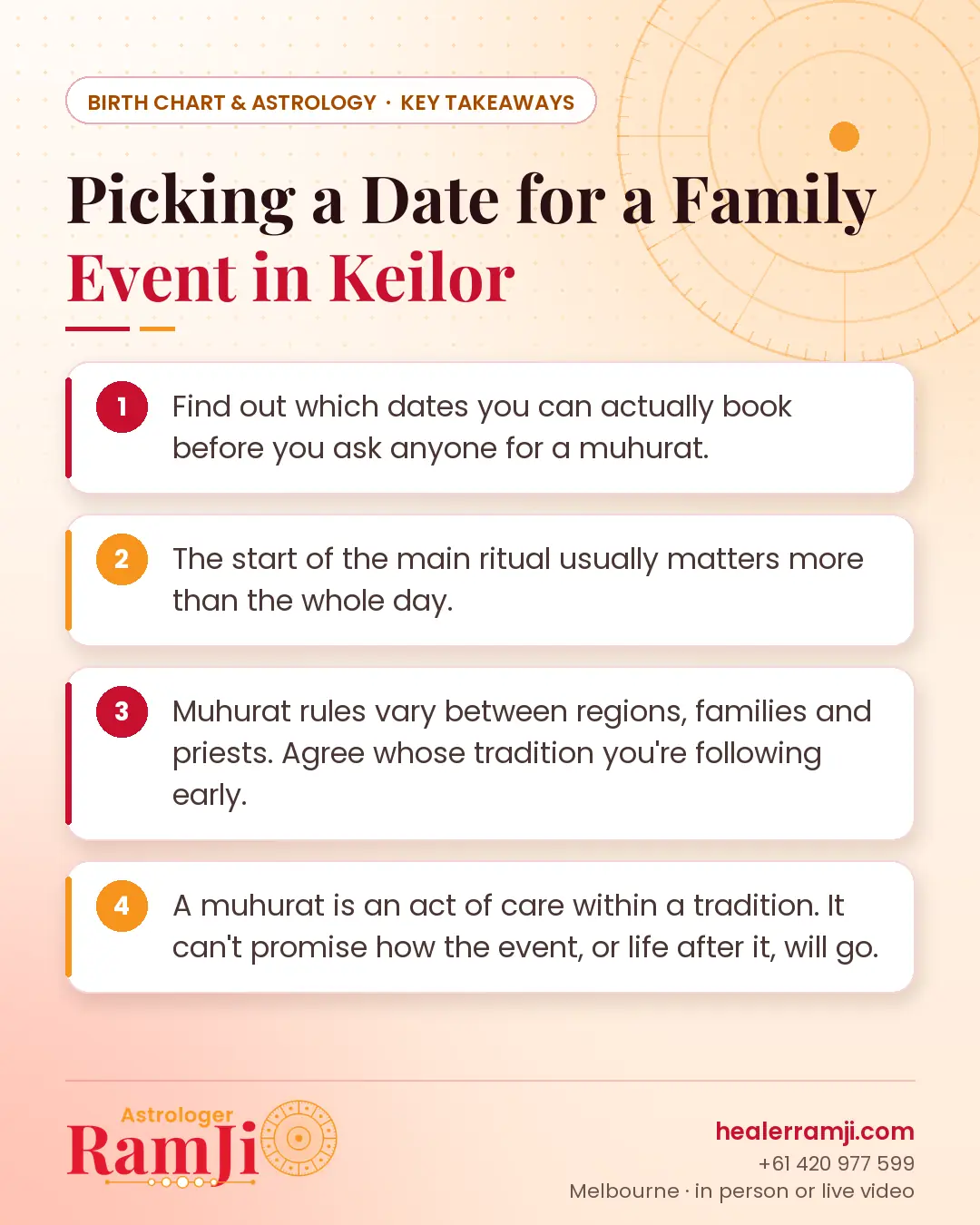
- Find out which dates you can actually book before you ask anyone for a muhurat.
- The start of the main ritual usually matters more than the whole day.
- Muhurat rules vary between regions, families and priests. Agree whose tradition you're following early.
- A muhurat is an act of care within a tradition. It can't promise how the event, or life after it, will go.
Why does the usual order cause problems?
A common pattern goes like this. The family asks a priest or astrologer for the best date. Someone then rings around for a hall and finds it's taken. Back to the priest for a second date, and then a third. By the time a room and a muhurat line up, invitations are late and tempers are short.
Turning the order around saves a lot of that. Start with the rooms and dates that are really available. Then look for the best time within them.

What venues are there around Keilor?
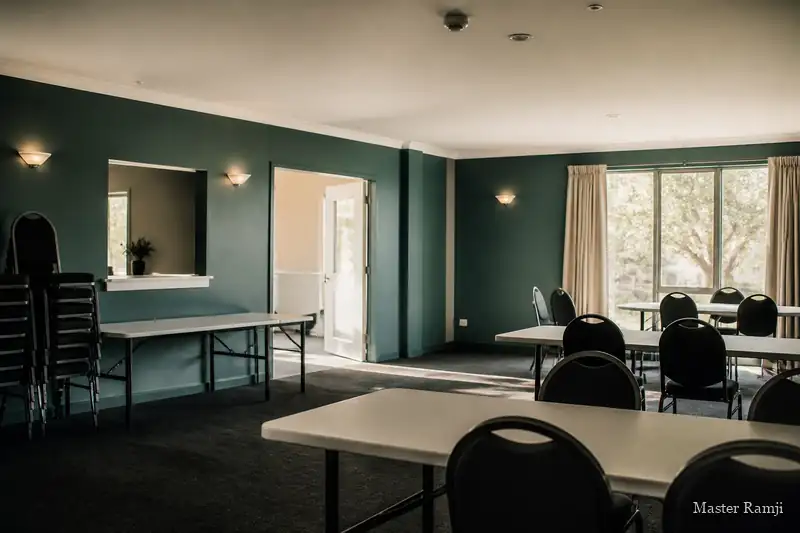
Brimbank City Council looks after several community spaces. Its directory lists the Keilor Community Hub on the Old Calder Highway, close to the Keilor Village shops and sharing a building with Keilor Library, with two program rooms. The council's halls and meeting rooms page says the hub has a meeting room for casual hire, and explains the difference between function hire for a single event and casual or regular hire.
Room sizes, rules and availability change, so check directly with the council before you plan around a space. Ask in particular about:
- How many guests the room holds
- Whether lamps, candles, incense or a small fire are allowed at all
- Set-up and pack-up times, and whether those count as part of your booking
- Whether food can be served and what cleaning is expected
The rule about flames matters most. Many indoor venues have smoke detectors, and some won't permit a havan or even incense. It's better to know now than to change the ritual on the day.
How do you choose a muhurat from a short list of dates?
The word muhurta began as a unit of time, usually given as one-thirtieth of a day or about 48 minutes, and each of those periods is traditionally treated as more or less favourable. Today, families use it to mean the chosen moment for an event. Once you have, say, three or four possible dates, an astrologer can compare them using the Hindu almanac, the panchang. Common factors include:
- Tithi. The lunar day. Some tithis are traditionally preferred for celebrations, and some are avoided.
- Nakshatra. The lunar mansion the Moon is in. Different nakshatras are favoured for different kinds of events.
- Vara. The weekday and its ruling planet.
- Periods many families avoid. Rahu Kalam is the best known, though not every tradition uses it.
For a family event, the astrologer may also consider the chart of the person at the centre, such as the baby at a namkaran. Definitions and weightings differ between schools and regions, so two careful astrologers may not pick the same window.
What if none of your dates is ideal?
This happens often, and it isn't a disaster. Within any single day, the quality of the time shifts hour by hour. So an astrologer can usually find a better window on a date you already have, rather than sending you hunting for a new hall.
A few approaches help:
- Focus on the key moment. For a naming ceremony, that may be when the name is first spoken. For an engagement, it may be the exchange of rings. Guests can arrive earlier and stay later.
- Split the event. Some families hold the core ritual at home at the chosen time, then celebrate with a larger group in a hired room on a convenient weekend.
- Ask what really matters to your family. If grandparents follow a particular regional calendar, use theirs. Peace in the family is part of a good beginning.

Does the muhurat have to be worked out for Melbourne?
Yes. Sunrise, sunset and the position of the Moon at a given clock time depend on where you are. A time worked out for a city in India won't line up with Melbourne, and Victoria's daylight saving shift adds another trap. Our guide on why a muhurat from India may not work in Melbourne covers this in more detail.
When relatives overseas send a muhurat, it's fair to ask which city it was calculated for. Recalculating for Keilor is usually simple.

What should you avoid?
- Paying a deposit before the family agrees. Settle whose tradition you are following first.
- Fear-based advice. If someone says the event will bring bad luck unless you pay for an expensive remedy, step back and get a second view.
- Letting the muhurat override safety or comfort. A very early or very late window that makes elders drive in the dark, or keeps a baby up past midnight, is not worth it.
How can Vijay Ramji help?
A muhurat date selection session starts with the dates you can actually book. We compare them, suggest the best time windows within each, and explain the reasoning so your family can decide together. For a baby's first ceremony, our page on holding a namkaran in Melbourne covers the practical side, and couples can read about choosing a wedding muhurat in Australia.
Appointments are arranged in advance, sessions can be held by phone, WhatsApp or video, and fees are stated before any paid work. You can read about our work in Melbourne's inner north-west, or get in touch with your list of dates.
Related service
Keep reading
A Saturn Period With a Mortgage: Advice for South Morang
Feeling squeezed during a Saturn period with a mortgage in South Morang? What the tradition says, practical steps for a slow stretch, and where to get real help.
Read article →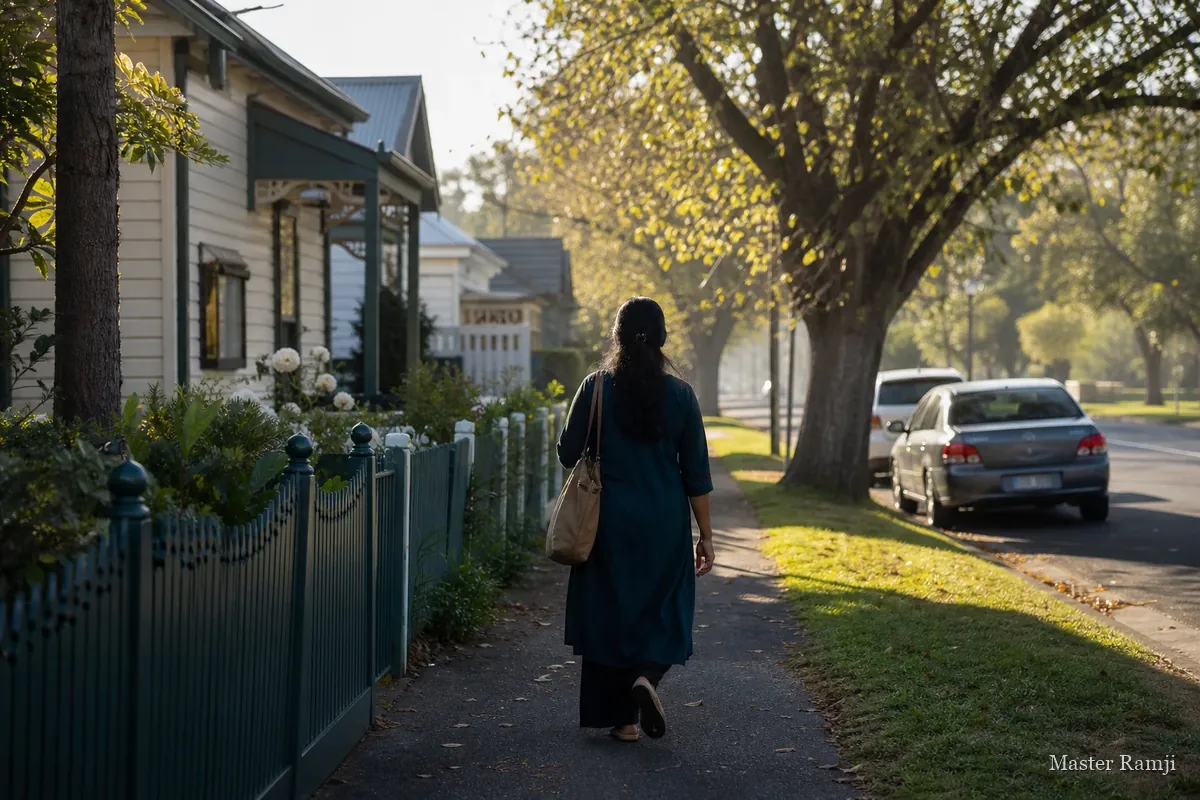
Common Sade Sati Questions Near Moonee Ponds
Common sade sati questions answered plainly for people in Moonee Ponds: how to check if it applies, what it can't predict, remedies and when to get support.
Read article →
Your First Kundli Reading if You Live in Roxburgh Park
Booking a first kundli reading from Roxburgh Park? How a phone or video session works, what details to prepare, and how to set up a quiet space at home.
Read article →More from Inner North-West Melbourne
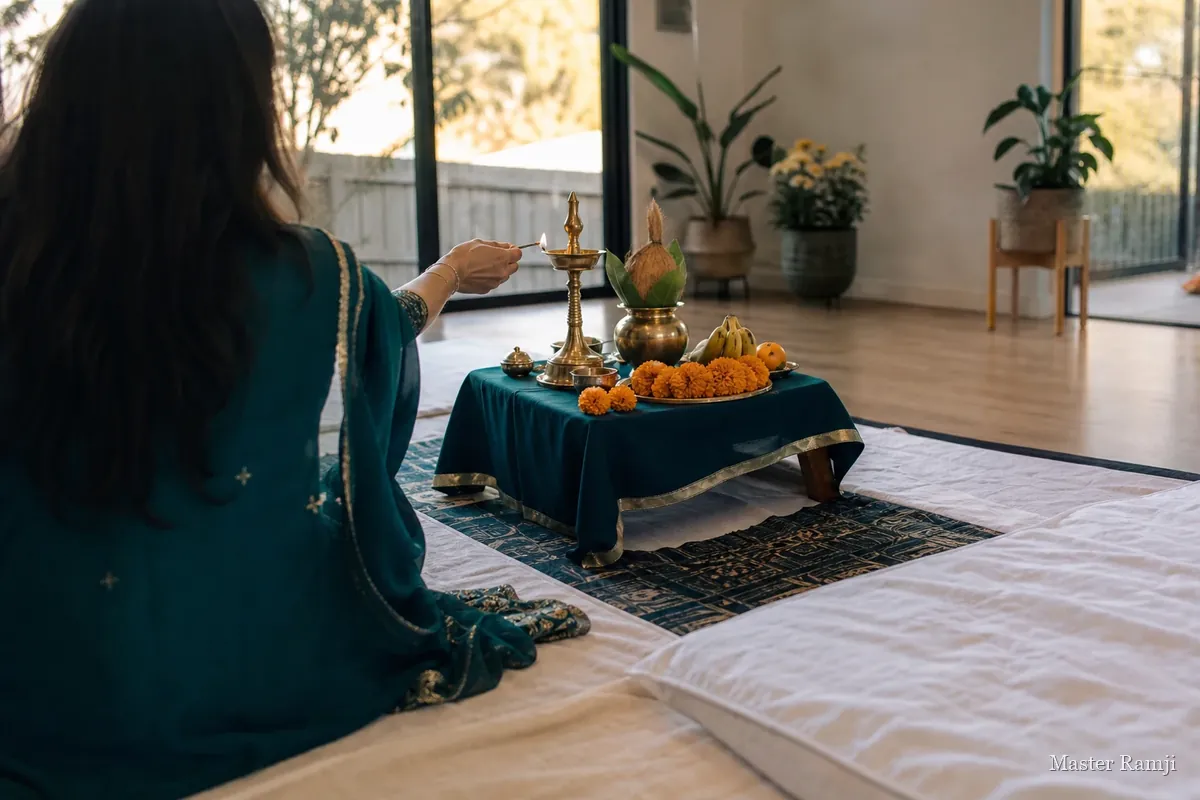
Hosting a Satyanarayan Katha in Niddrie
Planning a Satyanarayan katha in a small Niddrie home? How to set up the room, manage guest numbers, and make and serve prasad safely on the day.
Read article →
Frequent Flyer Work and Family Near Airport West
Frequent work travel from Airport West straining your marriage? Practical ways to stay connected, share the load at home and keep a simple spiritual practice.
Read article →
Airport Goodbyes at Tullamarine: Long-Distance Reality
The drive home from Tullamarine after a long-distance visit can hurt. Ways to handle the farewell, the first week after, and when to look for more support.
Read article →Local pages

Astrologer in Ascot Vale
Vijay Ramji is a Vedic astrologer and spiritual healer based in Ascot Vale, Melbourne. Sessions are held by phone, WhatsApp or video, booked in advance.
View area →
Astrologer for Moonee Ponds
For Moonee Ponds homes, leased offices and family matches. Vijay Ramji is based in Ascot Vale, with sessions held by phone, WhatsApp or video.
View area →
Astrologer for Essendon
For Essendon households weighing up renovations, parents and teenagers, or a mixed-faith family. Based in Ascot Vale, with sessions by phone, WhatsApp or video.
View area →Quick answers
What is a muhurat?
A muhurat is an auspicious date and time chosen for an important start, such as a wedding. Learn how it is chosen, and why local time in Melbourne matters.
Read answer →What is a kundli?
A kundli is a Vedic birth chart that maps the planets at your exact time and place of birth. Here is what it shows, in plain words.
Read answer →Talk to Vijay Ramji
Tell us what you are facing. If a reading is unlikely to help, you will be told that plainly.