
Five Quiet Minutes for Busy Parents in Mernda
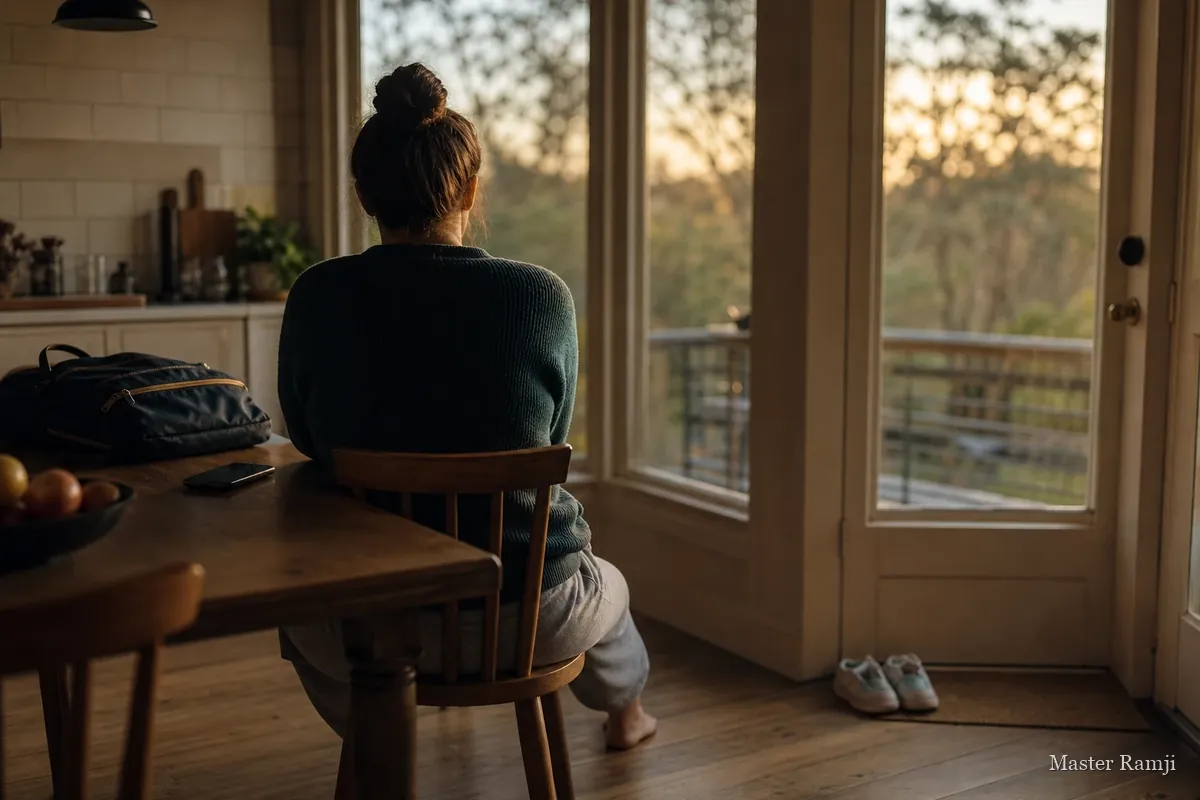
Meditation for parents in Mernda works best when it is short and tied to something you already do. Try five quiet minutes before the school run: settle, breathe slowly, repeat a simple mantra if you like, then choose one thing for the day. It may help you feel steadier, but it doesn't replace medical care.
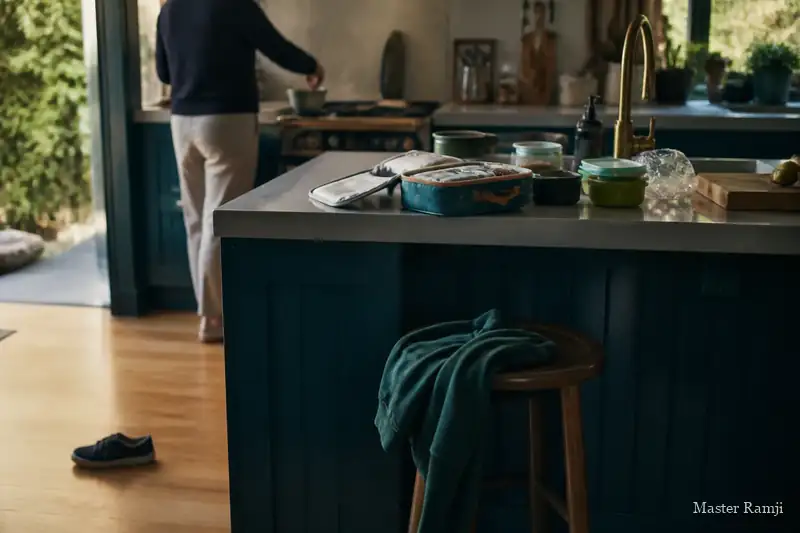
Lost shoes, a forgotten lunch box, a drop-off in one direction and a train or a long drive in the other. If you are raising kids in Mernda, the first hour of the day can feel like a race you have already lost by 7.30.
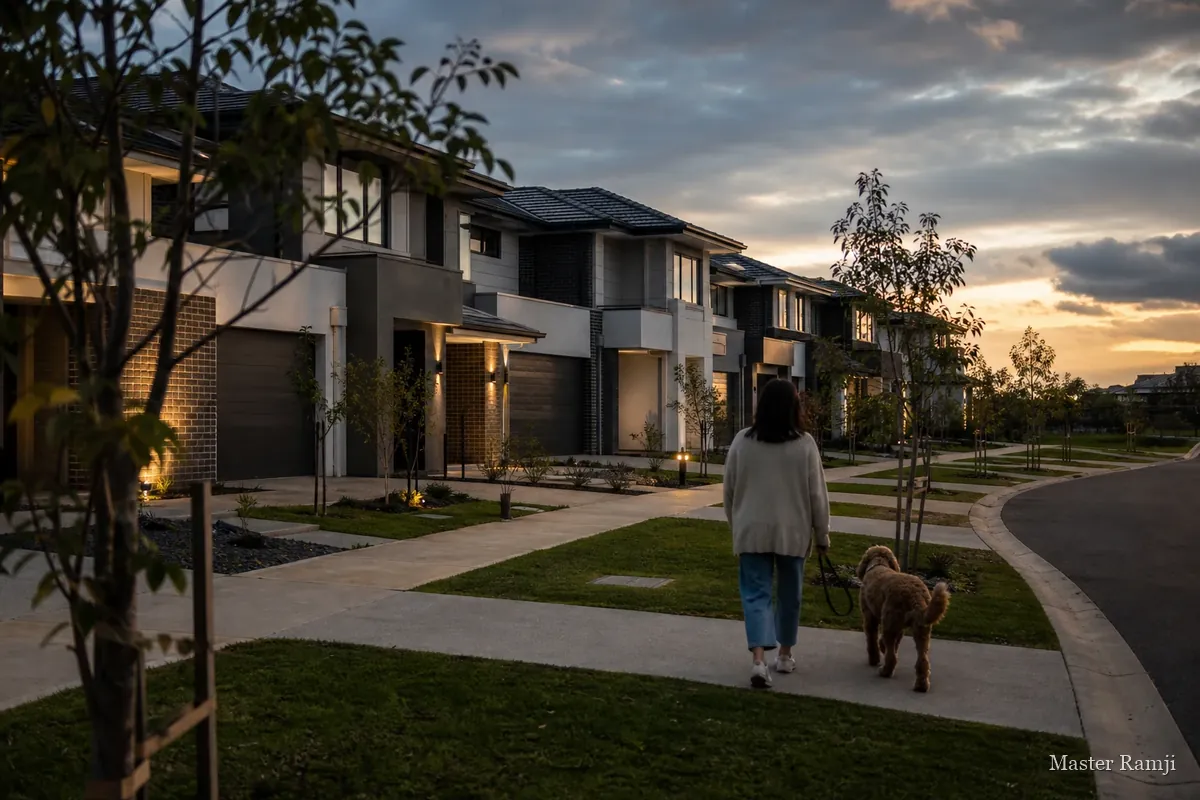
Victorian Places puts Mernda 26 km north of the central city, with the Plenty River on its eastern edge. It grew quickly, with the census count rising from 830 people in 2006 to 6,508 in 2011, and the same source calls the suburb "a work in progress". For some families here, that means a new estate, a long commute and no older relatives nearby to take a child for an hour. This short routine is built for that kind of morning.
Key takeaways
- Five minutes done most days beats a long session you never get to.
- Link the practice to something that already happens, such as boiling the kettle.
- A mantra is optional. Slow breathing on its own is a perfectly good practice.
- Meditation is one support among many. It doesn't take the place of a GP or a maternal and child health nurse.
Why does the school run undo you before it starts?
Part of it is the number of small decisions. Before you have had a coffee, you may have settled an argument over a jumper, checked a permission note and worked out who has swimming today. Your attention is pulled towards the next task from the moment you wake up.
A short sit won't shrink that list. What it can offer is a small gap, a few minutes when nobody needs an answer from you. Many people find they meet the rest of the morning a little more calmly after that. Some don't notice much at first, and that's fine too.
What can you actually do in five minutes?
healthdirect suggests beginners start with 1 to 2 minutes a day and build up slowly over weeks or months. So treat five minutes as the goal, not the starting line. This short meditation routine has five parts of about a minute each:
- Sit down. A kitchen chair is fine. Put your feet on the floor and your phone face down.
- Notice where you're tight. Check your jaw, your shoulders and your hands. Let them loosen if they will.
- Breathe slowly. Let the out-breath run a little longer than the in-breath. Don't force it.
- Repeat one word or sound. Say it under your breath, or silently. When your mind wanders to lunch boxes, come back to it. You will need to do this many times, and that's the practice.
- Choose one thing. Pick one way you'd like to be this morning, such as "no shouting at the door". Then get up.
On days when you only get one minute, do the breathing and stop. It still counts.
When can a parent find five minutes?
Don't hunt for free time, because there isn't any. Attach the practice to a moment that is already part of your day:
- Before the house wakes. Setting an alarm five minutes earlier is the simplest fix, if sleep allows. If you were up in the night with a baby, stay in bed.
- While the kettle boils. You won't get five minutes, but you'll get two, and you won't need to remember anything.
- In the parked car after drop-off. Turn the engine off and sit for a few minutes before you drive anywhere. Never do this while driving.
- On the train. The Mernda line ends at the station on Bridge Inn Road, so if you board there you may get a seat and a few quiet stops before the carriage fills. Keep your bag close and set a phone alarm if you are worried about your stop.
- Outside. Mernda Village has linear parks, and a short walk there after drop-off can work for people who can't sit still. Count your steps with your breath.

Should you use a mantra for parents, or just breathe?
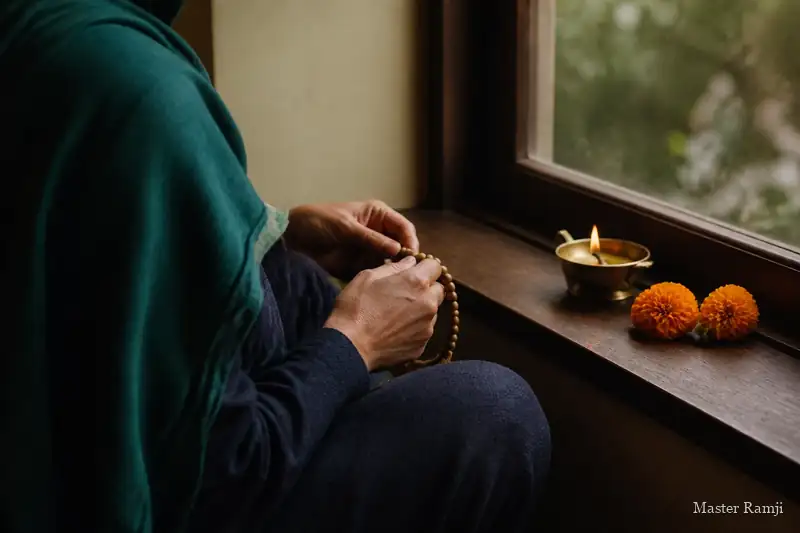
Either is fine. In Hindu and Buddhist practice, a mantra is a sound or phrase repeated as prayer or as a focus for the mind. Some parents use "Om". Others use a line from their family's own prayers, a deity's name, or "So Hum", which is often tied to the in-breath and out-breath. If you grew up with one, it's usually best to keep it. It will feel like yours.
There is no single right mantra for parents, and you don't need to chant 108 times with a toddler on your lap. The tradition holds that repetition has spiritual value. That's a matter of belief and not something science has shown. If you don't share that belief, repeat a plain word such as "steady". For a slower start with a daily count, see our guide on building a mantra practice that lasts.
What if the kids interrupt?
They will. Don't treat it as a failure. Finish your breath, deal with what's needed, and carry on if you can. If not, try again tomorrow.
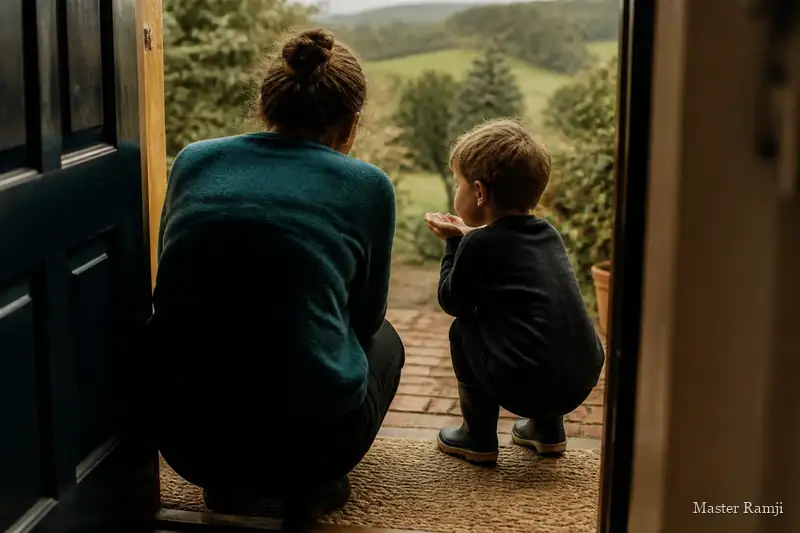
Some families make a small game of it instead. Everyone takes three slow breaths at the front door or in the car before anyone gets out. Younger children often like blowing out a pretend candle. Keep it light, and don't force a child who isn't interested. Watching a parent stop and breathe teaches them plenty.
What if you've tried meditation before and given up?
Many people quit because they think their mind should go blank. It won't. A busy mind doesn't mean you're doing it badly. It also helps to drop the idea of a perfect streak. Missing three days just means you start again on the fourth. Our piece on meditation for people with no spare time has more ideas if five minutes still feels like too much.
Meditation in Melbourne's north doesn't have to mean a studio booking. Your kitchen will do.
When is meditation not enough?
Feeling stretched is common. Feeling low, anxious or unable to cope for weeks is something to talk through with a professional. If sitting quietly makes you feel worse, stop and mention it to your GP. Meditation may ease everyday stress for some people, but it can't treat depression, anxiety or a sleep problem by itself.
- For parents of young children. The City of Whittlesea's Maternal and Child Health service is free and confidential, and it lists centres at Mernda Village and Mernda South. The Maternal and Child Health Line, 13 22 29, is open at all hours. Check with the council for current session times.
- For your own wellbeing. Start with your GP, or call Beyond Blue on 1300 22 4636. If you are in crisis, call Lifeline on 13 11 14.
If you are worried about school stress at home, school pressure and what parents can do covers that side of family life.
Would guidance help?
Most people can start on their own with what's above. If you'd like help choosing a mantra that suits your family's tradition, or shaping a routine around shifts and school runs, mantra and meditation guidance is a simple conversation about what you can realistically keep up. It's spiritual guidance, and it doesn't replace health care.
Sessions can be held by phone, WhatsApp or video, and appointments are arranged in advance. You can also read about our work across Melbourne's northern suburbs. If that sounds useful, please get in touch.
Related service

Keep reading
Spiritual Practice in Retirement: Ideas From Croydon
Retired in Croydon and missing the shape of a work day? Simple ideas for a spiritual routine, mantra practice and purpose, with honest limits on what it can do.
Read article →
Keeping Your Practice Alive in Bendigo
Living far from Melbourne's big temples? Practical ideas for Hindu worship in Bendigo: a home altar, a simple mantra routine and ways to find others.
Read article →
Remembering Someone by the Maribyrnong River
A quiet remembrance ritual for walking by the Maribyrnong River, with nothing left in the water. Where to walk, what to bring, and where to find support.
Read article →More from Melbourne's Northern Suburbs
Nazar Concerns With a New Baby in Preston
Worried about nazar and your new baby in Preston? See a doctor or maternal and child health nurse first, then choose gentle customs that keep your baby safe.
Read article →
Interfaith Couples in Coburg: Telling Both Families
An interfaith couple in Coburg? How to plan who tells which family, what to say first, how to handle questions about faith and children, and where to find support.
Read article →
Cleansing a Shared House in Reservoir
Renting in a Reservoir share house? How to do a smoke free cleansing that respects your housemates, smoke alarms and lease, and what a ritual can't fix.
Read article →Local pages
Quick answers
What is a mantra?
A mantra is a sacred sound, word or phrase repeated in prayer or meditation. Here is what the word means, how it is used, and how to begin simply.
Read answer →What is energy healing?
Energy healing rests on the belief in a life force that can be guided. Here is what a session involves, and what the evidence does and doesn't show.
Read answer →Talk to Vijay Ramji
Tell us what you are facing. If a reading is unlikely to help, you will be told that plainly.