
What is a mantra?
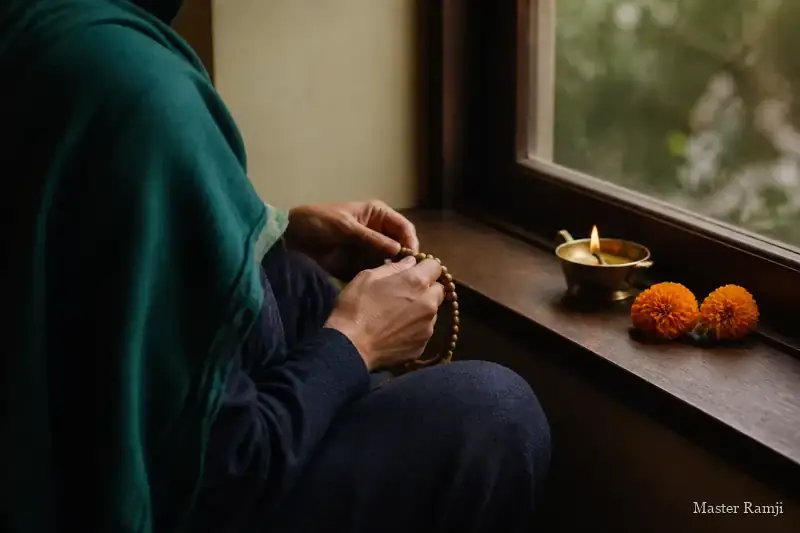
A mantra is a sacred sound, word or phrase, repeated aloud, softly or silently, in prayer or meditation. The word comes from Sanskrit and is often explained as a tool for the mind. Mantras are used in Hinduism, Buddhism, Jainism and Sikhism. Believers hold that they carry spiritual power, which is a matter of faith.
Not every mantra has a literal meaning. Some are prayers you could translate line by line. Others, such as Om, are valued mostly for their sound. Scholars still disagree about how far meaning matters.
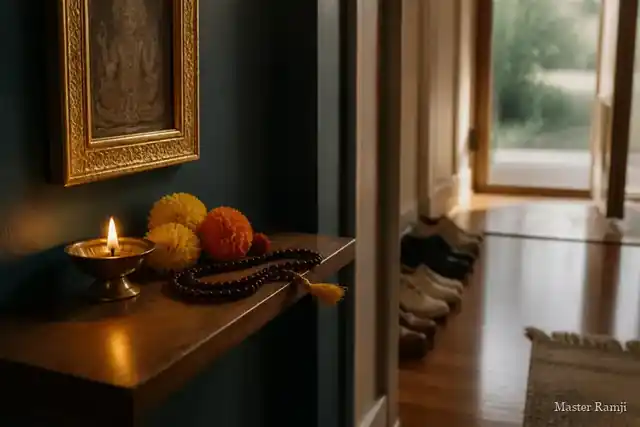
The common ways of using one are:
- Japa: quiet repetition, often counted on a mala of 108 beads
- Kirtan: singing in a group, often call and response
- Ritual: recitation that accompanies a puja or other ceremony

Some traditions teach that certain mantras should be received from a teacher, while others are open to everyone. If your family has its own practice, an elder or priest is a good first person to ask.
Meditation is the part with practical advice behind it. healthdirect lists a mantra as one possible point of focus, and points out that meditation takes time, patience and practice. It won't change a diagnosis, a bank balance or how someone else feels about you, so be wary of a "secret mantra" sold at a high price.
To start, choose one short mantra and repeat it for a few minutes at the same time each day. Our article on starting a mantra practice that lasts helps with the habit. For help with pronunciation and meaning, there is one-to-one mantra guidance.
Related service

Read more

More quick answers
Can an astrologer help with grief?
An astrologer can offer ritual and a listening ear in grief, but not counselling. Here is what to expect, where the limits sit, and where to find real support.
Read answer →How many healing sessions do I need?
No set number of energy healing sessions suits everyone. Here is what affects it, what to ask before you pay, and why prepaid packages deserve caution.
Read answer →Talk to Vijay Ramji
Tell us what you are facing. If a reading is unlikely to help, you will be told that plainly.