
Cleansing a Shared House in Reservoir
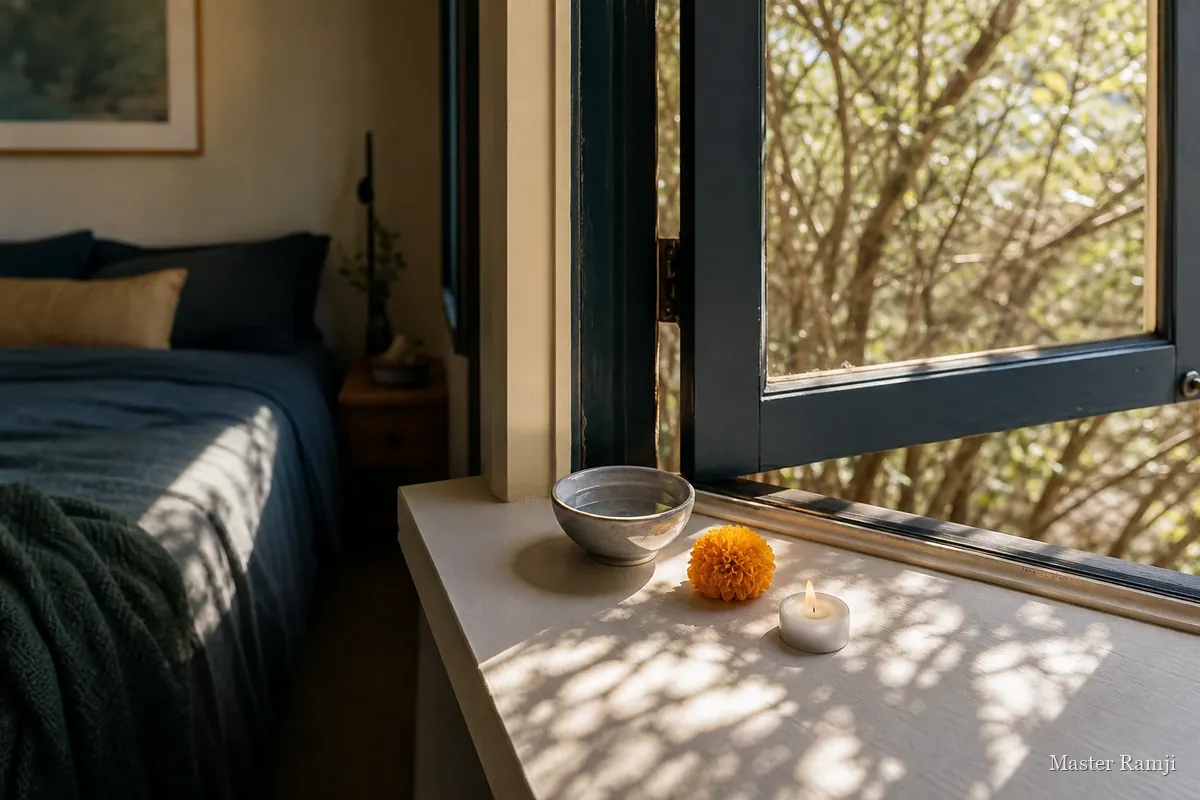
To cleanse a shared house in Reservoir, begin with your own room, ask your housemates before touching shared spaces, and use smoke-free options such as water, sound, flowers or a battery lamp. Never cover or disable a smoke alarm. Cleansing is a personal tradition, and it won't settle a dispute over bills or chores.
Reservoir takes its name from water. Victorian Places traces it to three reservoirs built in 1864, 1909 and 1913 to hold Melbourne's supply from Yan Yean. That suits this topic. Water is a gentle way to mark a fresh start in a home, and it won't set off an alarm.
In a share house, though, the home isn't only yours. This guide covers cleansing a share house in Melbourne's north in a way that respects the people you live with, the alarms on the ceiling and the lease you signed.
Key takeaways
- Your own room is yours to bless. Shared rooms need a yes from everyone who lives there.
- Consumer Affairs Victoria says renters must not deactivate, remove or interfere with a smoke alarm.
- Water, sound, flowers and a battery lamp can carry a ritual without any smoke.
- Cleansing is a matter of belief. It can't pay a bill, change a lease or change a housemate's behaviour.
Why is a share house different?
When you own a family home, a ritual is a family decision. A share house is more like a small agreement between adults who may have little in common. Victorian Places notes that Reservoir, 12 km north of central Melbourne, is far more linguistically diverse than Victoria as a whole, with Italian, Greek and Arabic among the languages recorded at home in the 2011 census. The person across the hall may have a faith of their own, or none at all.
Share house energy, as people tend to call it, is often about ordinary things too. One person works nights. Another is behind on the gas bill. A ritual done over someone's objection tends to make a house feel heavier.
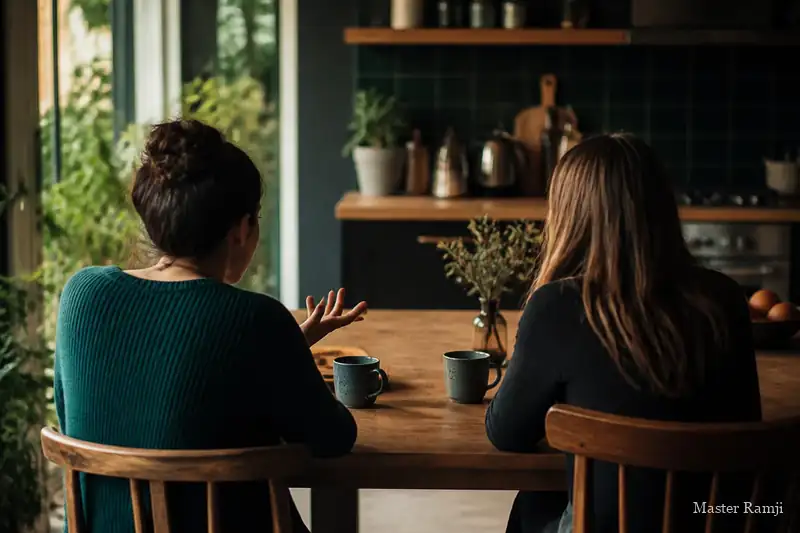
How do you raise it with your housemates?
Keep it short and specific. People usually relax once they know exactly what you mean. You might say:
"I'd like to say a short prayer in the kitchen and hallway on Sunday morning. There's no smoke and it takes about ten minutes. Is that okay with you? I won't go near your room."
A few habits help:
- Say what, when and how long. Vague talk about clearing the house can sound alarming.
- Pick a time that suits the roster. A bell at 7am is unkind to someone who finished a night shift at six.
- Accept a no. If someone isn't comfortable, keep the practice to your own room.
- Don't blame anyone. Never suggest that a housemate brought bad energy into the home. It's hurtful, and it can't be disproved or fixed.
- Leave their things alone. Don't enter their room, sprinkle water on their belongings or hide anything among them. Doing something to a person without their knowledge isn't protection. It's a breach of their trust.
What can you do in your own room?
Quite a lot. A small, regular practice in your own room may be enough, and it needs no vote.
- Clean first. Dust, wash the bedding and clear the floor. In many traditions, physical cleaning comes before anything else.
- Open the window. Let fresh air through for a few minutes.
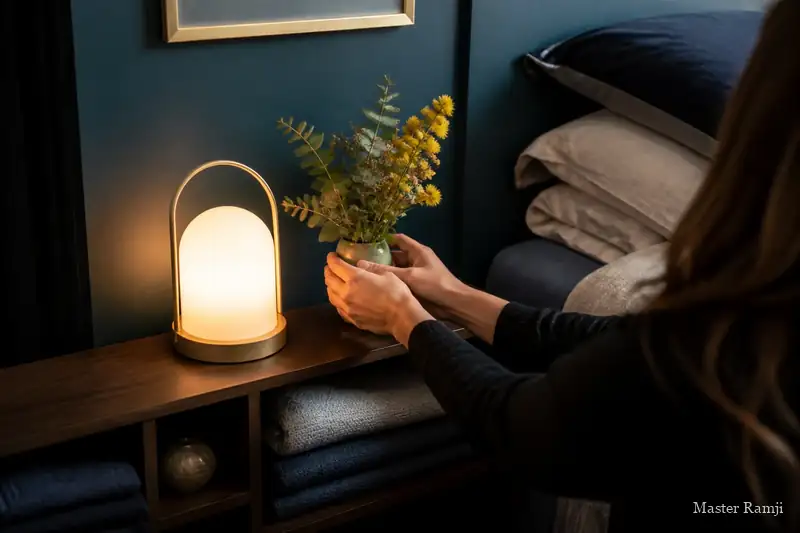
- Make a small shelf. An image, a flower and a battery lamp take up little space and can be packed up easily when you move.
- Say a prayer or mantra. Do it quietly, at a set time. Guidance on mantra and meditation can help you build a routine that fits a small room.
Be careful with anything that can stain. Oil, ash, wax and kumkum can mark carpet and paintwork, and that can cause trouble when you move out. Our guide to spiritual cleansing in a rental home goes further into this.
What does smoke free cleansing look like?
Traditions differ, so take these as options:
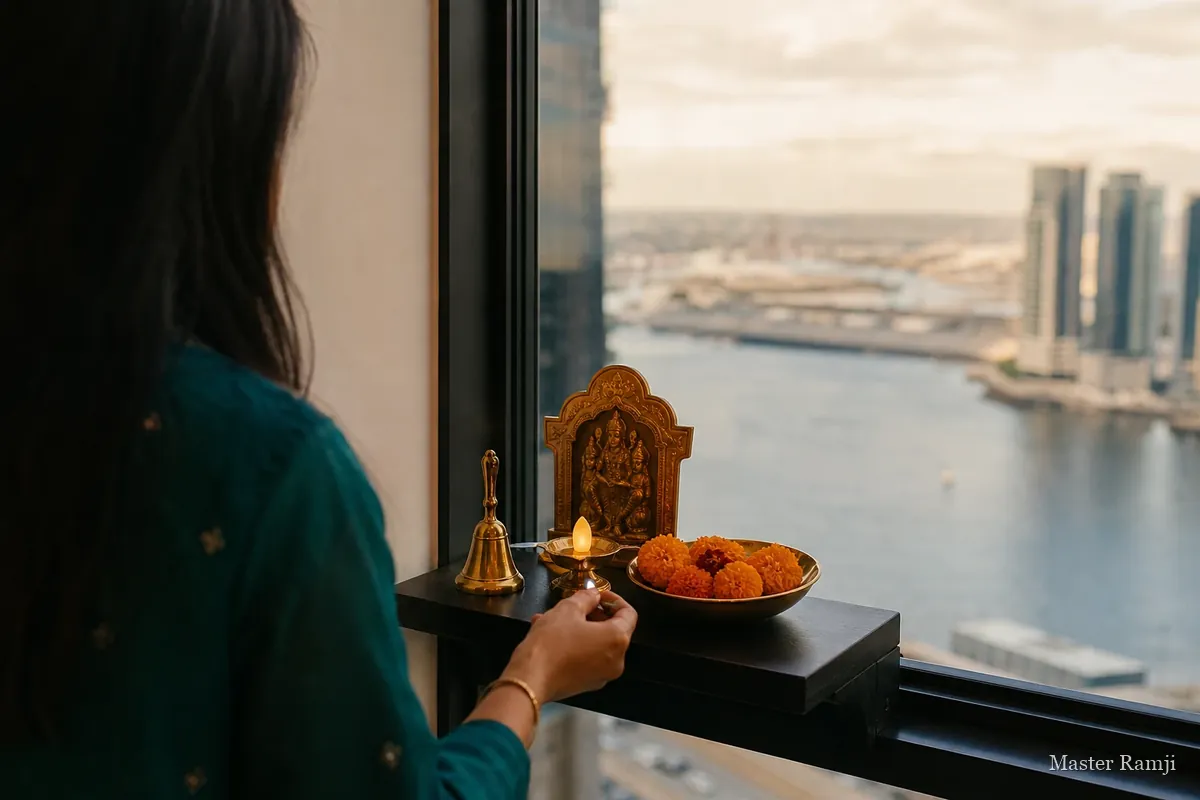
- Water. A small bowl of clean water, with a light sprinkle from your fingers while you pray. Use only a few drops near power points and timber floors.
- Sound. A small bell, soft chanting or a recording of a mantra, kept to a volume that stays in the room.
- Flowers and fruit. Replace them before they wilt, so they don't draw insects into a shared kitchen.
- A battery lamp. It gives you a light to focus on, with no flame at all.
Some families also use salt. If that's your custom, our safe guide to salt and camphor explains what to watch for.

What do the smoke alarm rules mean for you?
This is the part people get wrong. Consumer Affairs Victoria says renters must not deactivate or remove a smoke alarm, or interfere with how it works. If a renter or a visitor does this, the rental provider may issue a breach of duty notice. So taking the battery out "just for ten minutes" isn't a harmless shortcut. Nor is covering the alarm.
Fire Rescue Victoria lists candles and incense among the common causes of false alarms, so a smoky ritual may well set yours off.
If everyone agrees to a small flame, follow the CFA's advice on candles and incense. Stay with it the whole time. Set it on a stable, hard surface at least one metre from anything that could catch fire. Avoid breezes and open windows, and keep it away from children. Put it out before you leave the house or go to sleep. Check your lease too, since it may have its own conditions.
What if the real problem is conflict?
People often think about a cleansing after a bad run of arguments, or when a housemate has moved out on bad terms. A ritual may help you feel you've drawn a line under that time. It won't solve the underlying problem, though.
For that, try a house meeting with a written list of who pays what and who cleans what. If that doesn't work, the Dispute Settlement Centre of Victoria provides free, voluntary mediation to Victorians, so ask whether it can take your situation. For problems with your lease or rental provider, go to Consumer Affairs Victoria. Astrology has no answer to a legal question.
If you feel unsafe at home, that's a different matter. Call 000 in an emergency, or 1800RESPECT on 1800 737 732 for family or sexual violence support. If you have felt low for weeks, see a GP. Be wary of anyone who says a housemate has cursed you and then quotes a price to remove it. Our page on what should happen in a cleansing session shows what a fair process looks like.
Where can you go if the house isn't the right place?
You don't have to pray at home. Victorian Places names Edwardes Lake Park as Reservoir's largest open space, and it also mentions a linear reserve along Darebin Creek. A slow walk with a mantra said under your breath is a real practice, and it asks nothing of your housemates.
Keep it simple in public places. Don't light anything, don't leave offerings in the water, and take home whatever you bring.

Is a session worth having?
You don't need one to look after your own room. Some people like to talk it through. A home energy cleansing is a faith-based practice, and any ethical reader should ask whether your housemates have agreed before suggesting anything in shared rooms. Sessions can be held by phone, WhatsApp or video, and fees are stated before any paid work.
You can read more about our work in Melbourne's northern suburbs, or get in touch with a question about your own home.
Related service
Keep reading
Exam Nerves or Nazar? Advice for Burwood Students
Anxious before exams in Burwood and told it might be nazar? Look after your health and study support first, and keep any family custom gentle and optional.
Read article →
Bad Luck Since Moving to Pakenham? Check These First
Things going wrong since you moved to Pakenham? Check money, health, sleep, commute and home safety first, then consider calm spiritual steps if you wish.
Read article →
Cleansing a Warehouse or Unit in Keysborough
Thinking about a spiritual cleansing for a Keysborough warehouse or factory unit? How to keep it discreet, safe and respectful of staff and neighbours.
Read article →More from Melbourne's Northern Suburbs
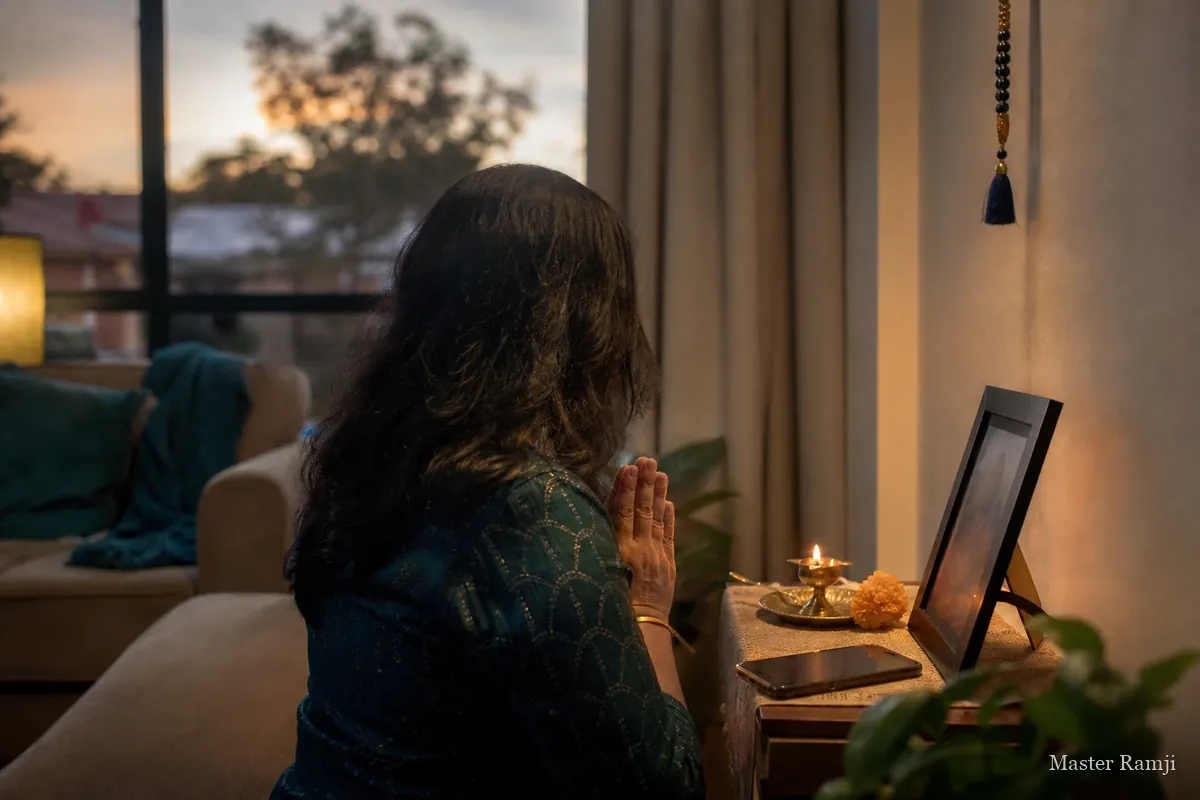
When a Parent Dies Overseas: First Steps From Epping
A parent has died overseas and you are in Epping, perhaps unable to fly back. Gentle first steps, simple rites at home, and where to find real support.
Read article →
Job Offer Across Town: Thinking It Through From Craigieburn
Offered a better job across Melbourne but live in Craigieburn? How to weigh pay and career growth against hours on the road or train, and where a chart fits.
Read article →
Naming a Small Business in Melbourne's North
Naming a new business in Melbourne's north? Check the name with ASIC and business.gov.au first, then use numerology only to choose between names you can use.
Read article →Local pages
Quick answers
How long does a home cleansing take?
There is no set time for a home cleansing. Here is what changes the length, what to ask before you book, and why open-ended courses are a warning sign.
Read answer →What do people mean by black magic?
Black magic usually means the belief that ritual can harm someone. Here is what the term covers, what it can't show, and what to do if you're worried.
Read answer →Talk to Vijay Ramji
Tell us what you are facing. If a reading is unlikely to help, you will be told that plainly.