
Havan on Your Behalf
A fire ritual for when your home or building can't host one.
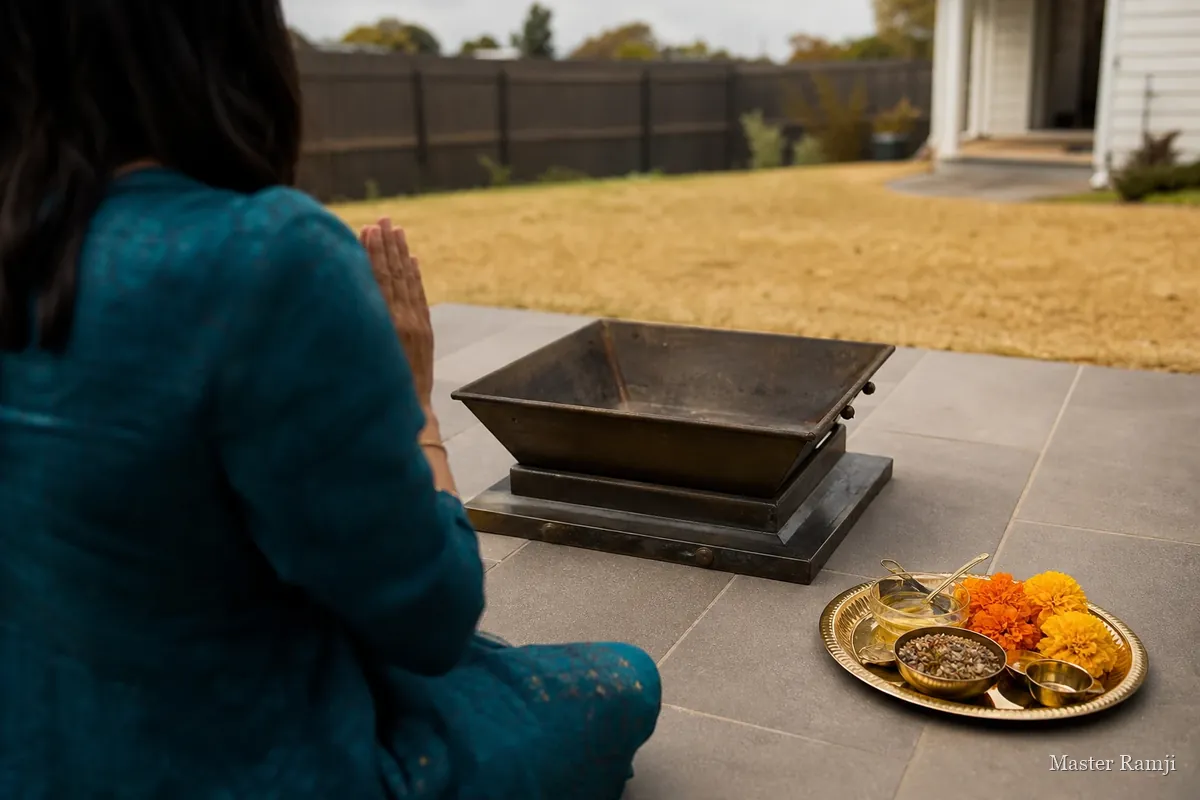
A havan is a Hindu ritual in which offerings are placed into a sacred fire while mantras are recited. This havan service is for people in Melbourne whose home or building can't safely host one, so the rite is performed on your behalf. It is an act of devotion, not a way to secure any outcome.
What is a havan?
A havan, also called a homa, is one of the oldest forms of Hindu worship. A fire is lit in a small pit or vessel, and offerings such as ghee, grains, wood and a herbal mix called samagri are placed into it while mantras are recited. The fire is treated as a messenger, carrying the offerings onward. This practice grew out of the wider Vedic yajna tradition. You can read a short definition of what a havan is, or a longer explanation for second-generation families in what a havan means.
Why can't many Melbourne homes host one?
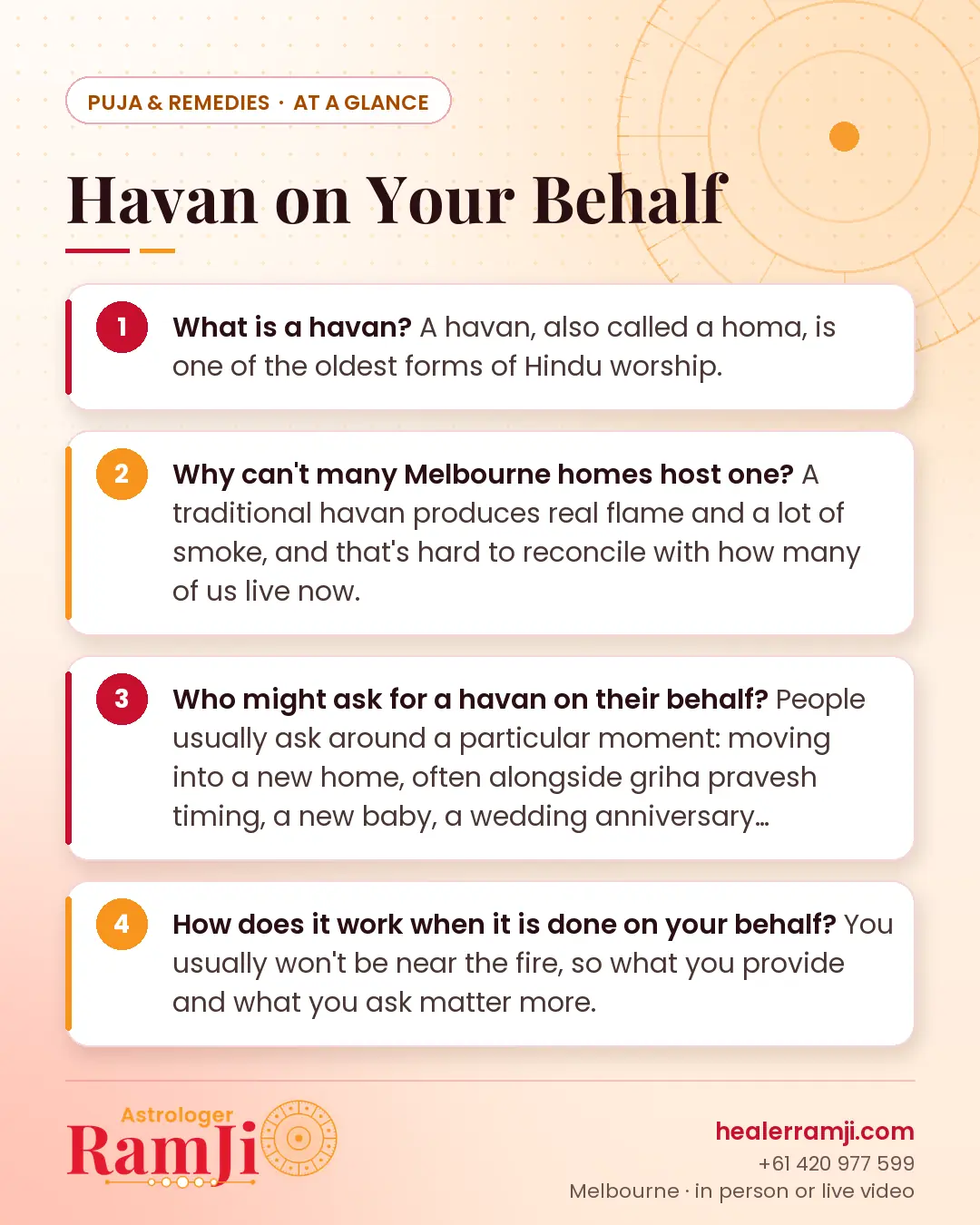
A traditional havan produces real flame and a lot of smoke, and that's hard to reconcile with how many of us live now.
- Apartments. Fire Rescue Victoria lists smoke and fumes from candles and incense among the common causes of false alarms. Fees can apply to a preventable alarm in a building with an automatic system, so a small fire in a living room could bring a truck to the door.
- Owners corporations. Your building's rules may limit fire, smoke or balcony use. Check them before planning anything.
- Rentals. Read your lease, and think about smoke marks and any damage to floors and ceilings.
- Backyards. Some blocks are too small, too close to fences, or too dry in summer. The Country Fire Authority publishes fire danger ratings and total fire ban information, and it's your job to check.
- People in the house. Babies, older relatives and anyone with asthma or a lung condition may not cope well with smoke.
If your place can't host one, that isn't a failure of devotion. Families have long asked a priest or temple to perform rites for them. Our article on outdoor havans on the urban fringe gives a good sense of what's involved where fire danger is a real concern.
Who might ask for a havan on their behalf?
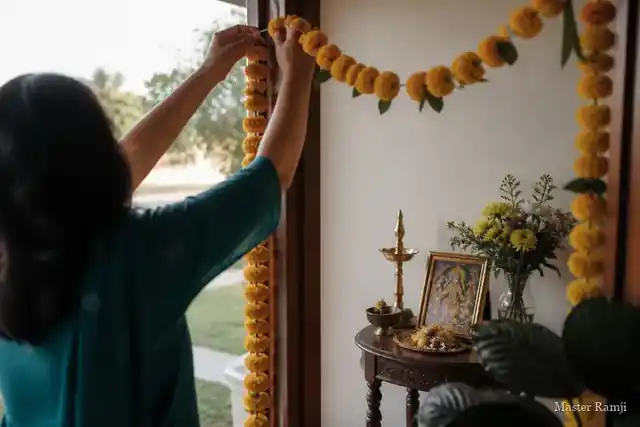
People usually ask around a particular moment: moving into a new home, often alongside griha pravesh timing, a new baby, a wedding anniversary, a remembrance date, thanks for something that went well, or a start after a hard period. Sometimes it's added to a larger rite such as a graha shanti puja. Others live in Melbourne while parents overseas would like something done in the family's name.
How does it work when it is done on your behalf?
You usually won't be near the fire, so what you provide and what you ask matter more. A typical arrangement runs like this:
- You explain the occasion. You will be asked what it's for, and whether your family has a particular form or a preferred date.
- The form is explained. You hear which rite is suggested, which deities or mantras it involves, and why.
- You give your details. Usually names, gotra if known, and sometimes a birth star. Floor plans or photos may be relevant if the rite is connected with a new home.
- A date is set. It may be chosen for its traditional timing. Confirm it in Melbourne time.
- The rite is performed. It usually opens with a sankalp in your name and closes with a final offering and prayers.
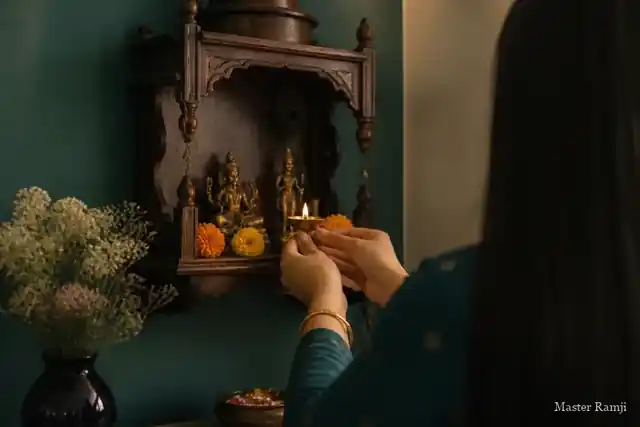
Ask what you will be shown. That includes who performs the rite, where it takes place, and whether you can see or hear any part of it. You don't need to do anything on the day, though many people light a lamp, sit quietly, or play devotional music at home.
What can't a havan do?
It is a form of worship. It can't remove an illness, improve your business or settle a dispute, and tradition's account of what it does has not been established by science. Claims that a home is "purified" in any measurable way should be treated carefully. For a health concern, a lawyer's question or a money problem, get proper advice first.
Be wary of anyone who says a rite went wrong and needs paying for again, or whose quote keeps rising after you've agreed. Larger is not necessarily better, and a modest rite performed with care is a complete rite.
What does it cost?
Ask when you get in touch. Any fee is stated before paid work begins, so ask at the same time what's included.
How do I enquire?
Call or send a WhatsApp message to +61420977599, or use the contact form and mention the occasion and any date in mind. Vijay Ramji is based in Ascot Vale, with appointments arranged in advance, and sessions can be held by phone, WhatsApp or video.
Common questions
Can a havan be held at my place in Melbourne?
Havans are performed on your behalf rather than at your home. If your family wants to hold its own, check your building, your rules and the weather first. Our guide to holding a havan safely at home lists what to check first.
Can I hold one outdoors in my backyard?
Check before you plan anything. Fire restrictions apply in Victoria, and a total fire ban changes what is allowed. Our article on outdoor rituals and local rules covers fire danger days and the permissions to look into.
Do I need to supply the samagri?
Usually not for a rite performed on your behalf. Ask what is used and whether it's included. Our page on what goes into havan samagri explains the ingredients and why they're used.
I live in regional Victoria. Does that change anything?
Not for a rite on your behalf, since your details and intent are what link it to you. See our guide to arranging a puja when no priest is nearby for what to ask.
Is a havan better than a puja without fire?
Not necessarily. Traditions value both, and a lamp, a prayer and a mantra are complete acts of worship. Some families want fire for particular occasions. If yours doesn't, you don't need to feel you are missing something.
Related services
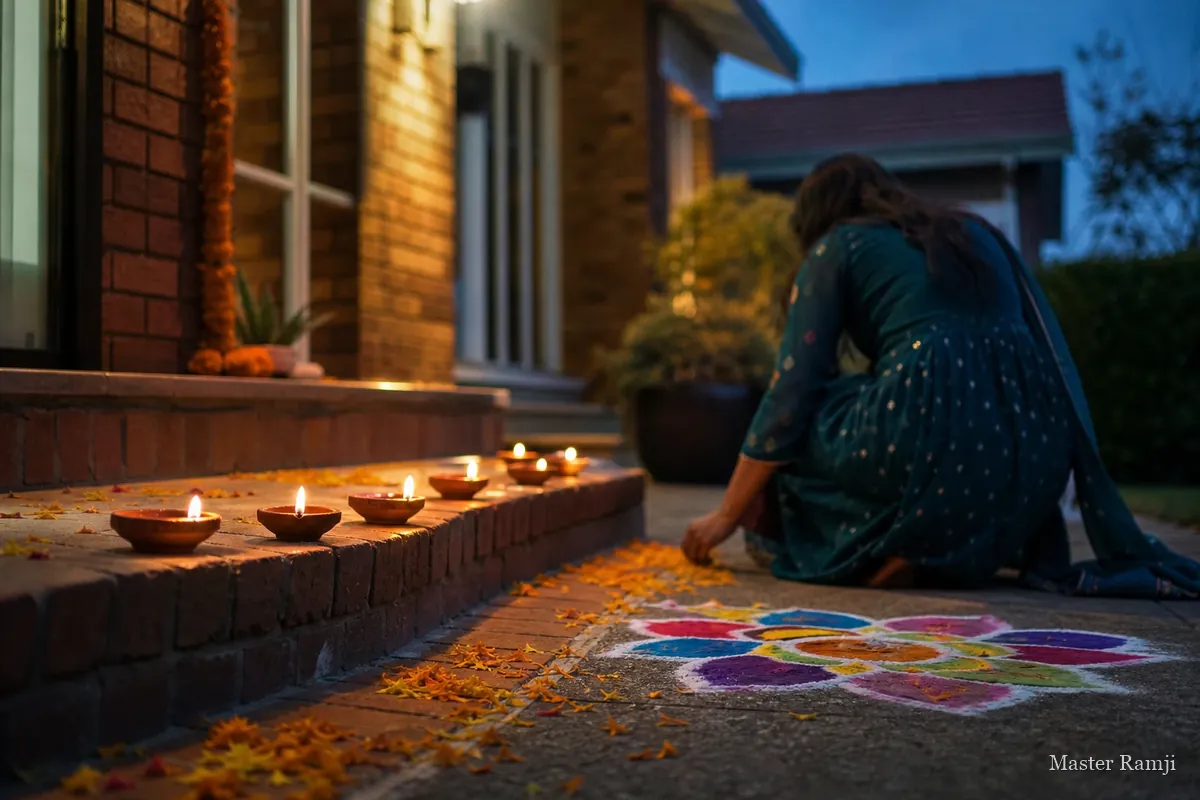
Personal Mantra Remedy Plan
An astrology remedy plan you carry out yourself at little ongoing cost: one mantra, a day and count that suit your life, and simple charity or discipline.
View service →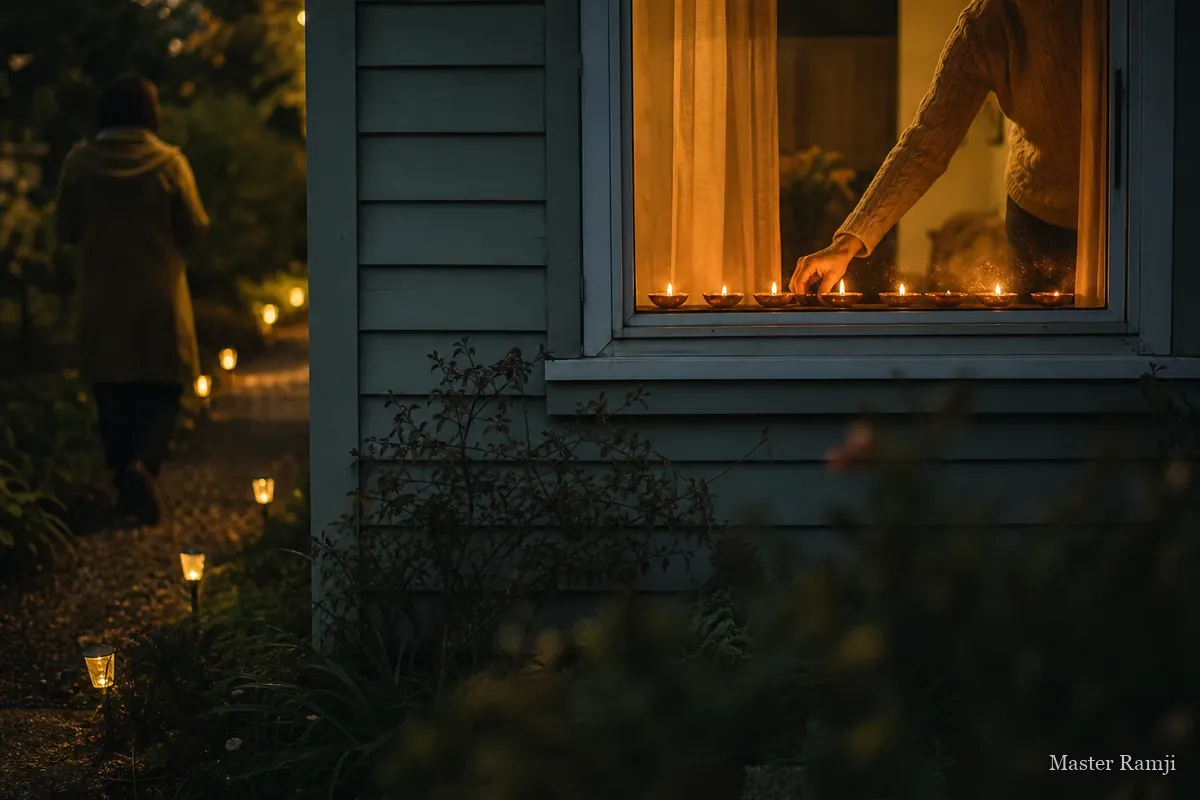
Graha Shanti Puja
A graha shanti puja in Melbourne, performed on your behalf: what is done, what details you give, how you take part from a distance, and what to ask first.
View service →Read more
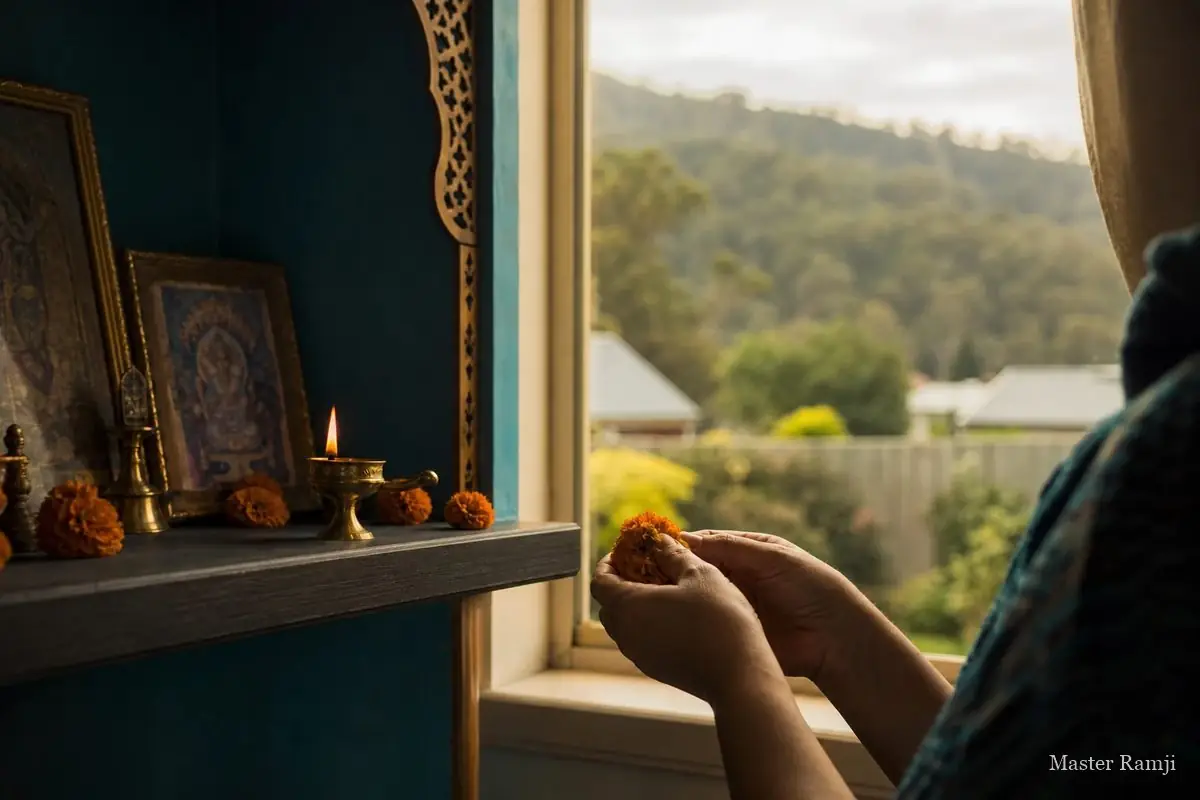
Can You Do a Havan at Home in Melbourne?
Havan at home safety for Melbourne families: setting up the kund, smoke alarms, ghee flare-ups, and the fire restrictions to check before any outdoor havan.
Read article →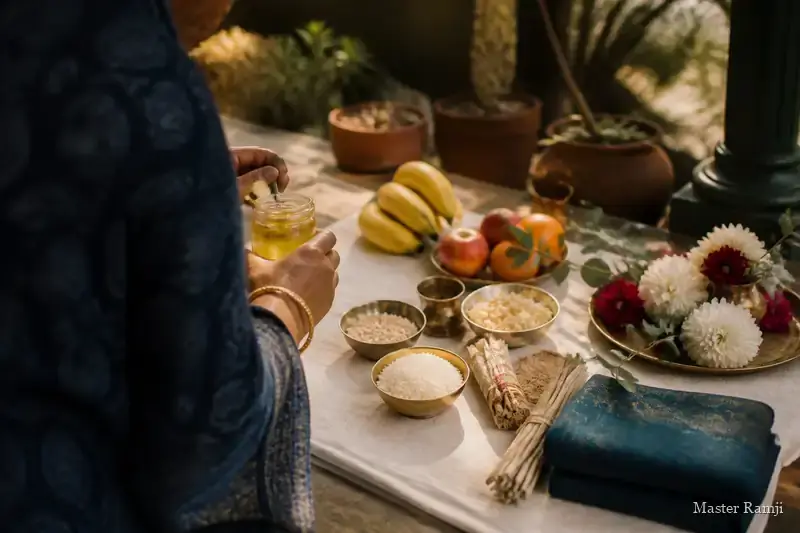
Havan Samagri: What Goes in and Where to Look
A havan samagri list explained: what each ingredient is, why it is offered, how to read a packet, and the biosecurity rules for bringing samagri into Australia.
Read article →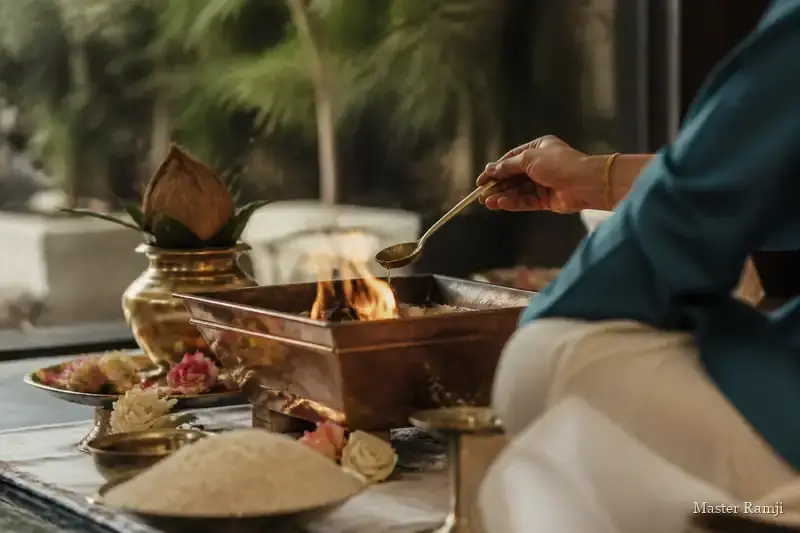
What a Havan Means
What is the meaning of havan? The fire ritual explained for second-generation families: why fire, what svaha means, what the offerings stand for, and how to explain it.
Read article →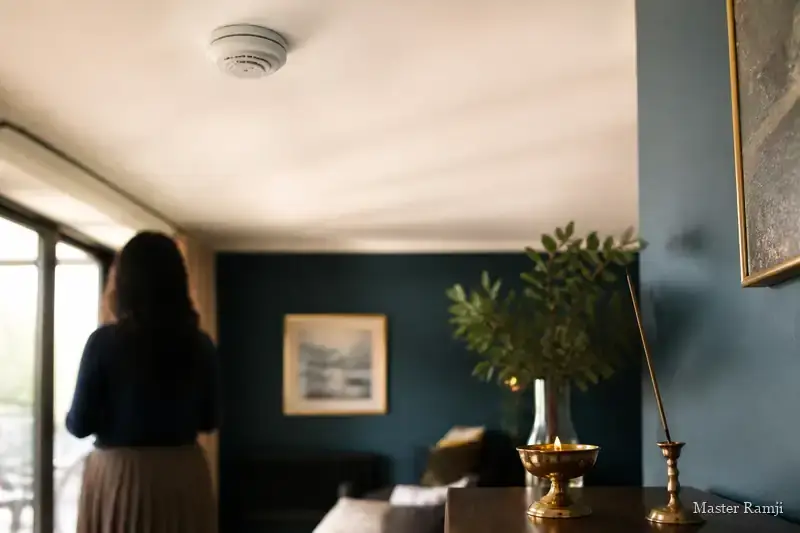
Outdoor Rituals and Local Rules
Planning an outdoor puja, havan, Diwali lamps or a festival fire? The fire danger days, CFA rules and council permissions to check first in Victoria.
Read article →Outdoor Havan in Melton: Check the Fire Danger First
Planning an outdoor havan in Melton? Total Fire Bans, Fire Danger Period rules, permits and safer alternatives, checked against CFA and council advice.
Read article →Quick answers
What is a havan?
A havan is a Hindu fire ritual with offerings such as ghee, grains and herbs, usually led by a priest. Here is what happens and what to check for safety.
Read answer →What is a puja?
A puja is a Hindu act of devotional worship, at home or in a temple, with offerings such as flowers, light and food. Here is what it usually involves.
Read answer →Talk to Vijay Ramji
Tell us what you are facing. If a reading is unlikely to help, you will be told that plainly.