
Havan Samagri: What Goes in and Where to Look
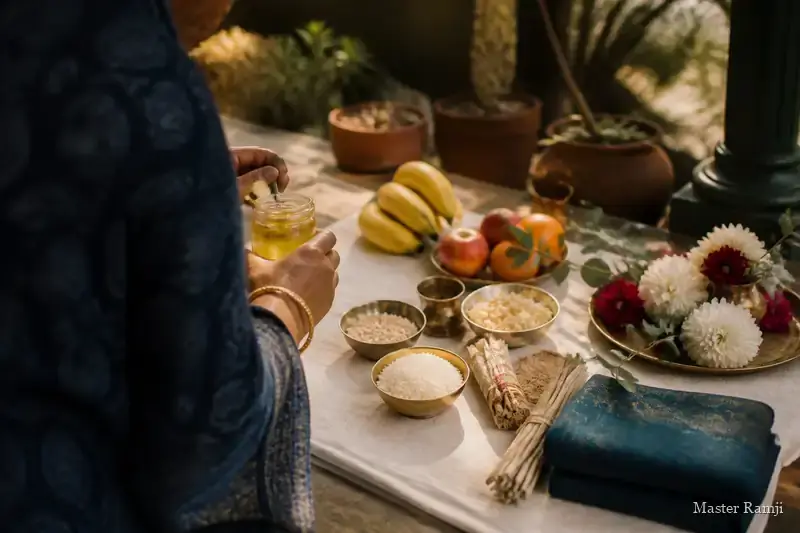
A typical havan samagri list includes ghee, barley, sesame seeds and rice, plus fragrant woods, resins and roots such as sandalwood, guggul and jatamansi, with sugar, dried coconut and samidha wood. Each is offered as something valuable or fragrant. Blends vary by tradition, and imported plant material must be declared in Australia.
Open a packet of havan samagri and you'll find a dark, fragrant mix of chips, seeds, roots and powder. Most people pour it into the fire without knowing what is in it. That is fine for devotion, but it helps to know what you are buying, especially if you are shopping in Australia or thinking about bringing some back from overseas.
This article explains the common ingredients and why tradition offers them, how to judge a packet, where to look, and what Australian biosecurity rules mean for samagri from abroad.
Key takeaways
- Samagri blends vary by region, priest and brand. There is no single official recipe.
- The core offerings are ghee, grains and seeds. Woods, resins and roots add fragrance.
- A simple homemade mix of barley, sesame, rice, sugar and ghee is accepted by many families.
- Herbs, seeds, wood and dairy brought from overseas must be declared. Check the current rules before you travel or order.
What is havan samagri?
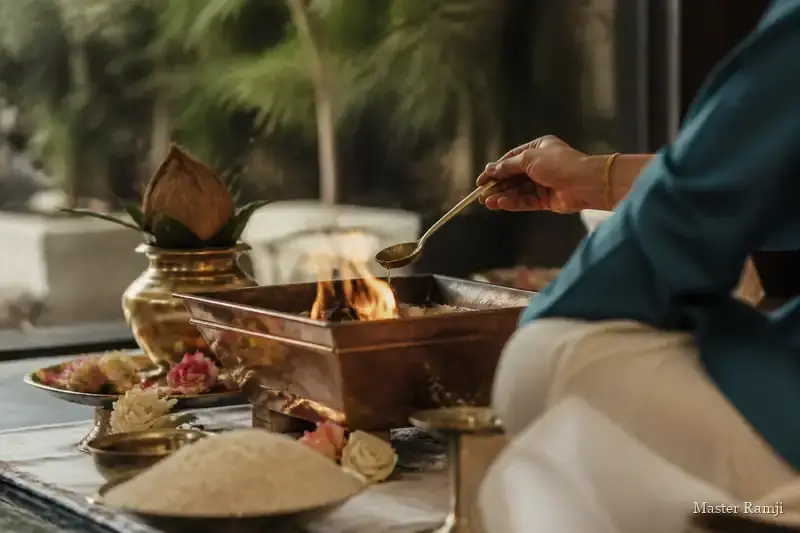
In a havan, also called a homa, offerings are placed into a sacred fire while mantras are recited, often with the sound "svaha". Typical offerings include ghee, milk, grains, seeds, coconut, incense, petals and herbs. Older Vedic sources list milk, ghee, yoghurt, rice and barley among them.
Samagri is the word families use for the ready mix of dry offerings. The fire is treated as a messenger that carries what is offered onward, so the ingredients are chosen as things of value, nourishment or fragrance. Read our short answer on what a havan is for the wider rite.
What goes into a typical havan samagri list?
Packets and priests differ, but these are the ingredients you'll meet most often:
- Ghee. Clarified butter is the central offering in many rites. It feeds the flame and is poured with each mantra.
- Barley (jau). One of the oldest grains named in Vedic ritual, offered as food.
- Sesame seeds (til). Often black sesame, used widely in fire offerings and in rites for ancestors.
- Rice. Uncooked rice, sometimes mixed with turmeric, as a sign of plenty.
- Sugar or jaggery. A sweet offering, sometimes replaced by mishri, a crystallised sugar.
- Dried coconut and dry fruits. Offered as precious foods, particularly at the closing offering.
- Fragrant woods. Sandalwood chips or powder, and sometimes agarwood.
- Resins. Guggul, a gum resin, and loban, or benzoin, give the thick fragrant smoke many people associate with a havan.
- Roots and herbs. Jatamansi, nagarmotha and kapur kachri are common in packaged blends for their scent.
- Samidha. Small sticks of wood to build the fire. Mango wood is common, and some rites use particular woods, including one associated with each of the nine planets.
- Camphor. Used to light the fire, not usually as an offering.
Some sellers claim that samagri smoke purifies the air or treats illness. Those claims are not established. Smoke is smoke, and people with asthma, babies and older relatives may not cope well with it.
Why are these ingredients used?
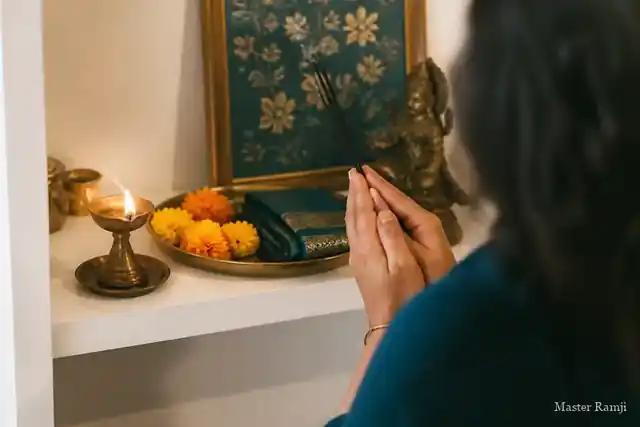
Tradition gives layered reasons. Grains, ghee and sweets are food, offered as one would feed an honoured guest. Woods and resins are offered for their fragrance, which many traditions treat as a gift in itself. Some ingredients have links to Ayurveda or to particular deities and planets. Regional customs add their own items, such as flowers or herbs local to a family's home state.
The meaning comes from the offering and the intention. A small handful offered with attention is a complete offering. A larger, costlier mix is not more powerful.
How do you judge a packet?
- Read the ingredients. A good packet lists them. Be cautious of vague labels or added perfume oils.
- Check it is dry and clean. Mould, clumping, insects or a sour smell mean it has been stored badly.
- Check the date. Fragrant roots and resins fade over time.
- Think about allergies. Nuts, seeds and some herbs can trouble sensitive people.
Store samagri sealed, in a cool, dry cupboard, away from children and pets.

Where can you find samagri in Australia?
Indian grocery stores and puja supply shops in most large cities stock packaged samagri, along with ghee, camphor and samidha. Some temples have a small shop or can tell you where their priests source supplies, so ask yours. Online sellers based in Australia are another option. If a priest is leading your rite, ask what they will bring before you buy anything.
For a sense of what a puja shopping list really needs, our guide to shopping for puja items in Little India is a practical read. You can also make a simple mix from a supermarket: barley, black sesame, rice, sugar and ghee. Many families have always used a mix like this.
Can you bring samagri into Australia from overseas?
Australia has strict biosecurity laws, and samagri is made almost entirely of plant material. The federal Department of Agriculture's traveller guidance lists herbs, seeds, wooden articles and dairy products among the goods you must declare when you arrive. It also says that if you are unsure, you should declare it, and that you won't be penalised under the Biosecurity Act if you declare and present all your goods, even ones that aren't allowed in.
Declared items may be inspected and released, treated at your cost, sent back or destroyed. All seeds, including sesame and barley, must be declared, and many need a permit or treatment or are not allowed in at all. Parcels and online orders from overseas are screened too.
Rules change, and conditions depend on the exact item. Before you pack samagri, ghee or puja wood, or order from an overseas seller, check the department's website at agriculture.gov.au, including its online import conditions system. In most cases, buying locally is simpler.
How do you use it safely?
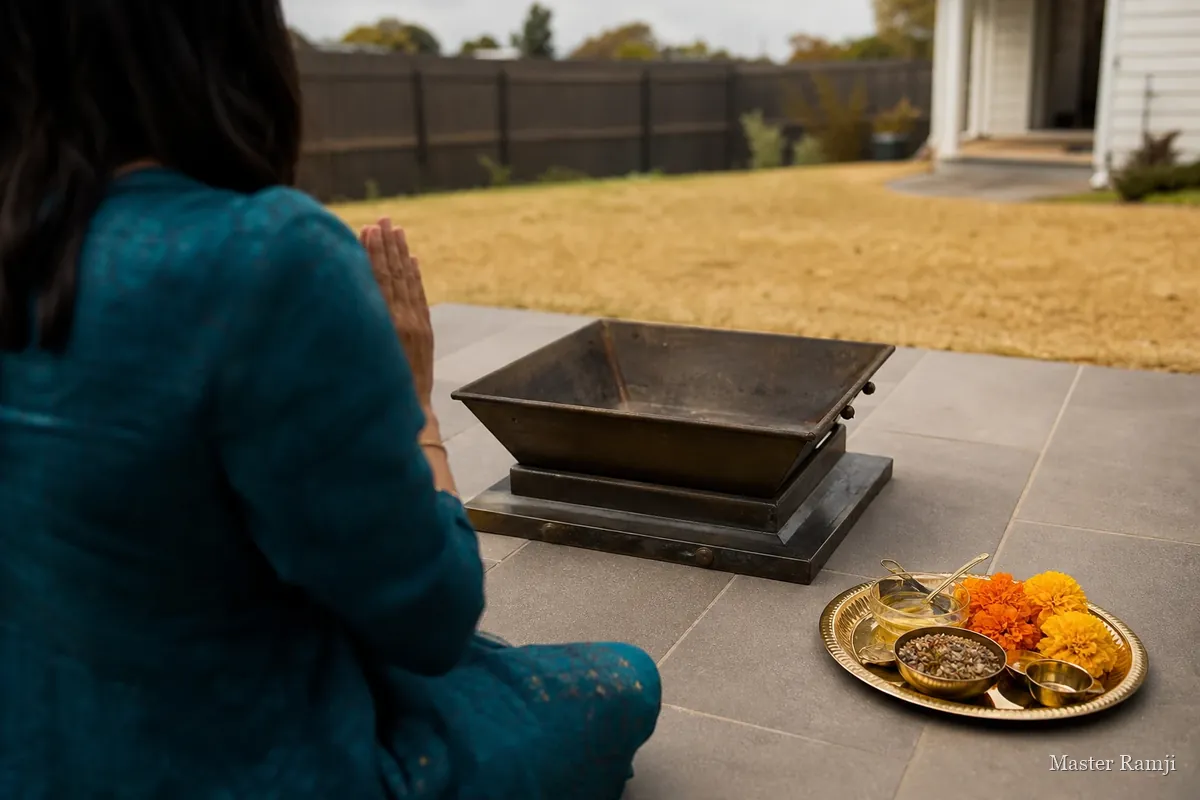
Real fire needs real care. CFA advises keeping flames and incense at least a metre from anything that can burn and never leaving them unattended. Keep a bucket of water nearby, keep the kund small, and check fire restrictions before any outdoor havan. Our article on doing a havan at home in Melbourne goes through smoke alarms, apartments and fire danger days.
When it is over, let the ash cool completely. Many families place it in the garden. Please don't tip ash or offerings into a creek or stormwater drain, and ask your priest or temple about anything you're unsure of.
What if you can't hold a havan at home?
Many homes can't safely host a fire, and that isn't a failure of devotion. A havan performed on your behalf is one way families take part, and the samagri is usually supplied. A havan is an act of worship. It can't secure an outcome, and any fee is stated before paid work begins. Sessions can be held by phone, WhatsApp or video. To ask about one, get in touch.
Related service
Keep reading
What a Havan Means
What is the meaning of havan? The fire ritual explained for second-generation families: why fire, what svaha means, what the offerings stand for, and how to explain it.
Read article →
Outdoor Rituals and Local Rules
Planning an outdoor puja, havan, Diwali lamps or a festival fire? The fire danger days, CFA rules and council permissions to check first in Victoria.
Read article →
Why Mantra Counts Are 108
Why mantras are chanted 108 times, where the number comes from, how a mala is counted, and whether a smaller count you keep up is just as worthwhile.
Read article →Quick answers
What is a havan?
A havan is a Hindu fire ritual with offerings such as ghee, grains and herbs, usually led by a priest. Here is what happens and what to check for safety.
Read answer →What is a puja?
A puja is a Hindu act of devotional worship, at home or in a temple, with offerings such as flowers, light and food. Here is what it usually involves.
Read answer →Talk to Vijay Ramji
Tell us what you are facing. If a reading is unlikely to help, you will be told that plainly.