
What a Havan Means
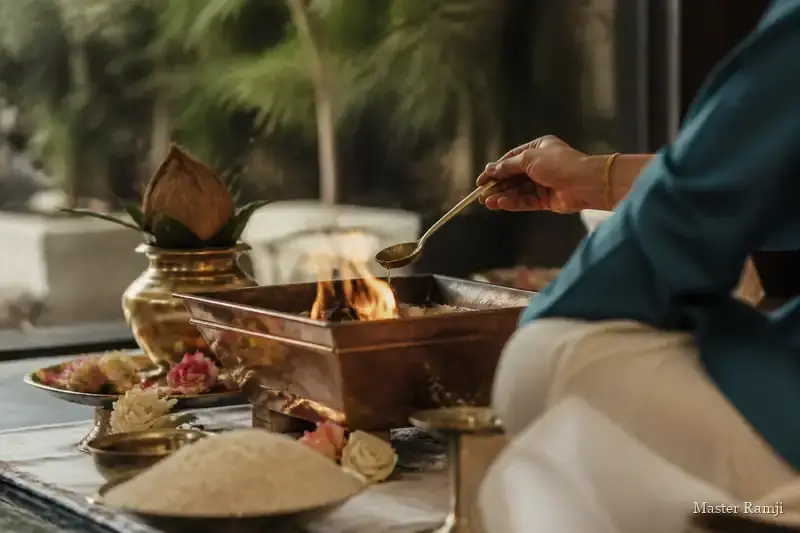
The meaning of havan, in Hindu tradition, is an offering made through fire. Ghee, grains and herbs are placed into a sacred fire while mantras are chanted, and the fire, Agni, is treated as the messenger that carries the offering onward. Many families also see it as a lesson in giving without holding on.
If you grew up in an Indian family in Australia, you have probably sat beside a havan at a wedding, a housewarming or a naming day. There was smoke in your eyes, a priest chanting quickly, and a moment when everyone said "svaha" and tossed a pinch of samagri into the fire. You joined in. Nobody necessarily explained why.
This article is for that second generation, and for parents trying to explain the ritual to children raised here. It covers what the havan means, what the words and offerings stand for, and how to talk about it honestly.
Key takeaways
- A havan, or homa, is an offering made through fire, one of the oldest forms of Hindu worship.
- The fire is treated as a messenger that carries offerings onward, not as the one being worshipped for its own sake.
- Phrases such as "svaha" and "idam na mama" express offering and letting go.
- Its meaning is a matter of faith. It isn't a health treatment or a way to secure outcomes.
What does the word havan mean?
Havan and homa are close relatives, and many families use them interchangeably. Homa comes from a Sanskrit root that means to pour into the fire, or to offer. Descriptions of the homa ritual note that it is usually performed by a priest for a household on a special occasion, while the word yajna is sometimes kept for larger public fire rituals. In short, a havan is a household fire offering.
Why is fire at the centre?
In Vedic thought, Agni, the fire, is the go-between linking people and the gods. Offerings placed in the fire are believed to be carried onward by it. That's why a homa is often described as a votive rite more than a sacrifice. The fire is the means of giving, not the end of it. The importance of Agni goes back a long way: the very first hymn of the Rigveda is addressed to him.
There's also a simple, visible logic many people appreciate. What goes into the fire is transformed into light, heat and rising smoke. You can watch your offering leave your hands and change. For a child, that's often the easiest way into the idea.
What do "svaha" and "idam na mama" mean?
"Svaha" is said as each offering goes into the fire. It is often explained as meaning "well offered" or "so be it", though scholars give different accounts of where the word comes from. In later stories, Svaha is also the name of Agni's consort.
In many havans, especially those following Arya Samaj practice, each offering ends with "idam na mama", meaning "this is not mine". It's a striking phrase. You give something and, in the same breath, say you have no claim on it. Many teachers treat this as the heart of the ritual: a practice in giving without expecting a return.
Traditions don't all frame it the same way. Some older descriptions present the fire offering as an exchange with the gods, while devotional and reform movements emphasise surrender and gratitude. Both readings exist side by side, and families tend to inherit one or the other.
What are the offerings, and what do they stand for?
- Ghee. Clarified butter is the classic offering. It feeds the flame and is linked with purity and nourishment.
- Samagri. A mix of herbs, grains, seeds and fragrant woods. Recipes vary by family and occasion. Our guide to what goes into havan samagri lists common ingredients.
- Samidha. Small sticks of wood, often mango, that build the fire.
- Rice, sesame and sweets. Everyday foods, offered as a sign that ordinary life is being shared.
The rite usually closes with purnahuti, the final full offering. In many families this includes a coconut wrapped in red thread.
What happens during a havan?
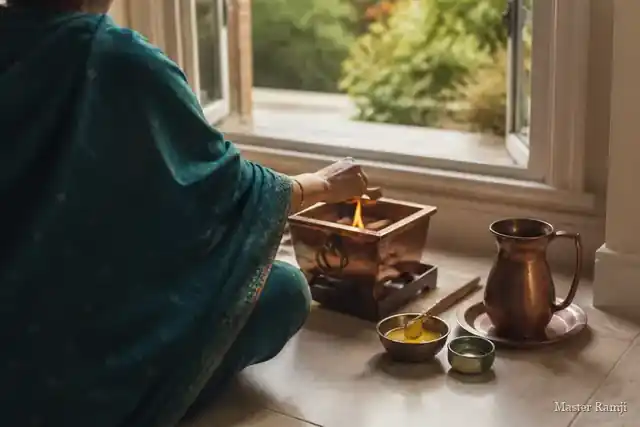
Steps vary, but a household havan often runs like this. Participants sip water and purify their hands. The priest states a sankalp, the intention of the rite, often including family names. The fire is lit in a metal or brick kund. Offerings follow with each mantra, then the purnahuti, then arati, and finally prasad for everyone.
At weddings, the fire plays a further role. The couple walk around it as a witness to their vows, which is why many families feel a wedding isn't complete without a sacred fire. The same basic pattern appears at many life-cycle ceremonies, from naming days to housewarmings.
How can parents explain it to children?
- Keep it simple. "We're saying thank you by giving something, and the fire carries our thanks."
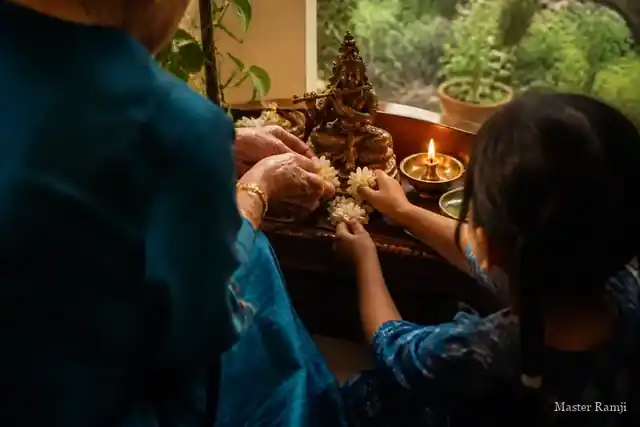
- Let them take part. A child can place a pinch of samagri when everyone says svaha, with an adult beside them.
- Translate a line. Explaining "idam na mama" often lands well with older children and teenagers.
- Welcome questions. "Why do we do this?" is a good question. "Different families believe different things" is an honest answer.
Our guide to teaching puja to children raised in Australia has more ideas.
What isn't a havan?
It's worship, not a technology. Claims that havan smoke disinfects a home or cures illness circulate widely online. They aren't established, and smoke can irritate the lungs of babies, older relatives and anyone with asthma. A havan also can't fix a legal problem, a debt or a relationship. For those, get proper advice.
Smoke matters practically too. Fire Rescue Victoria lists smoke from candles and incense among the common causes of false fire alarms, and fees can apply. If you're thinking of holding one, read whether a havan can be held safely at home first.
Can you join in if you're unsure what you believe?
Yes. Many people sit at a havan for family reasons, out of respect, or because they enjoy the sense of belonging, without being sure about the theology. Taking part quietly and respectfully is welcome in most families. You can also ask the priest afterwards what a mantra meant. Many are glad to explain.
Would a havan on your behalf suit you?
If your home or building can't host a fire, a havan performed on your behalf is one way to mark an occasion, with the form and meaning explained beforehand. Fees are stated before any paid work, and sessions can be held by phone, WhatsApp or video. For a quick definition, see what a havan is. When you're ready, get in touch.
Related service
Keep reading

Outdoor Rituals and Local Rules
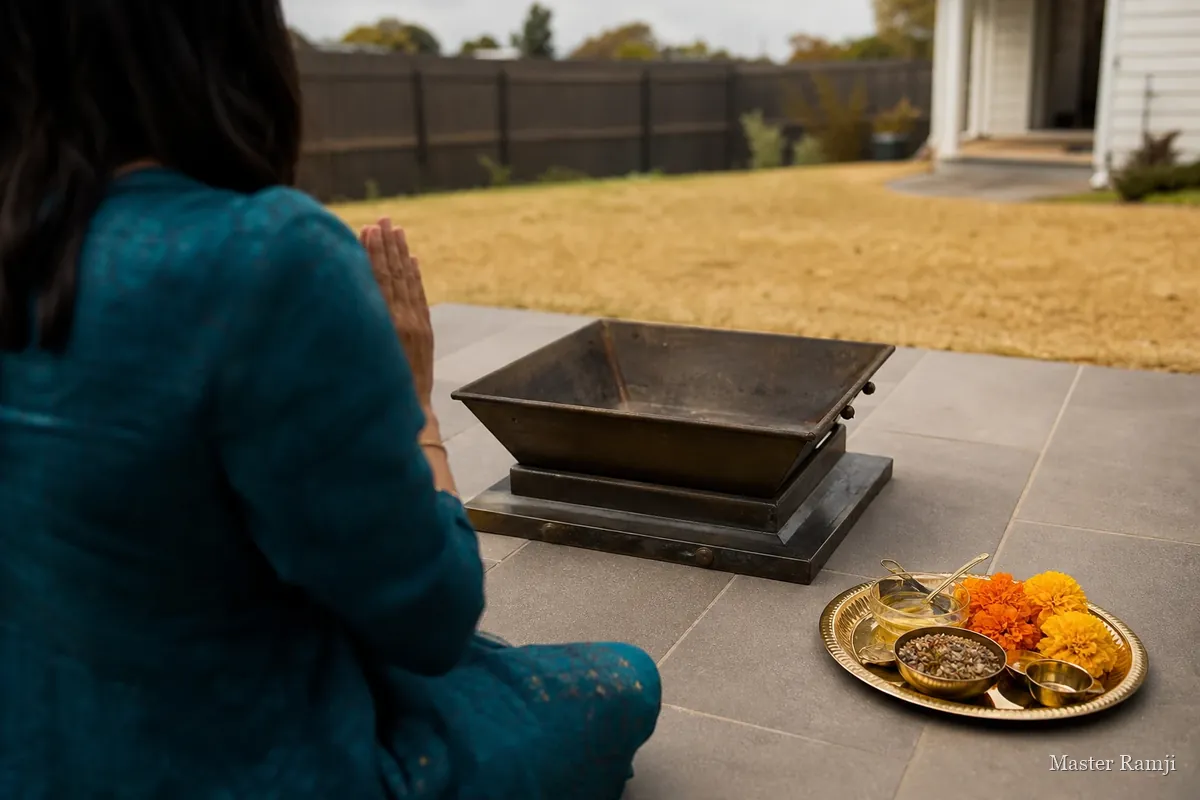
Planning an outdoor puja, havan, Diwali lamps or a festival fire? The fire danger days, CFA rules and council permissions to check first in Victoria.
Read article →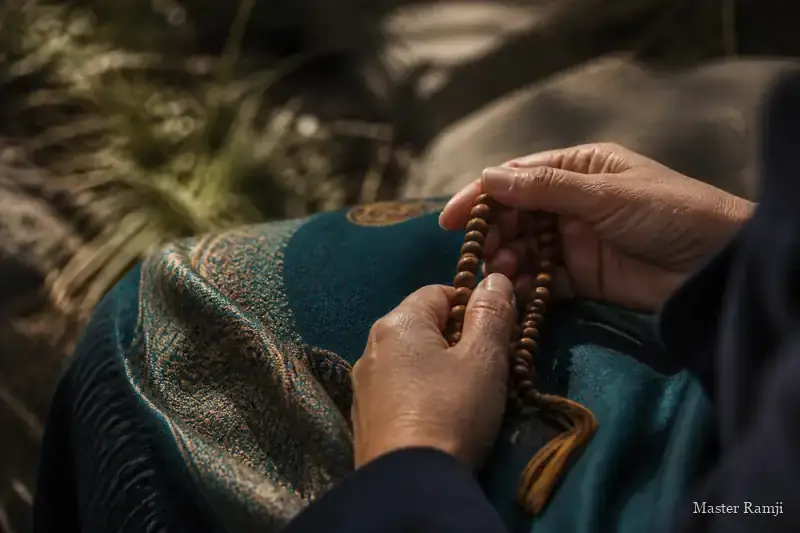
Why Mantra Counts Are 108
Why mantras are chanted 108 times, where the number comes from, how a mala is counted, and whether a smaller count you keep up is just as worthwhile.
Read article →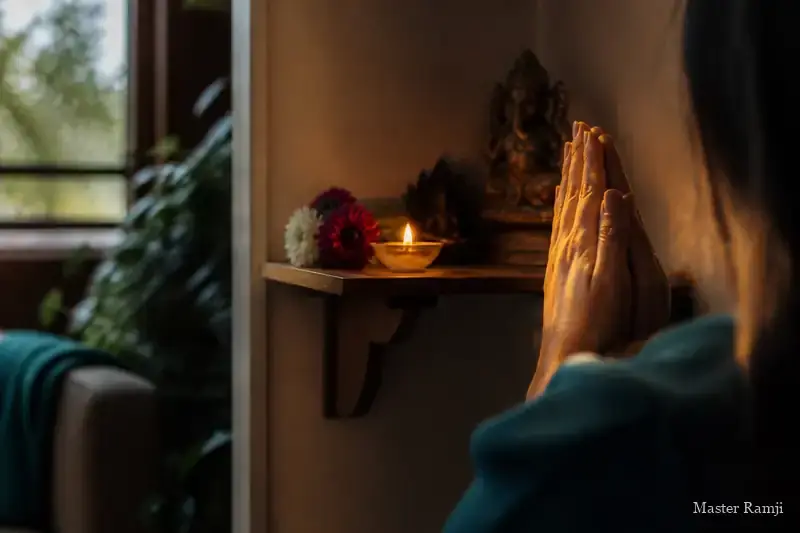
Astrology Remedies That Cost Nothing
Free astrology remedies from the tradition itself: prayer and mantra, giving time, daily discipline and optional fasting, with the planets each is linked to.
Read article →Quick answers
What is a havan?
A havan is a Hindu fire ritual with offerings such as ghee, grains and herbs, usually led by a priest. Here is what happens and what to check for safety.
Read answer →What is a puja?
A puja is a Hindu act of devotional worship, at home or in a temple, with offerings such as flowers, light and food. Here is what it usually involves.
Read answer →Talk to Vijay Ramji
Tell us what you are facing. If a reading is unlikely to help, you will be told that plainly.