
What is a havan?
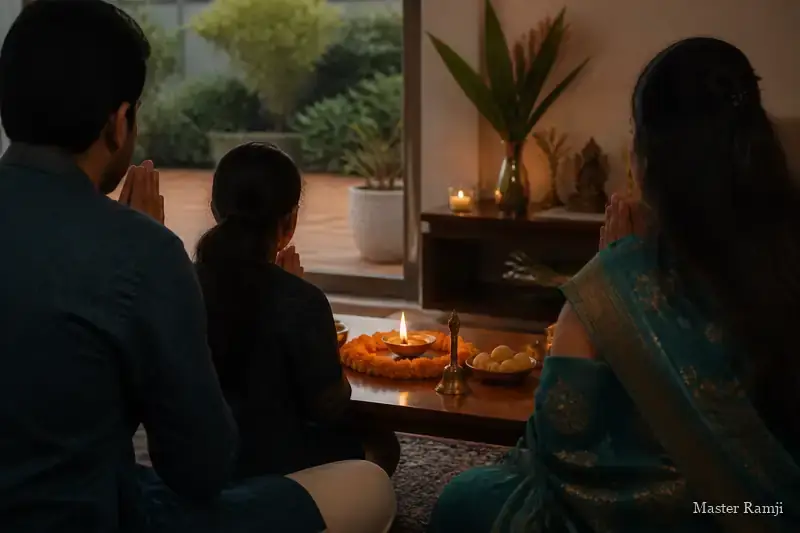
A havan, also called a homa, is a Hindu fire ritual in which offerings such as ghee, grains and herbs are placed into a sacred fire while mantras are chanted. Families often hold one for a wedding, a house entry or another important occasion, usually with a priest leading.
The fire itself is treated as the agent that takes in the offerings, which is why a homa is often described as a votive rite more than a sacrifice. The related word yajna is sometimes kept for larger public fire rituals.

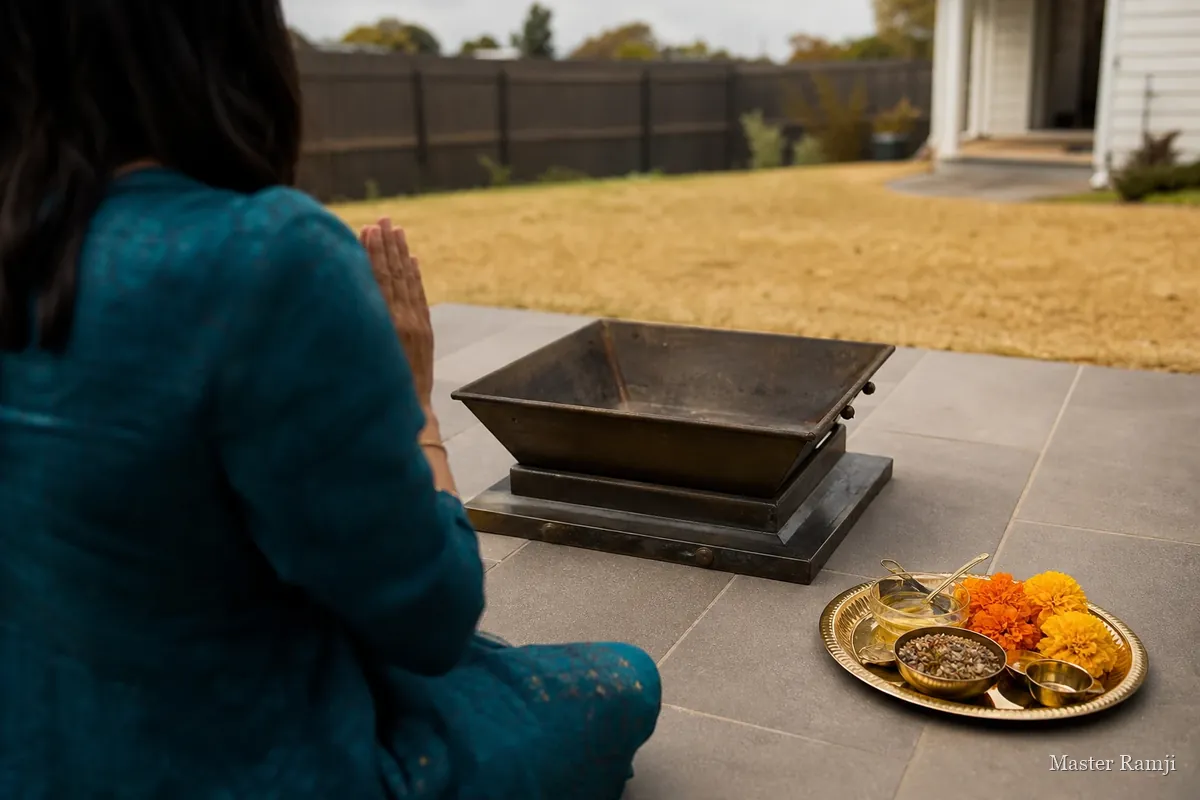
A small fire is usually lit in a metal or brick container called a kund. Offerings follow with each mantra, and the rite closes with prayers and often shared food. Steps vary by family and occasion.
Real fire brings real risks, so check these before you plan one:
- Indoors: Smoke can set off alarms, and many apartments and rentals can't host a fire. Check your lease or owners corporation rules.
- Outdoors: Check the fire danger and any Total Fire Ban with CFA, and ask your council about local rules.
- Always: Keep water close and never leave the fire unattended.

The meaning of a havan is a matter of faith, and it can't treat illness or settle a legal or money problem. Our article on doing a havan at home in Melbourne covers the practical side. If your building can't host one, a havan on your behalf is another way some families take part.
Related service
Read more
More quick answers
What is Pitra dosh?
Pitra dosh is an astrological idea about ancestral karma in a birth chart. Here is what astrologers look for, and why it need not be a cause for fear.
Read answer →Do astrology remedies have to cost money?
Astrology remedies don't have to cost money. Many traditional ones are free, such as mantra and service. Here is when a fee is fair and when to walk away.
Read answer →Talk to Vijay Ramji
Tell us what you are facing. If a reading is unlikely to help, you will be told that plainly.