
Can You Do a Havan at Home in Melbourne?
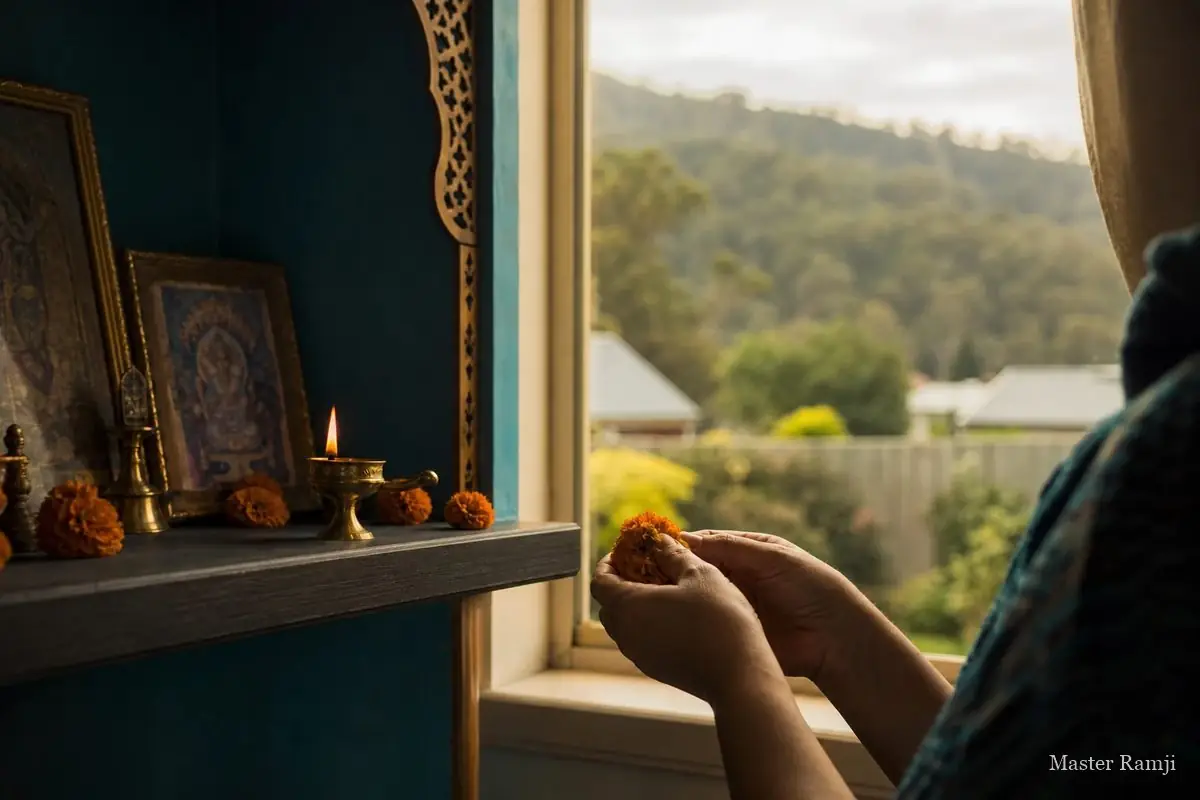
Many families can hold a small havan at home safely with planning: a metal kund on a heat-proof base, a ventilated room, one metre of clear space, an adult watching at all times and a fire blanket nearby. Never cover a smoke alarm. Outdoors, check Fire Danger Period and Total Fire Ban rules first.
For many Hindu families, a havan marks the moments that matter: a housewarming, a birthday, a child's naming, the anniversary of a parent's passing. In India, it might be held in a courtyard or on a rooftop. In Melbourne, it is more likely to be a lounge room with a smoke alarm on the ceiling, carpet underfoot and a toddler nearby.
A havan at home is often possible. It just needs the same care you would give any open fire indoors. This page covers the set-up, the smoke, the risks people overlook, and the rules to check before you take the fire outside.
Key takeaways
- Keep the fire small, contained in a metal kund on a heat-proof base, and never leave it unattended.
- Never cover, remove or switch off a smoke alarm for a ritual.
- Ghee can flare. Don't throw water on a burning ghee or oil fire.
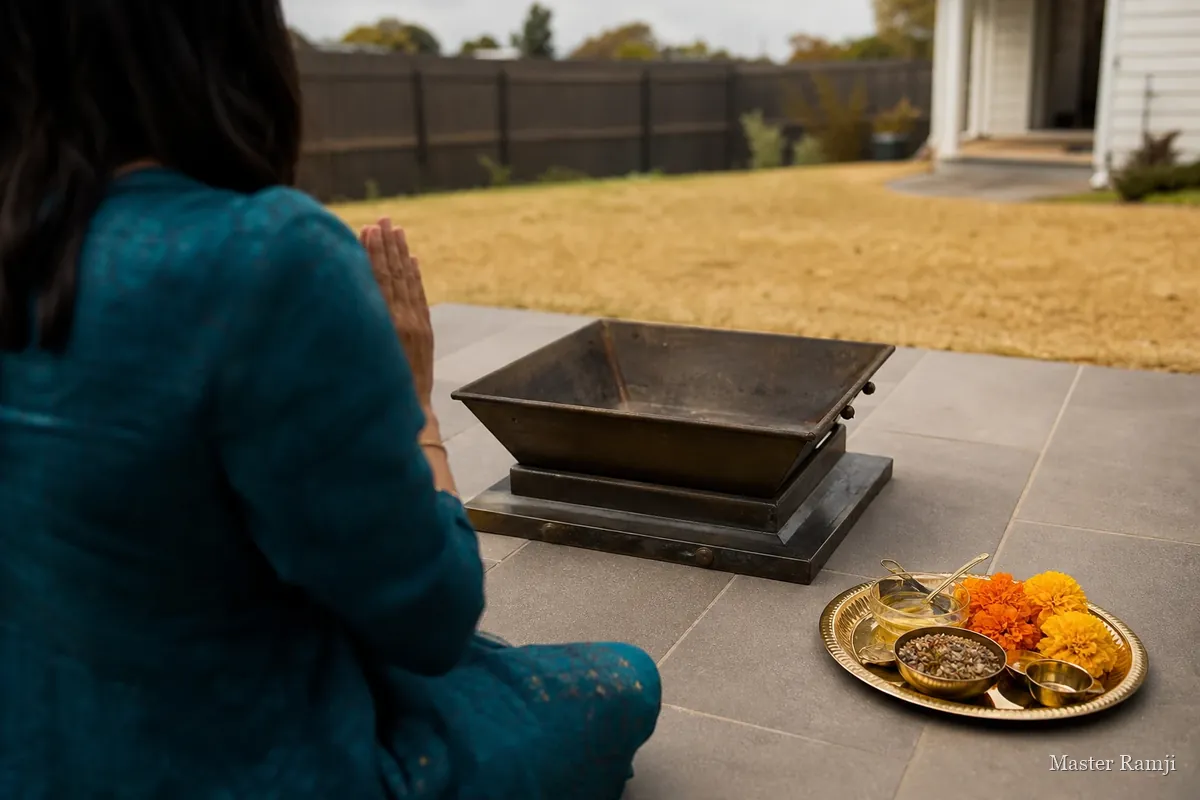
- A backyard, pergola or patio counts as the open air, so outdoor fire restrictions can apply.
Can you do a havan inside your home?
In a freestanding house with a well-ventilated room, many families do. In an apartment or a townhouse with a shared fire system, it is usually a poor idea, because smoke can set off the building alarm and affect your neighbours. Renters should also check their lease, and owners in strata buildings should check the owners corporation rules.
Think about who is in the house too. Babies, older relatives and anyone with asthma or a lung condition may find the smoke hard to cope with. If that applies, a lamp puja or a havan held elsewhere may be kinder.
How should you set up the havan kund?
A safe set-up starts before anyone lights a match:
- Choose the room. Pick the largest room with windows you can open, away from curtains, bookshelves and soft furnishings.
- Use a proper kund. A metal or brick kund is safest. Stand it on a heat-proof base such as tiles, a metal tray or a layer of bricks, never directly on carpet or timber.
- Clear the space. The CFA's advice for candles and incense is to keep anything that can easily burn at least one metre away. Apply that to the kund, including garlands, cushions and paper.
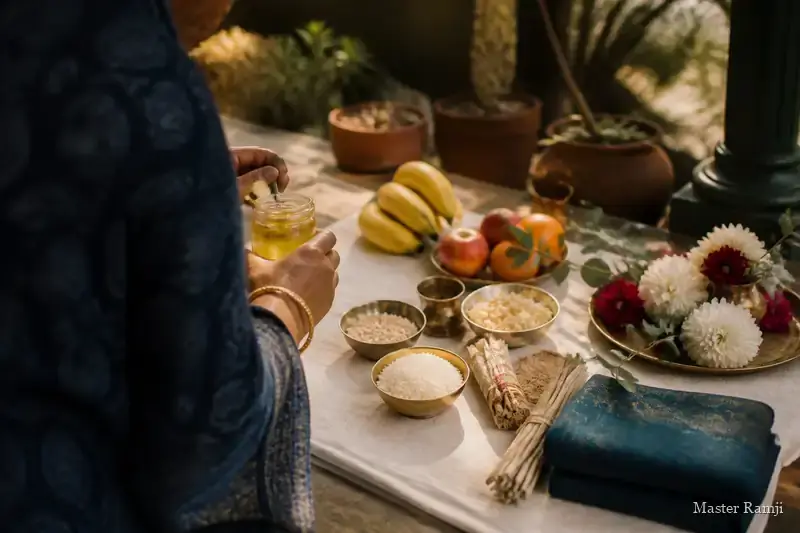
- Keep it small. Use thin, dry sticks or a few pieces of mango wood and a modest amount of samagri. Our guide to what goes into havan samagri explains the ingredients.
- Have safety gear within reach. A fire blanket, a large metal lid or tray, and a bucket of water or sand.
What are the risks people overlook?
Most havans pass without trouble. When something does go wrong, it is usually one of these:
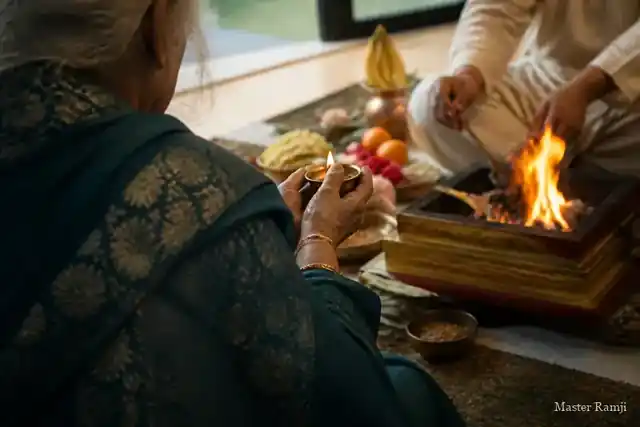
- Ghee flare-ups. Pouring a lot of ghee at once can make the fire jump. Offer it a spoonful at a time. If burning ghee spills, don't use water. The CFA's kitchen fire advice warns that water on an oil or grease fire can spray burning oil everywhere. Smother it with a fire blanket or metal lid instead.
- Loose clothing. Saree pallus, dupattas and long sleeves sit close to the fire when people make offerings. The CFA advises keeping hair and loose clothing away from flames.
- Children. Little ones are drawn to fire. The CFA says never to leave children alone near an open flame, so give one adult the job of watching them.
- Hot ash. Ash and coals can stay hot for hours. Let the kund cool completely, then put the ash in a metal container, never a plastic bin.
- Camphor. The Victorian Poisons Information Centre at Austin Health warns that swallowing even a small part of a camphor block is potentially fatal, and advises not keeping camphor blocks at home at all. If your family still uses it for aarti, never leave tablets on the floor, the plate or anywhere a child can reach. If a child may have swallowed some, call the Poisons Information Centre on 13 11 26 straight away.
If the fire grows beyond what you can control, get everyone out and call triple zero (000).
Will a havan set off the smoke alarm?
It may. Fire Rescue Victoria lists smoke and fumes from candles and incense, along with poor ventilation, among common causes of false alarms. A havan makes far more smoke than a stick of incense.
Open windows before you begin and keep the fire small. Don't cover, tape over or take the battery out of an alarm, even for an hour. Consumer Affairs Victoria says renters must not deactivate or interfere with a smoke alarm in any way. A working alarm is there for the night after the havan too, when tired guests have gone home and ash is still cooling.
What rules apply to a havan outdoors?
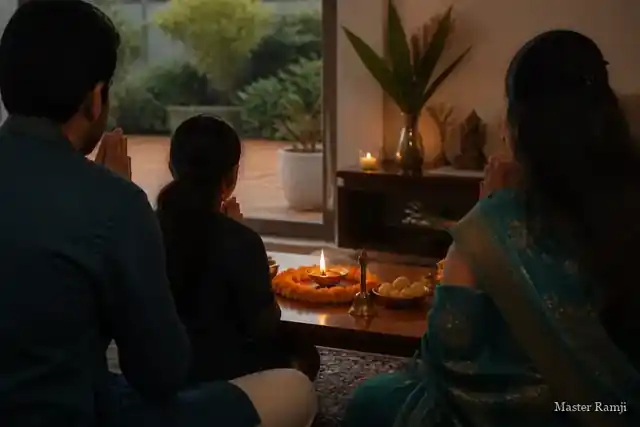
Moving the havan outside doesn't make it rule-free. CFA's "Can I or can't I?" page defines the open air as anywhere that is not inside a permanent structure with a roof and fully enclosed walls. A pergola, carport or open patio still counts.
- Total Fire Ban days. CFA's page says campfires and fires for warmth or comfort, including fire pits and braziers, are banned on these days, and so is outdoor cooking with solid fuel. Plan on no outdoor havan on a Total Fire Ban day.
- The Fire Danger Period. CFA declares this by municipality in warmer months. CFA's guidance doesn't mention havans by name, so don't assume you can follow the rules written for barbecues or fire pits. Ask CFA, FRV or your council.
- Council local laws. CFA notes that many councils have local laws restricting burning off on certain days or in certain places. Ask your council whether its rules cover a small ceremonial fire, even outside fire season.
Restrictions change from season to season, so check on the day itself. For a closer look at one outer-suburban council area, see our guide to an outdoor havan and fire danger rules.
What if your home can't host a havan?
That isn't a failure of devotion. A lamp, flowers and mantras make a complete puja in many traditions. You could also hold the havan at a temple that allows it, at a relative's home that suits a fire better, or arrange a havan performed on your behalf, which many families use when their building or the season rules out a fire.
For a quick definition of the rite itself, see what a havan is. A havan is an act of faith. It can't treat illness or settle a legal or money problem, and no rite is worth a burn, a fire or a trip to hospital.
If you would like help deciding which option suits your home and occasion, sessions can be held by phone, WhatsApp or video, and fees are stated before any paid work. Get in touch when you have a date in mind.
Related service
Keep reading
Havan Samagri: What Goes in and Where to Look
A havan samagri list explained: what each ingredient is, why it is offered, how to read a packet, and the biosecurity rules for bringing samagri into Australia.
Read article →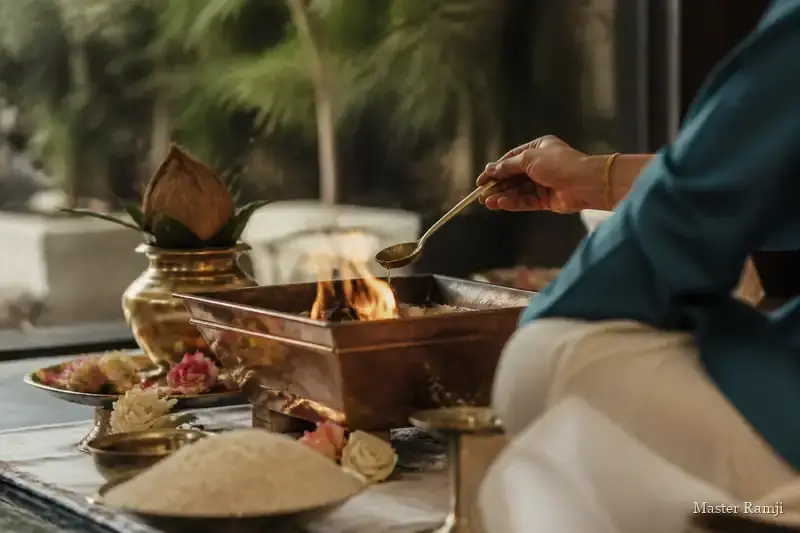
What a Havan Means
What is the meaning of havan? The fire ritual explained for second-generation families: why fire, what svaha means, what the offerings stand for, and how to explain it.
Read article →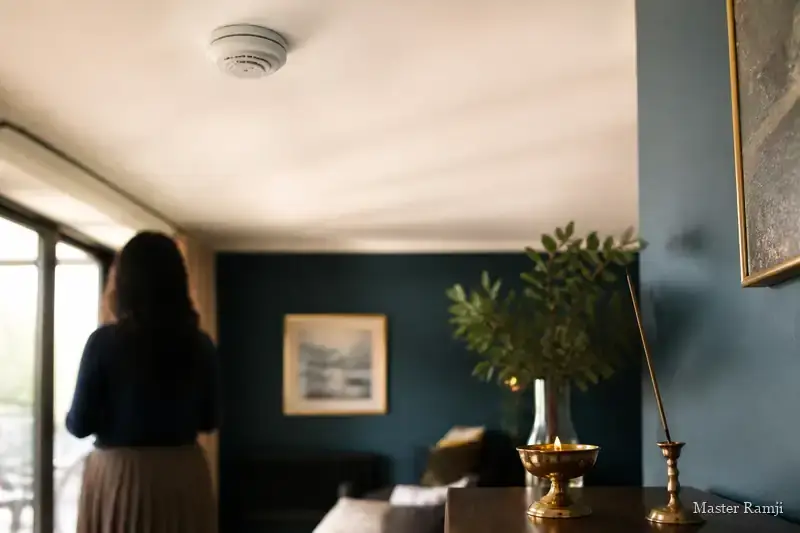
Outdoor Rituals and Local Rules
Planning an outdoor puja, havan, Diwali lamps or a festival fire? The fire danger days, CFA rules and council permissions to check first in Victoria.
Read article →Quick answers
What is a havan?
A havan is a Hindu fire ritual with offerings such as ghee, grains and herbs, usually led by a priest. Here is what happens and what to check for safety.
Read answer →What is a puja?
A puja is a Hindu act of devotional worship, at home or in a temple, with offerings such as flowers, light and food. Here is what it usually involves.
Read answer →Talk to Vijay Ramji
Tell us what you are facing. If a reading is unlikely to help, you will be told that plainly.