
Teaching Puja to Children Raised in Australia
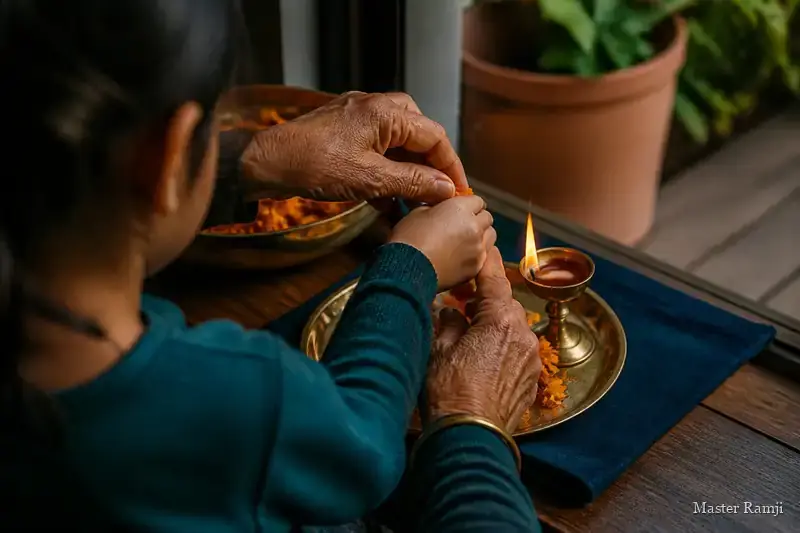
Teaching Hindu rituals to children works best when you explain the meaning behind each step, not just the steps. Treat puja as welcoming an honoured guest, give children real jobs suited to their age, translate one line at a time, and welcome their questions. A short daily practice they understand lasts longer than a long one they don't.
Many parents in Australia grew up watching a grandmother do puja every morning. They absorbed it without anyone sitting them down to explain. Their own children live a different life: school, sport, devices, friends from many backgrounds, and grandparents on a screen. Rituals don't soak in the same way.
Children here are often happy to join in, but they ask "why?" more often. That question is a gift. This guide is about answering it, so that the practice means something to them and keeps going after they leave home.
Key takeaways
- Children keep rituals they understand. Explain the meaning of each step in plain words.
- The idea of welcoming an honoured guest makes sense of most of a home puja.
- Give each child a real job that suits their age, and let older children lead.
- Questions and doubts are part of faith. Pressure tends to push teenagers away.
Why do children drift away from rituals?
Usually it isn't rebellion. It's that the steps look like a performance with no story behind them. Prayers are in a language they don't speak. The puja happens while they are rushing to school, so they mostly see adults being busy. And if they ask a question and get "that's just how we do it", they draw their own conclusions.
Children raised in Australia are also good at noticing when something is fear-based. If the main reason given is that something bad will happen otherwise, many will quietly stop once they are old enough to choose.
How do you explain what a puja is?
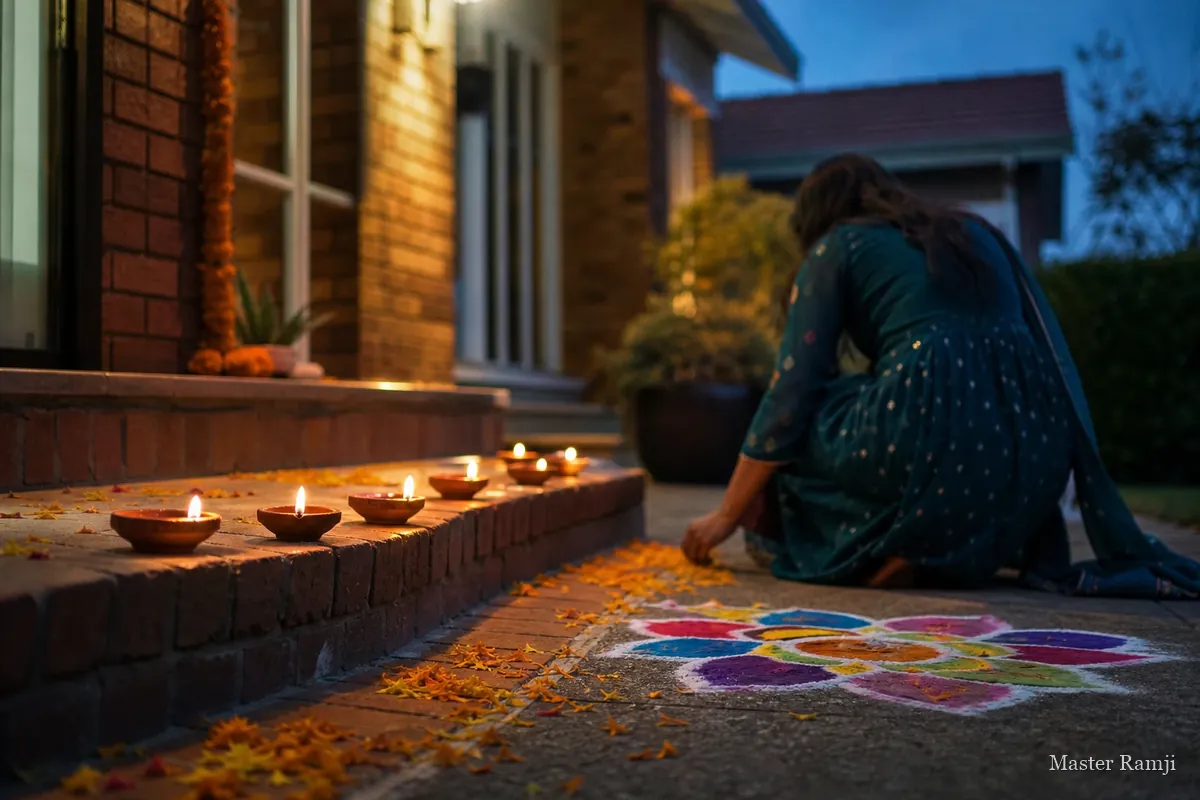
Start with one picture children already understand: having a special guest at home. According to Wikipedia's overview of puja, the ritual is modelled on hosting a deity as an honoured and dearest guest. Children know what we do when a guest arrives. We welcome them, offer a seat and water, make the place nice, give them food, and share it.
Seen that way, most steps explain themselves:
- Ringing the bell. Letting the guest know we are here and paying attention.
- Offering water. The drink you offer anyone who comes to your door.
- Flowers. Giving something beautiful, the way you'd bring flowers to someone you love.
- Lighting the lamp. Light pushing back darkness, and in many families a reminder of knowledge pushing back ignorance.
- Food and prasad. We offer first, then share it, so the blessing goes around the family.
Families explain these steps in different ways, and that's fine. The longer formal pujas have many steps, while a home puja is often much shorter. Tell your children what your own family believes, and say so when other families do it differently.
What can children do at each age?
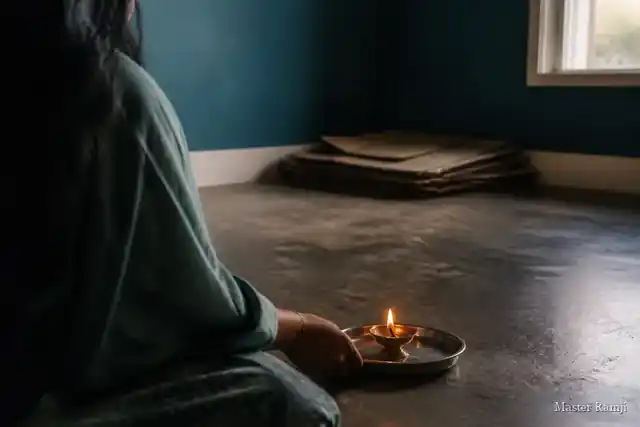
A real job makes a child part of the ritual instead of an audience.
- Toddlers. Ringing the bell, folding hands, placing a flower. Keep it to a minute or two.
- Early primary. Pouring the water, arranging fruit, saying one short line with you. Tell the story behind the deity or festival at bedtime.
- Upper primary. Learning a short shloka and what each word means. Choosing the flowers from the garden. Helping plan a festival at home.
- Teenagers. Leading the puja some days. Looking up the meaning of a prayer and explaining it to the family. Deciding how they want to take part.
Our article on raising children between two cultures looks at how much tradition fits around a school week.
How do you handle the language?
Sanskrit and regional languages can feel like a wall. Take it one line at a time. Teach the sound, then the meaning, then why the line matters to your family. A child who understands one prayer well often cares more than one who can recite five without knowing them.
Many families start with a short, widely known prayer. Our guide to the Gayatri mantra, word by word shows how to break one down. Grandparents on a video call can be wonderful teachers here, as it gives them a role and the children a connection.
How do you keep it going on busy weeks?
A five-minute version kept every day beats a long one kept only on weekends. Light the lamp, say one line, ring the bell, done. Save the longer puja for festivals, birthdays and holidays, when there's time to explain more.
Festivals are a good chance to share with school friends too. Many children enjoy explaining Diwali or Holi to their class, and doing so helps them put the meaning into their own words.
A small shrine children can reach and help look after also makes a difference. Our guide to setting up a small home mandir covers placement and daily care.
What if your child questions it or refuses?
Teenagers especially will test what they've been taught. That's normal, and it is often how faith becomes their own. The Better Health Channel's advice on talking with teenagers suggests listening more than you speak, accepting that your teenager has a different world view, and avoiding sarcasm, criticism and yelling.
In practice, that might mean saying, "I'd love you to join us, and I'd like to hear what you think about it", instead of insisting. Explain why the practice matters to you personally. Let them sit out sometimes without punishment. Some young people come back to a practice later in life, and a warm memory of it can make that easier.
If you are worried about your child's mood or wellbeing more broadly, talk to your GP. Kids Helpline is free on 1800 55 1800 for young people aged 5 to 25, at all hours.
How do you keep lamps and incense safe with children?
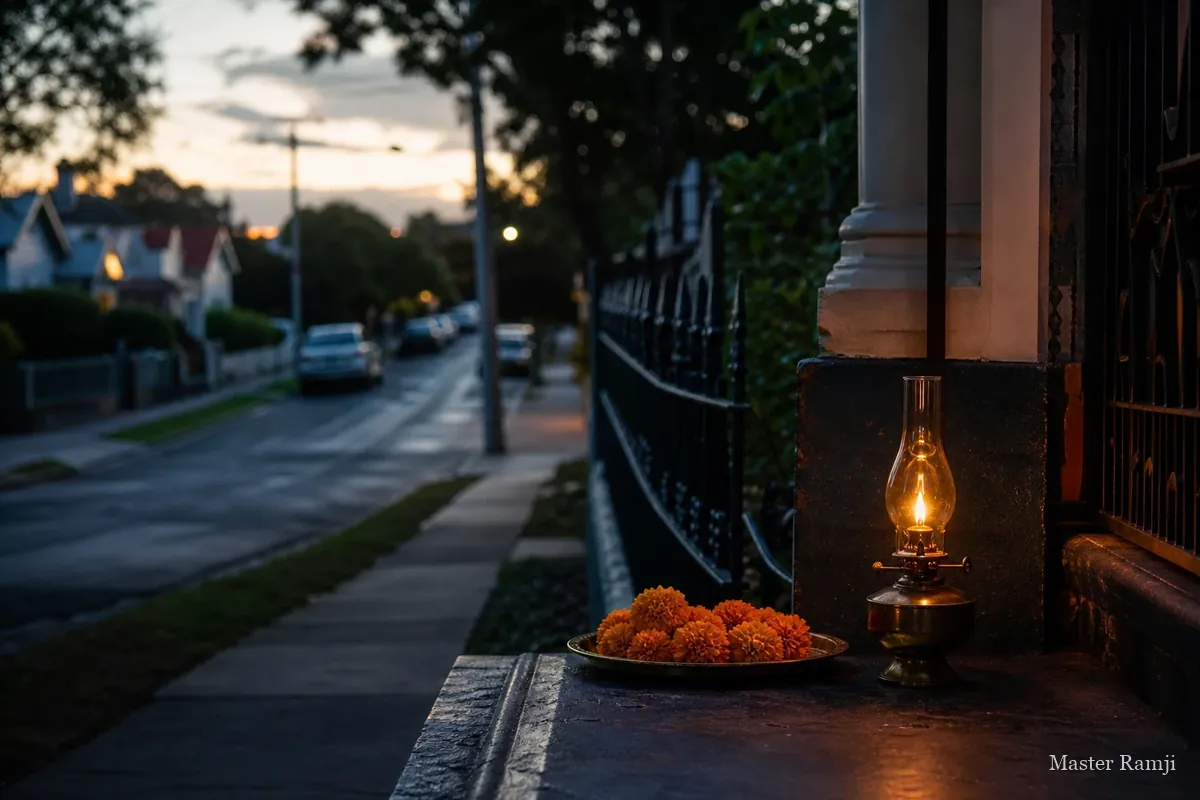
Flames and small children need care. The CFA advises never leaving children alone near burning candles or incense, having an adult watch them where these are in use, and storing lighters, matches and incense out of reach. Let older children light the lamp only with you beside them. For toddlers, a battery lamp lets them take part safely.
Camphor is a different matter. Victoria's Poisons Information Centre advises not keeping camphor blocks in the house at all, because swallowing even a small piece is potentially fatal for a child. Our guide to camphor safety for families suggests ways to carry the aarti without it. If a child may have swallowed camphor, call the Poisons Information Centre on 13 11 26, or 000 in an emergency.
Would a family practice plan help?
Some parents like help choosing one mantra and a simple routine the whole family can manage. A personal mantra remedy plan sets out one mantra, a suitable day and a count you can keep up, explained in plain language. It is a traditional practice of faith and promises no particular outcome. Sessions can be held by phone, WhatsApp or video, and fees are stated before any paid work. To talk about your family's practice, get in touch.
Related service
Keep reading
Where to Pray in Geelong
Looking for a Hindu temple in Geelong? Local groups to contact, what to confirm before you go, and options for prayer when you can't travel.
Read article →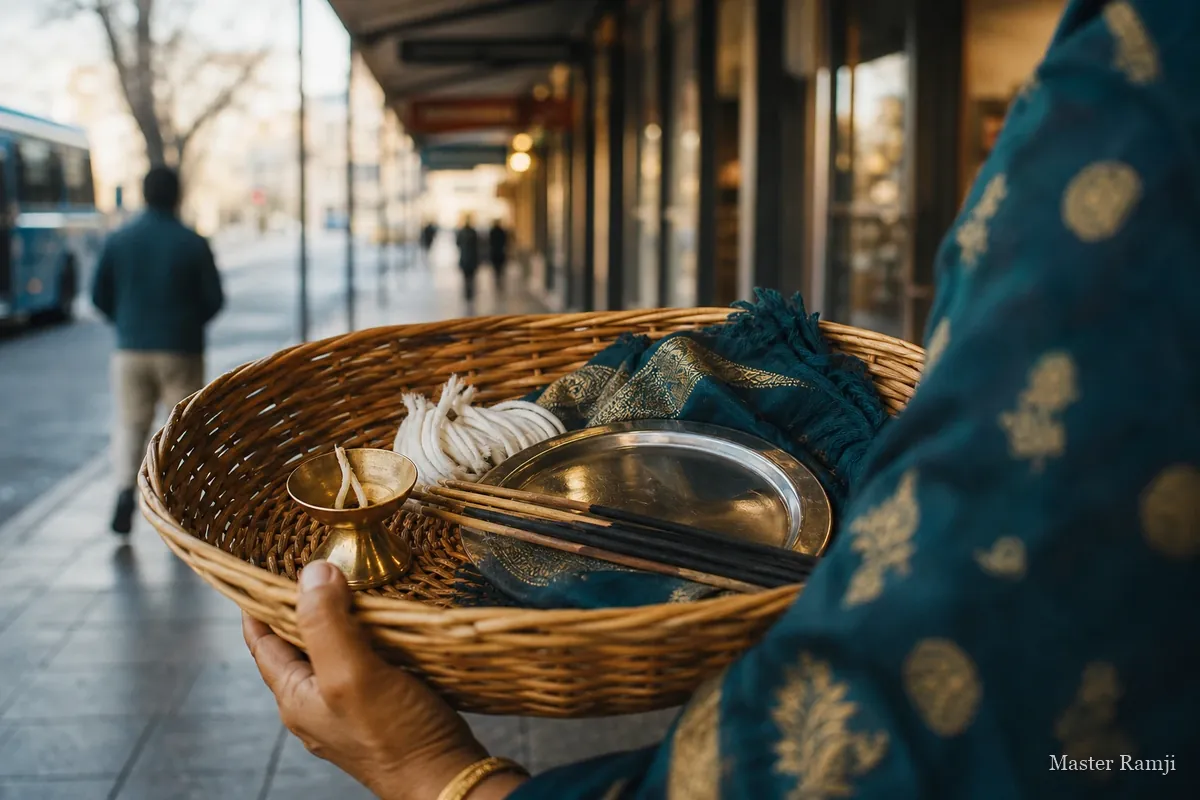
Shopping for Puja Items in Dandenong's Little India
Shopping for puja items in Dandenong's Little India? What a simple home puja needs, how to check labels on kumkum, and what to do when a shop pushes 'energised' goods.
Read article →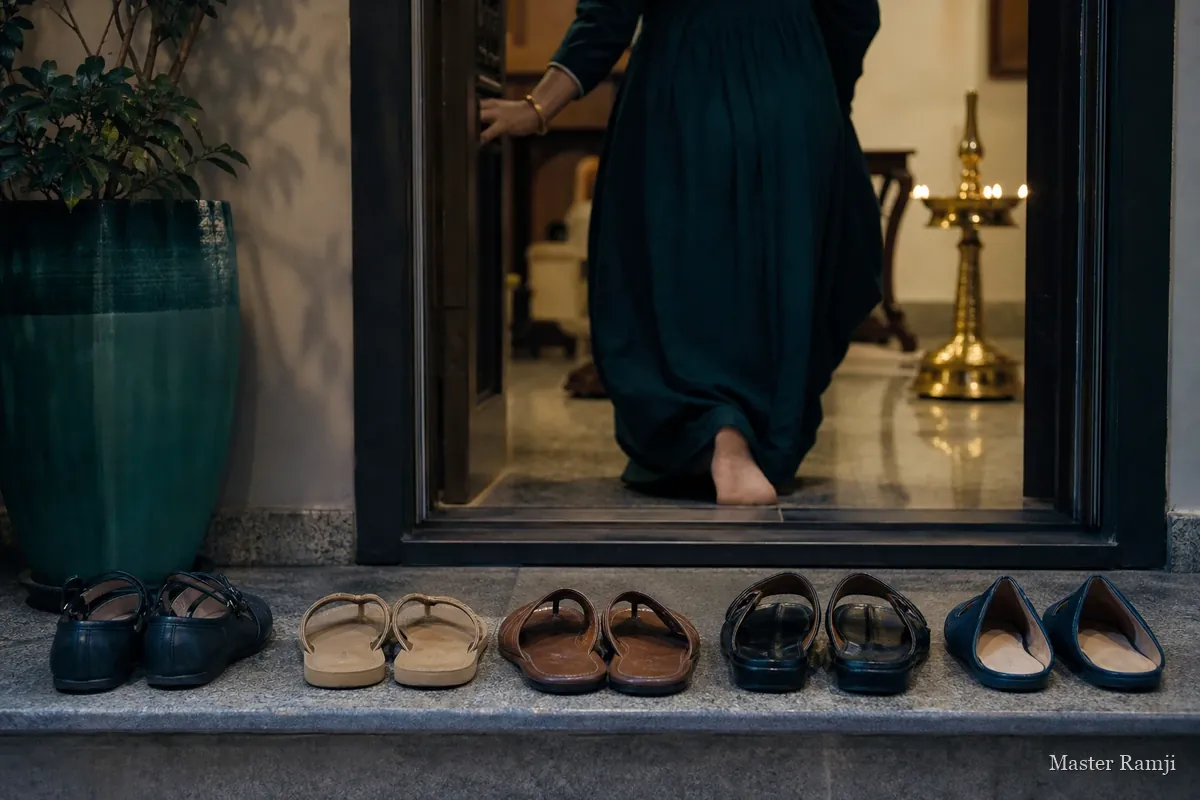
Visiting the Ganesh Temple at The Basin
Planning a visit to the Vakratunda temple at The Basin? Its history, granite shrine, canteen, etiquette and practical tips for first-time visitors.
Read article →Quick answers
Do astrology remedies have to cost money?
Astrology remedies don't have to cost money. Many traditional ones are free, such as mantra and service. Here is when a fee is fair and when to walk away.
Read answer →Why are mantras chanted 108 times?
Mantras are chanted 108 times because 108 is a sacred number in Hindu tradition and the count of beads on a mala. Here are the usual explanations.
Read answer →Talk to Vijay Ramji
Tell us what you are facing. If a reading is unlikely to help, you will be told that plainly.