
Keeping Navratri in Wyndham Around Shift Work
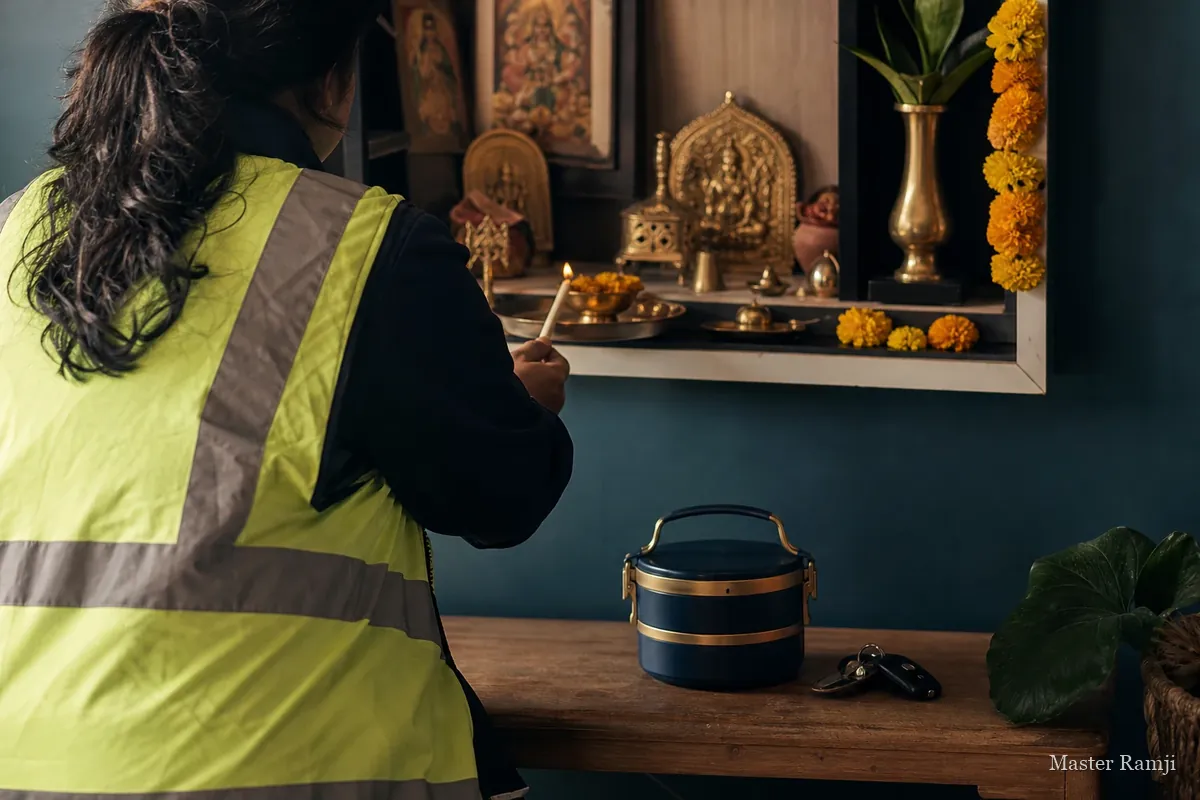
To keep Navratri in Wyndham around shift work, plan the nine nights against your roster before they start. Anchor each day to your waking time, not the clock. Choose a fast your body can manage on night shift, keep the lamp safe while you are out, and share the duties with family.
Navratri asks for nine nights in a row. A rotating roster rarely gives you nine of anything in a row. If you work in a warehouse in Truganina, a hospital in Werribee or a supermarket in Point Cook, you may start the festival on day shift and finish it on nights.
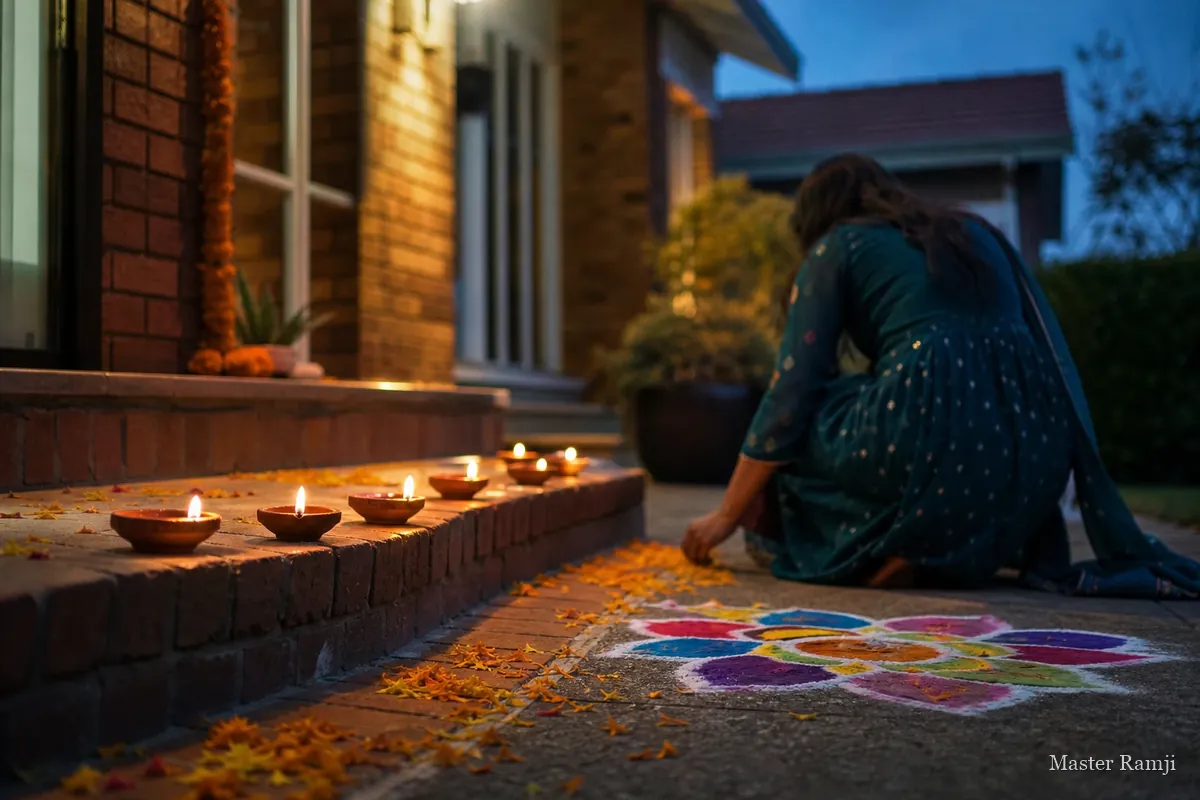
You are in good company. Wyndham City Council's 2021 profile of Truganina lists transport, postal and warehousing among the main industries locals work in, and Hinduism among the suburb's top five religions. Plenty of your neighbours are trying to fit the same festival around the same kind of roster. This page is about doing that with care, without guilt and without wearing yourself out.
Key takeaways
- Plan the nine nights against your roster before they begin, and decide in advance which days will be full and which will be simple.
- Your day starts when you wake up. Many families accept puja after you rise, even if that is mid-afternoon.
- Pick a fast that suits night work, and check with your GP first if you have diabetes or take regular medication.
- Never leave a flame burning in an empty house while you are at work.
How do you plan nine nights around a rotating roster?
Sit down with your roster and a printed panchang from your temple or family priest a week or two ahead. Exact timings vary by tradition and by location, so use a calendar worked out for Melbourne rather than one made for India. Then mark each of the nine days with one of three labels:
- Full days. Days off, when you can do the complete puja, visit the temple or join a community garba.
- Short days. Day shifts, when you can manage a lamp and a prayer before or after work.
- Minimum days. Night shifts or doubles, when you keep only the core: a lamp, a short mantra and an offering.
Writing this down early stops the festival from feeling like a list of failures. If only two of your nine days are full, that is your Navratri this year, and it still counts.

When should you do puja if you sleep through the day?
Many families tie the daily puja to the morning. On night shift, your morning might be 3 pm. Practice varies between families and regions, and some people follow a set muhurat for key moments such as ghatasthapana on the first day. For the ordinary daily prayers, though, many priests are comfortable with you praying after you wake and bathe, whatever the clock says.
If you are unsure, ask the priest or elder whose tradition you follow. Asking is far better than quietly skipping days because you think you have already got it wrong.
What kind of fast works on night shift?
Navratri fasting customs differ widely. Some people eat one meal a day, some avoid grains, onion and garlic, and some fast only on the first and last days. A few take water alone, which is a hard thing to combine with physical work at night.
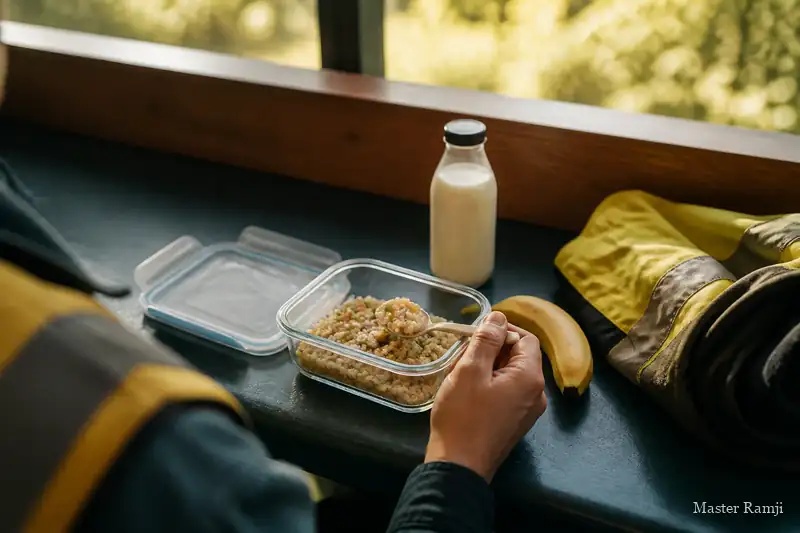
Better Health Channel notes that shift workers get, on average, two to three hours less sleep than other workers, and face a higher risk of accidents. Adding a strict fast on top of that is asking a lot of your body. If you lift, drive or operate machinery, a lighter fast is a sensible choice. Vrat foods such as fruit, milk, sabudana or kuttu can carry you through a long shift better than an empty stomach.
If you have diabetes, the NDSS advises talking with your doctor before fasting, because medication may need adjusting. The same caution makes sense if you are pregnant or managing any ongoing health condition. For a fuller look at fasting with care, see our guide to fasting safely as a remedy.
Is it safe to drive home after a night shift and a fast?
Be honest with yourself here. A long night, little food and an early drive home on the Princes Freeway or Leakes Road is a poor mix. If you feel drowsy, pull over, or arrange a lift. Devotion is not measured by how tired you can push yourself. Many families would far rather see you home safely than see you keep a strict fast.
Can you keep a lamp burning while you are at work?
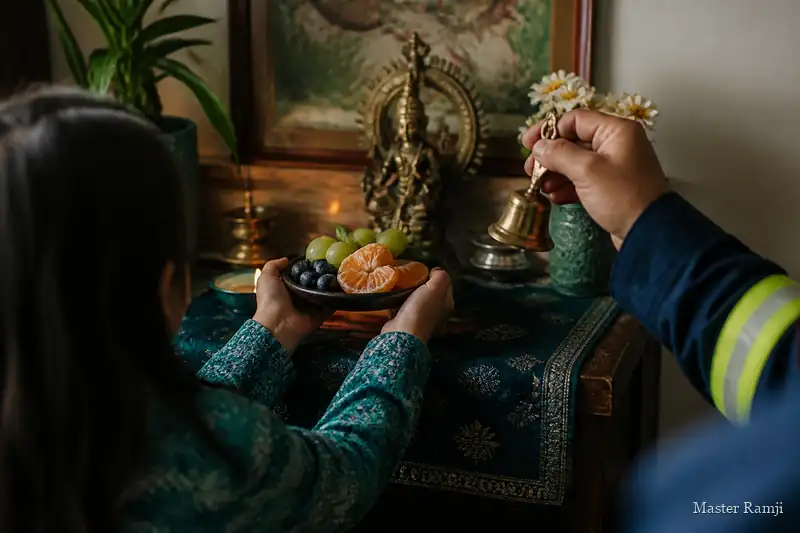
Some households keep an akhand jyoti, a lamp that burns for all nine days. That is hard in a home where everyone is out on shift. A flame left alone in an empty house is a real fire risk, and no festival asks you to put your family or neighbours in danger.
A few practical choices:
- Light the lamp only while someone is home and awake.
- Ask a family member on a different roster to tend it while they are home and awake.
- Use an electric diya while the house is empty. Some families accept this and some don't, so ask whoever guides your practice.
Whatever you choose, place the lamp on a stable, heat-proof surface away from curtains, and keep it clear of children and pets. If you are setting up a shrine for the first time, our notes on setting up a small home mandir cover placement in more detail.
How can a household share Navratri when everyone works shifts?
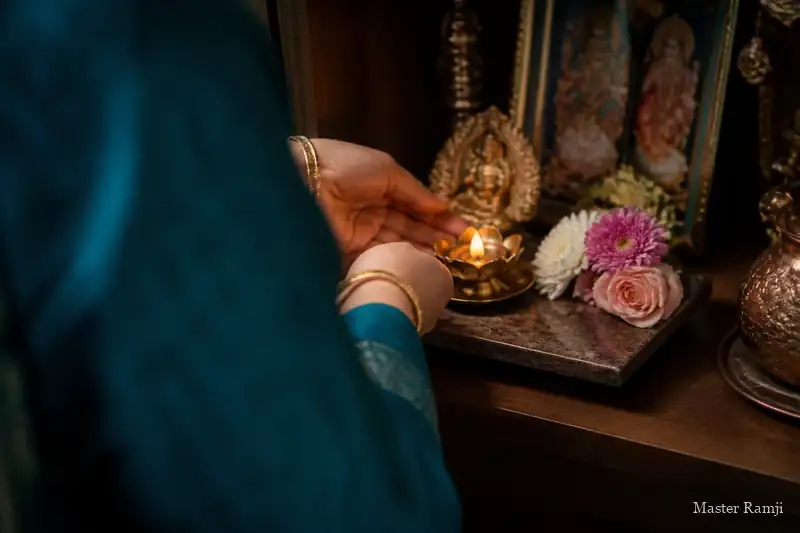
In many Wyndham homes, partners work opposite rosters. That can work in your favour. One person might handle the morning lamp, the other the evening aarti. Older children can take on the daily offering or a short reading. A shared list on the fridge helps everyone see what has been done.
The main days, such as Ashtami and Navami, are worth asking about early at work. Swapping a shift a few weeks ahead is far easier than asking the night before. If you can't get those days off, do the core rite at home and save the bigger celebration for your next day off.
What if you miss days altogether?
It happens. A double shift, a sick child or plain exhaustion can wipe out a day. Many priests and elders are gentler about this than people fear. Pick up again the next day without trying to make up for the lost day with an extra-hard fast.
If guilt about missed days keeps coming back, it can help to talk it through. A personal mantra remedy plan can be built around your actual roster, with a short daily practice that is realistic on night shift. It is a devotional practice and a source of calm for many people, and it cannot change your workload, your health or your manager's decisions. For more ideas on fitting the festival into ordinary weeks, see how to keep Navratri at home around a work week.
Where can you get guidance from Wyndham?
Sessions can be held by phone, WhatsApp or video, so you can book a time that suits your roster rather than a nine-to-five day. Appointments are arranged in advance, fees are stated before any paid work, and what you share is confidential. You can read more about our work across Melbourne's western suburbs, or get in touch to talk about your Navratri plan.
Related service
Keep reading

Chanting in a Thin-Walled Brunswick Flat
Sharing walls in Brunswick? How to keep a daily mantra practice in a small flat without bothering neighbours, plus what EPA and owners corporation rules say.
Read article →
Pitru Paksha for Families in Springvale and Nearby
How families in Springvale and Melbourne's south-east can keep Pitru Paksha simply at home, find the right days for Melbourne, and share remembrance with neighbours.
Read article →
A Hindu Festival Planner for Regional Victoria
Planning festivals from regional Victoria? How Hindu festival dates are set by the lunar calendar, why they can differ from India, and how to plan temple trips.
Read article →More from Melbourne's Western Suburbs

Picking a Wedding Date From Tarneit With Family in India
Marrying in Melbourne with parents and grandparents in India? How Tarneit couples can balance a muhurat with visitor visas, work leave and the long flight.
Read article →
The Money Talk for Engaged Couples in Point Cook
Engaged in Point Cook? How to have the money talk before marriage: mortgages, money sent to family overseas, wedding costs, and where to get proper advice.
Read article →
Astrologer Flyers and Ads: What to Check First
Found an astrologer flyer in your Wyndham letterbox or on your windscreen? The red flags to look for, questions to ask, and where to report a scam in Victoria.
Read article →Local pages
Astrologer for Footscray
Live in Footscray? Vijay Ramji is based in Ascot Vale, with sessions by phone, WhatsApp or video. Questions that fit apartments, study, shops and mixed families.
View area →
Astrologer for Sunshine
In Sunshine, Victoria? Vijay Ramji is based in Ascot Vale, with sessions by phone, WhatsApp or video. Questions about older homes, changing work and family.
View area →
Astrologer for Werribee
Live in Werribee? Vijay Ramji is based in Ascot Vale, with kundli readings by phone, WhatsApp or video. Questions for long-settled families and new arrivals.
View area →Quick answers
Do astrology remedies have to cost money?
Astrology remedies don't have to cost money. Many traditional ones are free, such as mantra and service. Here is when a fee is fair and when to walk away.
Read answer →Why are mantras chanted 108 times?
Mantras are chanted 108 times because 108 is a sacred number in Hindu tradition and the count of beads on a mala. Here are the usual explanations.
Read answer →Talk to Vijay Ramji
Tell us what you are facing. If a reading is unlikely to help, you will be told that plainly.