
Your First Kundli Reading if You Live in Roxburgh Park
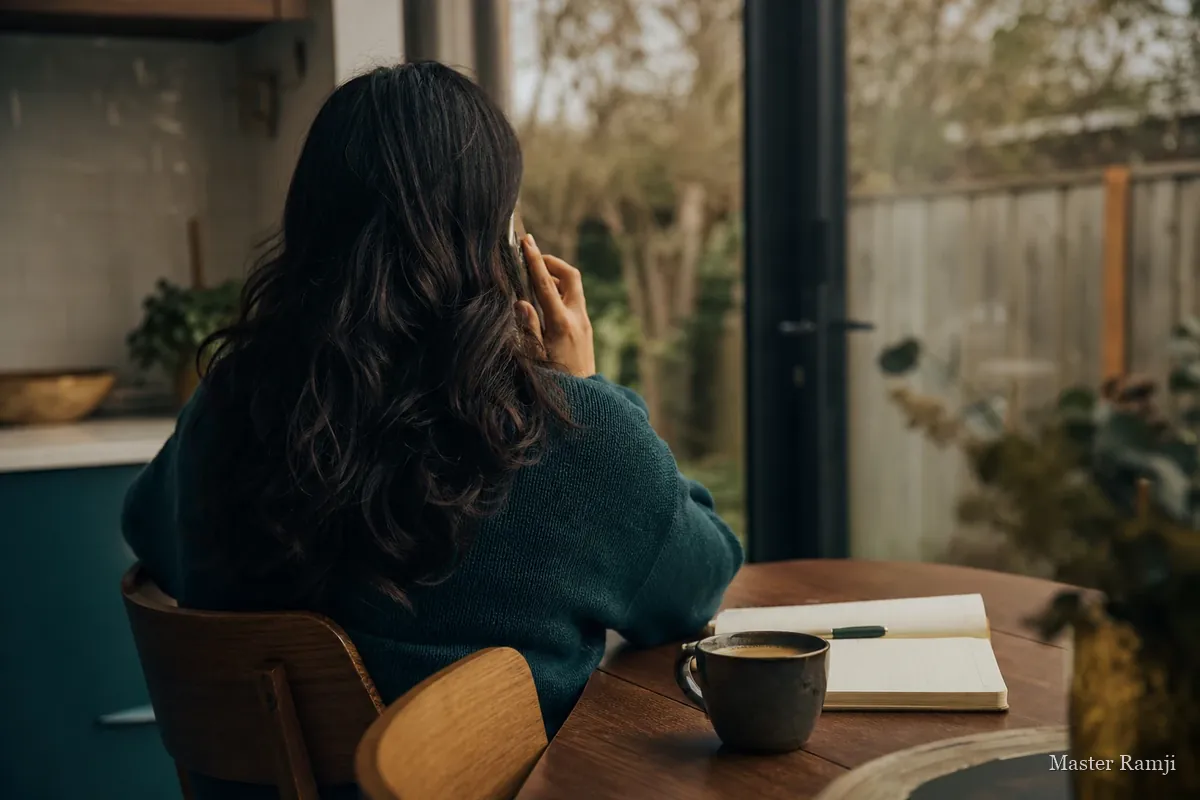
A first kundli reading from Roxburgh Park can be held by phone, WhatsApp or video, so there is no need to drive across Melbourne. Book ahead, send your birth date, time and place, write down two or three questions, and find a quiet room where you can talk freely and take notes.
Roxburgh Park lies about 20 km north of central Melbourne, between Craigieburn and Greenvale, in the City of Hume. Victorian Places records that the name was given by Thomas Brunton after his house in Scotland, and that the old Roxburgh homestead complex became a community centre. Today that is the Homestead Community and Learning Centre on Whiltshire Drive, listed by Hume City Council.
If you live up here, getting into town for anything can mean a long drive or train trip. A first kundli reading doesn't need to add to that. This guide explains how a remote session works and how to get the most from it.
Key takeaways
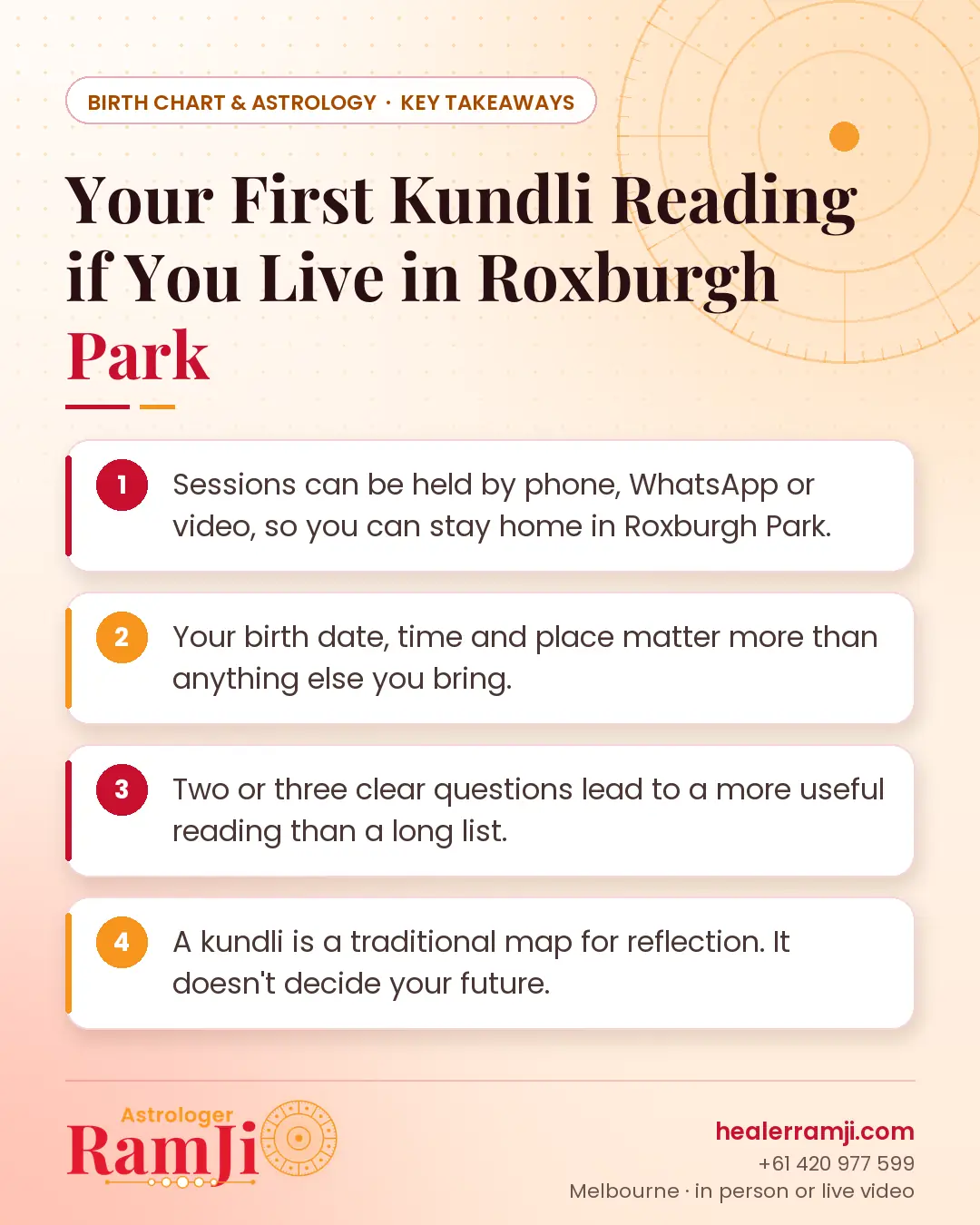
- Sessions can be held by phone, WhatsApp or video, so you can stay home in Roxburgh Park.
- Your birth date, time and place matter more than anything else you bring.
- Two or three clear questions lead to a more useful reading than a long list.
- A kundli is a traditional map for reflection. It doesn't decide your future.
What is a kundli?
A kundli, also called a janam kundli or birth chart, is a diagram of where the Sun, Moon, planets and lunar nodes were at the moment you were born, seen from your birthplace. It is divided into twelve houses, each linked in tradition with areas of life such as family, work and relationships. Northern and southern Indian charts are drawn in different shapes, but they show the same positions, so don't worry if a chart from a relative looks unfamiliar. A reader also looks at your nakshatra and the dasha periods that follow from it.
It's a tradition of interpretation. It can prompt useful reflection, but it is not science and it cannot see facts about your life that you haven't shared.
How does booking by phone work?
Appointments are arranged in advance. When you book, you agree on a time and on whether you'll talk by phone, WhatsApp call or video. The fee is stated before any paid work begins, so you know the cost up front. It helps to send your birth details beforehand, so there is time for the chart to be prepared.
On the day, the call simply starts at the agreed time. You don't need any special software beyond what is already on your phone. If you'd like a family member to join, mention it when you book so the time suits everyone. Video can help if you'd like to see the chart shared on screen, but a plain phone call works well too.
Which birth details should you prepare?
- Date of birth, as shown on your birth certificate or passport.
- Time of birth, as exact as you can find it, and where that time came from: a hospital record, a family memory or a guess.
- Place of birth, the town or city where you were born, not where you grew up.
If you were born overseas, the record of your birth time may sit with a parent back home. Ask early, as a relative may need to look through old papers. Small differences in time can change the rising sign and shift dasha dates, sometimes by months or more. Read more about why exact birth details matter. If you can't find a time at all, a reading is still possible but more limited, and birth time rectification is an option some people consider.
What questions should you ask?
A first reading often covers the overall shape of the chart, then turns to what is on your mind. Choose two or three questions about your own life, for example:
- What does my chart suggest about the kind of work that suits me?
- Which dasha am I in now, and what themes does it bring up?
- What patterns in relationships should I be aware of?
Ask only about your own chart, or a chart someone has agreed to share. Reading a partner's or relative's chart without their consent isn't fair to them. For more ideas, see ten questions to bring to your first reading.
How do you set up a quiet space at home?
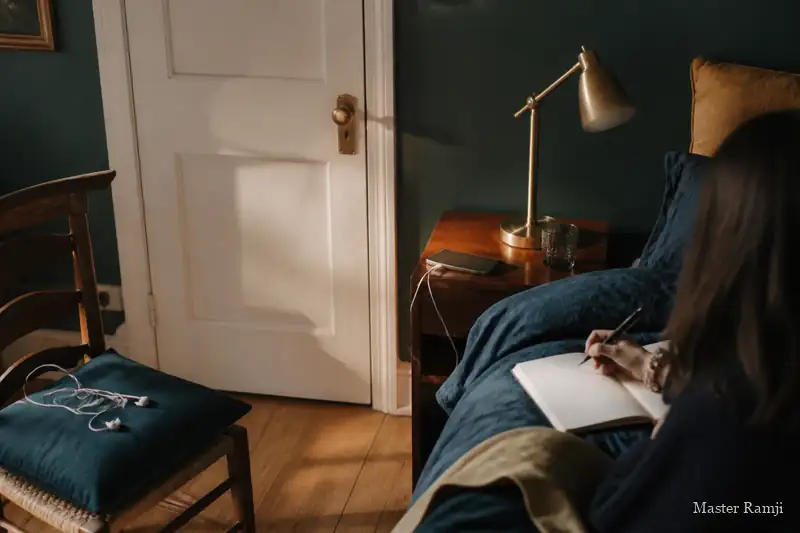
In a busy family home, privacy can be hard to find. A few small steps help:
- Choose a time when the house is quiet, such as after the school run or once the kids are in bed.
- Use a room with a door, or sit in the car parked in your own driveway if that's the most private place. Don't take the call while driving.
- Use earphones so others can't hear the conversation.
- Keep a notebook and pen nearby, or ask whether you may record the call for your own use.
- Charge your phone and check your Wi-Fi or mobile signal beforehand.
What you share in a session is kept confidential, so you can speak openly.
What can a first reading not do?
A kundli cannot give you medical, legal, immigration or financial answers. Those belong with a GP, lawyer, registered migration agent or licensed adviser. It also can't promise when you'll marry, get a job or buy a house. A careful reader will talk about tendencies and timing in tradition, and leave the decisions with you.
Be wary if any reader frightens you about a dosha, urges you to buy costly remedies straight away, or suggests that a ritual can change another person's feelings. An honest first reading should leave you calmer and clearer, not more anxious.

Are free apps enough?
An app can draw your chart quickly and is fine for curiosity. It can't weigh the chart as a whole or talk through what matters to you. Our note on what free kundli apps get right and wrong explains the difference.
Ready to book?
A kundli reading is a calm, plain-language look at your birth chart, held at a time that suits you. Read about our work across Melbourne's northern suburbs, or get in touch.
Related service
Keep reading
Born Near the Border: Time Zones and Birth Records in Wodonga
Born in Albury or Wodonga? Why the hospital's side of the Murray matters for your records, the rare years NSW and Victorian clocks differed, and how to check.
Read article →
When Relatives Warn You About Sade Sati in Cranbourne
Has family warned you about sade sati? A calm guide for Cranbourne households: what it means, how to check it, what it can't predict and how to reply kindly.
Read article →
Why Accurate Birth Details Matter More Than You Think
A few minutes can change a Vedic birth chart. Learn which birth details matter most, how much error is acceptable, and where to find your birth time.
Read article →More from Melbourne's Northern Suburbs

Chakra Claims in Coburg Yoga Studios: A Reality Check
Chakras often come up in yoga and wellness classes. How to tell old tradition from modern marketing in Coburg, and which claims deserve a second look.
Read article →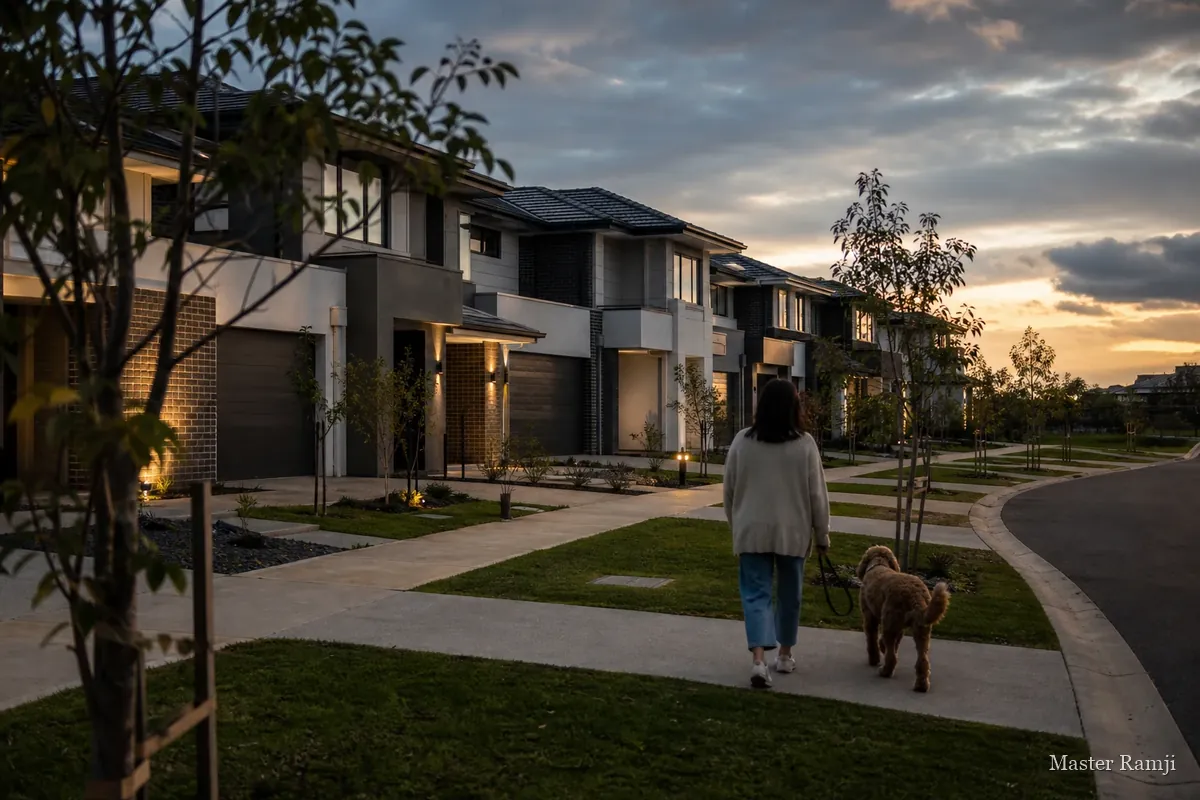
Vastu Questions for New Homes in Craigieburn
Common Craigieburn estate layouts read through vastu: garage-forward fronts, rear kitchens and upstairs bedrooms, and which changes are worth your money.
Read article →
Temples and Home Worship in Melbourne's North
Looking for a Hindu temple near Craigieburn, Epping or Mill Park? Four places to start with, how to choose, and when worship at home makes more sense.
Read article →Local pages
Quick answers
What is a kundli?
A kundli is a Vedic birth chart that maps the planets at your exact time and place of birth. Here is what it shows, in plain words.
Read answer →What details do I need for a kundli reading?
A kundli reading needs your date, time and place of birth, plus a clear question. Here is how exact each detail should be, and what to do if one is missing.
Read answer →Talk to Vijay Ramji
Tell us what you are facing. If a reading is unlikely to help, you will be told that plainly.