
Vastu for New Homes in Armstrong Creek and Geelong
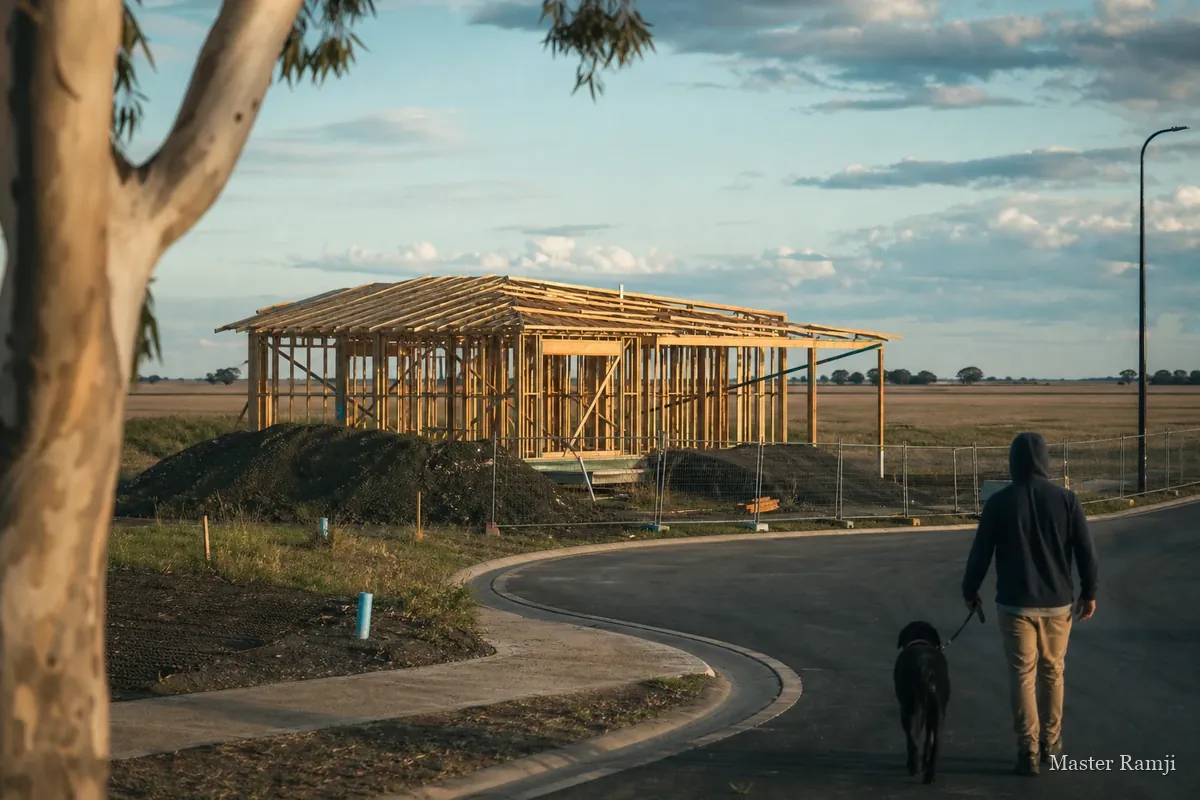
Vastu for a Geelong home depends on where you build. In Armstrong Creek, estate rules, drainage and lot shape set the limits, so check them first. On the coast, the sea may lie north or south of you. Vastu is a tradition, so put engineering, overlays and salt-air advice ahead of it.
Armstrong Creek was mostly farmland, part of Connewarre and Mount Duneed, before it became a suburb of Geelong in 2012. The 2021 census counted 11,247 residents, and developers use names such as Warralily, Harriott and Armstrong Village. Not far away, other families are choosing an older beach house or a new build in a Bellarine town.
These sites raise different questions. This guide looks at vastu in Geelong for both, and at where traditional ideas run into the land, the weather or the rules.
Key takeaways
- In a new estate, your lot shape, easements and design guidelines limit your options before any vastu discussion starts.
- Around Geelong, the water can be to your north or your south. That changes the conversation, but it doesn't make either home bad.
- Salt air, wind, flooding and bushfire rules come first near the coast. Fit vastu around them.
- Vastu is a tradition. It can guide choices you care about, but it can't predict what will happen in your home.
What should you check first on an Armstrong Creek block?
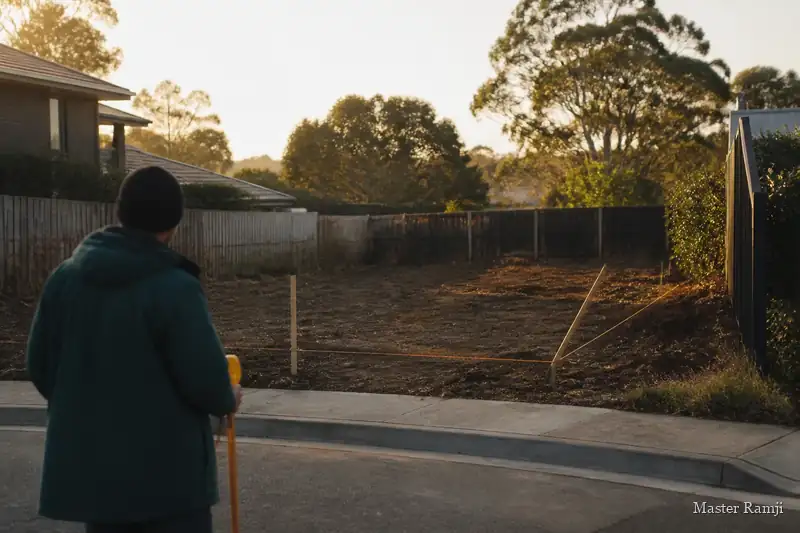
Start with the paper, not the compass. The Armstrong Creek growth area is a planned extension of Geelong's urban boundary, promoted around walkability and sustainable water use. Ask your developer or conveyancer for these:
- Design guidelines. Many estates set out their own rules on siting, facades and fencing, and estates differ. Read your own, not a neighbour's.
- Easements and the drain connection point. These can decide where wet rooms make sense, whatever a floor plan suggests.
- The title plan. It shows the true lot shape and frontage, which brochures tend to tidy up.
- A planning property report. The state's free VicPlan map shows the zones and overlays that apply to an address.
Once you have those, look at the lot shape. Curved estate streets create wedge-shaped blocks. Traditional writers generally prefer a square or rectangular plot, and many favour a home block that is narrower at the street and wider at the rear. A block that's wider at the street is often described as better for a shop. Practitioners differ on how much this matters, so treat it as one factor when you're choosing between lots.
For the sequence of talking to a volume builder, including mirrored plans and the slab, see our guide to vastu for a new build in Tarneit. The same steps apply here.
Does the creek or the wetland change anything?
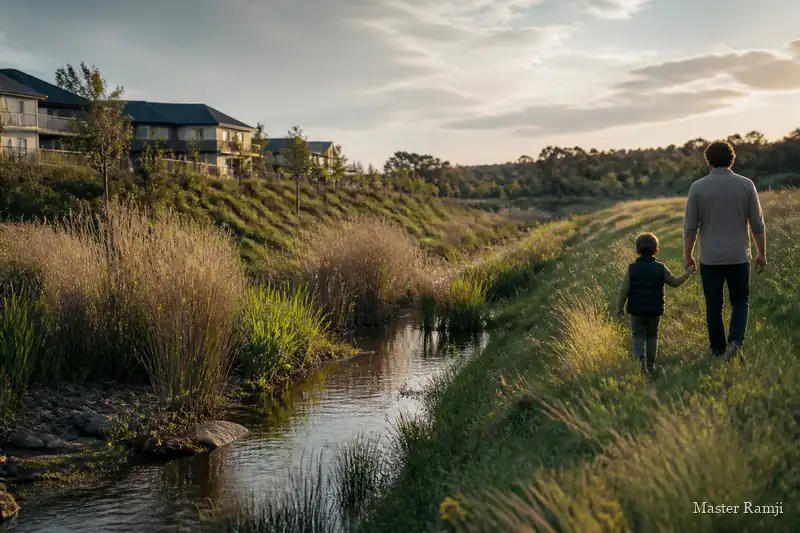
The area takes its name from Armstrong Creek, which runs from west to east across it. The Sparrovale Wetlands project sits on the Barwon River floodplain. Traditional vastu favours ground that falls towards the north or east, with water in the north-east. So some buyers ask whether a lot near a creek line or drain fits.
Keep it in proportion. In a planned estate, engineers have often shaped the land and designed the stormwater. Don't ask to change your levels to chase a traditional slope. Your site's drainage has to work first, and your engineer or surveyor has the last word on it. If a lot sits close to a waterway, ask your conveyancer about flood overlays too.
What changes when the water is to the north, or the south?
The Bellarine Peninsula has water on more than one side, so the direction changes from town to town:
- Corio Bay and the northern Bellarine. Central Geelong sits on Corio Bay, with the water to the north. Portarlington is on the peninsula's north-east side, looking onto Port Phillip. A water view here often lines up with what the tradition likes.
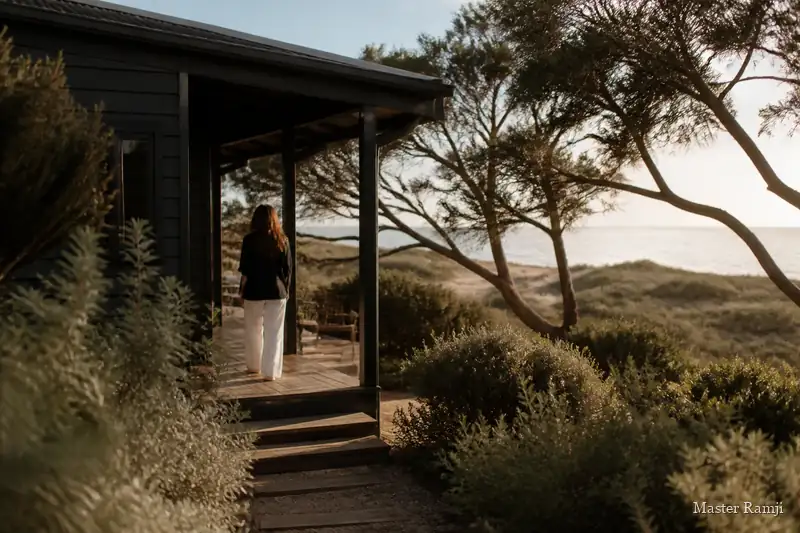
- Ocean Grove and Barwon Heads. These towns are on Bass Strait, so the open sea is generally to the south. A home built for the view may have its big windows and deck on that side.
Does the sea to the south make a home unlucky? No, and there's no evidence that it does. Classical vastu texts came from India and were mostly concerned with wells, tanks and ponds on a property, not an ocean over the road. Practitioners differ on whether a distant sea counts at all. If you've been told a south-facing beach home is a serious problem, read whether a south-facing home is bad in vastu before you pull out of a purchase.
There's a practical point too. In Victoria, winter sun comes from the north. A home with all its living space facing a southern view can be cooler and darker, whatever your views on vastu. A building designer can help you balance view, light and warmth. Our southern hemisphere guide explains how practitioners differ on the sun's position here.
How do salt, wind and overlays limit a coastal plan?
Take these to your builder, designer or building surveyor early:
- Salt air. It's hard on metal. Ask which roofing, fixings and window frames suit your distance from the water.
- Wind. A traditional entry on an exposed side may need a porch or a sheltered approach.
- Flooding and sea levels. Parts of the Bellarine have flood controls, and the City of Greater Geelong has done planning work on coastal inundation. Check the current position for your address.
- Bushfire. Some vegetated coastal pockets are bushfire prone. That can affect siting and materials, so ask the council or your surveyor.
- Town character. Some coastal towns have design controls of their own, and removing vegetation may need approval.
If any of these conflicts with a vastu preference, the safety or legal requirement wins.
Where should a rainwater tank and a mandir go?
Rainwater tanks are a common question in new homes. Many practitioners prefer underground or ground-level water in the north-east, and raised tanks towards the south-west. In practice, your downpipes, side setbacks and plumber will shape the choice. If the north-east isn't workable, don't pay heavily to force it.
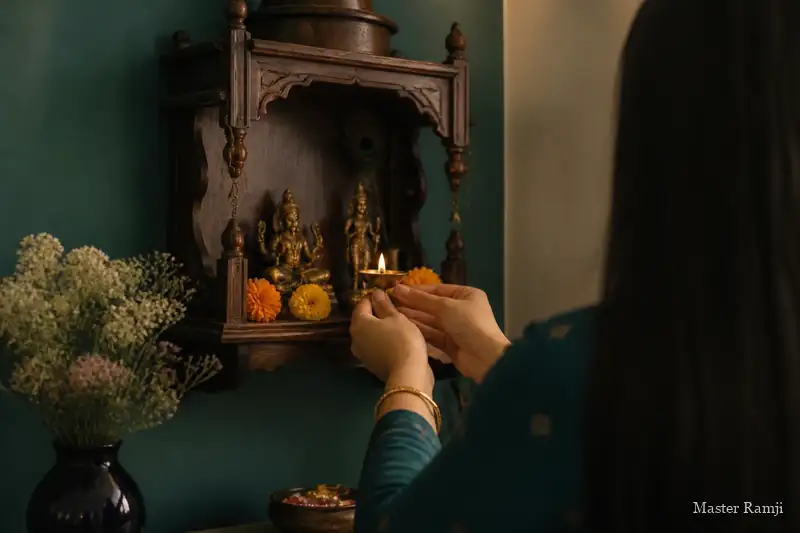
A small mandir is easier. Many families choose a calm north-east corner, or the nearest quiet spot. In a breezy beach house, keep any lamp away from open windows and curtains, and never leave a flame unattended.
How should you take your bearings?
Use a satellite map as well as a compass. In southern Victoria, a compass reading differs from true north by more than ten degrees, and new steel and concrete can throw it further. Estate streets and coastal roads rarely run neatly north-south, so a home that "faces east" on the plan might not. Note which north you've used.
What can a vastu review do from here?
A review can read your plan or lot against the tradition, tell you what's worth raising and what you can let go. It can't tell you what will happen in your life, and no reliable study shows that a layout changes health, money or luck. It also doesn't replace a builder, engineer, surveyor or conveyancer.
Vastu for homes sessions can be held by phone, WhatsApp or video, so you can share a title plan or a real estate listing from wherever you are. Fees are stated before any paid work. Our guide to seeing a Melbourne astrologer from Geelong explains how that works. You can also read more on our regional Victoria page, or get in touch when your plans are ready.
Related service
Keep reading
Vastu When Your Southbank Apartment Faces the Wrong Way
Is a south-facing Southbank apartment bad in vastu? Why fixed facing is no catastrophe, what the tradition says, and what you can sensibly change in a tower.
Read article →
Year 12 Pressure in Mill Park Families
Is VCE stress weighing on your teen in Mill Park? Practical ways parents can ease Year 12 pressure, the warning signs to watch, and where to find local support.
Read article →
Moving for a School Zone in Glen Waverley
Thinking of moving to Glen Waverley for a school zone? What to check on Find My School first, and how to time griha pravesh around settlement and enrolment.
Read article →More from Regional Victoria

Staying or Leaving After Study in Geelong
Finishing at Deakin Waurn Ponds? How to weigh a career after study in Geelong against moving to Melbourne, using real job ads, commute tests and honest questions.
Read article →
Celebrating Diwali in Geelong
Looking for Diwali in Geelong? Which groups have held celebrations, how to confirm this year's plans, and a simple Lakshmi puja you can do safely at home.
Read article →
Ballarat's Ganesh Festival: A Newcomer's Guide
New to the Ganesh festival in Ballarat? What the community event involves, how to take part respectfully, and how to find this year's program.
Read article →Local pages
Astrologer for Geelong
For Geelong residents asking about vastu in Armstrong Creek, life after Deakin or worship in a smaller community. Sessions by phone, WhatsApp or video.
View area →Astrologer for Ballarat
For Hindu families settling in Ballarat: older homes, cold winters and keeping traditions going. Vedic astrology by phone, WhatsApp or video, from Ascot Vale.
View area →
Astrologer for Bendigo
For people in Bendigo far from Melbourne's big temples: finding a match, goldfields homes and home worship. Vedic astrology by phone, WhatsApp or video.
View area →Quick answers
What is vastu shastra?
Vastu shastra is a traditional Hindu system of home and building design based on direction and layout. Here is what it covers and what it can't claim.
Read answer →Can vastu be applied in a rental?
Yes, vastu can be applied in a rental if you stick to reversible changes. Here is what to try first and what Victorian renters should check.
Read answer →Talk to Vijay Ramji
Tell us what you are facing. If a reading is unlikely to help, you will be told that plainly.