
Vastu in Cranbourne Estates: What to Prioritise
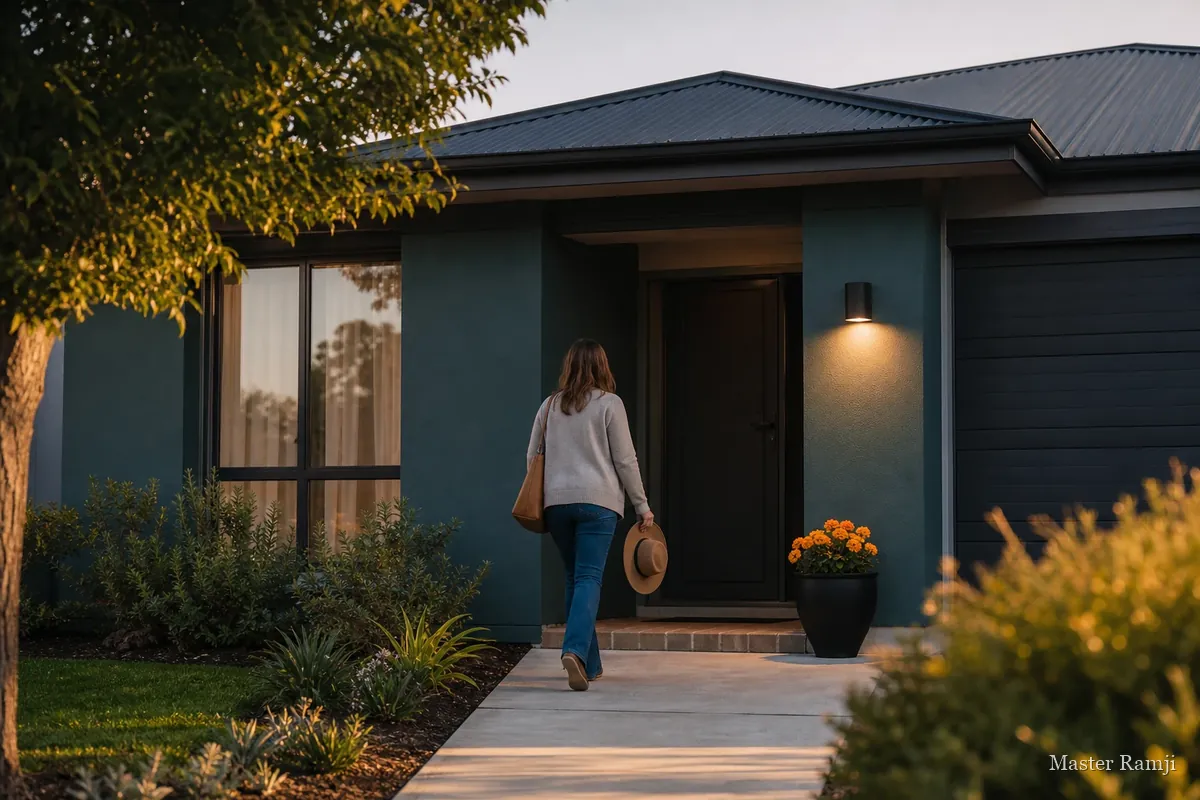
In a Cranbourne estate home, start with two or three low-cost vastu changes: a clear, well-lit entry, a calm north-east corner, and where your bed sits. Leave slabs, walls and plumbing alone unless you are renovating anyway. Vastu is a tradition, so put estate rules, permits and builder advice first.
Cranbourne was a country town before it was a suburb. Victorian Places describes a market centre on the South Gippsland line, 40 km south-east of central Melbourne, where housing took off in the 1980s and 1990s and later spread into Cranbourne North, West, South and East. The Cranbourne East Precinct Structure Plan was gazetted in May 2010. So a Cranbourne estate home might be thirty years old, or barely finished.
Either way, the house is already sitting on its block, and a vastu list can grow very long very quickly. This guide is about cutting that list down to the two or three changes you might actually make.
Key takeaways
- Pick changes that are cheap, reversible and part of your daily routine.
- The entry, the north-east corner and your bed position are usually the best places to start.
- Moving a kitchen, toilet or door can usually wait until you are renovating for other reasons.
- Title restrictions, estate rules and drainage come before any vastu suggestion.
Why stop at two or three changes?
A full vastu review can raise a dozen points or more. If you try to fix them all, you may spend a lot of money, annoy your family and still feel the house is wrong. A short list is easier to finish, and you are more likely to keep it up.
Try putting each suggestion through four questions:
- Can you afford it without stress? Mortgage pressure in your home is a bigger worry than a corner that doesn't fit an old rule.
- Can you undo it? Moving a bed takes ten minutes. Moving a stove can't be taken back so easily.
- Will your family notice it each day? A tidy entry affects everybody. A rarely used room affects almost nobody.
- Does it need anyone's approval? If it needs a permit, a developer's sign-off or a tradesperson, it probably doesn't belong in your first round.
Which changes are usually worth making first?
Vastu schools differ, and they also differ on how directions apply in the southern hemisphere, where the sun sits in the north. Using the common traditional scheme, these three give the most for the least effort.
- A clear, well-lit entry. The main door is traditionally treated as the way energy enters a home. Many estate homes have a double garage beside the front door, so bins, shoes and boxes tend to pile up there. Clear them, fix the outside light and keep the path open. You would probably want this anyway, whatever you believe.
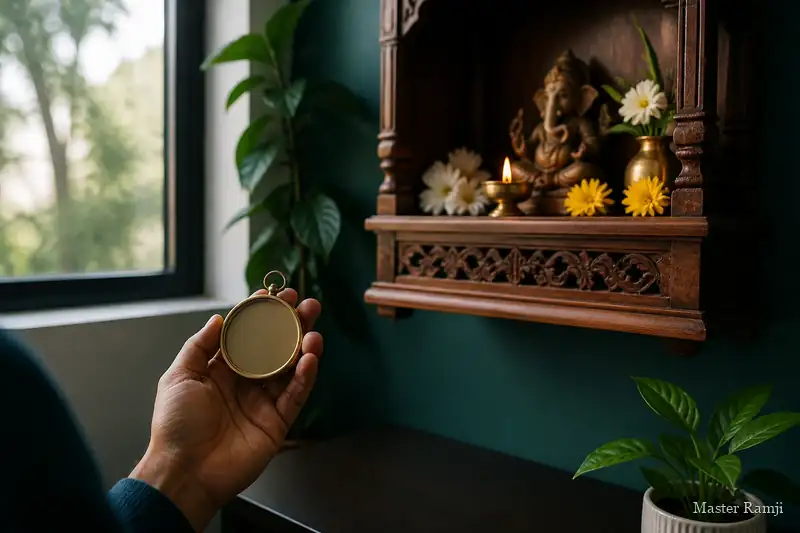
- A calm north-east corner. This corner is traditionally kept clean, light and uncluttered, and it's a favourite spot for a small mandir. If yours is a study, a laundry nook or a playroom, you can still tidy it and move heavy storage elsewhere. Find north with a compass or phone, away from metal and appliances.
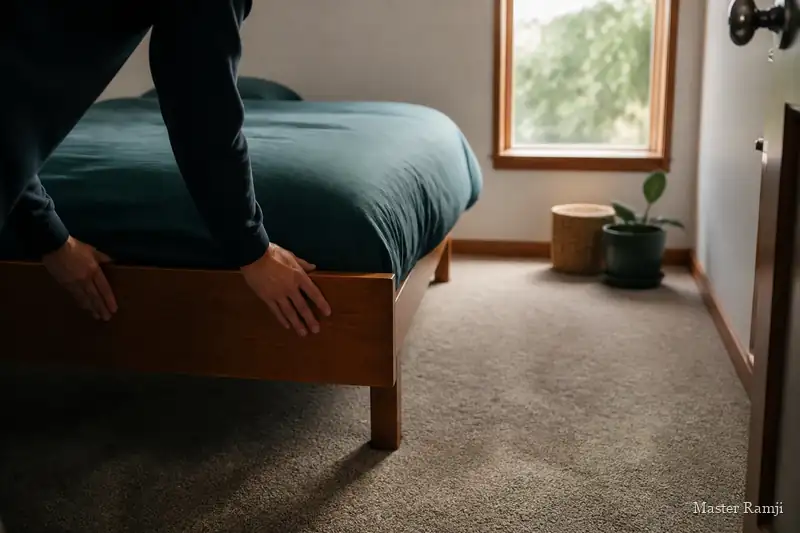
- Where your bed sits. Many practitioners suggest sleeping with your head towards the south or east, and avoiding the north. Rooms in project homes often leave only one sensible wall for the bed, so go with what fits. A bed that blocks a walkway or wardrobe won't help anybody sleep.
Some families add a fourth item, such as facing east while cooking where the layout allows. It costs nothing, so it can't hurt to try. But don't let the list creep back up.
Which changes can usually wait?
A few items sound urgent but rarely deserve the money in a sound, recently built home:
- Moving a kitchen or toilet. This means plumbers, permits in some cases, and real disruption. Leave it unless you are renovating for practical reasons.
- Changing the front door. Your street frontage settled this when the block was sold. Estate rules may limit changes to the facade as well.
- Knocking out walls. Our short answer on whether vastu ever calls for demolition sets out why tearing things down is rarely justified.
- Buying correction products. Be cautious about pyramids, strips or crystals sold as a fix for a layout. Nothing shows they change your home or your life.
What should you check before altering a Cranbourne estate home?
Do this before you spend money on anything beyond furniture, paint or tidying:
- Your title and contract. Consumer Affairs Victoria explains that restrictions on a title, known as encumbrances, can limit what you do with a property. It also notes that design guidelines and other planning controls may restrict building or alterations. Check your contract of sale and section 32 statement, ideally with a lawyer or conveyancer.
- The City of Casey. Ask the council about the zoning, overlays and permits that apply to your address before you start any structural work.
- Your builder's warranty. If the house is new, ask how any alteration might affect your warranty before a tradesperson starts.
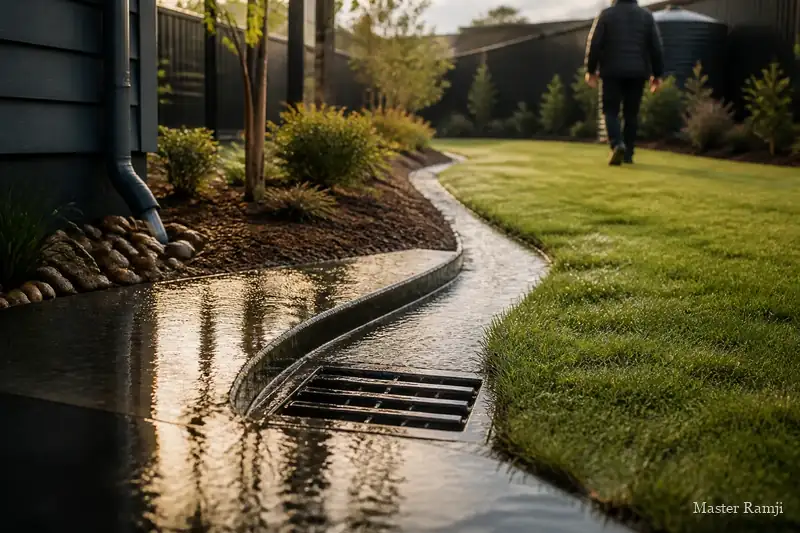
- Drainage. Some vastu teachers favour land that slopes down towards the north-east. Don't regrade your block to get there. The Cranbourne East plan's supporting documents include a surface water management report, which is a reminder that water in these estates was planned well beyond a single fence line. Talk to a plumber or engineer first. If water runs towards your house or a neighbour's, that's a real problem, and vastu has no answer for it.
What if your house is still being built?
You have more options before the concrete goes down, so timing changes the list. Our guide to raising vastu with a volume builder before the slab covers which questions to ask and how to get changes in writing. It's written for Tarneit, but the same order of questions works in the south-east.
If you are close to handover, the traditional house-warming may matter more to your family than any layout change. Our page on griha pravesh in nearby Clyde covers dates and helpers in a fast-growing area.

What should you expect from a vastu consultant in Cranbourne?
A location doesn't make a reader any better. What counts is how they work. A careful consultant should:
- Ask for your floor plan and your block's orientation before giving opinions
- Rank suggestions, and tell you which ones are optional
- State fees before any paid work begins
- Say plainly when something isn't worth changing
- Send you to your builder, plumber or council for anything structural
Be wary of anyone who warns that your house will bring illness or money trouble unless you pay for a remedy today. That's a sales tactic. Vastu for homes sessions can be held by phone, WhatsApp or video, so have your plans and a compass reading to hand.
What can vastu do, and what can't it do?
Vastu is a tradition about arranging a home with care and intention. Many families find that working through it gives them a calmer, tidier house and a reason to talk about how they want to live. That's useful in its own right.
It isn't science. No evidence shows that a room's direction changes your health, income or relationships, and a vastu review can't predict any of them. It also doesn't replace a building inspection, an engineer, a lawyer or a GP. If a suggestion conflicts with their advice, follow their advice.
For more on the area, see our guides for Melbourne's south-east. If you would like your floor plan reviewed and your list cut down to size, get in touch.
Related service
Keep reading
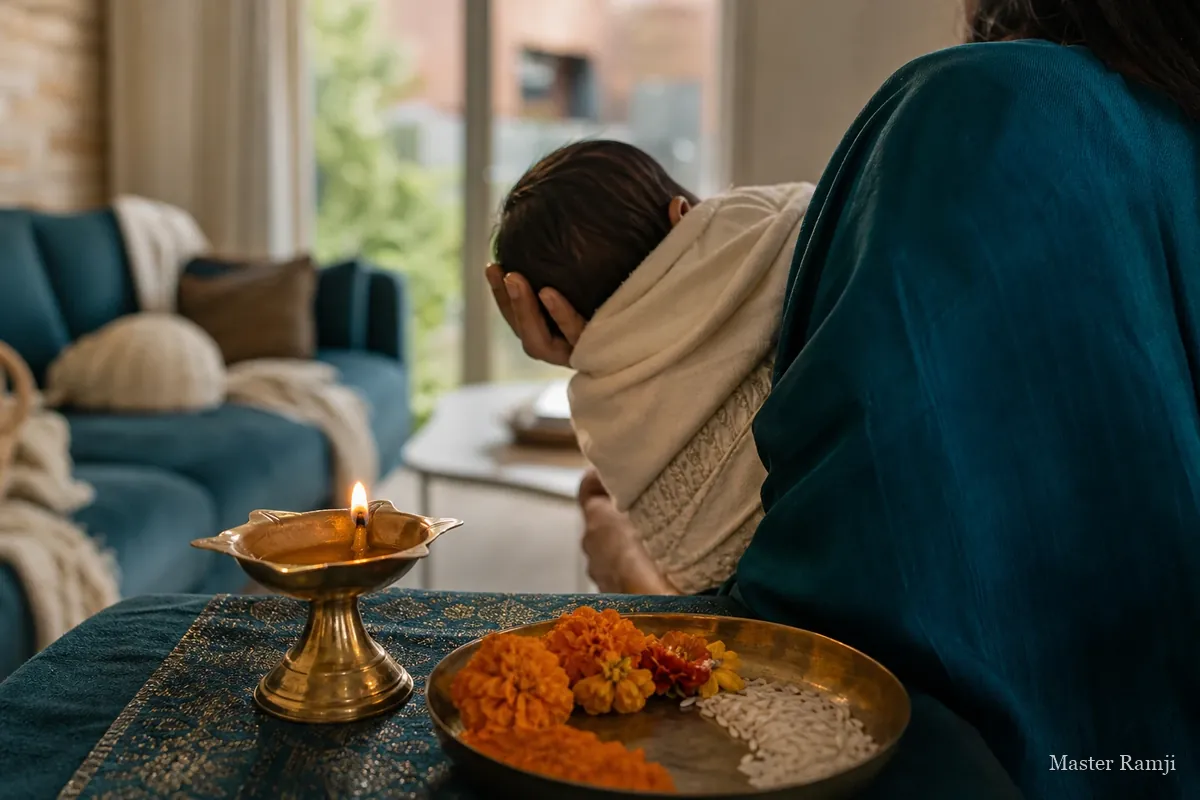
Planning a Namkaran in Caroline Springs
Planning a namkaran in Caroline Springs? Home or hired hall, what City of Melton rooms allow, keeping your baby safe, and registering the legal name.
Read article →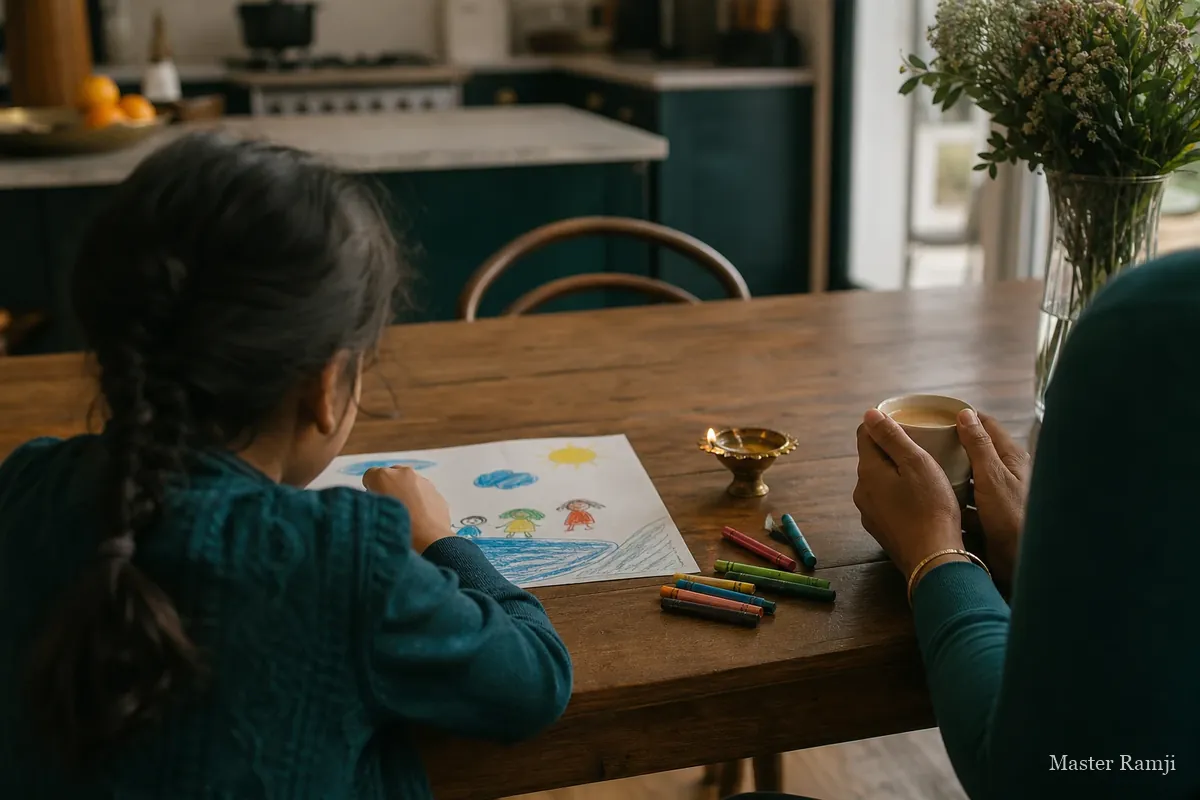
Your Child's Temperament: A Guide for Berwick Parents
A gentle guide for Berwick parents: what a child's birth star can't tell you about temperament, why labels hurt, and why teachers' observations count for more.
Read article →
Looking After Elderly Parents in Avondale Heights
Caring for ageing parents in Avondale Heights? Family duty and real support services side by side, from aged care assessments to elder abuse help.
Read article →More from Melbourne's South-East

Family Worries About Mangal Dosha in Cranbourne
A Mangal dosha result has upset your family in Cranbourne? How to check it properly, keep the talk calm, and decide together without fear or a rushed ritual.
Read article →
Planning Your Year With a Varshphal: A Berwick Family Guide
A Berwick family guide to using a varshphal yearly forecast beside school terms and work rosters, with consent, sensible limits and a simple planning method.
Read article →Your Child's Temperament: A Guide for Berwick Parents
A gentle guide for Berwick parents: what a child's birth star can't tell you about temperament, why labels hurt, and why teachers' observations count for more.
Read article →Local pages

Astrologer for Dandenong
For Dandenong traders and new arrivals: shop timing, vastu for premises, and how to check any spiritual adviser. Sessions by phone, WhatsApp or video.
View area →
Astrologer for Clayton
For Clayton students and graduates dealing with family pressure, relationships and first jobs. Vedic astrology by phone, WhatsApp or video, from Ascot Vale.
View area →Quick answers
What is vastu shastra?
Vastu shastra is a traditional Hindu system of home and building design based on direction and layout. Here is what it covers and what it can't claim.
Read answer →Can vastu be applied in a rental?
Yes, vastu can be applied in a rental if you stick to reversible changes. Here is what to try first and what Victorian renters should check.
Read answer →Talk to Vijay Ramji
Tell us what you are facing. If a reading is unlikely to help, you will be told that plainly.