
Griha Pravesh in Australia: A Practical Guide
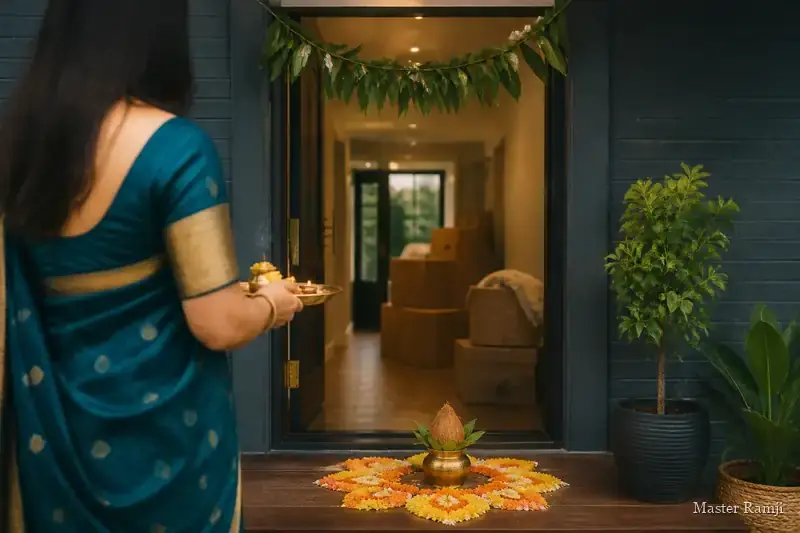
Planning a griha pravesh in Australia has three parts. Pick a date after settlement, with a buffer and backup options. Gather samagri such as a kalash, coconut, mango leaves, a lamp, flowers and milk. Then follow your family's order, usually Ganesh puja, entry, prayers and boiling milk. Customs vary.
In India, a family might choose a griha pravesh date first and build the move around it. In Australia, the order is usually reversed. A contract sets settlement, a builder sets handover, and the removalists have their own calendar. The ceremony has to fit into what is left.
This guide brings the pieces together: when to hold it, what to gather, and what usually happens on the day. Use it alongside your family's own customs, which always come first.
Key takeaways
- Plan the ceremony for a few days after settlement or handover, not the day the keys arrive.
- Most samagri is easy to find locally. Start the list two weeks ahead.
- The usual core is a Ganesh prayer, a kalash, a ceremonial entry, a lamp and boiling milk. Many families add a havan or vastu shanti.
- Plan for smoke alarms, flames and building rules before the guests arrive.
What kind of griha pravesh are you holding?
Tradition describes three forms: apurva, for first entry into a newly built home; sampurva (also spelled sapurva), for entering after returning from abroad; and dvandva, for entering after reconstruction or renovation. Families and priests apply these terms a little differently, especially to established homes bought from someone else.
The form affects how elaborate the rite is and how strictly a date is chosen. Ask your elders or priest which they consider fitting. For a plain definition, see what griha pravesh is. If you are renting, read whether griha pravesh suits a rental first, as many families choose a simpler version.
How do you time it around settlement day?
Under a Victorian contract, settlement is the point when ownership passes and the keys are released. Settlements can run late in the day, and occasionally slip. So treat settlement day as a moving day at most, not a ceremony day.
- List the fixed dates. Settlement or handover, the end of your current lease, and any travel by elders.
- Add a buffer. Leave a few days after settlement, in case it is delayed.
- Ask for several muhurat options. A first and second choice inside your window protects the plan.
- Book the people. Priest, family and helpers, then the removalists around them.
Many families move boxes in first and hold the ceremony later. Some carry in a lamp, an image or a pot of water on the first day as a small sign of entry. That is common practice, not a failure. Planning griha pravesh around settlement works through a detailed example, including what to do when the truck must come first.
What samagri do you need?
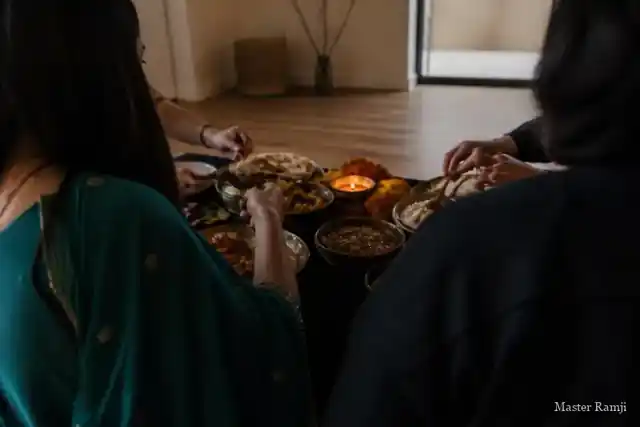
Lists vary by region and priest, so check with whoever is leading. A typical home ceremony uses items like these:
- For the kalash: a copper, brass or steel pot, water, mango or betel leaves, a coconut, red thread and a small cloth.
- For worship: a Ganesh image or murti, turmeric, kumkum, uncooked rice, flowers, a garland, incense and a lamp with ghee or oil and cotton wicks.
- Offerings: fruit, sweets, betel nuts, dry fruits and a few coins.
- For the kitchen: a new or clean pot and full-cream milk for boiling, often with rice and sugar to make a sweet dish.
- For the entry: a toran of fresh leaves or flowers, and materials for a rangoli at the threshold.
- If there is a havan: a portable kund, wood, ghee and havan samagri. Our guide to what goes into havan samagri explains the mix.
- Practical extras: matches, a metal tray for the lamp, a bucket of water, towels and rubbish bags.
Buy fresh items the day before. If a priest is coming, ask what they bring themselves, so you don't double up.
What usually happens on the day?
Orders vary, but many ceremonies follow a pattern like this:
- Preparing the entry. The home is cleaned, the toran is hung and a rangoli is drawn at the door.
- Ganesh puja. Prayers to Ganesha, remover of obstacles, open the rite.
- Kalash puja. The filled pot is worshipped and often carried into the home.
- The entry. The household steps in together, often right foot first, sometimes with the lady of the house carrying the kalash.
- Vastu shanti or navagraha prayers. Included in many families, usually led by a priest.
- Havan. Optional, and only where the home and the day allow it safely.
- Boiling milk. Milk is boiled in the kitchen until it rises over the pot, a traditional sign of plenty.
- Aarti and a shared meal. The rite closes with aarti, prasad and food for family and guests.
A short version without a priest might keep only the Ganesh prayer, the kalash, the entry, a lamp and the milk. Many families consider that complete.

How do you keep it safe?
New homes and moving boxes make flame riskier than usual. CFA advises keeping candles and incense at least a metre from anything that can burn, on a stable surface, and never leaving them unattended. Keep lamps well away from curtains and cardboard, and keep children back from the havan kund.
Smoke can trigger alarms, particularly in apartments with a building-wide system. Open windows, keep the fire small, and never cover or disable an alarm. If you live in an apartment or townhouse, check the owners corporation rules before planning any fire. Let the neighbours know if guests will park on the street.
What can griha pravesh do, and what can't it?
Griha pravesh is a matter of faith and family custom. It can mark a real beginning, bring generations together and offer thanks for a home. It can't protect a property from defects, change its value or promise a happy household. Your conveyancer, building inspector and insurer handle those questions.
If the date you hoped for passes, nothing is lost. Hold the ceremony on the next suitable day.
Would help with timing be useful?
Griha pravesh muhurat options can be worked out for your settlement date, your work rosters and Melbourne's local sunrise. Sessions can be held by phone, WhatsApp or video, and any fee is stated before paid work begins. Have your settlement date ready, and get in touch.
Related service

Keep reading

Should You Do Griha Pravesh for a Rental?
Thinking about griha pravesh for a rented house? Why customs differ, a ladder of simpler rites for tenants, and how to fit one around Victorian renting rules.
Read article →
Timing a Home Purchase
Wondering whether astrology can time a house purchase? How the fourth house and muhurat are used, and why your broker, conveyancer and budget come first.
Read article →
Sharing a Home With Three Generations
Practical multigenerational living tips for families sharing one home: space, routines, money, raising children and protecting everyone's independence.
Read article →Quick answers
What is griha pravesh?
Griha pravesh is a Hindu housewarming ceremony held when moving into a home. Here is what usually happens and how families fit it around a move in Australia.
Read answer →Is griha pravesh needed for a rented home?
A griha pravesh isn't strictly needed for a rented home, though many families choose a simple version. Here is what a short ceremony can look like.
Read answer →Talk to Vijay Ramji
Tell us what you are facing. If a reading is unlikely to help, you will be told that plainly.