
Finding Quiet in a Busy Flemington Life
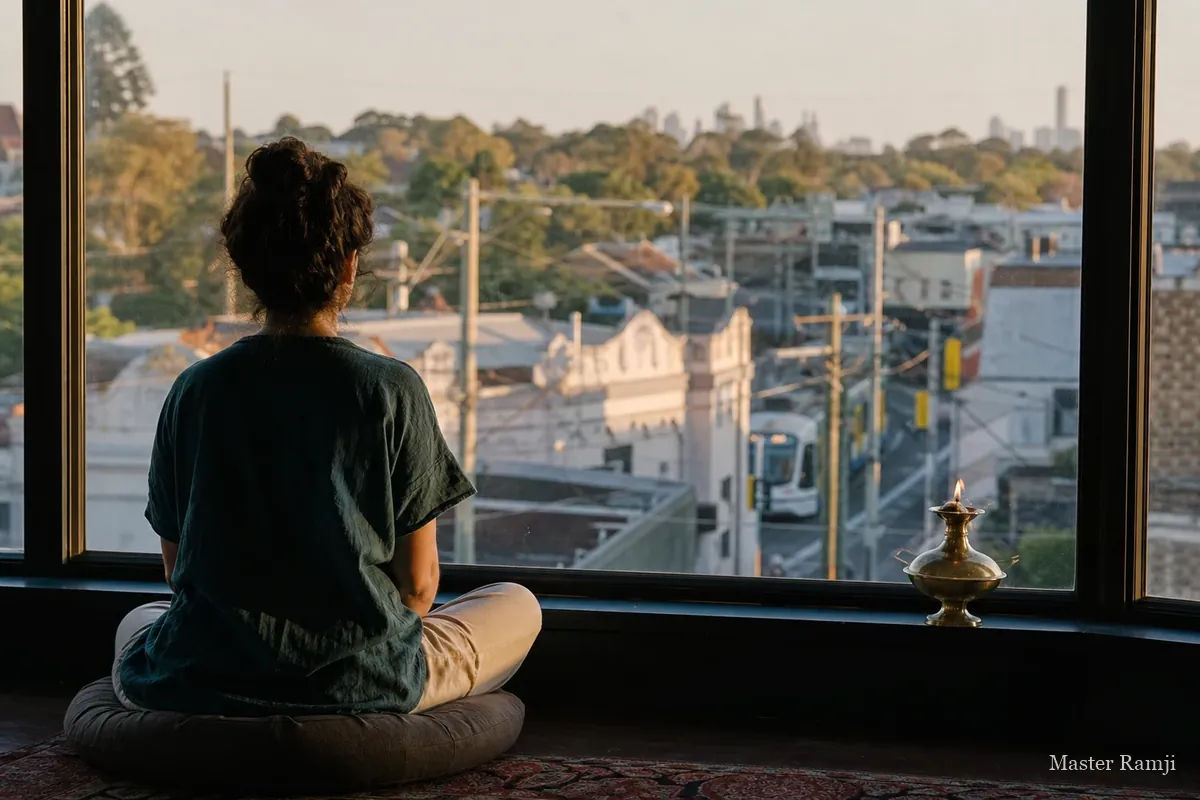
Finding calm in a busy Flemington apartment starts small. Pick one spot, practise for a minute or two when the home settles, and use free places nearby such as the library or Debneys Park. This may ease everyday stress, but it won't solve housing problems or replace professional support when you need it.
Flemington is famous for its racecourse, but for the people who live here it is simply home. Victorian Places describes an inner suburb 4 km north-west of Melbourne, between North Melbourne and Ascot Vale. Older houses sit near private flats and the public housing towers around Debneys Park. Land was set aside for those high-rise flats in 1957, and they added more than 4,000 residents to the suburb.
Wanting more quiet isn't about any one kind of address. It comes up with a new baby in a terrace, in a share flat near the tram line and with three generations around a tower apartment's table. This guide offers small practices for finding calm in a busy apartment in Melbourne. All of them are free, and none needs a spare room.
Key takeaways
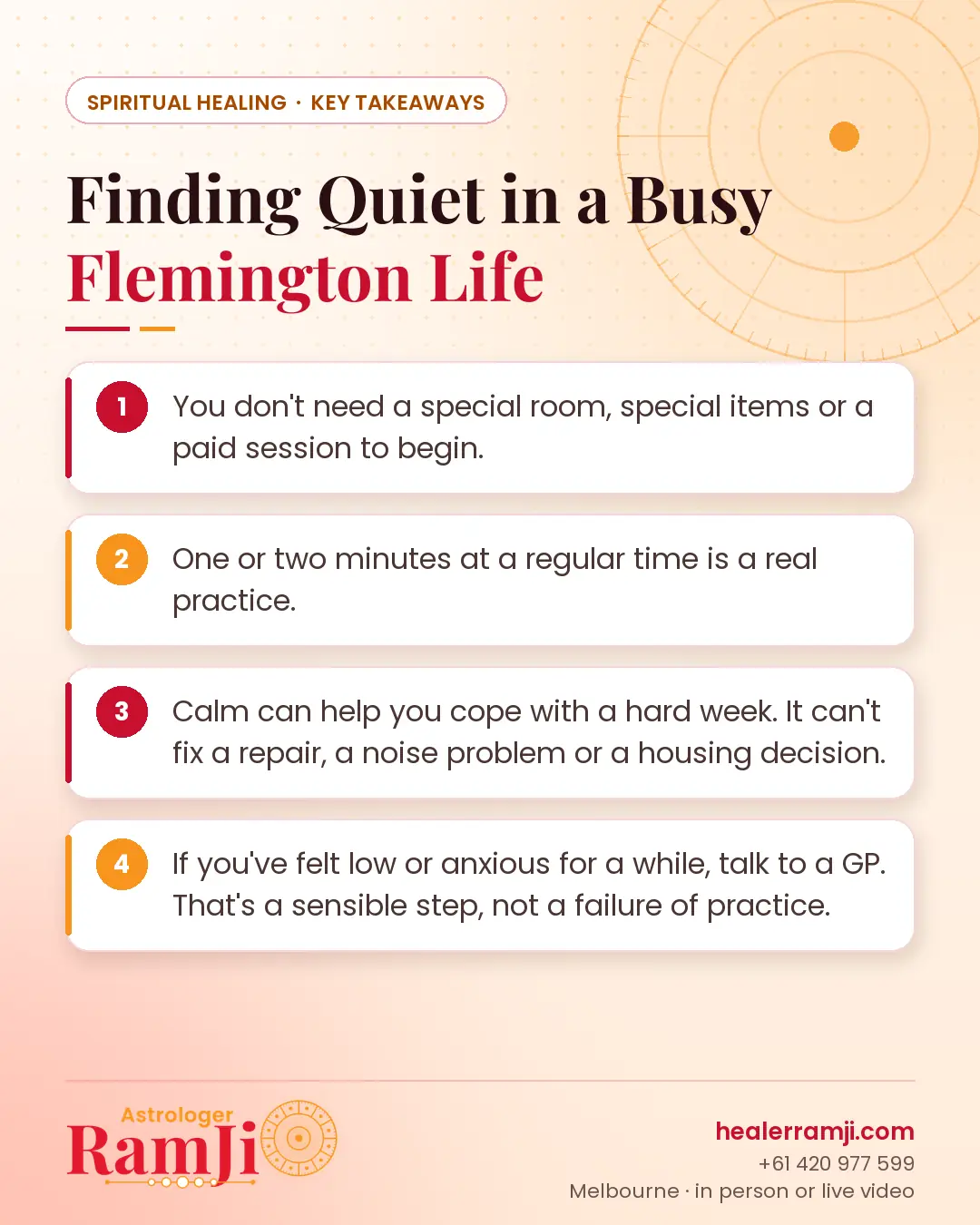
- You don't need a special room, special items or a paid session to begin.
- One or two minutes at a regular time is a real practice.
- Calm can help you cope with a hard week. It can't fix a repair, a noise problem or a housing decision.
- If you've felt low or anxious for a while, talk to a GP. That's a sensible step, not a failure of practice.
Why is quiet so hard to find at home?
Small homes hold a lot of life. One person may be coming off a night shift while another studies for exams and a toddler is up early. Family may be staying for weeks. Outside, there are trams on Racecourse Road, footsteps overhead and, on big race days, extra crowds nearby.
None of this means you are doing anything wrong. Sharing walls and streets with other people is ordinary city life, and it has its good sides too. The aim isn't to get rid of noise, which you may not be able to do. It's to have a few moments each day that belong to you.
Do you need a spare room?
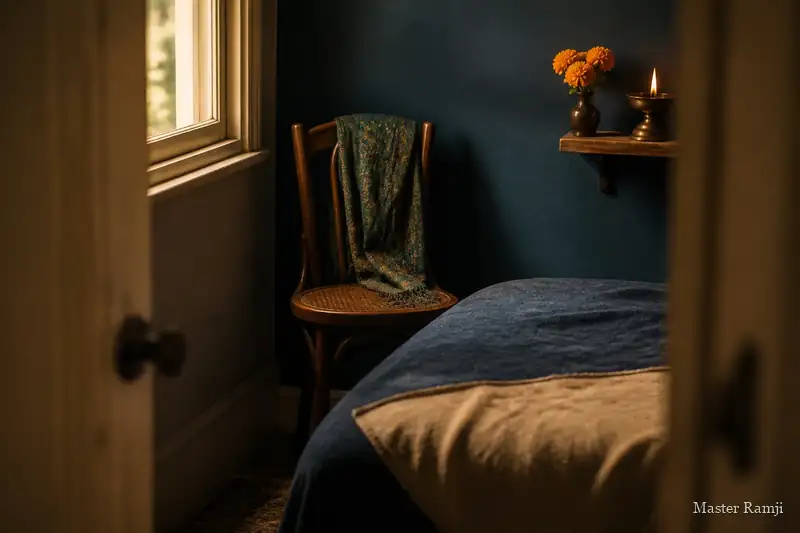
No. You need a spot you return to, because going back to the same place helps the habit stick. It could be a chair by the window, the end of your bed or a cushion you bring out and put away. Some people like to keep a picture, a lamp or a small object close by, and our guide to setting up a small home mandir has ideas if you'd like a shelf of your own. If you follow another faith, or none, use whatever suits you.
It also helps to let the household know. Saying "I'm taking two minutes" is often enough, and children can learn that a closed door means back soon. If there's no door, try sitting with your back to the room, or take your two minutes before anyone else is up.
What can you do in two minutes?
Healthdirect suggests starting with one to two minutes a day and building up over weeks or months. It also says it's normal for your thoughts to drift. Try one of these:
- Count your breathing. Breathe in and out slowly. Count each out-breath up to ten, then begin again. If you lose count, go back to one without any fuss.
- Whisper a prayer. A mantra or a line of prayer can be said under your breath, so nobody else needs to hear it. Mantra and meditation guidance can help you choose one if you'd like a starting point.
- Listen on purpose. Stop trying to block the sound. Notice the tram, the lift and the voices next door, one at a time, without deciding whether you like them. For a moment, the noise becomes your practice.
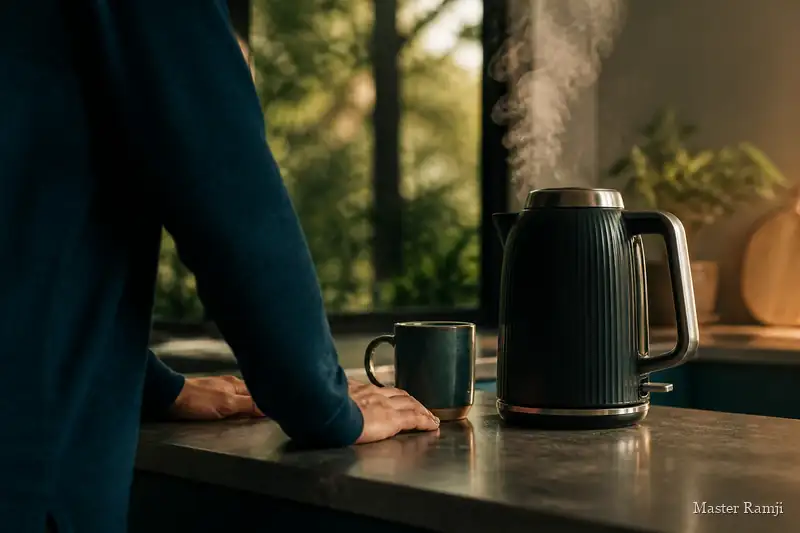
- Use the kettle. Turn it on and do nothing else until it clicks off. Stand still and feel your feet on the floor.
If two minutes feels like too much to find, our page on meditation for people with no spare time shows how to fit it into the day you already have.
What if the noise never stops?
Foam earplugs are cheap, and a free white noise recording on your phone can soften sudden sounds. Shifting your practice by half an hour may also help, as most homes have a quieter patch.
Some problems shouldn't be left to your breathing, though. If noise, a repair or safety is wearing you down, it belongs with your landlord, building manager or housing provider. Tenants Victoria gives renters information about their rights, and its website has a section on public housing. Asking for something to be fixed is not a lack of patience.
Where can you go nearby?
A change of place can do what a closed door can't, and these options cost nothing to try:
- Flemington Library. You'll find it at 313 Racecourse Road. Check its hours with Moonee Valley Libraries before you go.
- Debneys Park. Do a slow lap and count your steps to ten, over and over.
- Moonee Ponds Creek. It runs along Flemington's eastern edge, and a walk there is a good way to clear your head after a long shift.
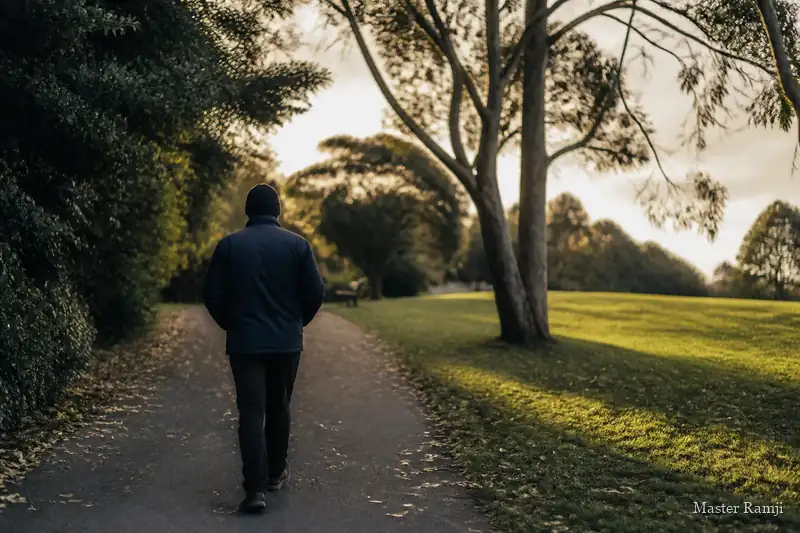
Can you light a lamp or incense in a small flat?
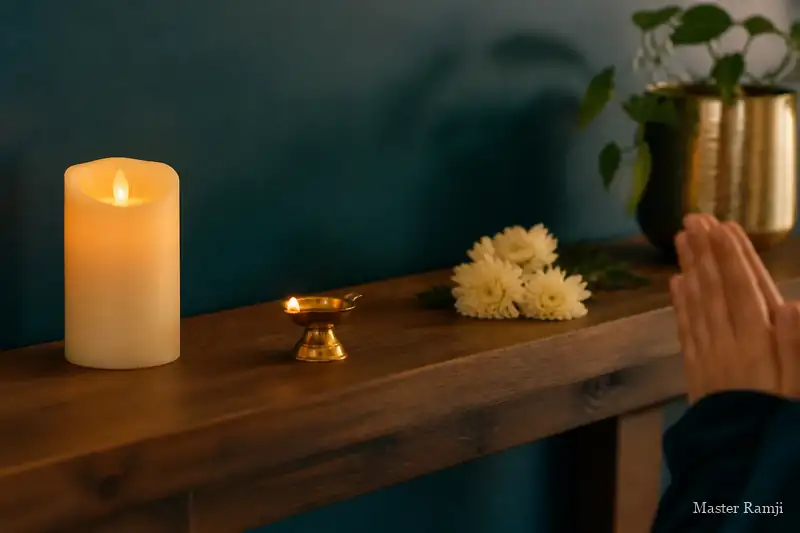
You can often do so with care, but check your building's rules first. The CFA's advice is to place candles and incense on a stable surface at least a metre from anything that catches fire easily, and never to leave them burning with nobody around. It also suggests thinking about battery-operated candles, which suit a small space or a home with young children. Never cover or disable a smoke alarm. Our guide to cleansing an apartment without setting off alarms has more practical tips.
What if housing change is on your mind?
The Victorian Government has announced a major redevelopment of the Flemington housing precinct, and plans like this can be unsettling if you live there or have family nearby. It's reasonable to feel tired or worried when a home is part of a big plan. Go to Homes Victoria for official updates, and ask Tenants Victoria or a community legal centre about your rights.
A short practice may help you stay steady through meetings and letters. It can't tell you what will happen. Don't pay anyone who offers a ritual or reading to change a housing decision.
When is it more than a noisy week?
Please talk to someone if you've been feeling low or on edge for a while, you aren't sleeping, or you've begun to feel that things won't improve. A GP is a good first step, and you can ask about costs when you book. Beyond Blue is on 1300 22 4636, and Lifeline is on 13 11 14 at any hour. Prayer and professional care can go together.
Can spiritual support help?
You don't need a session for anything above. Some people still find it useful to talk with someone outside their circle. Spiritual support in hard times is a confidential conversation about what you're carrying, along with simple practices to keep up on your own. It isn't counselling or medical care. Sessions can be held by phone, WhatsApp or video, and fees are stated before any paid work. An ethical reader won't tell you that you need a costly ritual to find peace.
You can read about our work in inner north-west Melbourne. Vijay Ramji is based nearby in Ascot Vale. If you'd like to talk, please get in touch.
Related service
Keep reading
Choosing Between Healers in Brunswick
Comparing energy healers and spiritual healing in Brunswick? General checks on training, fees and boundaries, plus where to take a concern in Victoria.
Read article →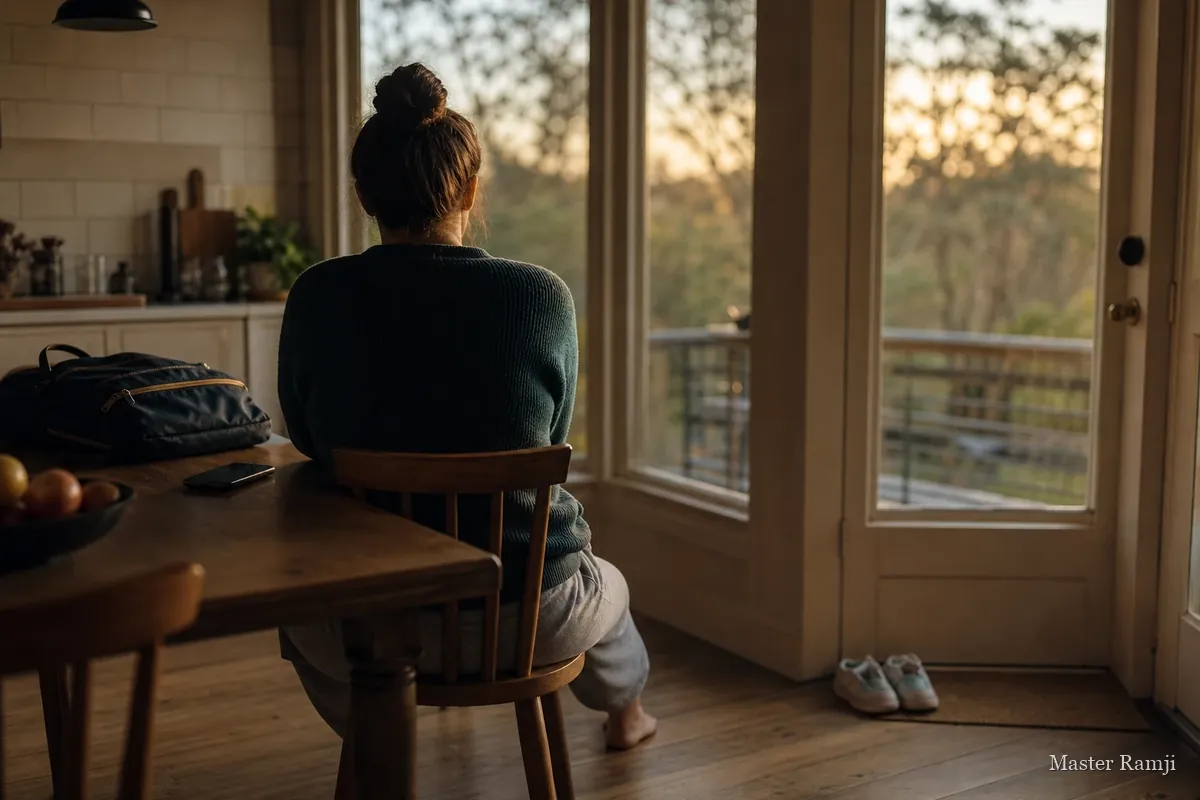
Five Quiet Minutes for Busy Parents in Mernda
A five-minute morning meditation for busy parents in Mernda, with an optional mantra, realistic places to fit it in, and where to turn when it isn't enough.
Read article →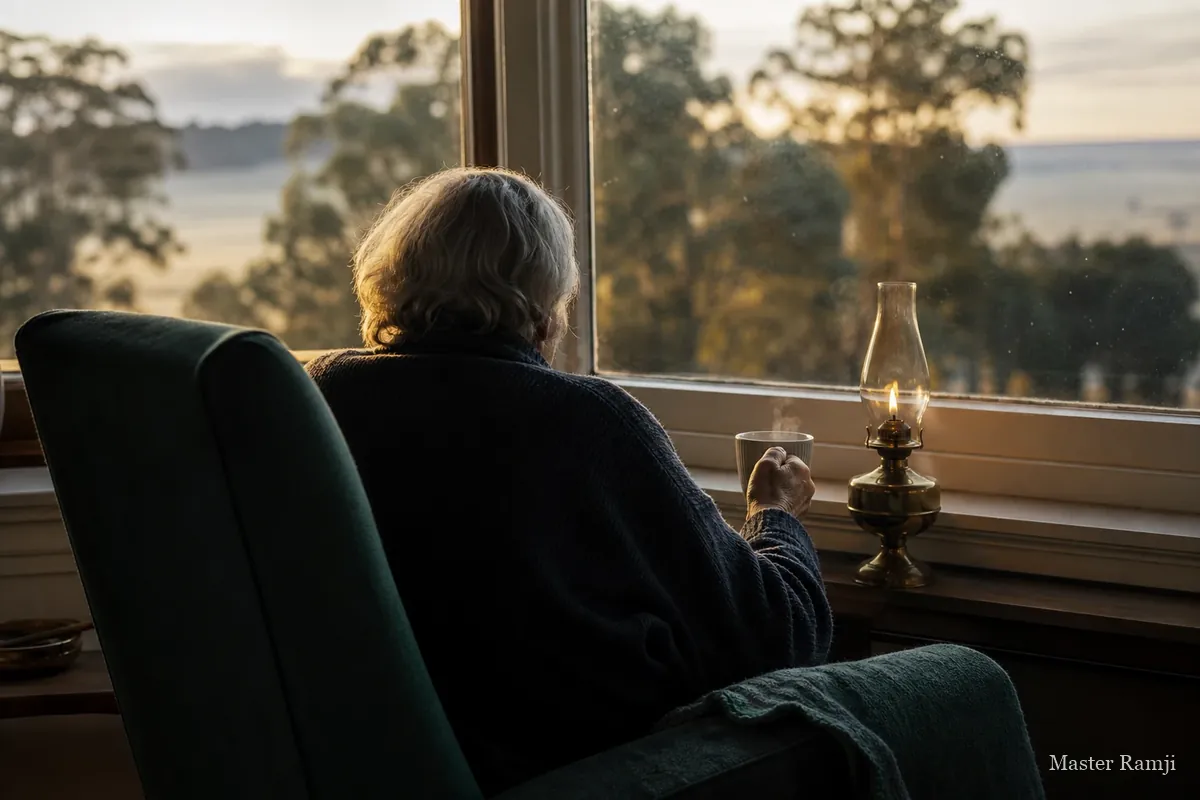
Spiritual Practice in Retirement: Ideas From Croydon
Retired in Croydon and missing the shape of a work day? Simple ideas for a spiritual routine, mantra practice and purpose, with honest limits on what it can do.
Read article →More from Inner North-West Melbourne
Choosing Between Healers in Brunswick
Comparing energy healers and spiritual healing in Brunswick? General checks on training, fees and boundaries, plus where to take a concern in Victoria.
Read article →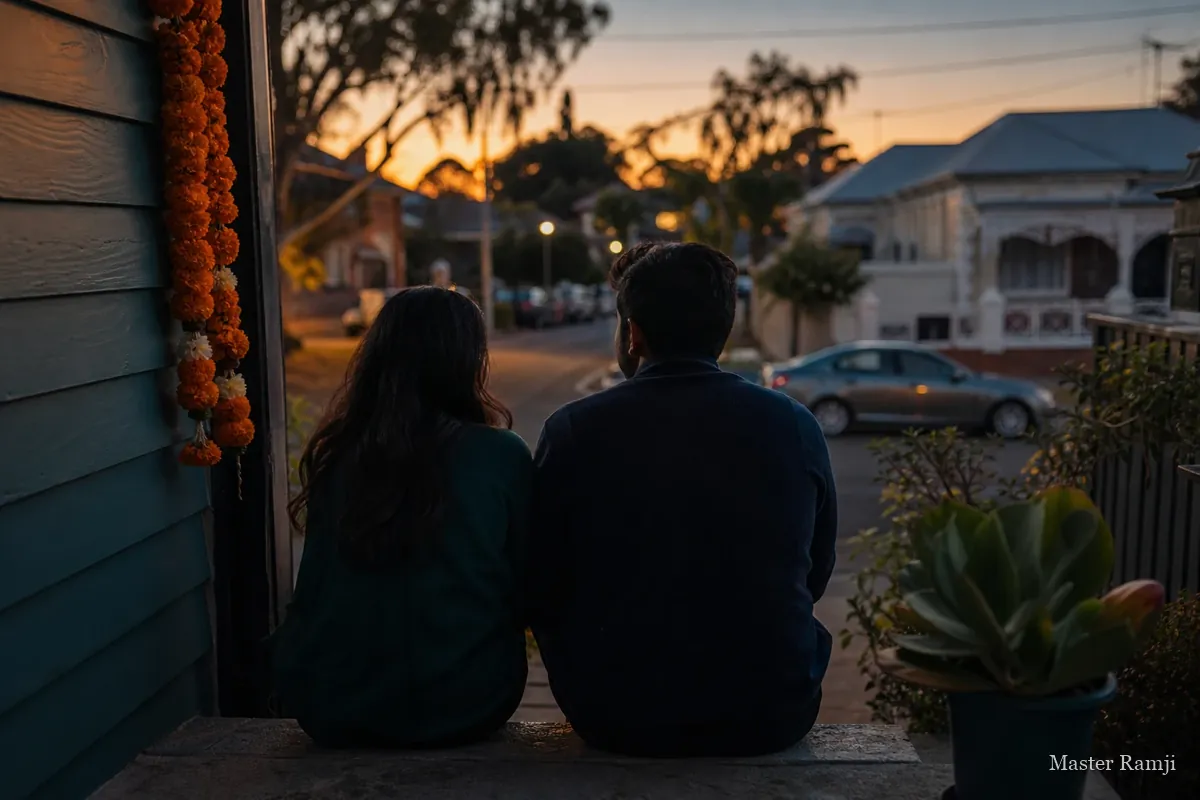
Second-Generation Couples in Brunswick and Family Traditions
A second-generation couple in Brunswick? How to sort family traditions into what you keep, adapt and renegotiate, and how to talk to parents without a blow-up.
Read article →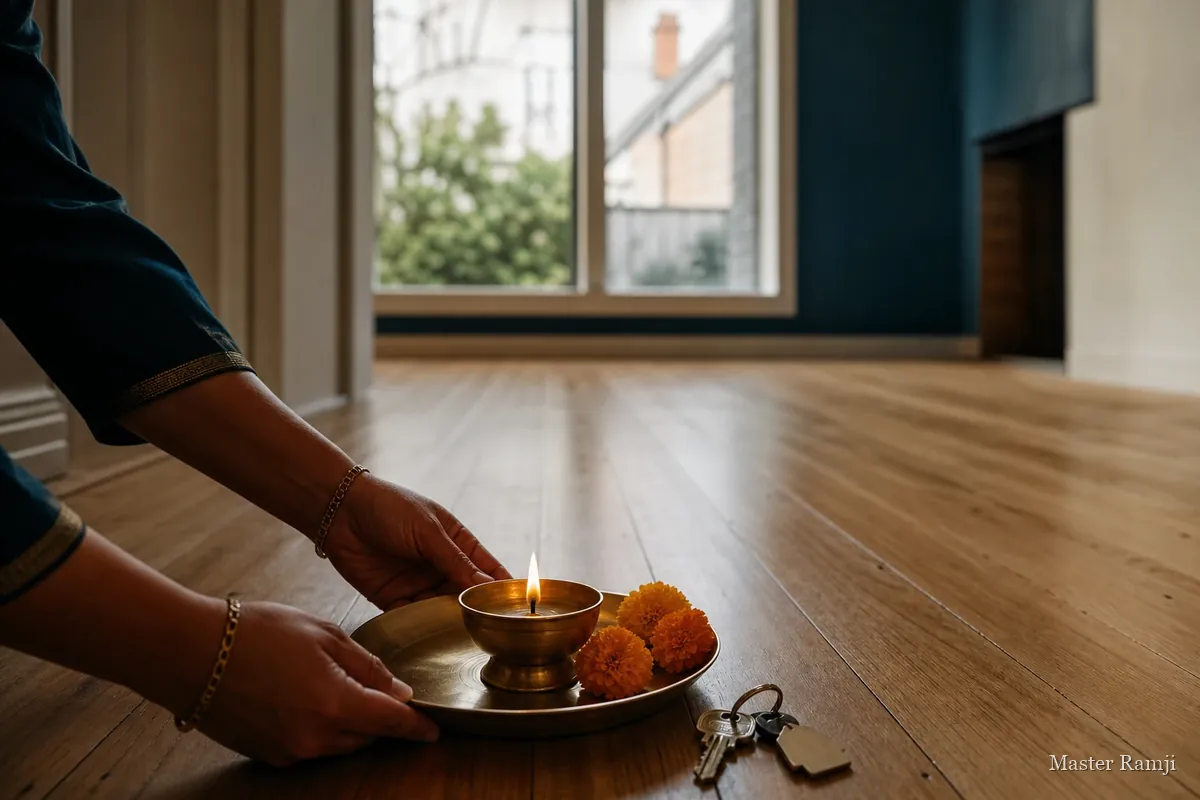
Cleansing a Kensington Townhouse Before Moving In
Moving into a Kensington townhouse? How to plan a short house blessing with neighbours through the wall, including timing, noise, smoke and what to skip.
Read article →Local pages
Astrologer in Ascot Vale
Vijay Ramji is a Vedic astrologer and spiritual healer based in Ascot Vale, Melbourne. Sessions are held by phone, WhatsApp or video, booked in advance.
View area →
Astrologer for Moonee Ponds
For Moonee Ponds homes, leased offices and family matches. Vijay Ramji is based in Ascot Vale, with sessions held by phone, WhatsApp or video.
View area →
Astrologer for Essendon
For Essendon households weighing up renovations, parents and teenagers, or a mixed-faith family. Based in Ascot Vale, with sessions by phone, WhatsApp or video.
View area →Quick answers
What is energy healing?
Energy healing rests on the belief in a life force that can be guided. Here is what a session involves, and what the evidence does and doesn't show.
Read answer →Can spiritual healing replace a doctor?
Spiritual healing can't replace a doctor or prescribed treatment. Here is how to keep your faith alongside medical care, and which warning signs to watch for.
Read answer →Talk to Vijay Ramji
Tell us what you are facing. If a reading is unlikely to help, you will be told that plainly.