
Cleansing a Kensington Townhouse Before Moving In
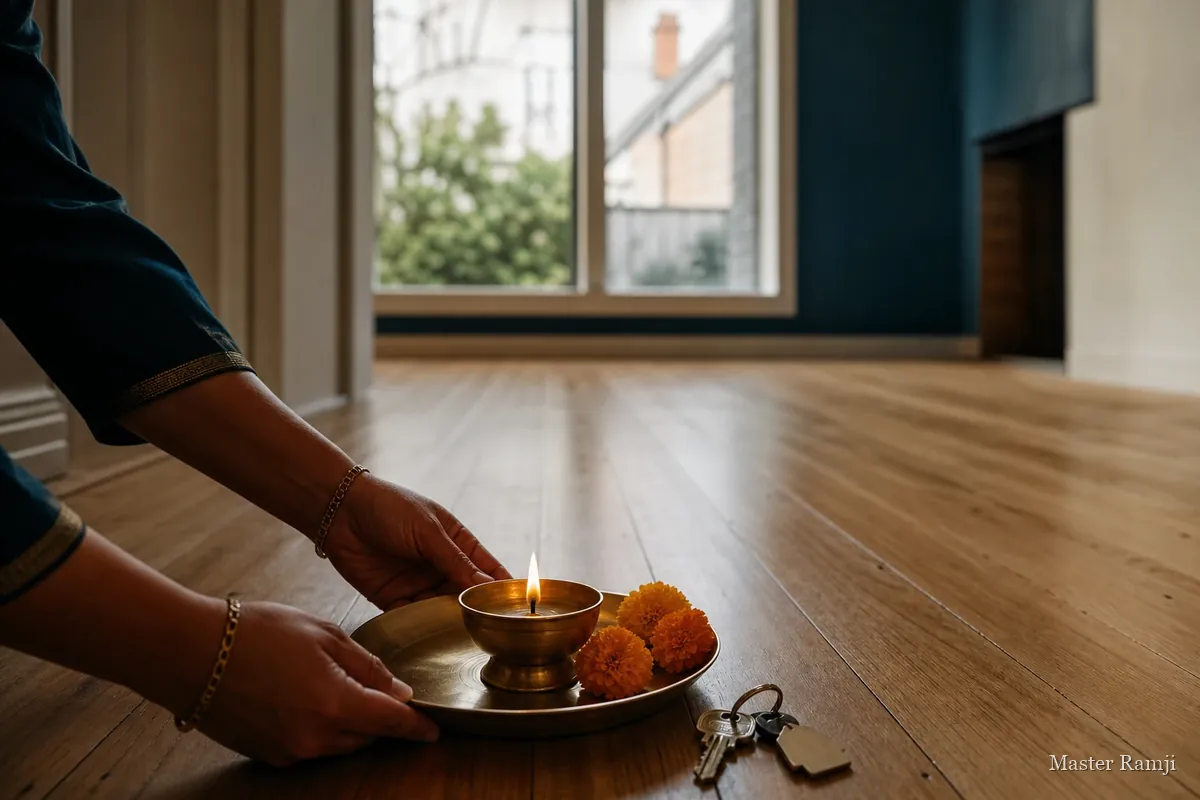
To cleanse a Kensington townhouse before moving in, keep the rite short and quiet. Go in after you have the keys and before the furniture, choose a time when neighbours are up, use little smoke, and keep any flame attended. A cleansing is a tradition. It can't fix defects or promise good fortune.
Kensington sits about 3 km north-west of central Melbourne, and it has been built over more than once. Victorian Places records saleyards opening here in 1859, a railway with Kensington and Newmarket stations in 1860, and later the Lynch's Bridge housing project on the old saleyards and abattoirs. It also credits medium-density housing and renovated cottages with helping to revive the Macaulay shopping area.
So a new home here may well share a wall with the people next door. A rite designed for a detached house on a quiet block doesn't always suit that. This guide is about a short, respectful house blessing for a townhouse, carried out with your neighbours in mind.
Key takeaways
- The core of a rite can stay the same. Mainly the scale changes: fewer people, less sound and less smoke.
- The best window is usually after you have the keys and before the furniture arrives.
- Noise rules and neighbours matter, especially if your chosen time falls before breakfast.
- A cleansing is a tradition. Building problems need a builder or inspector.
Does a townhouse need a different rite?
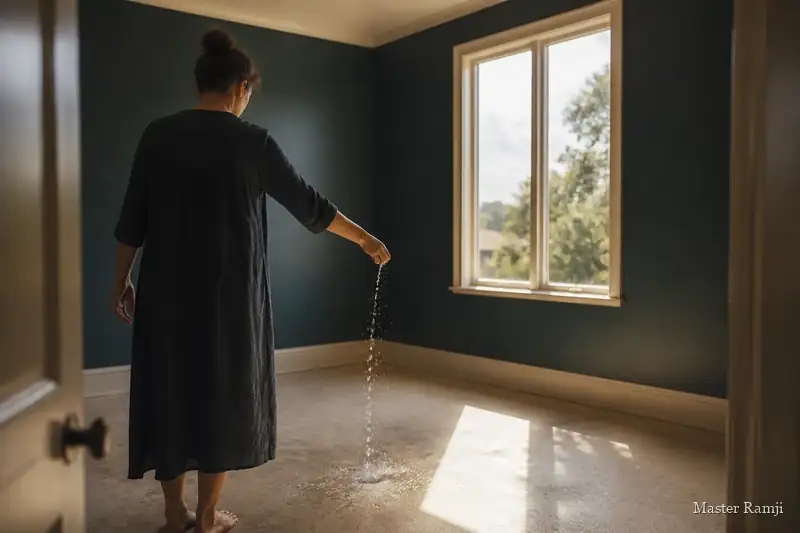
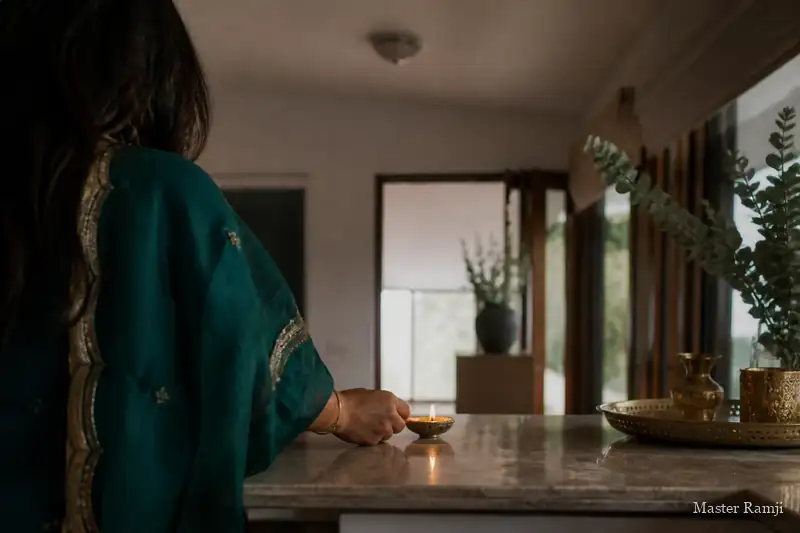
Not in substance. Families often mix up two things. A griha pravesh is a formal entry into a new home, usually with a priest and a chosen time, and our page on what griha pravesh involves covers the basics. A cleansing is usually simpler: water, a lamp, a prayer or mantra, and moving through each room with a settled mind. Customs vary widely by region and family, so ask whoever guides your household what they consider essential.
You might find that very little is essential. A lamp and a few minutes of prayer in each room can carry the meaning for many families, and fewer steps also suit a home with narrow stairs and small landings. These are beliefs, and no one has shown that they change what happens in a home. Many people find them worthwhile anyway, as a way of marking a new start.
Should the old saleyards worry you?
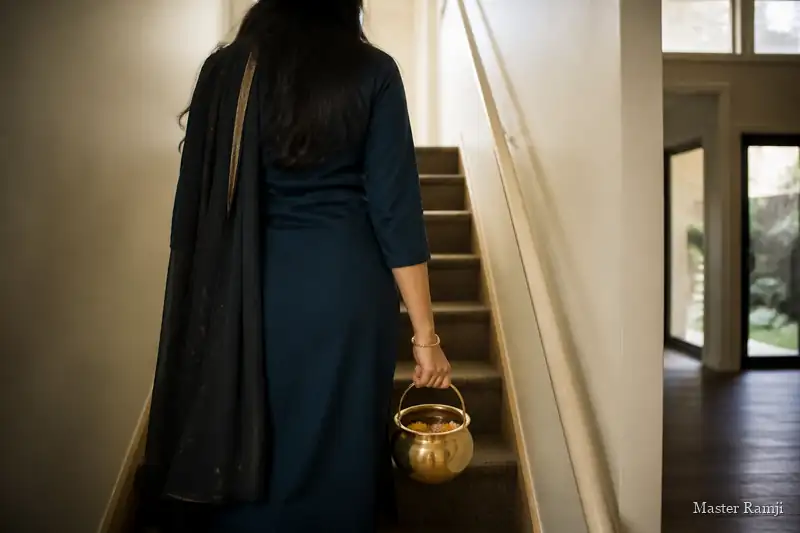
Some buyers around Lynch's Bridge learn about the abattoirs and then feel uneasy. In some traditions, land is purified before a house is built on it, so that feeling has real roots. Still, a site's history is no reason to feel afraid, and no reason to pay for an elaborate rite. If it plays on your mind, a simple prayer that acknowledges the land may be enough.
If your question is really a practical one about contamination or the title, take it to your conveyancer or the council before you sign. A priest or astrologer can't answer that.
When should you do it?
If you can, follow this order:
- Settlement and keys. The home isn't yours to use until then. Our guide to fitting griha pravesh around settlement explains why you shouldn't let a date drive your contract. If you're renting, read about griha pravesh in a rented home.
- The rite, in empty rooms. There's room to walk around, and no boxes near a flame.
- The removalists. Book them for later that day or another day, and leave a buffer.
Timing is where a townhouse gets tricky. Many family calendars favour an early morning. If you ask for griha pravesh timing, ask for several suitable windows, including at least one in daylight. If your family feels strongly about a pre-dawn time, keep that part silent and save anything louder for later in the morning.
How do you keep the noise down?
EPA Victoria lists prohibited times for residential noise. For musical instruments and electrical audio goods, these are:
- Monday to Thursday: before 7 am and after 10 pm
- Friday: before 7 am and after 11 pm
- Saturday and public holidays: before 9 am and after 11 pm
- Sunday: before 9 am and after 10 pm
Those times aren't the whole story. The EPA also says a council officer may still assess noise as unreasonable within the allowed times, and it says reports of residential noise go to the council. Check the current page yourself, as rules can change.
In practice:
- Skip speakers and recorded chanting, or keep them very low.
- Use a small hand bell, briefly. Leave drums and amplified music for another place.
- Chant at conversation level, and stay away from the shared wall when you can.
- Remember that bare floors and empty rooms can carry sound further than you expect, including footsteps on stairs.
What about flame and smoke?
Small homes fill with smoke quickly, and an alarm going off is a poor way to meet the neighbours. The CFA's advice on candles and incense is simple. Don't leave a flame burning without someone around, and put it out before you go out or go to sleep. Use a stable, hard surface at least one metre from anything flammable. Keep children close by, and keep burners away from open windows and strong breezes. Incense needs airflow, so don't burn it in a cupboard or a tiny enclosed space.
For a townhouse, add these:
- Use one lamp in one safe spot, and don't carry a flame up or down stairs.
- Use water, flowers or a mantra in rooms where a flame isn't sensible.
- Never cover or disconnect a smoke alarm. If that means no incense, go without it.
- Leave a havan or other open fire out. Ask your priest about a version without fire, or hold it somewhere suitable.
Our guide to cleansing an apartment without setting off alarms has more ideas, and most of them work here.
Should you tell the neighbours?
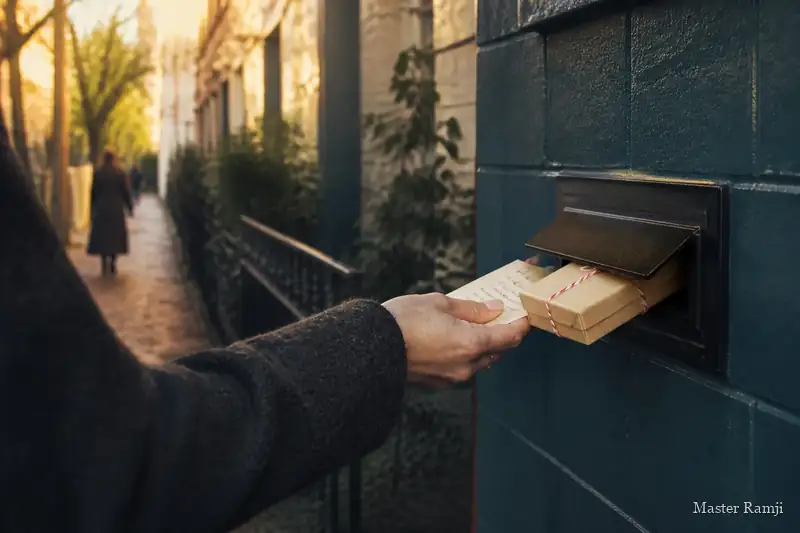
Yes, if the rite involves any sound or visitors. It's also a nice way to introduce yourself. A short note in the letterbox is enough:
"Hello, we are moving in next door. On Saturday morning we'll hold a short family blessing, for about an hour, with a few relatives. It should be quiet, but please knock if anything bothers you."
You won't be the first household here with customs of its own. Victorian Places notes that a former Anglican church on Macaulay Road is now a Coptic Orthodox church. If you share sweets afterwards, mention what's in them, and don't be offended if someone declines.
Check for shared areas as well. If the property has an owners corporation, read its rules first, as Consumer Affairs Victoria says these can cover noise and behaviour on common property. Keep shoes, rangoli and guests off a shared driveway or path unless you know it's allowed. If twenty relatives want to come, keep the rite to a few people and hold lunch elsewhere. JJ Holland Park is close by, but ask the council first if your group is large.
What can't a cleansing do?
It can't fix damp, cracks, wiring or a gas smell. Those need a building inspector or a licensed tradesperson. It can't promise good fortune, and skipping it won't bring bad luck. Plenty of happy households never hold one. If you feel constantly uneasy in a new home, and it's affecting your sleep or mood, speak with a GP as well.
If you want help deciding what to include, a moving house cleansing session can go through your family's customs and your dates. Vijay Ramji is based in nearby Ascot Vale, and sessions can be held by phone, WhatsApp or video. You can read more guides for Melbourne's inner north-west, or get in touch.
Related service
Keep reading
Moving Into an Older Home in Sunshine
Moving into an older home in Sunshine? Check asbestos, gas heaters and damp first, then settle the house with a simple blessing that disturbs nothing.
Read article →
Cleansing a Shared House in Reservoir
Renting in a Reservoir share house? How to do a smoke free cleansing that respects your housemates, smoke alarms and lease, and what a ritual can't fix.
Read article →
Exam Nerves or Nazar? Advice for Burwood Students
Anxious before exams in Burwood and told it might be nazar? Look after your health and study support first, and keep any family custom gentle and optional.
Read article →More from Inner North-West Melbourne
Remembering Someone by the Maribyrnong River
A quiet remembrance ritual for walking by the Maribyrnong River, with nothing left in the water. Where to walk, what to bring, and where to find support.
Read article →
Looking After Elderly Parents in Avondale Heights
Caring for ageing parents in Avondale Heights? Family duty and real support services side by side, from aged care assessments to elder abuse help.
Read article →
Picking a Date for a Family Event in Keilor
Planning a naming ceremony, engagement or puja in Keilor? How to pick an auspicious time when hall dates are limited, and what to check before you book.
Read article →Local pages
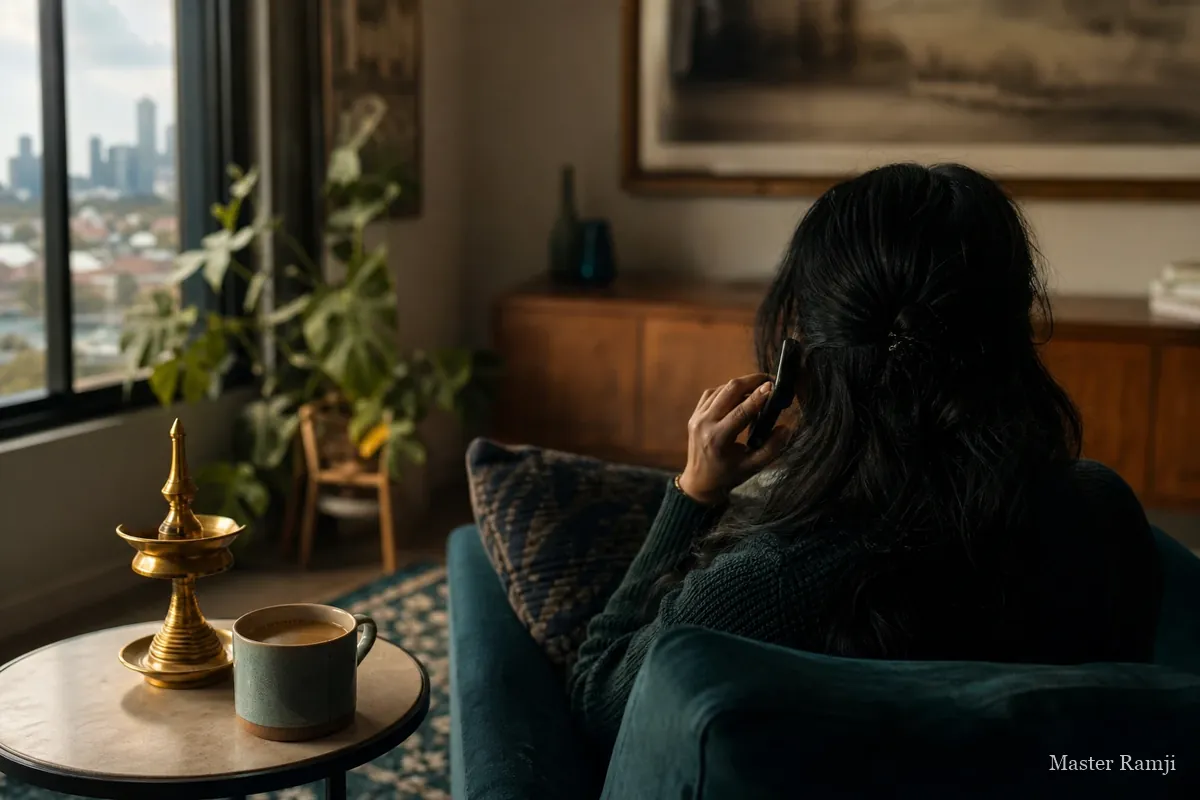
Astrologer in Ascot Vale
Vijay Ramji is a Vedic astrologer and spiritual healer based in Ascot Vale, Melbourne. Sessions are held by phone, WhatsApp or video, booked in advance.
View area →
Astrologer for Moonee Ponds
For Moonee Ponds homes, leased offices and family matches. Vijay Ramji is based in Ascot Vale, with sessions held by phone, WhatsApp or video.
View area →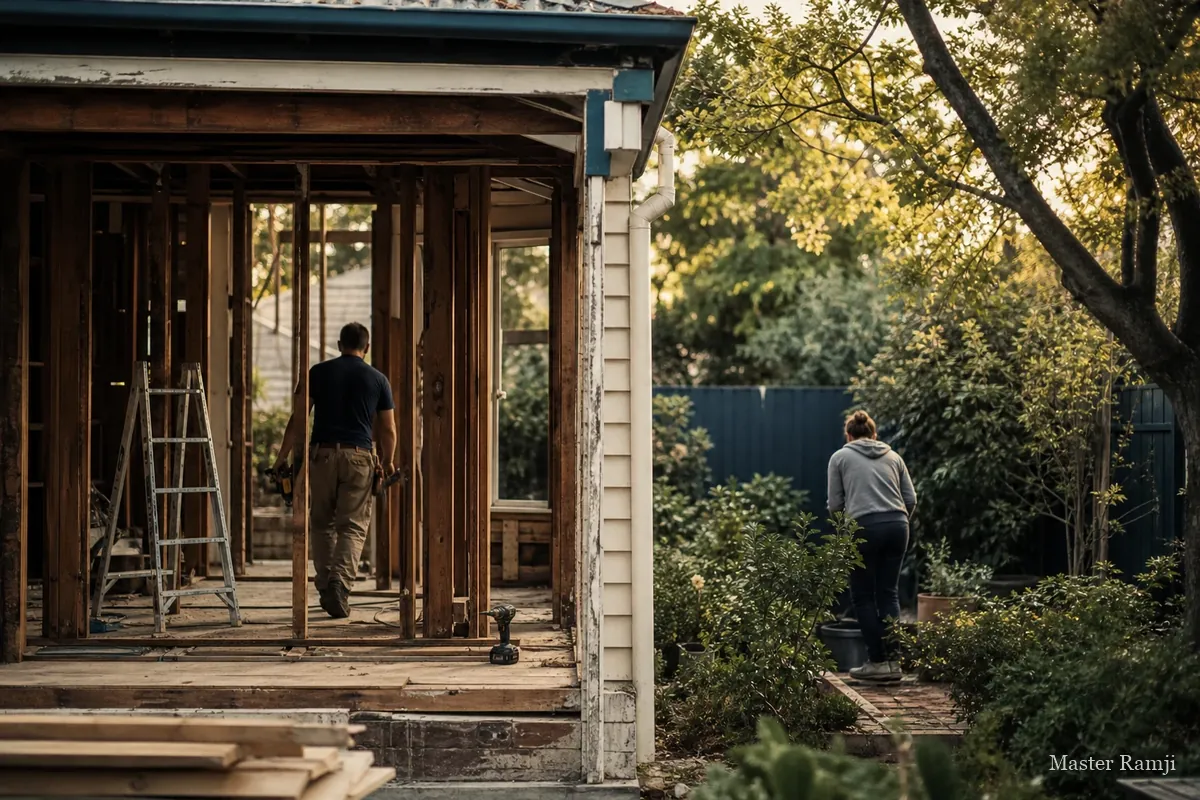
Astrologer for Essendon
For Essendon households weighing up renovations, parents and teenagers, or a mixed-faith family. Based in Ascot Vale, with sessions by phone, WhatsApp or video.
View area →Quick answers
What do people mean by black magic?
Black magic usually means the belief that ritual can harm someone. Here is what the term covers, what it can't show, and what to do if you're worried.
Read answer →How do I know if someone did black magic on me?
There is no reliable sign that proves black magic. Here is what to check first, why fear is a warning sign, and when to get medical help.
Read answer →Talk to Vijay Ramji
Tell us what you are facing. If a reading is unlikely to help, you will be told that plainly.