
Chakra Claims in Coburg Yoga Studios: A Reality Check
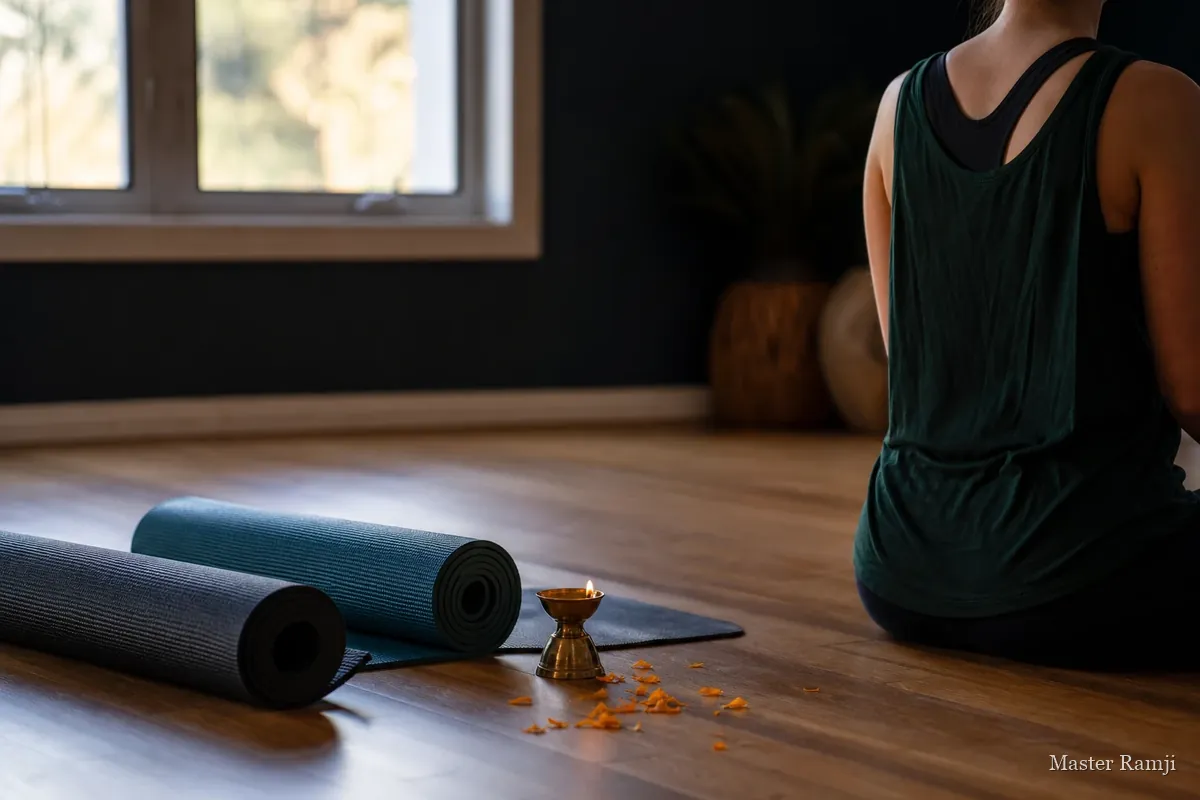
Chakras come from medieval Hindu and Buddhist tantric traditions, and they can come up in yoga classes in Coburg and across Melbourne. Treat chakra talk as tradition and imagery, not anatomy or medicine. Enjoy it if it helps you focus, but be wary of any claim that a class can fix a health problem.
Coburg lies about 8 km north of central Melbourne, with Sydney Road as its high street. Victorian Places notes that the area was first called Pentridge, and that its road board took the name Coburg in 1869, after the royal house of Saxe-Coburg, to honour a visit by the Duke of Edinburgh. Today it sits in the City of Merri-bek, known as Moreland until 2022.
If you take a yoga or wellness class in Coburg, or anywhere in Melbourne, you may hear chakras mentioned or see them on a flyer. This page isn't about any studio or teacher. It is a general guide to telling old tradition from newer marketing, so you can enjoy a class with clear eyes.
Key takeaways
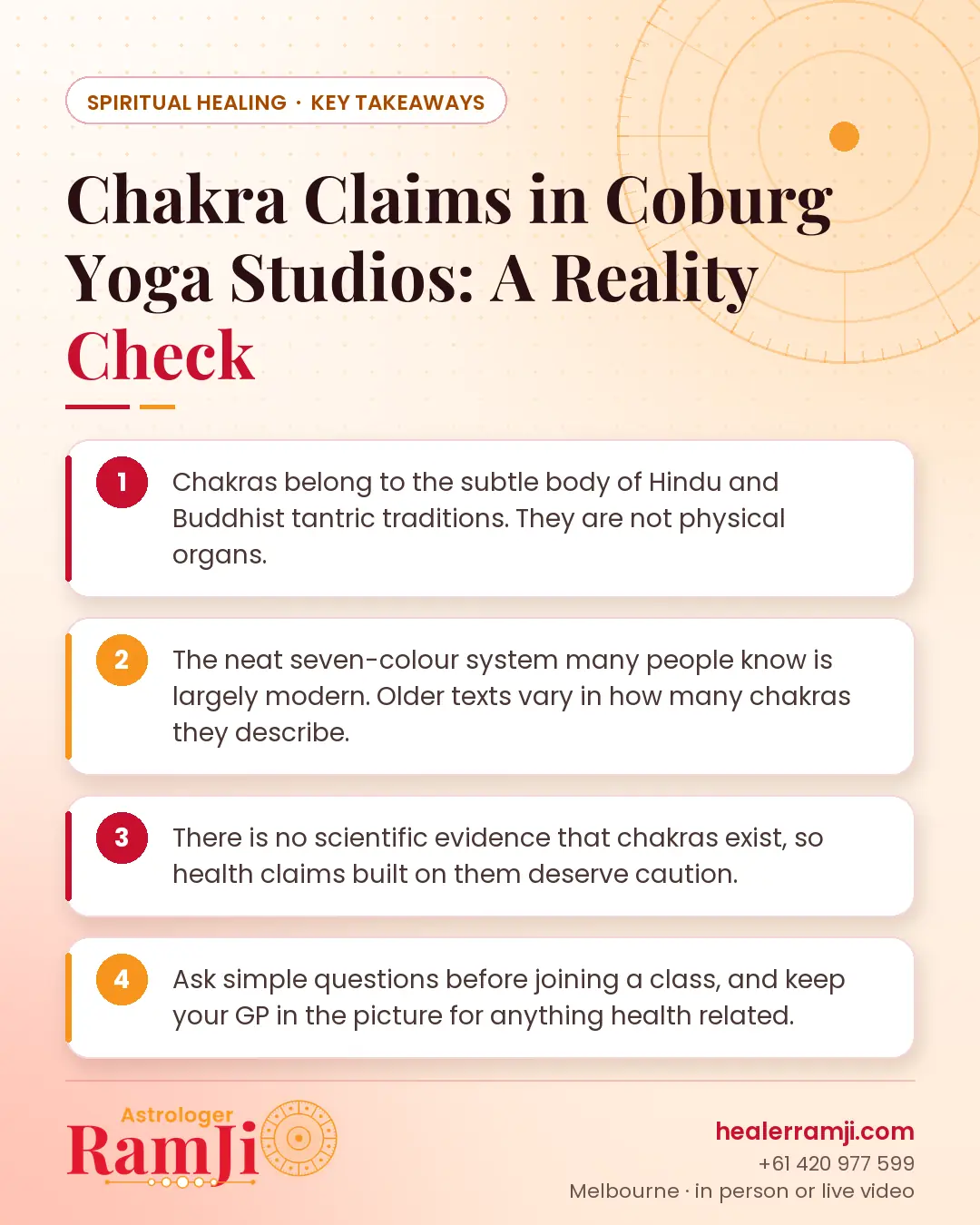
- Chakras belong to the subtle body of Hindu and Buddhist tantric traditions. They are not physical organs.
- The neat seven-colour system many people know is largely modern. Older texts vary in how many chakras they describe.
- There is no scientific evidence that chakras exist, so health claims built on them deserve caution.
- Ask simple questions before joining a class, and keep your GP in the picture for anything health related.
Where do chakras come from?
The idea of chakras as centres of the subtle body appears in medieval Hindu and Buddhist tantric texts. As this overview of chakra history explains, the number of major chakras varied between traditions, typically from four to seven. Some Buddhist texts describe four or five. The best-known Hindu scheme has six chakras plus the sahasrara at the crown.
In these traditions, chakras were mainly points of focus in meditation. Each was linked with elements such as a lotus with a set number of petals, a seed syllable and a deity. The aim was inner practice, not diagnosis. For a plain introduction to the seven-chakra model, see our guide to the seven chakras explained simply.
What is tradition and what is modern?
The seven-chakra system reached Western readers in the late nineteenth and early twentieth centuries, through translations and writers who reshaped it for new audiences. The same source notes that the rainbow colours were added in 1927, and that the colours are not found in any ancient Indian system.
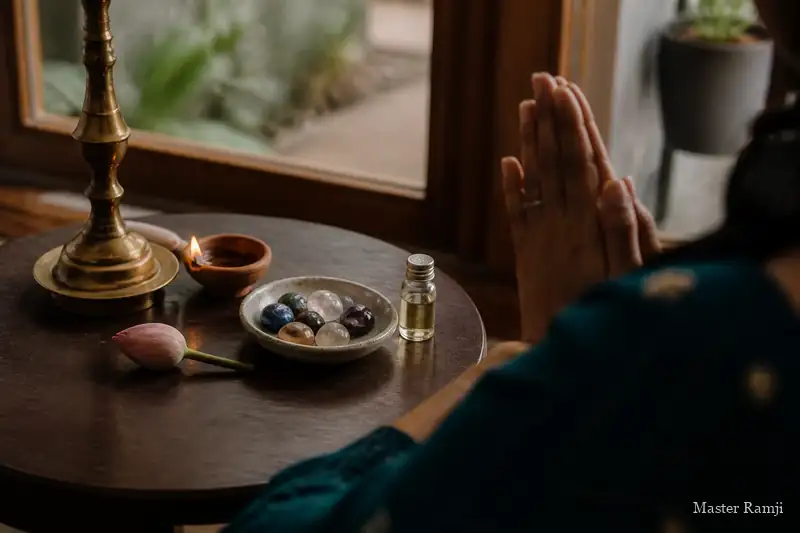
Many things now sold alongside chakras are newer still. Matching crystals, oils, playlists and online "blocked chakra" quizzes are modern add-ons. That doesn't make them wrong to enjoy. A colour or a crystal can be a pleasant focus for attention. It simply helps to know that these pieces are recent, rather than ancient teaching.
Is there evidence that chakras exist?
No. There is no scientific evidence that chakras exist as physical structures, and the traditions themselves place them in the subtle body rather than the physical one. Later writers linked chakras to nerve centres and glands, but those links are interpretations, not findings.
That matters when you weigh a claim. If a class leaves you feeling calmer, enjoy that. But a good feeling after a session isn't proof that a chakra was opened or balanced. Chakras are best understood as a meditative tradition and a language of belief.
Which claims should make you pause?
Be wary of wellness marketing, from any provider, that does any of the following:
- Claims to treat or reverse an illness, or says a "blocked chakra" is causing a medical condition.
- Suggests you can reduce or stop medication, or skip a doctor's appointment.
- Uses fear, for example warning that something bad will happen unless you buy a package.
- Pushes long, prepaid commitments or expensive products after a first visit.
- Can't explain where its ideas come from, or dismisses your questions.
Victoria has a yardstick worth knowing. The Health Complaints Commissioner oversees a general code of conduct for health service providers who are not nationally registered, such as naturopaths and massage therapists. It says providers must not make false claims about curing serious illness, must not mislead people about their services or qualifications, and must not discourage people from seeking other health care. Whether a particular class counts as a health service is a question for the commissioner. Still, those three rules are a fair test for any wellness claim you hear.
What general checks can you make before joining a class?
- Ask about training. Yoga teachers aren't part of Australia's national registration scheme for health practitioners. Voluntary professional associations exist, and teachers can tell you what training they've done and whether they belong to one.
- Ask how chakras are used. A clear answer such as "we use them as a focus for breath and attention" is honest. A promise of health outcomes is a reason to ask more.
- Mention your health. If you have an injury, a health condition or are pregnant, speak with your GP or physiotherapist before starting a new class, and tell the teacher.
- Check the terms. Look for clear prices, a trial class if offered, and fair cancellation terms before you sign up.
- Notice how you feel. A good class leaves room for you to rest, skip a pose or ask a question without pressure.
Our guide to choosing a spiritual healer safely covers similar checks for one-to-one sessions.
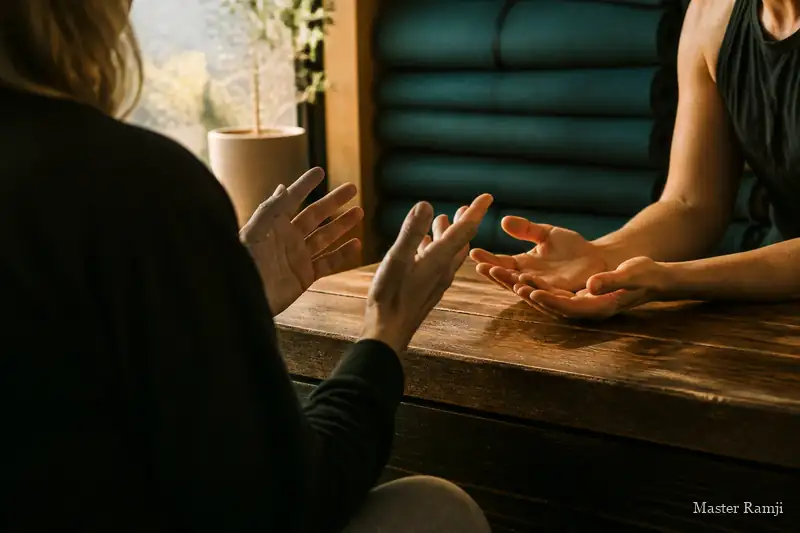
Can chakra practice sit alongside yoga and medical care?
For many people, yes. Some enjoy chakra meditation as a quiet, reflective practice that adds meaning to their week. That works best when it is held lightly, as part of a tradition, and alongside the care of a GP and other health professionals rather than in place of it. Our page on using spiritual healing alongside medical treatment explains how to keep that balance.
Chakra balancing is offered in the same spirit: a spiritual practice rooted in tradition. It doesn't diagnose or treat any condition, and it isn't a substitute for medical advice. If you're unsure about a symptom, call healthdirect on 1800 022 222 or see your GP.
For more on our work in this part of the city, see spiritual guidance in Melbourne's northern suburbs. Sessions can be held by phone, WhatsApp or video. If you have questions, get in touch.
Related service
Keep reading
Support for Migrant Health Workers in Gippsland
A practical guide for migrant nurses, carers and other health workers in Traralgon: coping with rosters, isolation and stress, and where to find real support.
Read article →
Meditation and Mantra on the Surf Coast
Want a steady meditation or mantra practice in Torquay without joining a studio? Simple ways to fit it around surf, seasons and work on the Surf Coast.
Read article →
What to Expect at Your First Energy Healing
Your first energy healing, step by step: how to prepare, what usually happens, what you might feel, what to ask about fees, and what a session cannot do.
Read article →More from Melbourne's Northern Suburbs

Vastu Questions for New Homes in Craigieburn
Common Craigieburn estate layouts read through vastu: garage-forward fronts, rear kitchens and upstairs bedrooms, and which changes are worth your money.
Read article →
Temples and Home Worship in Melbourne's North
Looking for a Hindu temple near Craigieburn, Epping or Mill Park? Four places to start with, how to choose, and when worship at home makes more sense.
Read article →
Launching a Trade Business in Epping: Date and Paperwork
Starting a trade business in Epping? How to pick a launch date without delaying your ABN, licences or insurance, and what a business muhurat can and can't do.
Read article →Local pages
Quick answers
What are chakras?
Chakras are centres of subtle energy described in yogic and tantric traditions. Here are the seven usually named, and why nobody can test if one is blocked.
Read answer →What is energy healing?
Energy healing rests on the belief in a life force that can be guided. Here is what a session involves, and what the evidence does and doesn't show.
Read answer →Talk to Vijay Ramji
Tell us what you are facing. If a reading is unlikely to help, you will be told that plainly.