
Nazar and Children: Family Traditions Explained
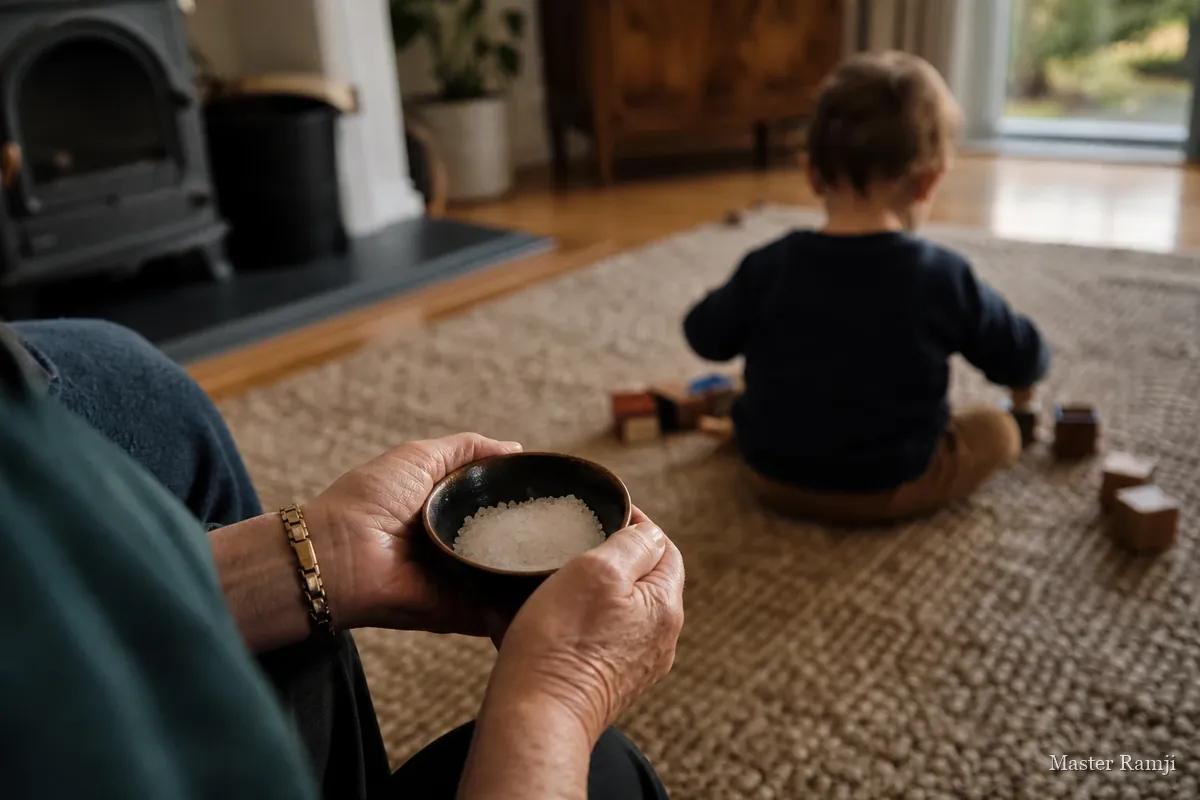
Nazar traditions for babies and children range from a quiet prayer to a black dot behind the ear. Your child's health comes first: if they seem unwell, see a doctor before any custom. Avoid kajal and surma, as some products have been found to contain lead, and choose customs that never touch the child.
In many South Asian homes, a child who is admired too much is a child at risk. A grandmother may quietly circle salt around a toddler after a party, or add a black dot behind a baby's ear before an outing. These customs come from love and a wish to protect.
They also raise a fair question for parents raising children in Australia. How do you keep a family tradition while making sure your child gets proper medical care? This guide puts it in a simple order: health first, then the customs that are safe to keep.
Key takeaways
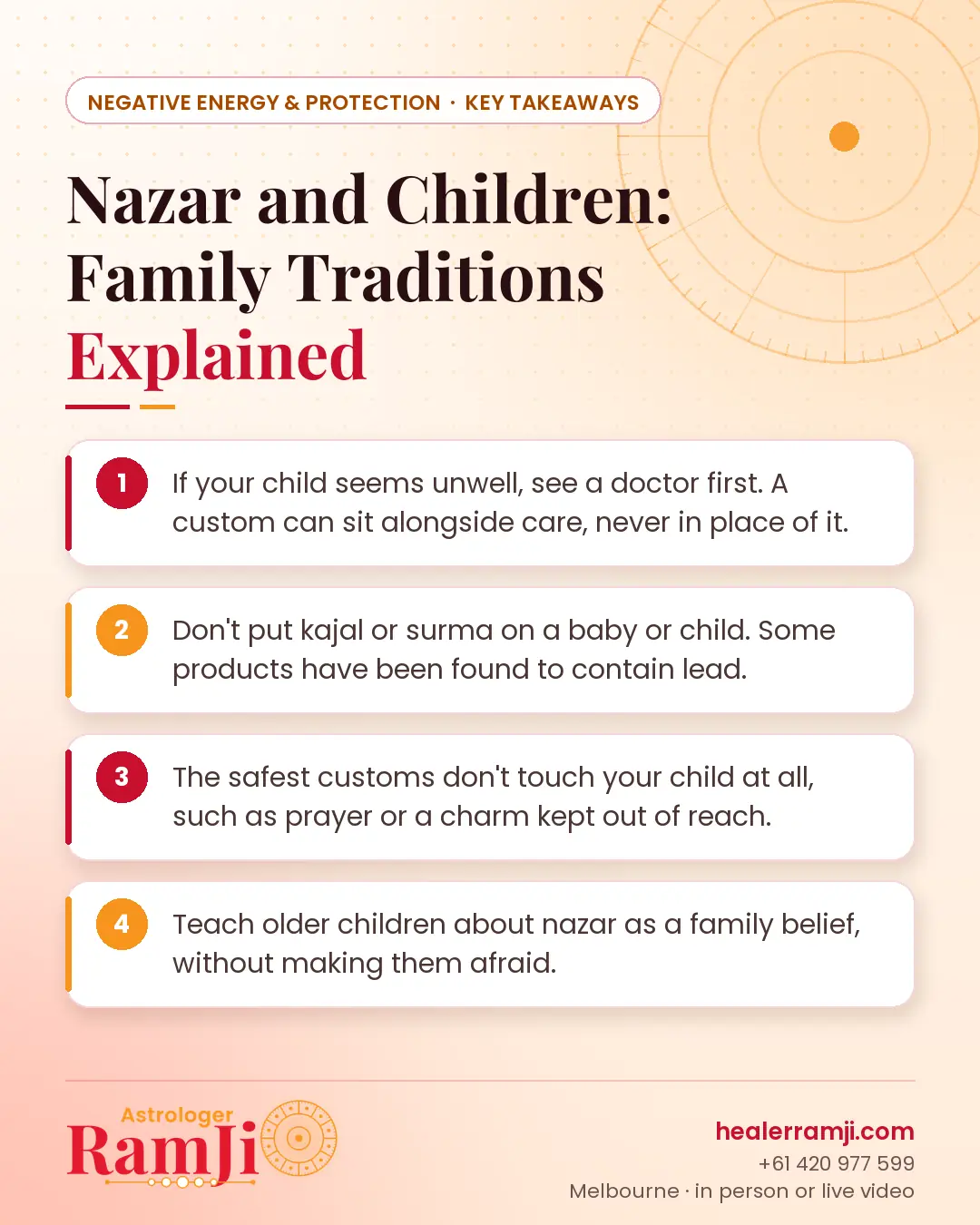
- If your child seems unwell, see a doctor first. A custom can sit alongside care, never in place of it.
- Don't put kajal or surma on a baby or child. Some products have been found to contain lead.
- The safest customs don't touch your child at all, such as prayer or a charm kept out of reach.
- Teach older children about nazar as a family belief, without making them afraid.
What comes first when a child seems "off"?
A crying, clingy or poorly sleeping child is the moment nazar is most often mentioned. It is also the moment a health check matters most. Children get unwell quickly, and only a doctor or nurse can examine them.
A simple rule works for most families: check first, custom second.
- If you are worried, see your GP or your maternal and child health nurse.
- If you are unsure whether it can wait, call healthdirect on 1800 022 222 to speak to a registered nurse.
- If your child is seriously unwell or you think it is an emergency, call 000.
Trust your own sense that something is wrong, even if a relative says it is only nazar. Once your child has been checked, a family custom can still be part of how you care for them. For newborns specifically, our guide to nazar worries with a new baby covers the early weeks.

Why is kajal or surma a concern?
Kajal and surma have long been used on children's eyes, or as a black dot on the cheek, forehead or behind the ear, to spoil their "perfection". The problem is what some products contain. In 2018, NSW Fair Trading warned about two imported eyeliners that tested at 84 per cent lead and may have made three children sick. NSW Health advised people to stop using them and see a doctor.
Lead is especially harmful to young children. healthdirect explains that babies and young children are at greater risk because they put things in their mouths, and that lead exposure in children can affect IQ, hearing and growth. It also lists imported cosmetics and some traditional Indian medicines among possible sources.
You can't tell by looking whether a product contains lead. The safest choice is not to use kajal or surma on a child at all, including for the black dot. If one has already been used, stop and speak to your GP, who can advise on whether a blood test makes sense.
Which other customs need care?
- Camphor. The Victorian Poisons Information Centre at Austin Health warns that swallowing even a small part of a camphor block is potentially fatal. It advises never pinning camphor to a child's clothing or placing it under a pillow, and not keeping camphor in the house at all.
- Smoke and flame. Burning chillies or salt gives off harsh smoke. Do it outdoors, well away from children, or simply discard the items instead.
- Threads, beads and bracelets. Anything tied around a neck, wrist or ankle can be a choking or strangling risk, especially during sleep. Beads can come loose and be swallowed.
- Anything in the mouth, eyes or nose. Check with a doctor or pharmacist before putting any traditional product on or into a child.
Which nazar customs can you keep safely?
Plenty of traditions protect the custom without touching your child:
- A short prayer or mantra, said at home or at bedtime.
- Nazar utarna without contact. Circle the salt or chillies at a distance with a prayer, then throw them away. Our short answer on what nazar utarna involves explains the custom.
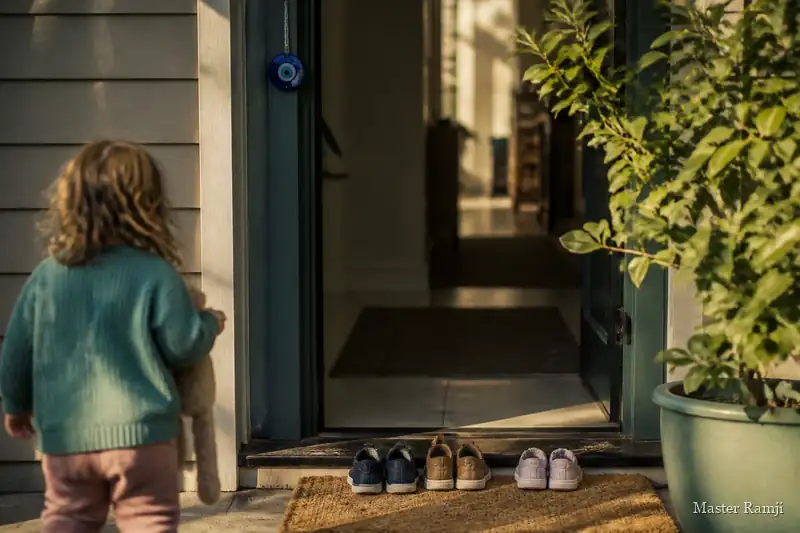
- A charm on the wall or door, such as a blue glass eye, placed well out of reach.
- A blessing in response to praise. Many families say a short phrase when someone admires a child.
- A quieter routine after a busy day of visitors, which helps tired children anyway.
Our guide to simple nazar practices for your home has more ideas.
How do you explain nazar to older children?
School-age children often hear about nazar from grandparents and may ask what it means. You can explain it as a family belief: "Some people think too much attention can bring bad luck, so we say a prayer to show we're grateful." Avoid suggesting that a classmate or relative wishes them harm.
Watch for worry that grows. A child who becomes afraid of being looked at, or blames nazar for every bad day, may need reassurance and a chat with their GP or school wellbeing staff. Kids Helpline is free on 1800 55 1800 for young people aged 5 to 25, at any hour.
What if relatives insist?
Most relatives who raise nazar mean well, and you don't need to debate whether it is real. Try: "We've had her checked by the doctor. Now let's say the prayer together." Giving an elder a safe role, such as leading the prayer, often eases tension.
Be firm on safety. If someone keeps applying kajal or tying threads after you have asked them not to, say so plainly. A GP or nurse explaining the lead risk can carry weight that a parent's word sometimes doesn't.
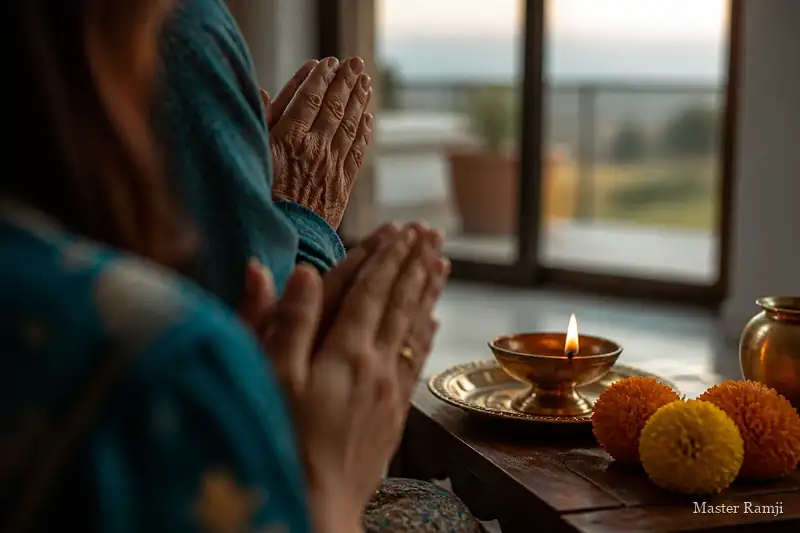
Where does spiritual guidance fit?
Some families want to talk through which customs suit their tradition. Evil eye guidance is a confidential conversation about the belief and safe ways to keep it. Sessions can be held by phone, WhatsApp or video, and any fee is stated before paid work begins.
It cannot diagnose or treat a child, explain crying or poor feeding, or replace a doctor or nurse. Nazar is a belief, not a medical condition. If you would like to talk about your family's customs, get in touch.
Related service
Keep reading

Feeling Drained? What Negative Energy Does and Does Not Mean
Feeling drained, heavy or flat? A sensible checklist that starts with sleep, health and mood, then explains what negative energy does and does not mean.
Read article →
Salt and Camphor Cleansing: A Safe Guide
How families use salt and camphor for home cleansing, what the Victorian Poisons Information Centre says about camphor, and fire safety for any flame indoors.
Read article →
Cleansing a Melbourne Apartment Without Setting Off Alarms
How to cleanse an apartment without smoke: what really trips detectors, smoke-free swaps for incense and camphor, and what renters and owners must not do.
Read article →Quick answers
What is the evil eye?
The evil eye is the belief that an envious look can bring harm. Here is where the belief is found, how people respond to it, and what it can't show.
Read answer →What is nazar utarna?
Nazar utarna is a household custom for removing the evil eye, usually with salt or chillies. Here is how it is done, and what to watch out for.
Read answer →Talk to Vijay Ramji
Tell us what you are facing. If a reading is unlikely to help, you will be told that plainly.