
Simple Nazar Practices for Your Home
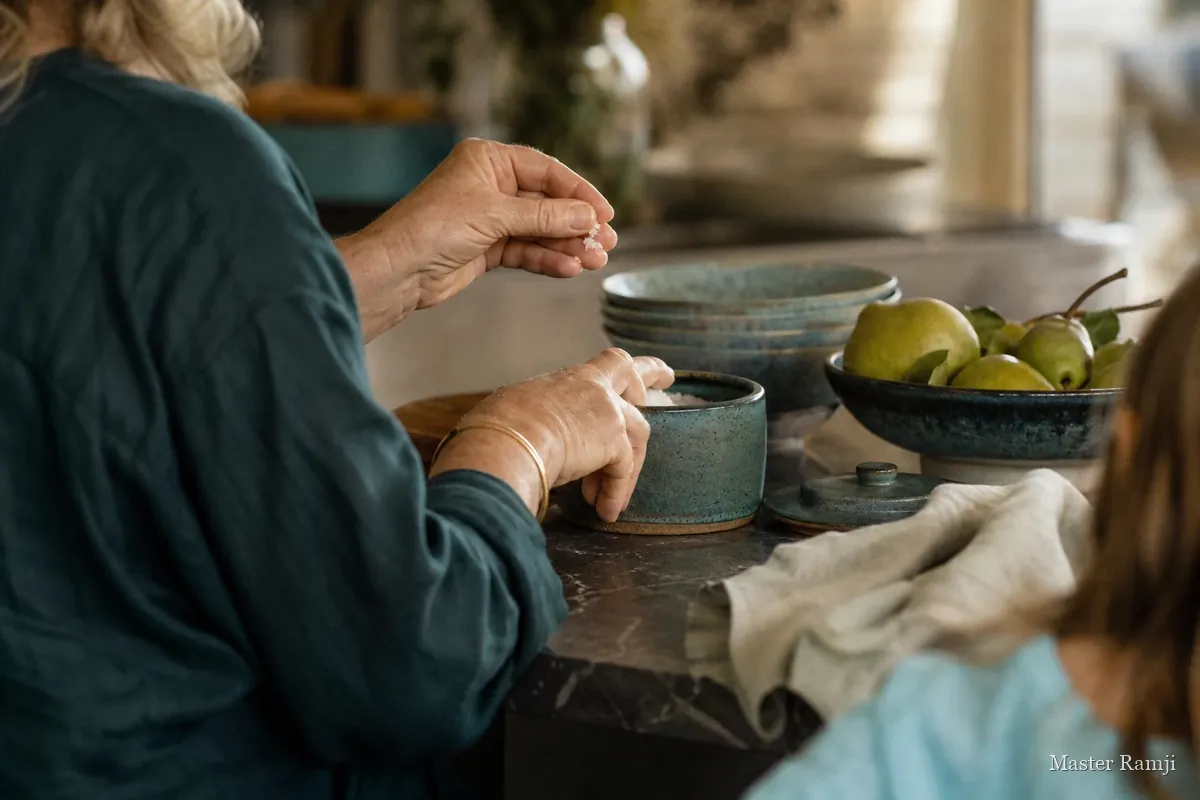
To remove nazar at home, many families circle a pinch of salt or a few dried chillies around the person with a short prayer, then throw the items away. Others hang a lemon and chillies at the door or say a familiar mantra. These customs cost almost nothing. They are matters of belief, not treatment.
In many South Asian homes, nazar was never something you paid to fix. A grandmother noticed a child was unsettled after a busy family gathering, reached for the salt jar, said a few words and that was that.
That instinct is worth keeping. This guide covers simple customs you can do yourself, how to adapt them for an Australian house or apartment, and the few that are better left out.
Key takeaways
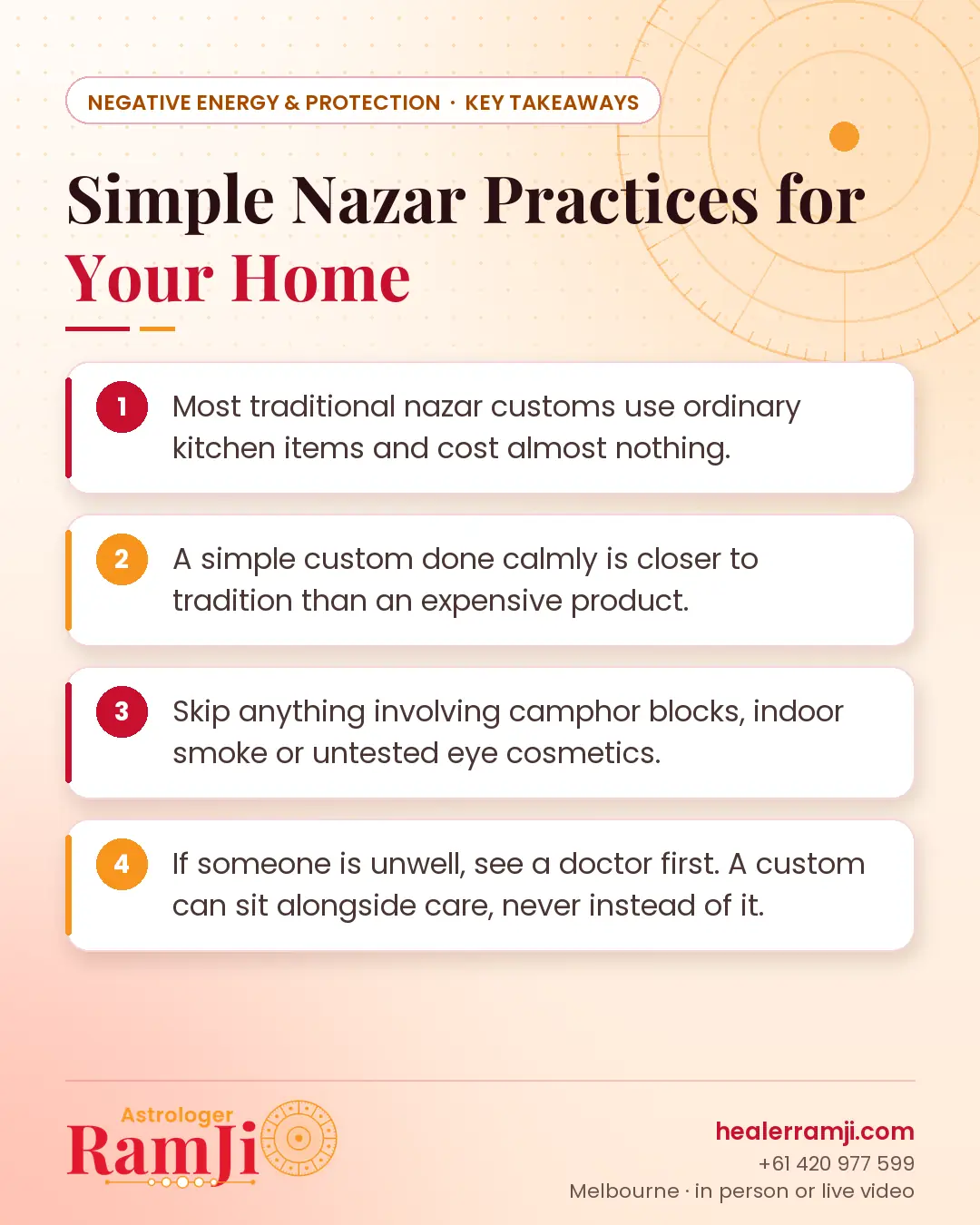
- Most traditional nazar customs use ordinary kitchen items and cost almost nothing.
- A simple custom done calmly is closer to tradition than an expensive product.
- Skip anything involving camphor blocks, indoor smoke or untested eye cosmetics.
- If someone is unwell, see a doctor first. A custom can sit alongside care, never instead of it.
What is nazar, in a sentence?
Nazar is the South Asian name for the evil eye, the old belief that an envious or admiring look can bring bad luck, often without the onlooker meaning any harm. For a short definition of the best known custom, see what nazar utarna is. The history across cultures is covered in evil eye beliefs around the world.
Which simple methods do families use?
Every family has its own version, and none is the only correct one. Follow your own family's way if you know it. If you don't, these are common starting points.
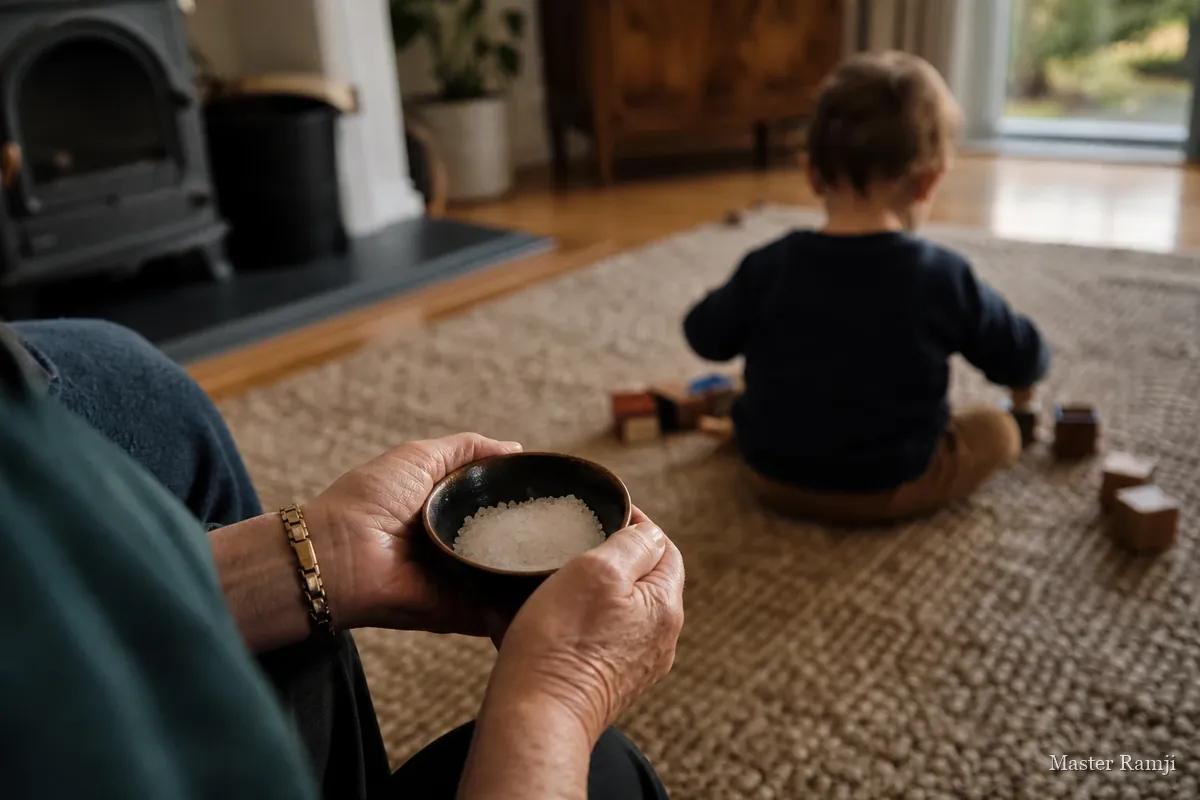
Salt circling
- Sit the person down, facing you, in a calm moment.
- Take a small pinch or a fist of salt in your right hand.
- Circle it around their head and body a few times. Many families use three or seven circles.
- Say a short prayer or blessing in your own words or tradition.
- Dissolve the salt under running water or throw it outside, without looking back, as many families say.
That is all. It takes under a minute and costs a few cents.
Dried red chillies
Some families circle a few dried chillies in the same way, sometimes with mustard seeds or salt. Traditionally the chillies are then burned. In an Australian home it is safer to simply throw them away. If you do burn them, do it outdoors, away from children, and never leave a flame unattended. The CFA's guidance on candles, oil burners and incense applies to any open flame at home.
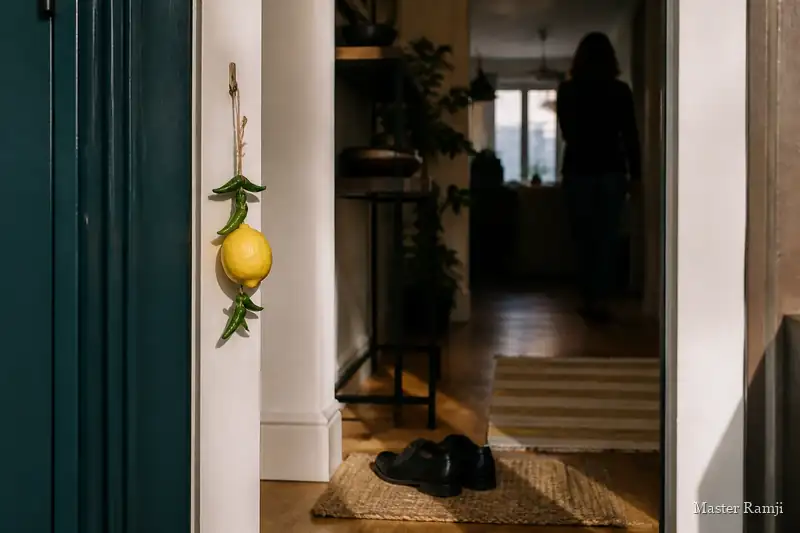
Lemon and chillies at the door
A lemon threaded with green chillies, known as nimbu mirchi, is hung at many home and shop entrances. Families often replace it weekly, commonly on a Saturday. If you rent, a hook on the inside of the door frame avoids any damage. Throw the old one in the compost or bin.
A black dot
A small dot behind a child's ear or on the sole of the foot is meant to spoil their "perfection". Be careful what you use. Some imported kajal and surma products have been found to contain lead, and lead is especially harmful to young children. For babies and young children, the safest choice is to skip the dot on the skin and use a custom that doesn't touch them, such as a prayer. If you are unsure about a product already used, ask your GP or pharmacist.
Prayer
Many families simply pray. Hindu households may say the Hanuman Chalisa or a family mantra. Many Muslim families recite the final chapters of the Quran. Sikh, Christian and other families have their own words of protection. A quiet prayer needs no equipment at all.
A blessing with every compliment
Perhaps the gentlest custom of all is adding a blessing when you praise someone, such as "nazar na lage" or "Masha'Allah". It turns a compliment into a kind wish, and it costs nothing.
Which customs are best left out?
- Camphor blocks. The Victorian Poisons Information Centre advises not to keep camphor blocks in the house or use them for any purpose. Swallowing only a small part of a block is potentially fatal, and a child who has swallowed any needs immediate medical assessment.
- Smoke indoors. Burning chillies or strong incense in a closed room can irritate eyes and lungs, and it may set off a smoke alarm in an apartment.
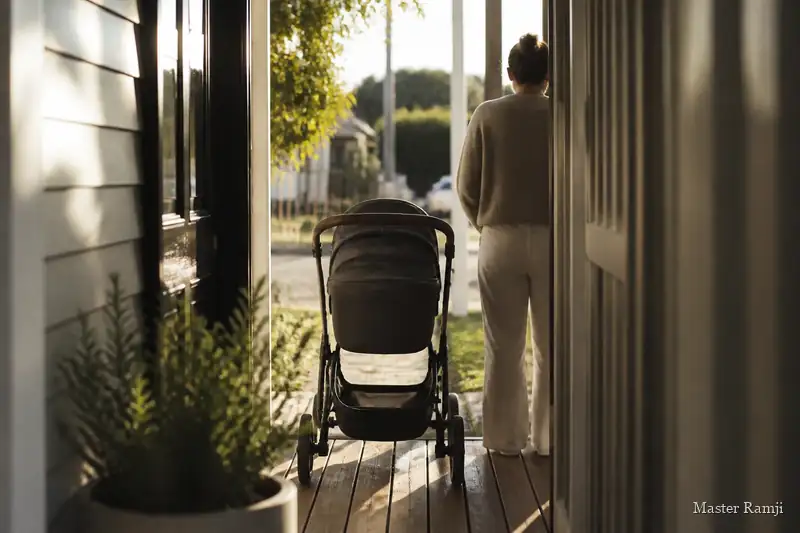
- Small charms on babies. Beads, bracelets and threads can be a choking or strangling risk. Keep them on a wall or a pram handle instead of on the child, especially during sleep.
- Anything sold with fear. If someone says only their expensive item or ritual will work, walk away.
Our guide to nazar and children goes further into keeping family customs safe for little ones.
How often should you do it?
There is no set rule. Most families do it when there's a reason: after a party, a wedding, a new baby's first visitors, or a stretch when someone seems out of sorts. Doing it every day out of worry tends to feed the worry. If you notice that happening, it may help to set the custom aside and talk about what is really bothering you.
When is it not nazar?
A custom can't treat illness, and no test can show nazar was ever there. Before you put tiredness, crying or a run of bad days down to nazar, check the ordinary causes first:
- A baby with a fever, poor feeding or unusual sleepiness needs a GP, or healthdirect on 1800 022 222. Call 000 in an emergency.
- An adult who has felt flat or anxious for more than two weeks should see a GP.
- A child who is struggling at school may be stressed, tired or unwell, not cursed.
Do the custom as well if it comforts your family. Just let it come second.

Should you try to find out who gave the nazar?
No. The belief itself usually says the person meant no harm, and it can't be proven anyway. Suspecting a relative or neighbour can do far more damage to a family than the original worry. Keep the custom about protection and blessing, not blame.
What if the worry keeps coming back?
If you would like a small daily routine of your own, look at simple spiritual protection practices. If you would rather talk through what is going on, evil eye guidance starts with ordinary explanations and your family's own customs. Sessions can be held by phone, WhatsApp or video, and any fee is stated before paid work begins. To ask a question, get in touch.
Related service
Keep reading
Nazar and Children: Family Traditions Explained
Nazar traditions for babies and children, explained with health first: when to see a doctor, why to avoid kajal and surma, and gentle ways to keep the custom.
Read article →
Feeling Drained? What Negative Energy Does and Does Not Mean
Feeling drained, heavy or flat? A sensible checklist that starts with sleep, health and mood, then explains what negative energy does and does not mean.
Read article →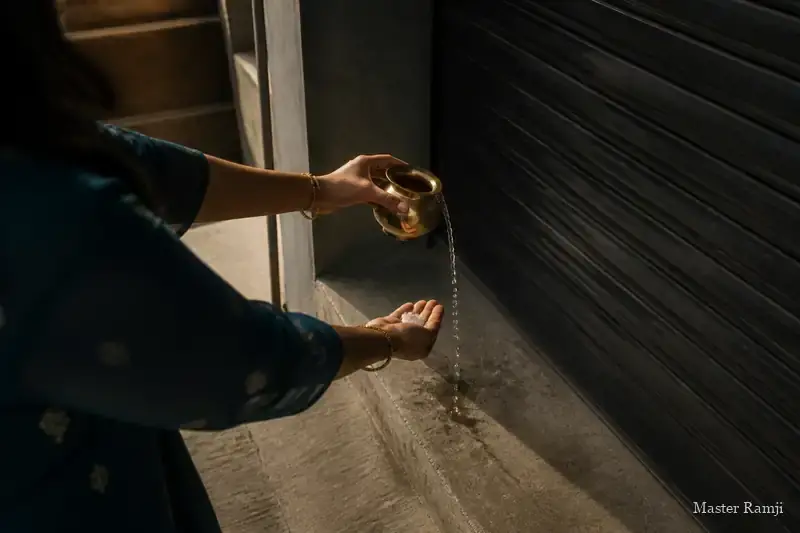
Salt and Camphor Cleansing: A Safe Guide
How families use salt and camphor for home cleansing, what the Victorian Poisons Information Centre says about camphor, and fire safety for any flame indoors.
Read article →Quick answers
What is the evil eye?
The evil eye is the belief that an envious look can bring harm. Here is where the belief is found, how people respond to it, and what it can't show.
Read answer →What is nazar utarna?
Nazar utarna is a household custom for removing the evil eye, usually with salt or chillies. Here is how it is done, and what to watch out for.
Read answer →Talk to Vijay Ramji
Tell us what you are facing. If a reading is unlikely to help, you will be told that plainly.