
Chakra Balancing
An old contemplative map, used as a quiet practice.
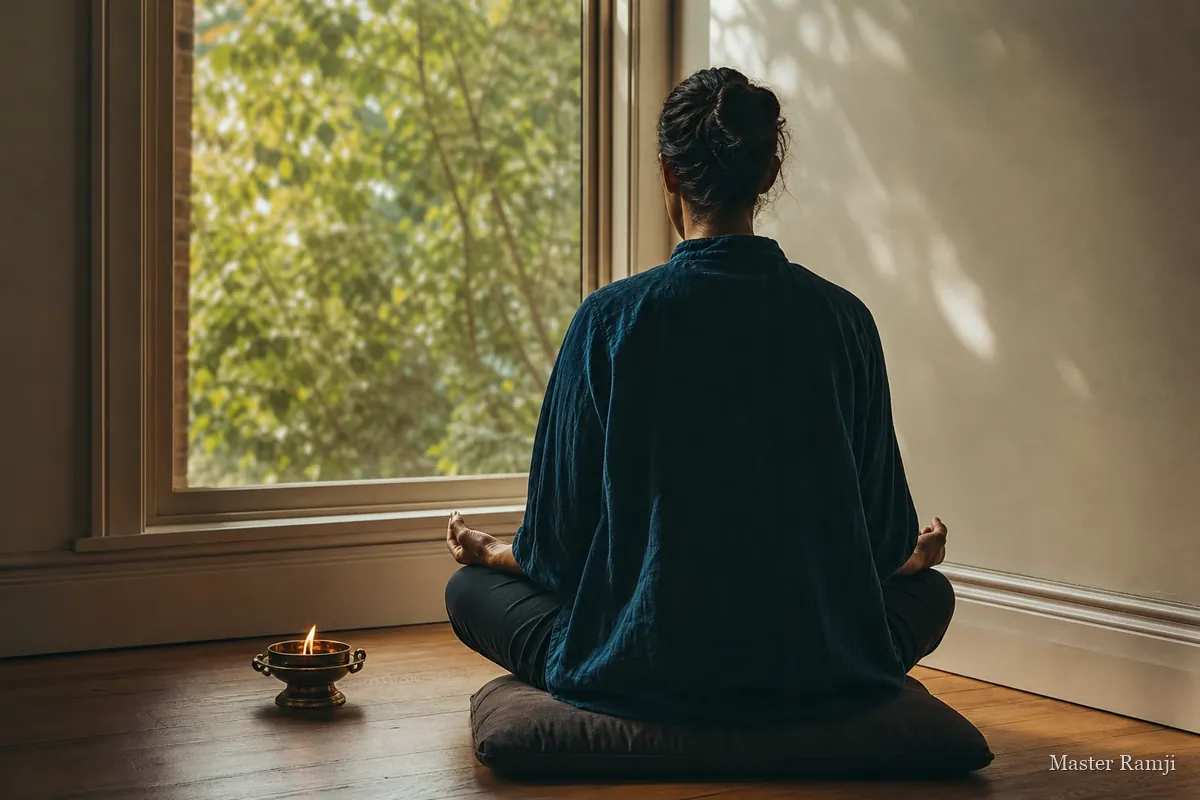
A chakra balancing session is a spiritual practice that uses breath, attention and seed mantras on the energy centres described in Indian tradition. It can offer quiet and a structured way to reflect. There is no scientific evidence that chakras exist, so a session is neither a diagnosis nor a treatment for anything.
What is chakra balancing?
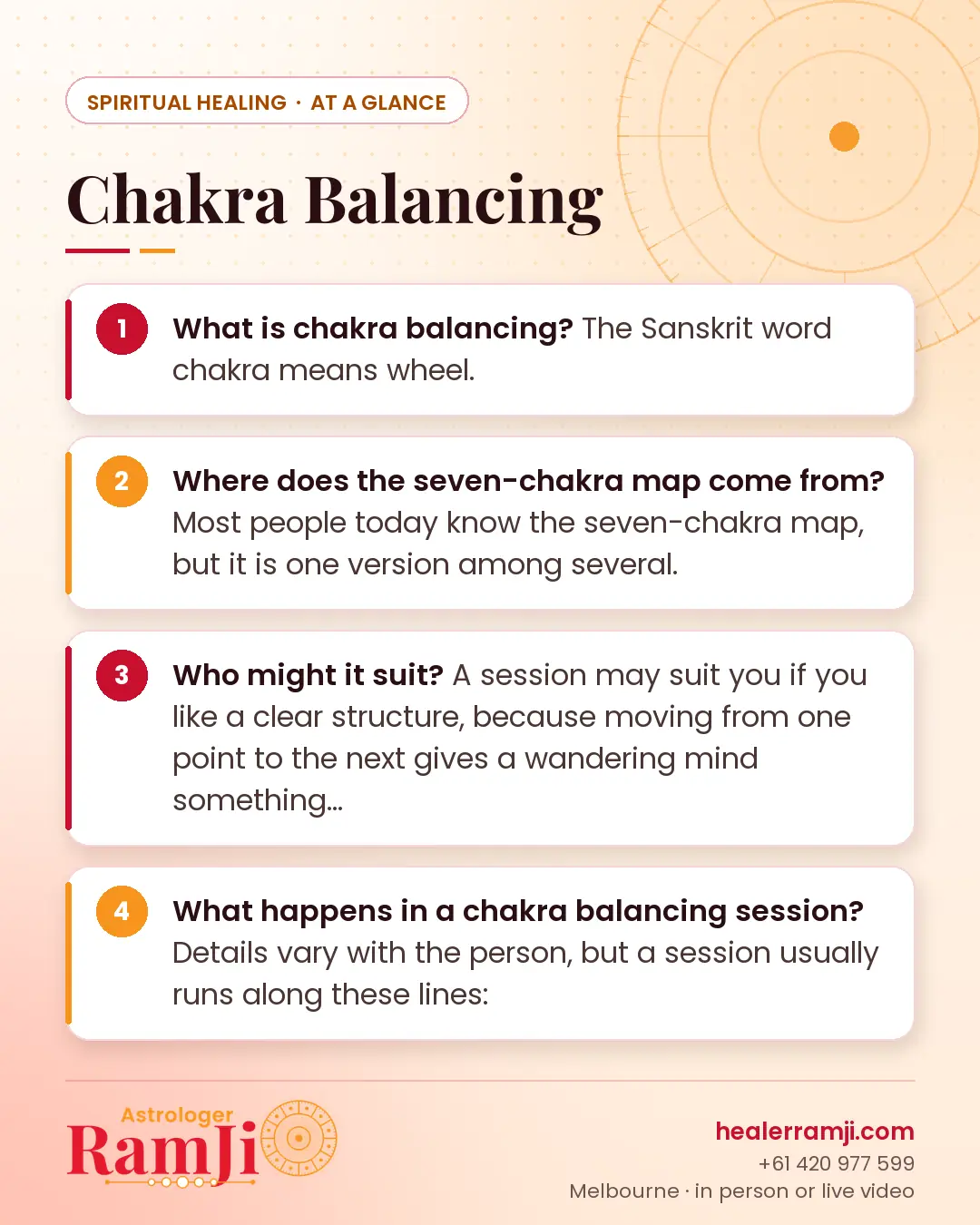
The Sanskrit word chakra means wheel. In tantric and yogic traditions, chakras are centres of subtle energy imagined along the spine, used as points of focus in meditation. Chakra balancing is a modern name for working through those centres one at a time with breath, sound and attention, so that you finish feeling more settled than when you began.
It is a contemplative practice. Chakras are not organs. They don't appear on a scan, and there is no scientific evidence that they exist or any meaningful way to measure them. You can still find the practice worthwhile, in the same way many people value prayer without asking it to pass a laboratory test.
Where does the seven-chakra map come from?
Most people today know the seven-chakra map, but it is one version among several. Older Hindu and Buddhist texts count different numbers, with major chakras typically ranging from four to seven. The familiar seven comes largely from a Sanskrit text of 1577, the Sat-Chakra-Nirupana, which reached English readers through a 1919 translation called The Serpent Power. The rainbow colours came later again, from twentieth-century Western writers.
Here is that map from bottom to top, with the seed syllable often chanted at each point:
- Muladhara. Base of the spine. Lam.
- Svadhisthana. Lower abdomen. Vam.
- Manipura. Navel. Ram.
- Anahata. Heart. Yam.
- Vishuddhi. Throat. Ham.
- Ajna. Between the eyebrows. Om.
- Sahasrara. Crown of the head. Usually given no seed syllable.
Knowing this history helps. If someone calls their colour chart ancient, or says one exact system is the only correct one, you can politely doubt them. Our guide to the seven chakras in simple terms describes each centre without exaggeration, and there is a brief answer to what chakras are as well.
Who might it suit?
A session may suit you if you like a clear structure, because moving from one point to the next gives a wandering mind something to do. It may also suit people who have met chakras through yoga and want to hear about them from within the Indian tradition, without a sales pitch attached.
It suits you less if you hope for a physical result. New or worrying symptoms belong with your doctor first. If you are after general rest and support and don't care for the map, an energy healing session is simpler. If you want a single practice of your own, guidance in mantra and meditation may fit better.
What happens in a chakra balancing session?
Details vary with the person, but a session usually runs along these lines:
- A short talk. You will be asked why you came, what you already know, and whether you are in medical care.
- The map, briefly. The practice is explained in plain language, and you can leave out anything that clashes with your own faith.
- Settling the breath. You sit comfortably, usually with a straight back, and slow your breathing.
- Moving upward. Your attention rests at each point in turn, from the base of the spine to the crown. A seed syllable may be chanted aloud or silently.
- Resting. You stay quiet for a while before talking again.
- Reflecting. You discuss what you noticed. You may be shown one short part of the practice to keep using at home.
Noticing warmth, drowsiness or nothing in particular are all ordinary. Your experience of a point is not evidence that it was blocked or that it has now opened.
What should I prepare?
A chair that lets you sit upright is enough, or a cushion if you prefer the floor. Pick a time when nobody will need you, and eat lightly beforehand if a full stomach makes you drowsy. If chanting aloud feels awkward at home, or the walls are thin, say so. Silent repetition is a long-standing option.
What can't it do?
Chakra balancing can't treat an illness, correct a hormone problem or heal an injury, whatever a wellness advertisement may suggest. It can't tell you which organ is at fault, and a practitioner's sense of your chakras is not a health assessment. The Better Health Channel advises you to tell your doctor about any complementary therapy you use, and never to stop prescribed medication or change a dose without talking to them first.
Sitting with your attention on the body doesn't suit everyone. If it brings up panic, painful memories or physical distress, open your eyes and stop. Then speak to your GP or a mental health professional. You don't have to push through it, and nobody should tell you it's a sign of progress.
What does it cost?
Ask when you get in touch. Any fee is stated before paid work begins, and no purchase of any kind should be attached to it.
How do I arrange a session?
Ring or message +61420977599, or fill in the contact form with a line about what you are after. Vijay Ramji is based in Ascot Vale, with appointments arranged in advance, and sessions can be held by phone, WhatsApp or video.
Common questions
Someone told me my chakras are blocked. Should I be worried?
No. There is no test for a blocked chakra, and the phrase is not a medical finding. If you have symptoms, see your GP. If you were told this and then offered a costly fix, take your time and get a second opinion.
Do I need crystals, oils or special music?
No. The practice needs only breath and attention. Stones, sprays and colour charts are later additions, and you can ignore them. Our article on chakra myths you can safely ignore sets the marketing against the tradition.
Can I try something before booking?
Yes. Our ten-minute grounding practice for the root chakra is free to try at home. If it does nothing for you, that is useful to know, and you may not need a session at all.
Can a session be done by video?
Yes. Nothing about the method depends on touch, so sessions can be held by phone, WhatsApp or video. A phone call often works well, because you can close your eyes and follow a voice.
Is this the same as yoga?
Not quite. Chakras come from tantric and yogic traditions, and many yoga classes mention them, but this is a seated practice. Claims made in studios vary a great deal, as our reality check on yoga studio chakra claims explains.
Related services

Mantra and Meditation Guidance
Looking for a mantra meditation teacher in Melbourne? Learn one practice you can keep up, with help on pronunciation, counting and fitting it into your day.
View service →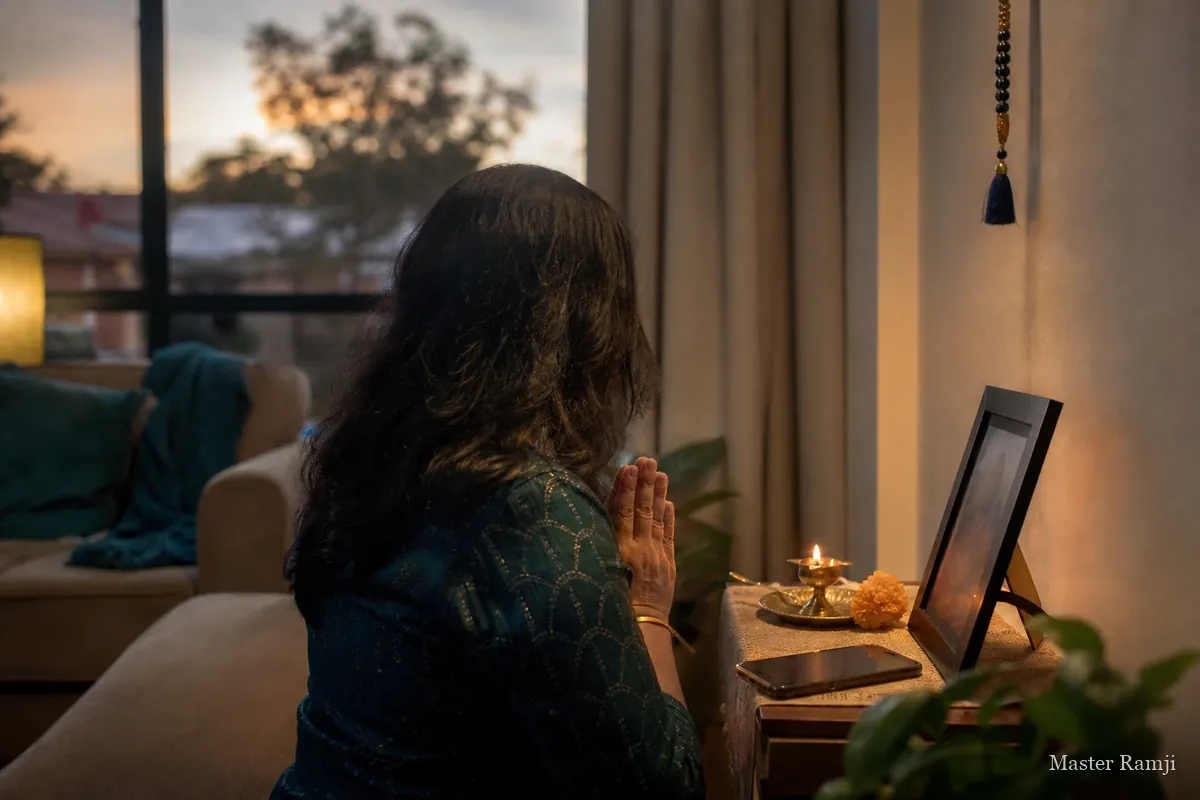
Spiritual Support Through Grief
Spiritual support through grief and loss: prayer, remembrance and simple rites that sit alongside a GP or bereavement counsellor. Calm and confidential.
View service →Read more
The Seven Chakras Explained Simply
The seven chakras explained in plain language: what each name means, where tradition places it, which parts are old and which are modern, and what chakras cannot do.
Read article →Chakra Myths You Can Safely Ignore
Seven chakras, rainbow colours, blocked chakras and crystals: common chakra myths set against what the Indian tradition actually taught, in plain language.
Read article →
A Grounding Practice for the Root Chakra
A simple ten-minute root chakra grounding practice you can try today, with breath, the seed syllable Lam and a short version for busy days. Plain and free.
Read article →
Chakra Claims in Coburg Yoga Studios: A Reality Check
Chakras often come up in yoga and wellness classes. How to tell old tradition from modern marketing in Coburg, and which claims deserve a second look.
Read article →Quick answers
What are chakras?
Chakras are centres of subtle energy described in yogic and tantric traditions. Here are the seven usually named, and why nobody can test if one is blocked.
Read answer →What is energy healing?
Energy healing rests on the belief in a life force that can be guided. Here is what a session involves, and what the evidence does and doesn't show.
Read answer →Talk to Vijay Ramji
Tell us what you are facing. If a reading is unlikely to help, you will be told that plainly.