
Celebrating Diwali in Geelong
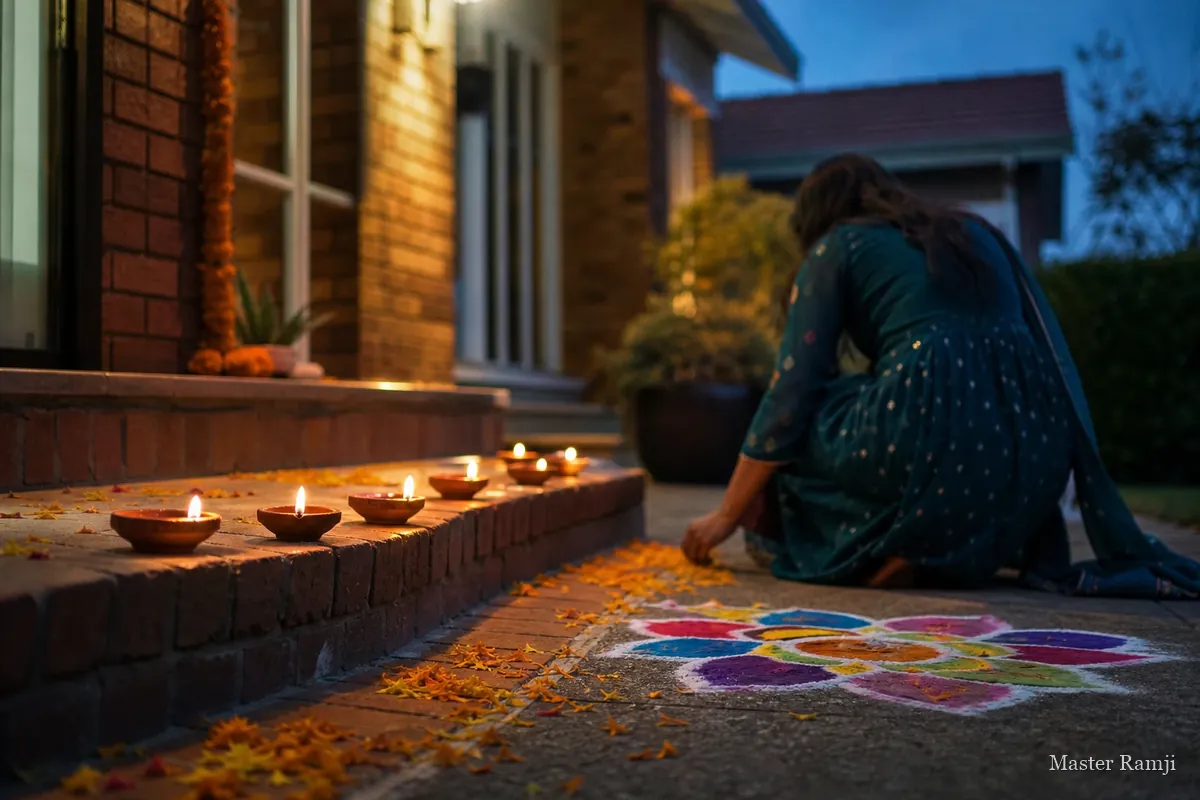
Diwali in Geelong has been marked by groups such as BAPS and by Deakin University's festival at Waurn Ponds. Plans change each year, so confirm details directly with the organisers. At home, a simple Lakshmi puja with lamps, flowers and sweets works well. In Victoria, using fireworks requires a pyrotechnician's licence.
Diwali in Geelong isn't one big event in one place. It's spread between a university campus, community halls in the northern and southern suburbs, and many living rooms. In a 2025 statement on the Deakin festival, the Greater Geelong mayor described Indian culture as the city's "third-largest and fastest-growing culture". So you are unlikely to be celebrating alone, even if it can take some effort to find out what's on.
This guide covers who has held celebrations, how to confirm this year's plans, and how to mark the night at home. We don't list dates, because they change and only organisers can confirm them.
Key takeaways
- Deakin University and BAPS have both run public Diwali events in the Geelong area.
- Past events don't confirm future ones, so check with the organiser before you go.
- A community event may not fall on Diwali night, which leaves room for both.
- A short home puja is enough, as long as lamps are kept safe and fireworks are left to licensed operators.
Who has held Diwali events in Geelong?
These are the groups we could find. None of this confirms what will happen this year.
- Deakin University, Waurn Ponds. Deakin hosted a free, family-friendly festival on campus in 2025, with cultural performances, food and market stalls, henna art, rangoli and a fireworks display. Deakin's student blog has described the festival as annual. Look on Deakin's own website for current details.
- BAPS Swaminarayan Sanstha Geelong. The Geelong Independent has reported this volunteer group holding a free Diwali and Annakut celebration at Norlane ARC, and that these celebrations had run in Geelong for close to 15 years. Annakut means "mountain of food". The paper said the dishes then go to ambulance, healthcare and fire brigade workers.
- BAPS events for children. Local radio station bay 93.9 listed a free BAPS kids' Diwali celebration at the Poa Banyul Community Hub in Mount Duneed in 2025. Ask BAPS Geelong whether something similar is planned.
- Temple and community groups. Our guide to where to pray in Geelong covers the Shiv Temple group in Marshall and others we could trace. Contact them through their own pages and ask about Diwali.
The City of Greater Geelong's Multicultural Geelong pages are worth checking. Cultura, the Geelong multicultural organisation formed in part from Diversitat, may also be able to point you towards language and community groups. People at work, at your children's school or at Deakin often know about smaller gatherings too.
Before you drive across town, ask each organiser about the date, venue, cost, whether you need to register, whether food is vegetarian, and how to get there. Waurn Ponds and Norlane are on opposite sides of the city, so it's worth checking which one you're heading to.
Why might an event not be on Diwali night?
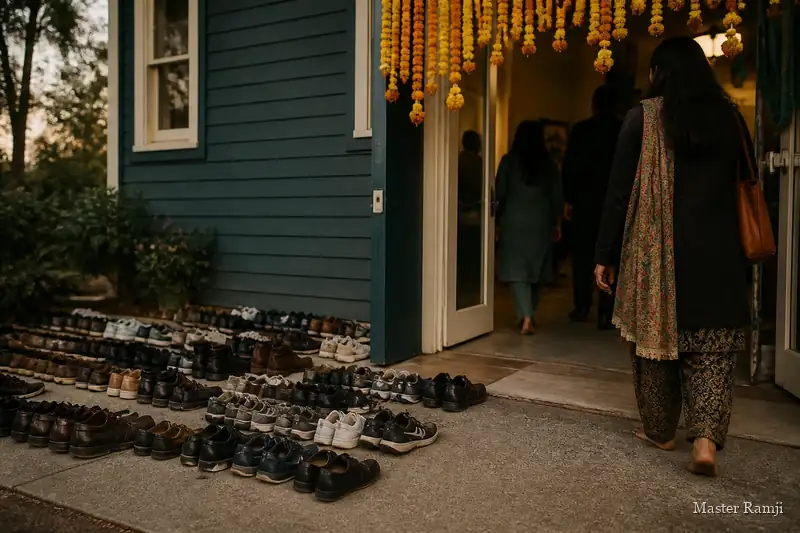
Diwali follows the lunar calendar, usually falling in October or November. Community groups need a free hall and volunteers, so events are often booked around weekends. Past Geelong events have been held days or weeks before or after the festival itself. That's quite normal. You can go to the community event when it's on, and still light your own lamp on the night.
The timing of Lakshmi puja is usually worked out for the evening of the new moon, and a time printed in India won't carry across. Geelong shares Melbourne's clock, with sunset a few minutes later. Victoria is also on daylight saving at this time of year, so it may get dark later than you remember from home. Our guide on Diwali puja timing in Melbourne explains how to work it out. Calendars can also differ on the day, as festival dates can vary in Australia. Ask your family or priest which one you follow.
How do you do a simple Lakshmi puja at home?
Customs vary widely. A South Indian family may centre the day on an early morning oil bath for Deepavali, a Bengali family may keep Kali Puja, and a Gujarati family may be preparing for the new year as well. Follow your own family first. If you have no one to ask, this simple outline suits many homes:
- Clean the house. Many families clean the home beforehand and draw a rangoli at the door.
- Set up a clean space. Place an image of Lakshmi and Ganesh on a shelf or low table with flowers, some sweets and a lamp.
- Begin with Ganesh. Say a short prayer and remove distractions for a few minutes.
- Pray to Lakshmi. Offer flowers and sweets. A common mantra is "Om Shreem Mahalakshmyai Namah", but your family may use another.
- Sing an aarti, if you know one. A recording is fine, and so is a quiet moment.
- Share the prasad. Eat together, or drop some off to a neighbour.
That can all take less than half an hour, and no priest is needed for a family prayer. It's an act of devotion and gratitude. It can't promise money or business success, and you should be wary of anyone who says otherwise.
If you would like to continue a practice after the festival, a personal mantra plan is a simple practice you carry out yourself. It's a matter of faith, and it's never required.
How do you keep lamps and fireworks safe?
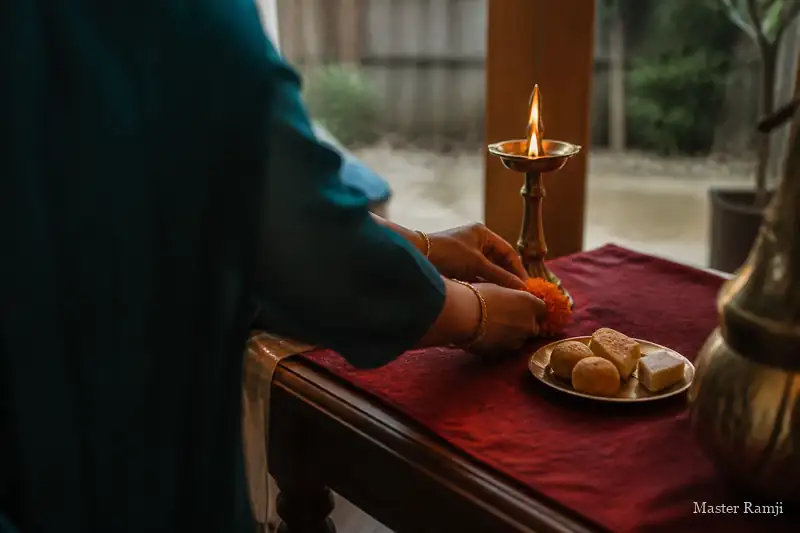
Lamps are the heart of the festival, and many homes will have several going at once. The CFA's advice is simple:
- Keep lamps and candles one metre from anything that can catch fire, including curtains.
- Never leave a flame without someone around, and put them all out before you go out or go to sleep.
- Don't leave children alone near them, and keep matches and lighters out of reach.
- Don't use them outside in a strong breeze. A spring evening near Corio Bay can catch you out.
Battery lamps are a good choice for doorsteps, student share houses around Waurn Ponds and homes with toddlers. Test your smoke alarm before the night, and never disable it.
Fireworks are a different matter. WorkSafe Victoria says you must hold a pyrotechnician's licence to use them. So don't bring crackers home for the backyard, however much they remind you of Diwali growing up. Displays at organised events are the way to see them. That page doesn't mention sparklers, so ask WorkSafe before buying any.
What if you have no family here?
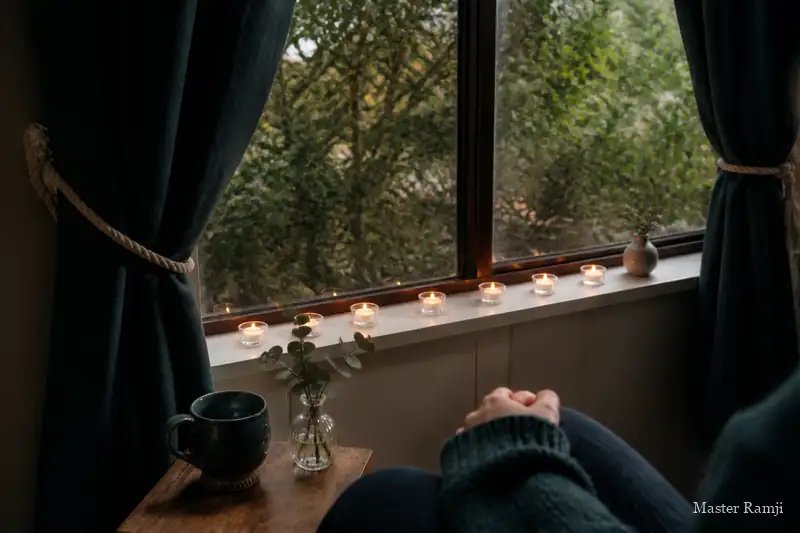
Plenty of people in Geelong spend Diwali far from home, including Deakin students and families who have just moved for work. A few things can help:
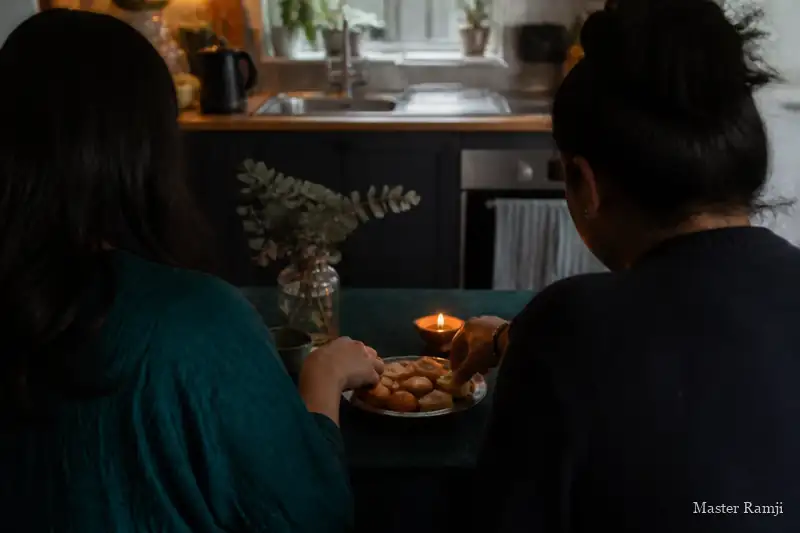
- Invite a housemate, colleague or neighbour over for sweets. They don't need to know the rituals.
- Offer to volunteer with a community group. Having a job to do makes it easier to meet people.
- Call home at a time when your family has also lit their lamps, allowing for the time difference.
- If you have children, give them one job each. Our guide to teaching puja to children raised in Australia has more ideas.
If the festival leaves you feeling low, you aren't the only one. Talk to someone you trust, or your GP if it doesn't ease.
Where can you find more help?
You don't need to travel to Melbourne for a conversation about your practice. Sessions can be held by phone, WhatsApp or video, and appointments are arranged in advance. See our page for Geelong and regional Victoria. If you have a question about your family's Diwali practice, get in touch.
Related service
Keep reading
Maha Shivaratri in Melbourne's South-East
Keeping Maha Shivaratri in Melbourne's south-east with work the next day? How to plan the vigil, the fast and the drive home from Carrum Downs safely.
Read article →
Visiting the Hare Krishna Temple in Albert Park
Visiting the Hare Krishna temple on Danks Street in Albert Park? What to wear, how to get there, what happens inside, and how it differs from other temples.
Read article →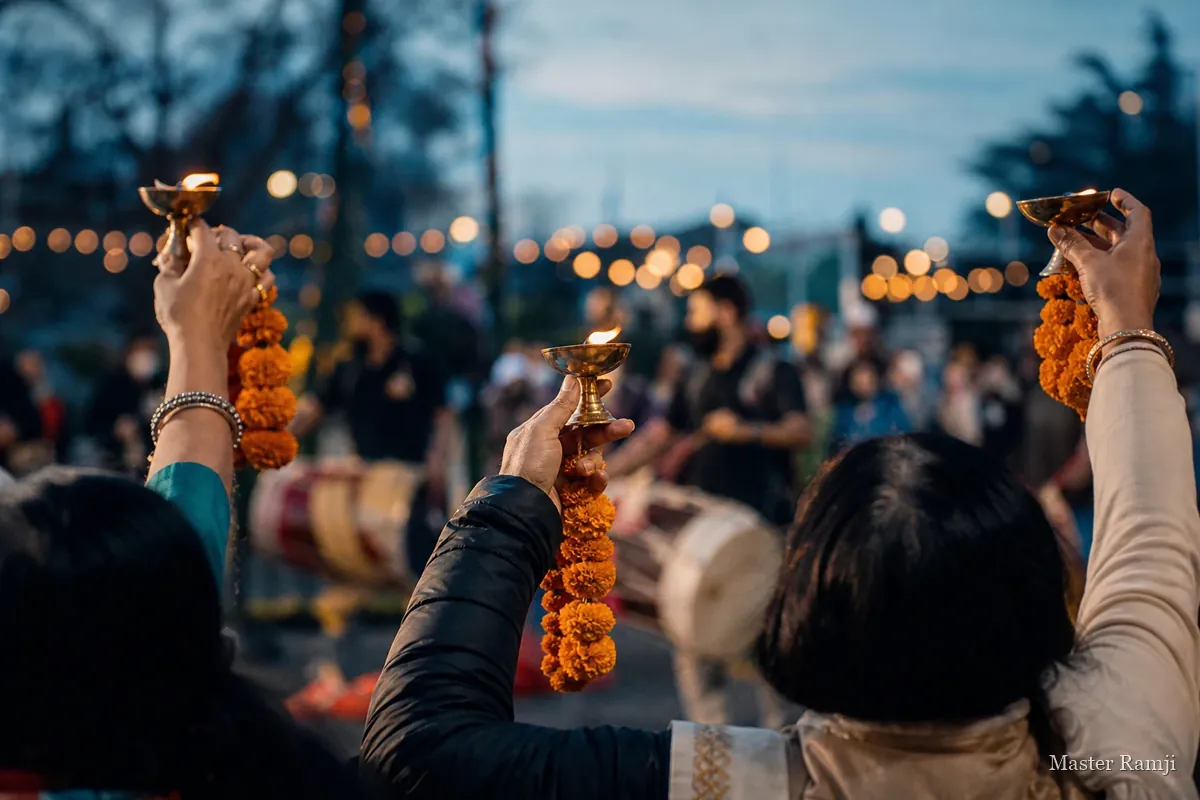
Ballarat's Ganesh Festival: A Newcomer's Guide
New to the Ganesh festival in Ballarat? What the community event involves, how to take part respectfully, and how to find this year's program.
Read article →More from Regional Victoria
Ballarat's Ganesh Festival: A Newcomer's Guide
New to the Ganesh festival in Ballarat? What the community event involves, how to take part respectfully, and how to find this year's program.
Read article →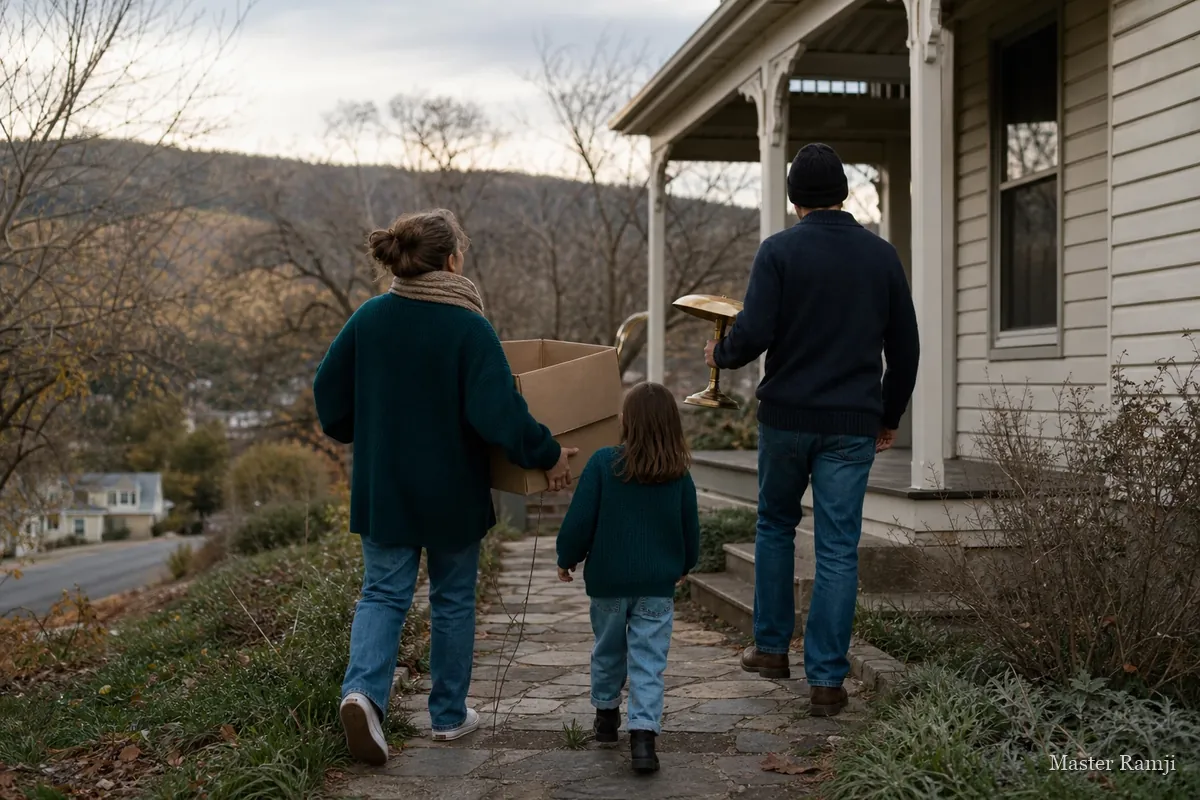
Moving to Ballarat as a Hindu Family
Thinking about moving to Ballarat as a Hindu family? What to know about the local community, worship, festivals and settling in during your first year.
Read article →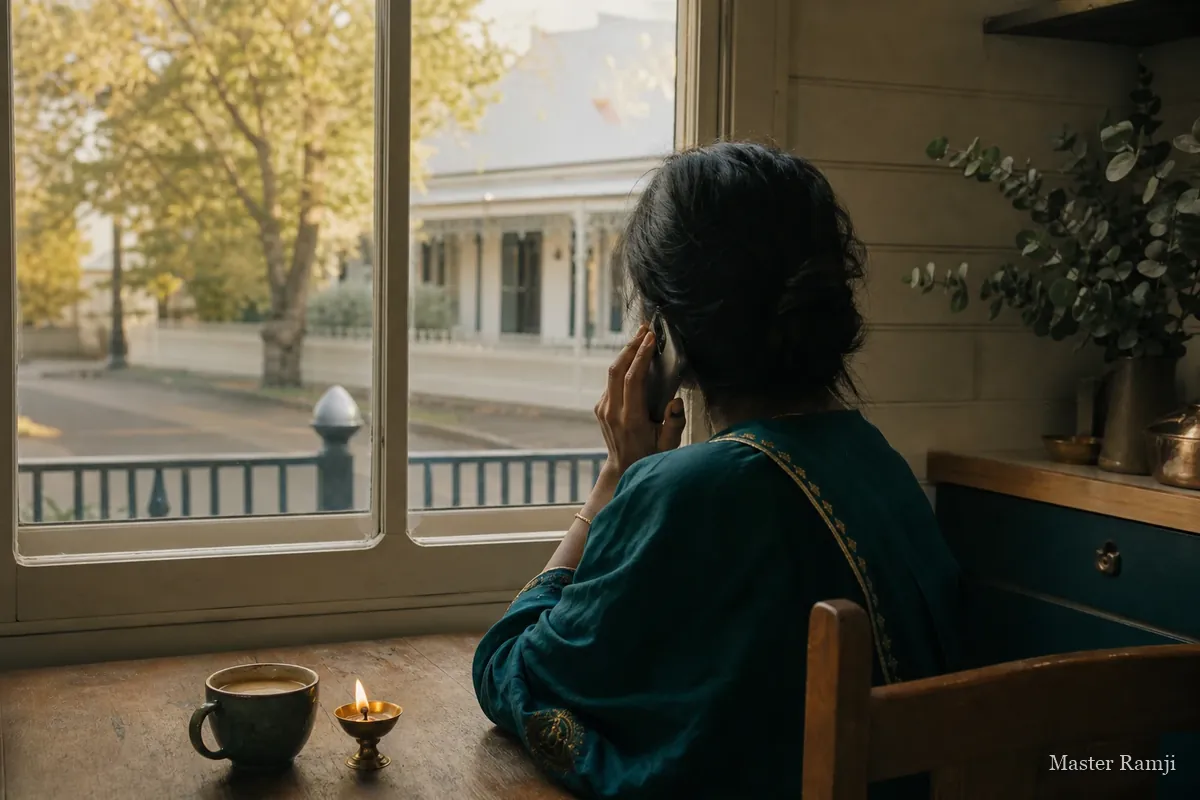
Getting a Kundli Reading From Ballarat
Want a kundli reading from Ballarat? How a phone, WhatsApp or video session works, what it needs, and the local details that can matter for timing.
Read article →Local pages
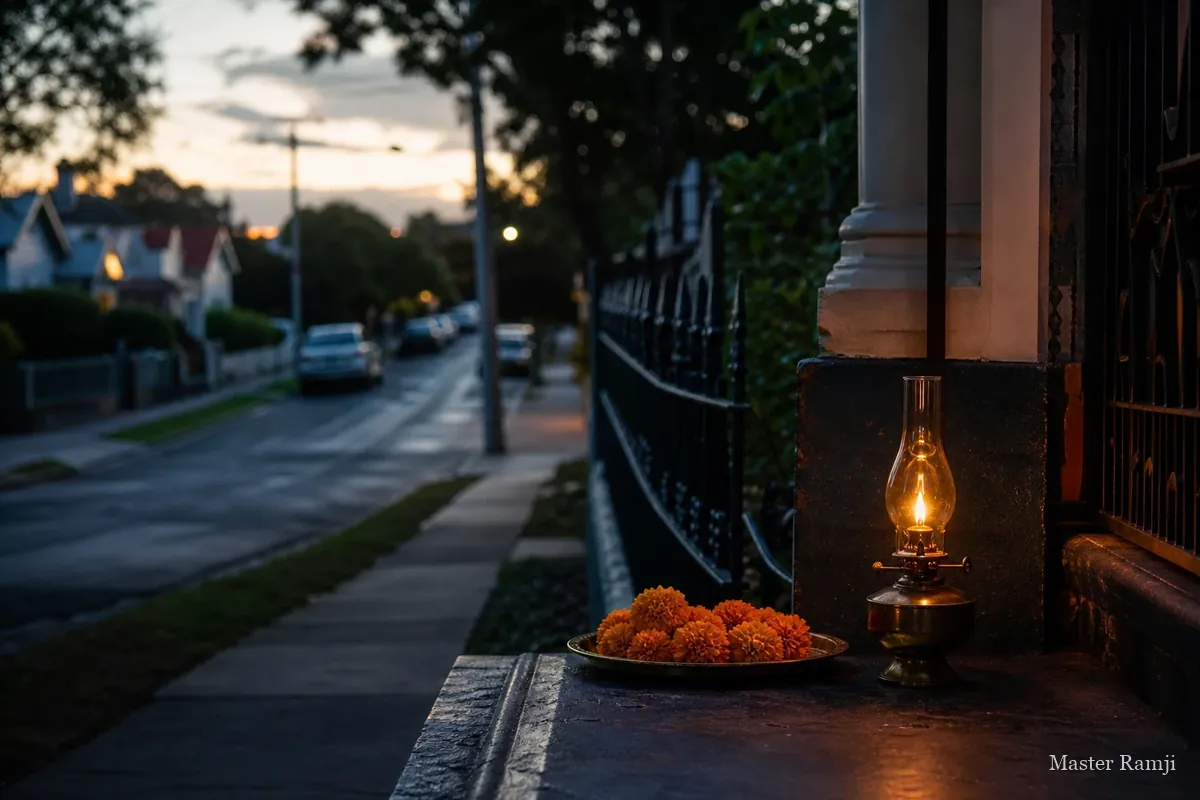
Astrologer for Geelong
For Geelong residents asking about vastu in Armstrong Creek, life after Deakin or worship in a smaller community. Sessions by phone, WhatsApp or video.
View area →Astrologer for Ballarat
For Hindu families settling in Ballarat: older homes, cold winters and keeping traditions going. Vedic astrology by phone, WhatsApp or video, from Ascot Vale.
View area →
Astrologer for Bendigo
For people in Bendigo far from Melbourne's big temples: finding a match, goldfields homes and home worship. Vedic astrology by phone, WhatsApp or video.
View area →Quick answers
Do astrology remedies have to cost money?
Astrology remedies don't have to cost money. Many traditional ones are free, such as mantra and service. Here is when a fee is fair and when to walk away.
Read answer →Why are mantras chanted 108 times?
Mantras are chanted 108 times because 108 is a sacred number in Hindu tradition and the count of beads on a mala. Here are the usual explanations.
Read answer →Talk to Vijay Ramji
Tell us what you are facing. If a reading is unlikely to help, you will be told that plainly.