
Your First Visit to the Carrum Downs Temple
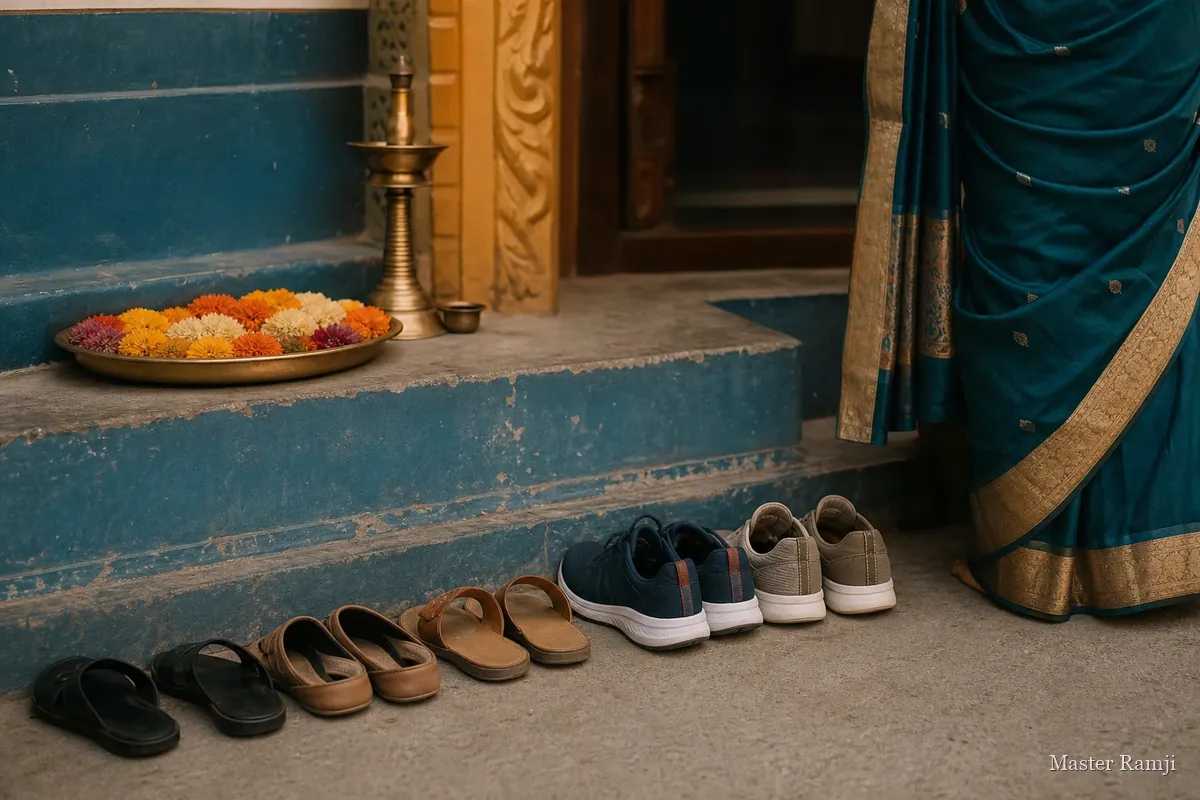
The Shri Shiva Vishnu Temple in Carrum Downs, at 52 Boundary Road, has Shiva and Vishnu as its main deities, side by side. On a first visit, dress modestly, remove your shoes, walk clockwise, and follow signs and priests. Simple offerings often need no booking. Check current rules and hours with the temple.
The Shri Shiva Vishnu Temple in Carrum Downs is a big place, about 36 km south-east of central Melbourne, and it can feel daunting if you weren't raised going to temples, or if you only know the small shrine from your home town.
This is a visitor's guide, not an official temple page. Rules can change, so the temple's staff have the final word. Please check opening hours with them directly.
Key takeaways
- Shiva and Vishnu have separate main shrines here, with many smaller shrines around them.
- Modest clothing is the safe choice. Ask the temple if you are unsure.
- Many simple services can be done on the day, while most homams and larger pujas need booking.
- A temple visit is an act of faith. It doesn't require a chart, a priest's fee or any special knowledge.
What kind of temple is it?
The temple is run by the Hindu Society of Victoria, founded in 1982. According to the temple's history page, the society bought the land at Carrum Downs in 1985, and the Maha Kumbhabishekam was held on 22 May 1994. The rajagopurams, the tall gateway towers, were consecrated in 1997. The society's site describes it as the largest Hindu temple in the Southern Hemisphere.
The main thing to understand is the layout. Shiva and Vishnu are installed side by side, each with a separate main shrine and rajagopuram. The history page also lists shrines including Ambal, Ganapathy, Subramaniam, Mahalakshmi, Andal, Ram, Sita, Lakshman, Gopalkrishna, Hanuman and the Navagrahas. So you won't see everything in one quick stop, and you don't have to.
The grounds go beyond the shrines. The site also lists a Cultural and Heritage Centre with a library, museum and classrooms, a wedding hall, gardens, and a children's park with peafowl.
What should you check before you leave home?
- Opening hours and festival days. The temple's Pooja Calendar and events pages are the place to look. Big festivals may mean crowds and queues, which isn't ideal for a first visit.
- Entry procedures. The temple's site has a "Temple/Cafe Entry Procedures" page, which may not be current, so a quick call or email is worthwhile.
- Getting there. The address is 52 Boundary Road, Carrum Downs. Use a trip planner and allow extra time.
What should you wear?
As a general guide, Hindu temples tend to expect modest clothing, with shoulders and knees covered. A kurta, sari, salwar or simple long pants and a shirt will all be fine. You don't need traditional dress. Clean, comfortable clothes that let you sit on the floor will do. Choose shoes that are easy to slip off.
What about shoes, food and offerings?
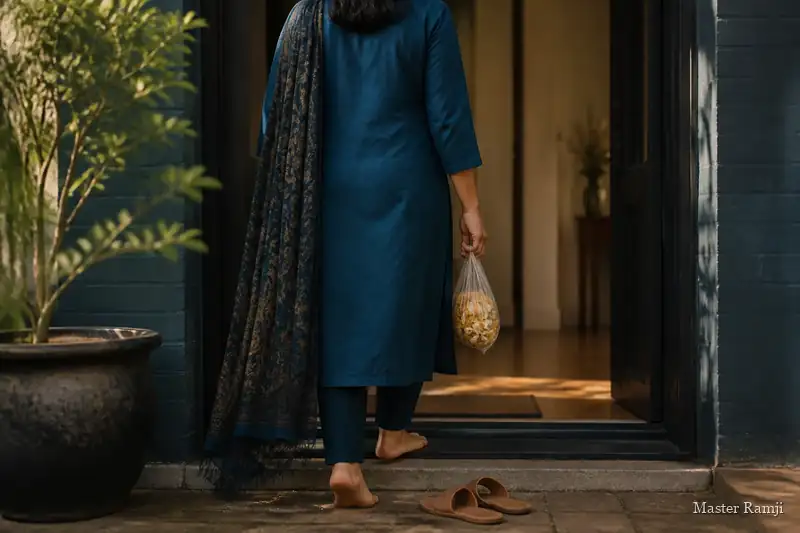
A 2012 interfaith tour notice told visitors to remove their shoes before entering the temple. It also said that no outside food could be brought in and eaten on the grounds. It is an old notice, and it isn't from the temple itself, so treat it as a guide and ask if you are unsure.
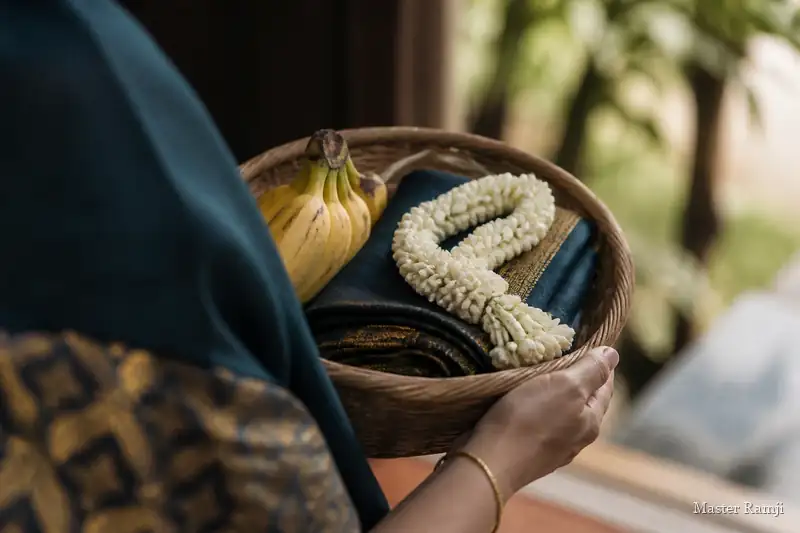
Taking an offering is different from bringing a picnic. The temple's services page says items needed for each pooja are provided, and that devotees may bring their own fruit, cloth, flowers or garlands. You can also come with nothing but a quiet prayer.
For a meal, the temple has Café Annapoorani. Check its menu and hours with the café before you plan around it.
How do you move around the shrines?
Customs vary between temples and between families, so these are only common patterns. When unsure, stand back for a moment and watch what others do.
- Start calmly. Many people greet Ganesha first, then go to the main deities. Here you might visit both Shiva and Vishnu, or simply the one your family follows.
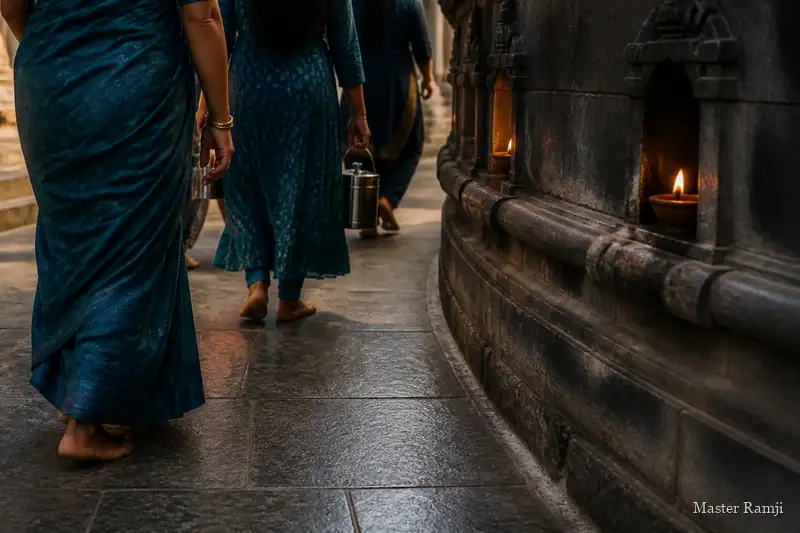
- Walk clockwise. Keep the shrine on your right as you go around it. This is called pradakshina.
- Stay out of the inner sanctum. Only priests go in. Wait your turn at the front, and don't reach past the barrier unless you are invited.
- Mind the space around Nandi. Many devotees avoid walking between Nandi, Shiva's bull, and the Shiva shrine.
- Receive prasad with care. If a priest offers you ash, kumkum, water or food, the right hand is customary. A gentle "no, thank you" is fine if you have dietary needs or prefer not to.
- Keep it quiet. Put your phone on silent and speak softly. Ask before taking photos, and look out for signs.
If you are going to the Navagraha shrine, our beginner's guide to visiting a Navagraha shrine covers the usual rounds and prayers in more detail.
Can you arrange an archana or puja on the day?
Often, yes. The temple's services page says archana, car pooja, tying of sacred thread and some other basic services can be done without booking. Many abhishekams, homams and special poojas need booking, often at least a day ahead. The list also includes Navagraha archana and Navagraha homam.
Details are subject to change, so confirm with the temple manager or through the temple's booking page. The services the page describes are performed at the temple, so ask directly if you were hoping for something at home.
What if you are visiting because of your chart?
Some people arrive after being told that a planet is causing trouble. If that is you, please go gently. A visit can be a real comfort, and prayer has been at the heart of the tradition for a very long time. But it isn't a transaction, and no visit, ritual or offering can promise a result in health, money or love.
You don't need anyone's permission to pray. If you are curious about what these rites are meant to do, read what a graha shanti puja is meant to do and astrology remedies that cost nothing. If you later want a graha shanti puja performed, a temple like this one is a valid place to ask, and so is a private priest. Compare what is included and ask for the fee upfront.
Can you bring children or friends who aren't Hindu?
An interfaith group had the temple on its tour program in 2012, as the notice above shows, so an interested visitor isn't unusual. If you are bringing a group, contact the temple first. Tell friends about shoes and clothing beforehand, and explain that they don't have to take part in anything they aren't comfortable with.
With children, a short first visit often works best. Pick one or two shrines, give them a simple job such as carrying the flowers, and let the gardens be the reward afterwards. Teaching puja to children raised in Australia has more ideas.
If you live in the area, you can find more local guides on our page for Melbourne's south-east. For questions about a personal puja or remedy, sessions can be held by phone, WhatsApp or video. You are welcome to get in touch.
Related service
Keep reading
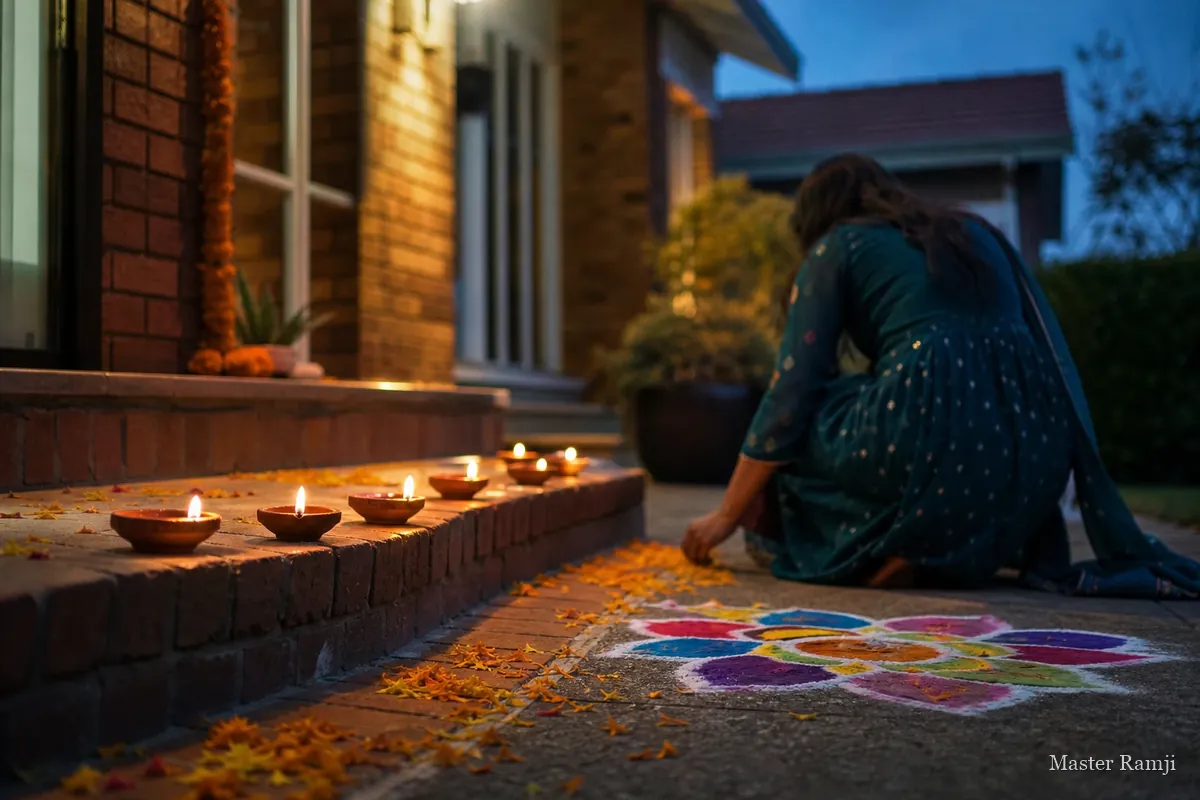
Celebrating Diwali in Geelong
Looking for Diwali in Geelong? Which groups have held celebrations, how to confirm this year's plans, and a simple Lakshmi puja you can do safely at home.
Read article →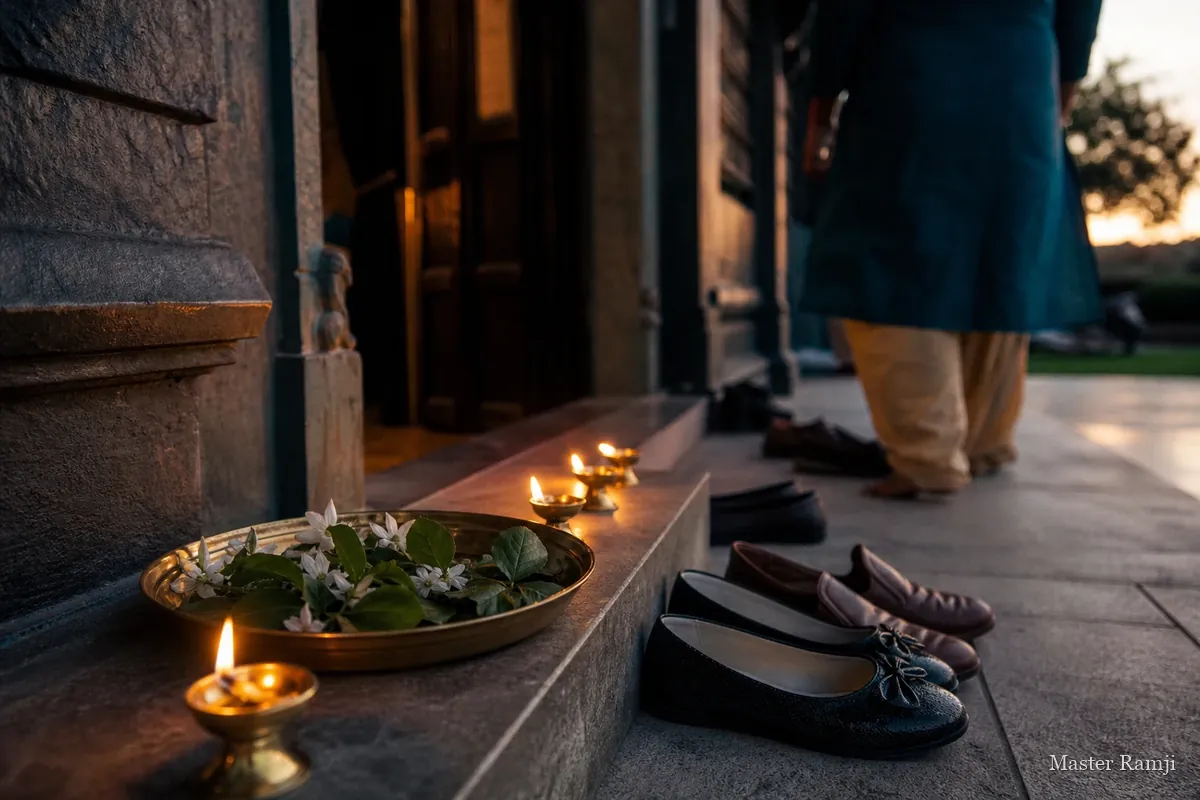
Maha Shivaratri in Melbourne's South-East
Keeping Maha Shivaratri in Melbourne's south-east with work the next day? How to plan the vigil, the fast and the drive home from Carrum Downs safely.
Read article →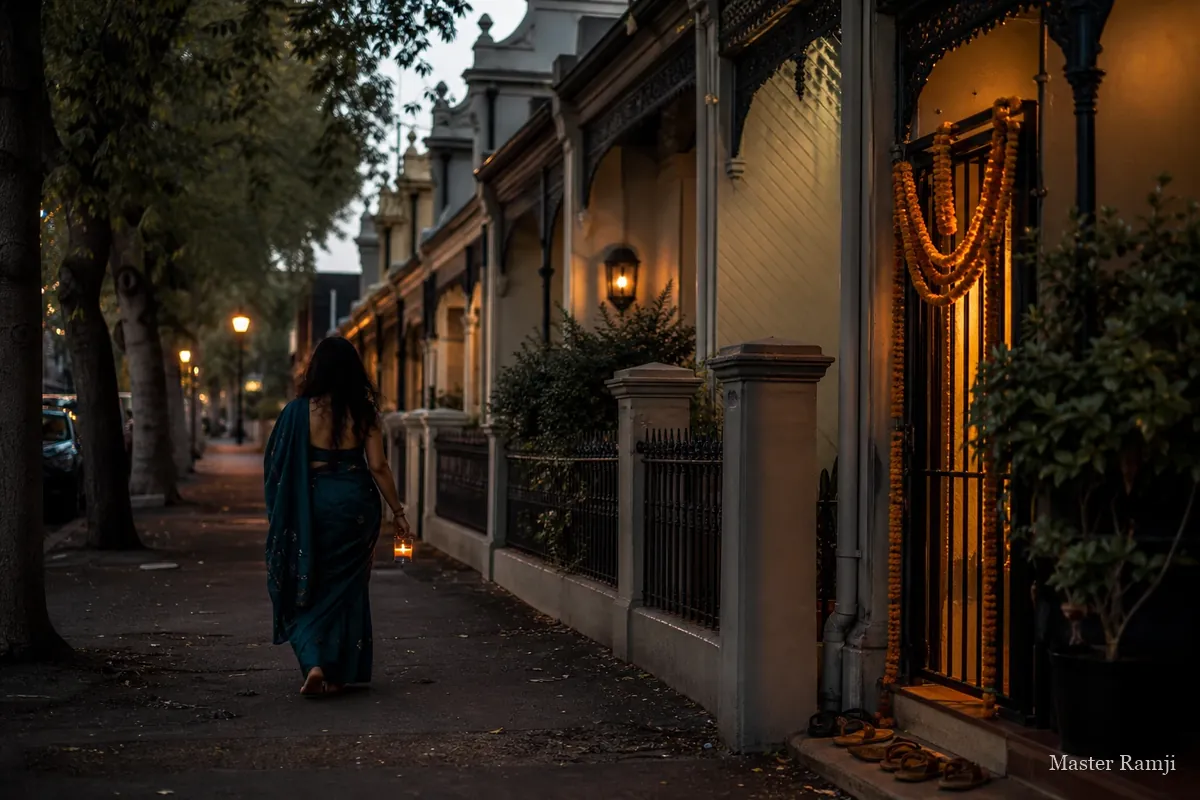
Visiting the Hare Krishna Temple in Albert Park
Visiting the Hare Krishna temple on Danks Street in Albert Park? What to wear, how to get there, what happens inside, and how it differs from other temples.
Read article →More from Melbourne's South-East
Maha Shivaratri in Melbourne's South-East
Keeping Maha Shivaratri in Melbourne's south-east with work the next day? How to plan the vigil, the fast and the drive home from Carrum Downs safely.
Read article →
Students in Clayton: Love, Family and Expectations
An international student in love in Clayton, with family pressure from home? How to think it through, what to share, and where to get real support.
Read article →
Graduating in Clayton: What to Do With Career Timing
Graduating in Clayton with a visa clock and family expectations? What to sort out first, where to get free advice, and what career astrology can't decide.
Read article →Local pages
Astrologer for Dandenong
For Dandenong traders and new arrivals: shop timing, vastu for premises, and how to check any spiritual adviser. Sessions by phone, WhatsApp or video.
View area →Astrologer for Clayton
For Clayton students and graduates dealing with family pressure, relationships and first jobs. Vedic astrology by phone, WhatsApp or video, from Ascot Vale.
View area →Quick answers
What is a puja?
A puja is a Hindu act of devotional worship, at home or in a temple, with offerings such as flowers, light and food. Here is what it usually involves.
Read answer →Can a puja be done without me being there?
Yes, in many traditions a priest can perform a puja on your behalf using a sankalp. Here is what that means and what to ask before you pay for one.
Read answer →Talk to Vijay Ramji
Tell us what you are facing. If a reading is unlikely to help, you will be told that plainly.